Why Do I Wake Up Sweating? 9 Common Causes and Solutions (2026)
If you often wonder, “Why do I wake up sweating?”, the answer may be as simple as an overheated bedroom, heavy bedding, or warm sleepwear. However, repeated night sweats can also be associated with hormonal changes, stress, medication side effects, low blood sugar, alcohol use, infections, or another medical condition.
Sweating is the body’s natural cooling system. It becomes more concerning when you wake with soaked pajamas or bedding even though your bedroom is comfortably cool.
An occasional sweaty night after hot weather, a stressful dream, or a spicy dinner is usually not a reason to panic. Persistent or drenching night sweats deserve more attention—especially when they occur with fever, unexplained weight loss, swollen lymph nodes, coughing, chest pain, breathing difficulty, or other new symptoms.
This guide explains nine possible reasons you may wake up sweating, practical ways to sleep more comfortably, and warning signs that should be discussed with a healthcare professional.
What Are Night Sweats?
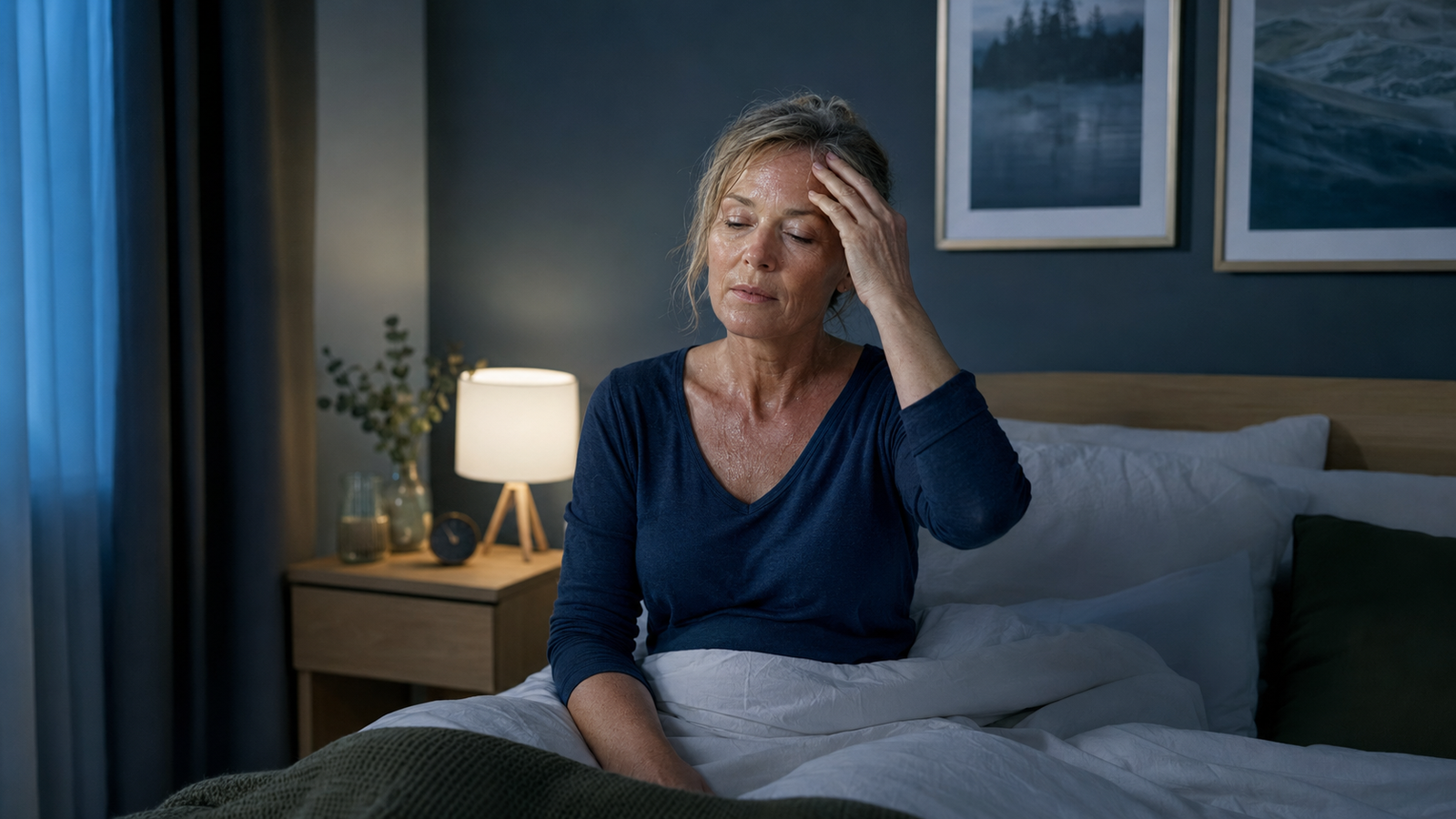
Night sweats are episodes of excessive sweating that occur during sleep. They may leave your skin damp or soak through your sleepwear and bedding.
Not every warm night qualifies as a true night sweat. Sweating because your room is hot or your comforter is too heavy is usually an environmental problem rather than a medical symptom.
The distinction often depends on:
- How warm the bedroom is
- How much bedding you use
- Whether your clothing becomes soaked
- How frequently the sweating occurs
- Whether it wakes you from sleep
- Whether other symptoms appear at the same time
According to the NHS overview of night sweats, medical advice is appropriate when night sweats occur regularly, interrupt sleep, or appear with concerning symptoms such as fever, coughing, diarrhea, or unexplained weight loss.
Keep in mind that the phrase night sweats describes a symptom, not a diagnosis. Identifying the cause requires looking at your sleep environment, age, medications, habits, and overall health.
Why Do I Wake Up Sweating?
You may wake up sweating when your body is trying to release excess heat or when something activates the nervous system and sweat glands during sleep.
Common explanations range from a warm bedroom to hormonal changes. The following nine causes can help you determine which factors may be relevant to your situation.
1. Your Bedroom or Bedding Is Too Warm
The simplest explanation is often the sleep environment.
Your body naturally changes temperature during the sleep-wake cycle. A bedroom that is too warm can interfere with this process and trigger sweating as your body attempts to cool itself.
Environmental causes may include:
- High bedroom temperature
- Poor ventilation
- Humid weather
- Thick duvets or multiple blankets
- Heat-trapping foam mattresses
- Heavy pajamas
- Synthetic bedding with limited breathability
- Sharing a bed with another person or a pet
- Sleeping near a heater or in direct sunlight
Sweating caused by overheating often improves after adjusting the thermostat, using lighter bedding, or choosing breathable sleepwear.
Finding the best bedroom temperature for sleep can help you create a cooler environment without making the room uncomfortably cold.
Notice whether the problem occurs only during warm weather or disappears when you sleep in another room. These patterns suggest that the environment may be responsible.
Before assuming that a medical condition is causing your symptoms, try changing one environmental factor at a time. This makes it easier to determine whether the mattress, bedding, clothing, temperature, or humidity is the real culprit.
2. Menopause or Perimenopause Can Cause Night Sweats
Hormonal changes during perimenopause and menopause are among the most common causes of recurring night sweats.
Hot flashes are sudden sensations of heat that commonly affect the face, neck, and chest. When they occur during sleep and lead to sweating, they are generally called night sweats.
Other possible symptoms of perimenopause or menopause include:
- Changes in menstrual timing or flow
- Difficulty falling or staying asleep
- Mood changes
- Vaginal dryness
- Heart palpitations
- Headaches
- Difficulty concentrating
- Chills following a hot flash
Night sweats may wake you directly or make it difficult to fall asleep again. Repeated awakenings can contribute to daytime fatigue, irritability, and difficulty concentrating.
The National Institute on Aging identifies hot flashes and night sweats as common menopause symptoms. However, night sweating alone cannot confirm that menopause is the cause.
Men can also experience hot flashes and night sweats when testosterone levels become unusually low or following certain hormone-related medical treatments.
Speak with a healthcare professional if hormonal symptoms frequently disrupt your sleep. Treatment options depend on your age, symptoms, medical history, and individual health risks.
3. Stress, Anxiety, or Nightmares May Trigger Sweating
Stress activates the body’s sympathetic nervous system—the system involved in the “fight-or-flight” response. This can increase heart rate, breathing, alertness, and sweating.
Even after you fall asleep, emotional stress may continue to affect the body.
Understanding how stress affects sleep may help you recognize the connection between nighttime sweating, vivid dreams, and repeated awakenings.
Possible clues include:
- Racing thoughts at bedtime
- Difficulty relaxing
- A rapid heartbeat
- Tense muscles
- Frequent awakenings
- Vivid dreams or nightmares
- Sweating after a frightening dream
- Symptoms that worsen during stressful periods
A nightmare may produce a temporary burst of sweating that improves once you wake and calm down. Chronic anxiety, panic attacks, post-traumatic stress, or ongoing emotional strain may cause more frequent sleep disruption.
Stress-related sweating can coexist with environmental heat, alcohol use, medication effects, or hormonal changes. It should not automatically be assumed to be “just anxiety” without considering other possible causes.
If you repeatedly ask, “Why do I wake up sweating during stressful weeks?”, tracking your symptoms alongside major events, alcohol intake, medications, and bedroom temperature may reveal a pattern.
Seek professional support when anxiety or nightmares regularly interfere with sleep, work, relationships, or daily activities.
4. A Medication May Be Causing Excessive Sweating
Some prescription and over-the-counter medications can increase sweating during the day or night.
Medicines that may contribute to night sweats in some people include:
- Certain antidepressants
- Steroid medications
- Some pain relievers
- Hormone treatments
- Fever-reducing medicines
- Some diabetes medications
- Certain blood pressure medicines
The medication may be involved if your sweating began after:
- Starting a new medicine
- Increasing the dose
- Changing the time you take it
- Combining it with another medicine
- Stopping a medicine suddenly
Some medications directly affect temperature regulation or the nervous system. Others may cause sweating by lowering blood glucose, changing hormone levels, or producing a fever-like reaction.
According to the NHS guidance on night sweats, antidepressants, steroids, and some painkillers are among the medications that may contribute to the symptom.
Keep a record of when the sweating began and whether it occurs shortly after taking a particular medicine. Include prescription drugs, supplements, cold remedies, sleep aids, and other products when discussing the problem with a doctor or pharmacist.
Do not stop taking a prescribed medication or adjust its dose independently. Abruptly stopping certain medicines can cause withdrawal symptoms or allow the condition being treated to worsen.
A healthcare professional may recommend:
- Changing when you take the medicine
- Adjusting the dose
- Switching to an alternative
- Checking for interactions
- Treating the sweating while continuing the medication
If night sweats appear with a rash, facial swelling, breathing difficulty, severe dizziness, confusion, or another sudden reaction after taking medication, seek prompt medical assistance.
5. Alcohol, Spicy Foods, or Evening Habits May Trigger Sweating
What you consume before bed can influence body temperature, blood vessels, heart rate, and sleep quality.
Alcohol
Alcohol can widen blood vessels near the skin and create a temporary feeling of warmth. It may also affect the nervous system, disrupt temperature regulation, and increase sweating in some people.
Although alcohol can make you feel sleepy at first, it often produces lighter and more fragmented sleep later in the night. It may also worsen snoring and sleep-related breathing problems.
Learn more about whether alcohol helps you sleep and why its sedating effect does not guarantee restorative sleep.
Night sweating may be more noticeable when you:
- Consume several drinks
- Drink close to bedtime
- Sleep in a warm room afterward
- Become dehydrated
- Combine alcohol with certain medications
- Have diabetes or take glucose-lowering medicine
In people treated for diabetes, alcohol can sometimes contribute to delayed low blood glucose—particularly when consumed without enough food. This effect may occur several hours after drinking.
If sweating frequently follows alcohol use, reduce the amount and avoid drinking close to bedtime. Persistent symptoms should not automatically be blamed on alcohol, especially if they also occur on nights when you do not drink.
Spicy Foods
Spicy foods contain substances such as capsaicin that can activate heat-sensitive receptors. Your body may respond as though it needs to cool down, leading to facial warmth, flushing, and sweating.
This response usually occurs during or shortly after eating, but a large spicy meal near bedtime may leave some people feeling hot and uncomfortable when trying to sleep.
Try moving spicy meals earlier in the day or reducing their intensity for one or two weeks. If the sweating continues unchanged, another factor is probably involved.
Other Evening Triggers
Additional habits that may make nighttime sweating more noticeable include:
- Drinking very hot beverages before bed
- Performing intense exercise immediately before sleeping
- Using nicotine
- Eating a large, heavy meal late at night
- Taking a very hot shower or bath just before bed
- Wearing thick sleepwear after evening exercise
These habits do not cause every case of night sweats. However, a brief symptom diary can help reveal whether your evening routine is turning bedtime into an accidental sauna.
Record your bedroom temperature, meals, alcohol intake, exercise, medications, and sweating severity for one or two weeks. Change one factor at a time so that you can identify what actually helps.
6. Your Blood Sugar May Be Dropping During Sleep
Low blood glucose, also called hypoglycemia, can cause sweating because it activates the body’s stress-response system.
Nocturnal hypoglycemia primarily affects people with diabetes who use insulin or certain glucose-lowering medications. It can occur when the dose, meal timing, physical activity, and glucose needs are not properly balanced.
Possible triggers include:
- Taking too much insulin or certain diabetes medicine
- Skipping dinner or eating less than usual
- Exercising more intensely than expected
- Drinking alcohol without enough food
- Being ill or unable to eat normally
- Changing medication without adjusting the treatment plan
Signs of low blood glucose during sleep may include:
- Pajamas or sheets becoming damp with sweat
- Nightmares
- Crying out or moving unusually during sleep
- Restless or disrupted sleep
- Waking with a headache
- Feeling tired, irritable, or confused in the morning
- Shaking, hunger, or a rapid heartbeat after waking
The NIDDK guidance on low blood glucose specifically identifies damp pajamas or bedding, nightmares, and morning tiredness or confusion as possible signs of nighttime hypoglycemia.
Sweating at night does not automatically mean your glucose is low. People without diabetes are much less likely to experience recurrent hypoglycemia, and environmental heat, menopause, anxiety, medications, and other causes are generally more common explanations.
If you have diabetes and suspect nighttime hypoglycemia:
- Check your glucose according to your treatment plan
- Record the time and symptoms
- Review recent meals, exercise, alcohol, and medication
- Discuss recurring episodes with your diabetes-care team
- Ask whether monitoring or treatment adjustments are needed
Do not independently reduce or skip prescribed diabetes medication. The correct change depends on the medicine, glucose pattern, diet, activity level, and other health factors.
Severe hypoglycemia can cause seizures, loss of consciousness, or an inability to swallow safely. A person who is unconscious or cannot take glucose by mouth requires emergency assistance and the prescribed rescue treatment, if available.
If you do not have diabetes but repeatedly experience sweating with shaking, confusion, faintness, rapid heartbeat, or intense hunger, arrange a medical evaluation rather than attempting to diagnose the cause yourself.
7. An Infection or Fever May Cause Night Sweats
Sweating is one way the body releases heat. When an infection raises your body temperature, you may sweat as the fever rises or begins to fall.
Short-term infections that may cause nighttime sweating include:
- Influenza
- COVID-19
- Other respiratory infections
- Stomach infections
- Urinary tract infections
- Infections that cause a high fever
In these situations, night sweats usually occur with other symptoms, such as:
- Fever or chills
- Coughing
- Sore throat
- Congestion
- Muscle aches
- Fatigue
- Headache
- Nausea, vomiting, or diarrhea
- Pain or burning during urination
Sweating associated with a brief viral illness often improves as the infection resolves. Rest, fluids, breathable clothing, and appropriate medical care may make you more comfortable, but the underlying illness—not merely the sweating—should guide treatment.
Some persistent infections can also cause recurring night sweats. Tuberculosis is a well-known example, although it is much less common than ordinary viral infections in many populations.
Possible warning signs of a longer-lasting infection include:
- A cough lasting several weeks
- Coughing up blood
- Repeated fever
- Unexplained weight loss
- Loss of appetite
- Severe fatigue
- Swollen lymph nodes
- Exposure to someone with tuberculosis
- A weakened immune system
Do not assume that recurring night sweats mean you have a serious infection. However, sweating that continues after other symptoms should have resolved deserves medical evaluation.
Seek urgent medical attention if fever occurs with confusion, severe breathing difficulty, chest pain, a stiff neck, fainting, bluish lips, or signs of severe dehydration.
8. An Overactive Thyroid May Affect Temperature Regulation
The thyroid is a small gland in the neck that produces hormones involved in metabolism, heart rate, body temperature, and energy use.
Hyperthyroidism occurs when the thyroid produces more thyroid hormone than the body needs. An overactive metabolism can make you unusually sensitive to heat and increase sweating during both the day and night.
According to the NIDDK overview of hyperthyroidism, possible symptoms include:
- Excessive sweating
- Difficulty tolerating heat
- Unexplained weight loss despite a normal or increased appetite
- Rapid or irregular heartbeat
- Nervousness or irritability
- Shaky hands
- Muscle weakness
- Fatigue
- Trouble sleeping
- Frequent bowel movements
- Swelling in the neck
Graves’ disease, an autoimmune disorder, is a common cause of hyperthyroidism. Overactive thyroid nodules and inflammation of the thyroid can also increase hormone production.
Night sweating alone cannot diagnose a thyroid disorder. Menopause, anxiety, medication side effects, environmental heat, and other conditions may produce similar symptoms.
A healthcare professional may recommend thyroid blood tests when sweating occurs with unexplained weight loss, tremors, persistent heart palpitations, neck swelling, or pronounced heat intolerance.
Hyperthyroidism can usually be treated, but the appropriate treatment depends on its cause, severity, age, and other health conditions. Avoid taking unregulated “thyroid support” supplements because some products may contain ingredients that interfere with thyroid function or prescribed medication.
Seek urgent medical care for a very rapid or irregular heartbeat accompanied by chest pain, fainting, severe breathing difficulty, confusion, or high fever.
9. Sleep Apnea or Another Medical Condition May Be Involved
Obstructive sleep apnea causes repeated narrowing or closure of the upper airway during sleep. These breathing interruptions can activate the body’s stress response and cause repeated awakenings.
Night sweats may occur in some people with sleep apnea, but they are not enough to diagnose the condition.
Look for accompanying symptoms such as:
- Loud, persistent snoring
- Witnessed pauses in breathing
- Gasping, choking, or snorting during sleep
- Restless sleep
- Waking with a dry mouth
- Morning headaches
- Difficulty concentrating
- Irritability
- Excessive daytime sleepiness
- Feeling unrefreshed despite adequate time in bed
The NHLBI guide to sleep apnea symptoms explains that snoring, breathing pauses, gasping, daytime tiredness, headaches, and dry mouth are important warning signs.
If these symptoms occur together, discuss them with a healthcare professional. Diagnosis may involve a home sleep apnea test or an overnight sleep study.
Less Common Medical Causes
Recurring night sweats may occasionally be associated with other conditions, including:
- Certain autoimmune or inflammatory diseases
- Neurological disorders affecting temperature regulation
- Some heart conditions
- Hormone-producing tumors
- Blood disorders
- Certain cancers, particularly lymphoma or leukemia
Cancer is far less common than overheating, menopause, medication effects, stress, or alcohol use. Night sweats by themselves are not reliable evidence of cancer.
Medical evaluation becomes more important when drenching sweats occur with:
- Unexplained weight loss
- Persistent fever
- Enlarged or painless lymph nodes
- Unusual bruising or bleeding
- Persistent fatigue
- Recurrent infections
- Ongoing coughing
- New or worsening pain
Avoid attempting to identify a rare disease from a symptom list. Night sweats overlap with many ordinary conditions, and testing should be based on your complete medical history and examination.
When Should You See a Doctor?
Schedule a medical appointment if your night sweats:
- Occur regularly
- Soak your sleepwear or bedding
- Continue for several weeks
- Wake you repeatedly
- Persist despite cooling the bedroom
- Begin after starting or changing medication
- Interfere with daytime energy or concentration
- Have no clear environmental explanation
You should also arrange an evaluation if sweating occurs with:
- Fever or chills
- Unexplained weight loss
- A persistent cough
- Swollen lymph nodes
- Rapid or irregular heartbeat
- Tremors or marked heat intolerance
- Loud snoring or breathing pauses
- Frequent low-glucose episodes
- Unusual bruising or repeated infections
Seek emergency assistance for sweating accompanied by chest pain, severe breathing difficulty, fainting, confusion, blue or gray lips, severe weakness, or symptoms of dangerously low blood glucose.
What Information Should You Track?
Before your appointment, record the following for one or two weeks:
- Bedroom temperature
- Severity of sweating
- Whether clothing or bedding becomes soaked
- Fever or other symptoms
- Menstrual or hormonal changes
- Medications and supplements
- Evening alcohol and food intake
- Exercise timing
- Snoring or breathing pauses
- Blood-glucose readings if you have diabetes
This information can help a healthcare professional decide whether you need a medication review, blood tests, thyroid testing, infection screening, or a sleep evaluation.
Your pajamas may not be qualified medical detectives, but if they are repeatedly soaked by morning, they are at least submitting evidence.
How to Stop Waking Up Sweating
The right solution depends on the cause. Start with simple environmental changes, then seek medical advice if the sweating remains frequent or severe.
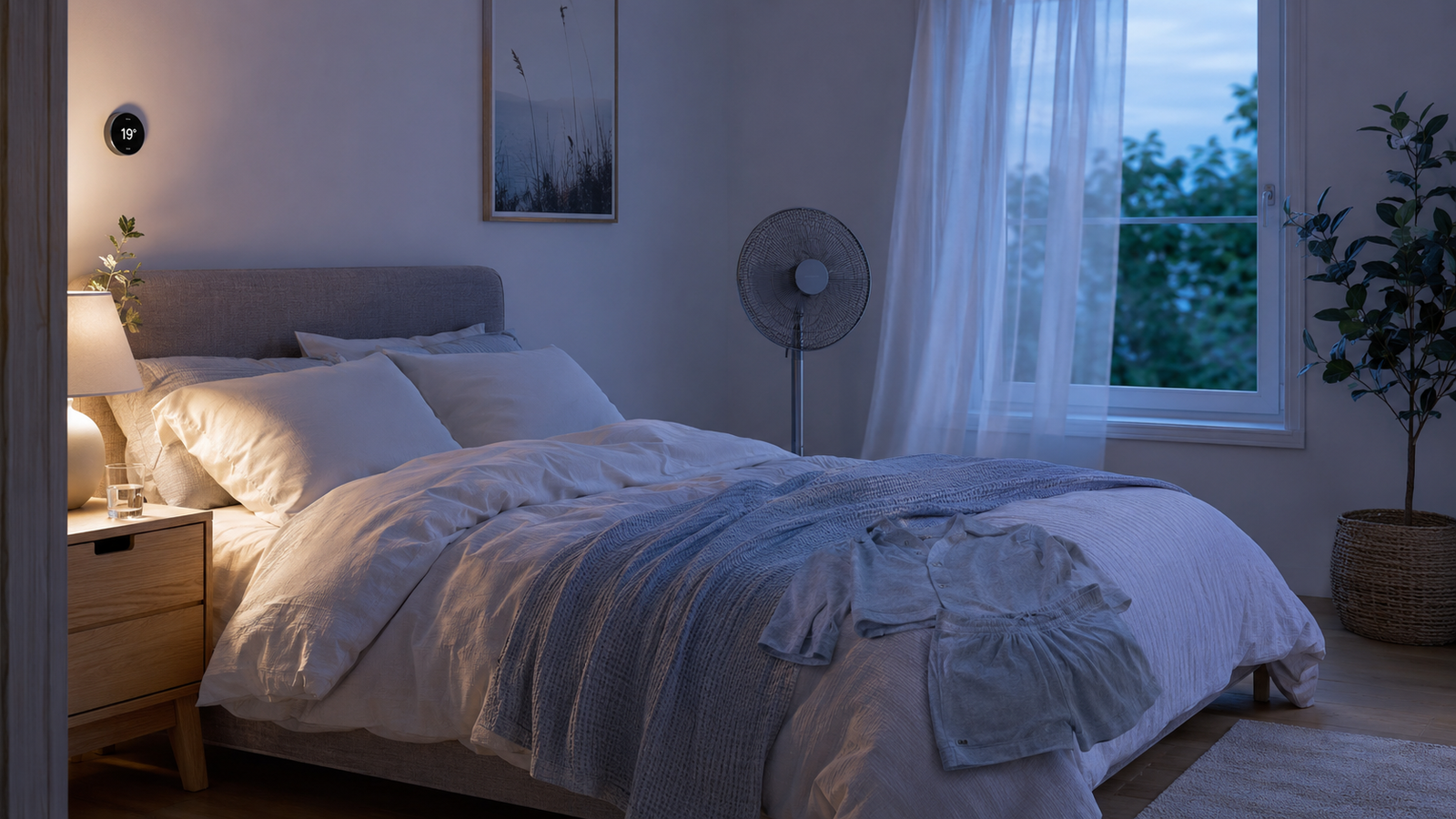
1. Keep Your Bedroom Comfortably Cool
A cooler bedroom can help your body release heat during sleep.
Try:
- Setting the thermostat around 65–68°F (18–20°C)
- Improving airflow with a quiet fan
- Closing curtains during hot afternoons
- Keeping heaters away from the bed
- Reducing indoor humidity when the room feels damp
Make small adjustments instead of making the bedroom uncomfortably cold.
2. Choose Breathable Bedding and Sleepwear
Replace thick or heat-trapping materials with lightweight cotton, linen, bamboo, or other breathable fabrics.
If you share the bed, use separate blankets when one person sleeps considerably warmer than the other. A washable mattress protector can also make recurring episodes easier to manage.
3. Change Potential Evening Triggers
For one or two weeks, try reducing:
- Alcohol near bedtime
- Spicy or heavy late-night meals
- Very hot drinks
- Nicotine
- Intense exercise immediately before bed
- Extremely hot showers just before sleeping
Change one factor at a time. Otherwise, you may improve the problem without knowing which change actually helped.
4. Create a Calmer Bedtime Routine
When stress or nightmares accompany sweating, use the final 30–60 minutes before bed to reduce stimulation.
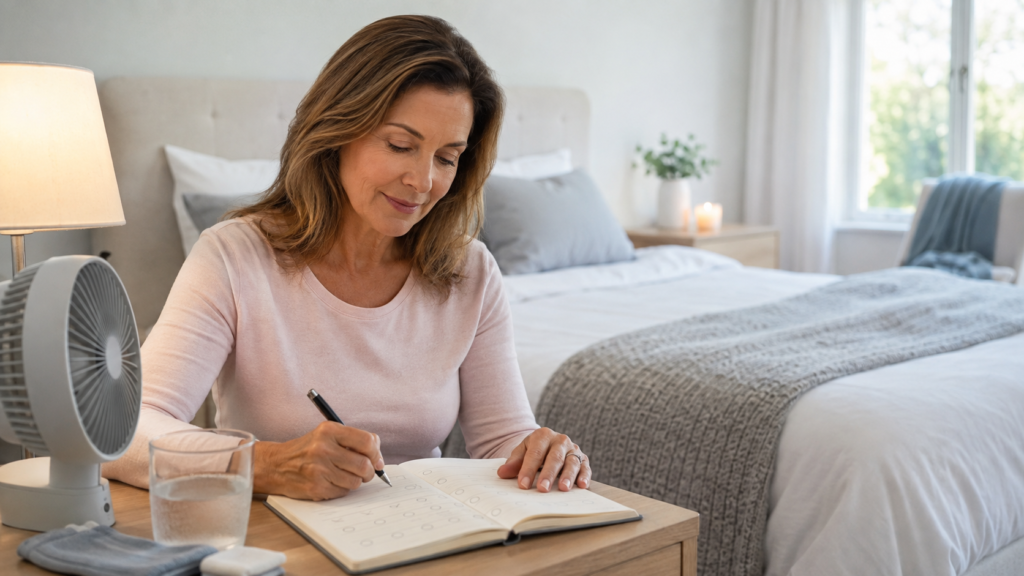
Helpful options include slow breathing, gentle stretching, journaling, quiet reading, or guided relaxation. Seek professional support if anxiety, panic, or traumatic nightmares repeatedly disturb your sleep.
5. Review Your Medications
Tell a doctor or pharmacist if the sweating began after starting, stopping, or changing a medication.
Do not independently stop antidepressants, steroids, diabetes medicine, hormone treatment, or other prescribed drugs. A healthcare professional can determine whether the timing, dose, interaction, or medication itself may be contributing.
6. Treat the Underlying Cause
Environmental changes will not correct sweating caused by menopause, infection, hyperthyroidism, nocturnal hypoglycemia, sleep apnea, or another medical condition.
Arrange a medical evaluation when the sweating is drenching, continues for several weeks, or occurs with fever, unexplained weight loss, swollen lymph nodes, persistent coughing, heart palpitations, breathing pauses, or low-glucose symptoms.
Final Thoughts
If you frequently wonder, “Why do I wake up sweating?”, begin by checking your bedroom temperature, bedding, evening habits, stress level, and medications.
Occasional sweating in a hot room is usually different from repeated night sweats that soak your clothing or sheets. Persistent symptoms deserve professional evaluation—especially when they appear with other physical changes.
Your bedroom should support sleep, not quietly audition as a sauna.
Frequently Asked Questions
Why do I wake up sweating when my room is cold?
Hormonal changes, anxiety, nightmares, medications, low blood glucose, infections, thyroid problems, or sleep apnea may cause sweating even in a cool room.
Can anxiety cause night sweats?
Yes. Anxiety can activate the nervous system and increase sweating. However, frequent drenching episodes should not automatically be attributed to stress without considering other causes.
Are night sweats a sign of menopause?
Night sweats are common during perimenopause and menopause, particularly when they occur with hot flashes, sleep disruption, or menstrual changes. Other causes are still possible.
When should I worry about night sweats?
See a doctor when the episodes occur regularly, soak your bedding, persist for several weeks, or accompany fever, weight loss, swollen lymph nodes, coughing, breathing difficulty, or other unexplained symptoms.
Medical note: This article provides general educational information and is not a substitute for diagnosis or individualized medical care.
Related Articles
Best Bedroom Temperature for Sleep: How Cool Should Your Room Be?