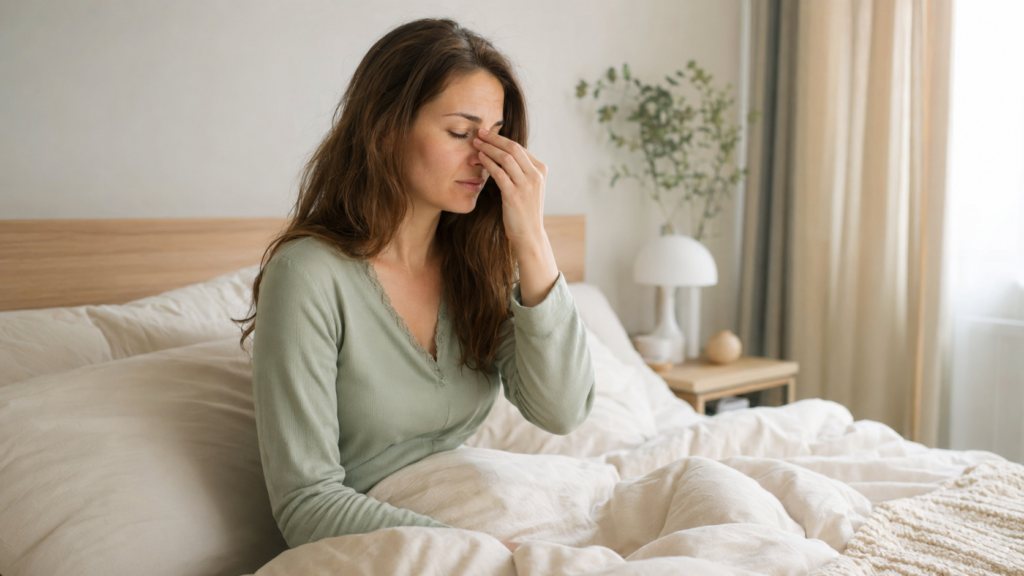

Why Do I Wake Up Shaking? 9 Causes and Effective Fixes (2026)
If you frequently ask, “Why do I wake up shaking?”, possible causes include being cold, low blood sugar, anxiety, caffeine, alcohol withdrawal, medication effects, fever, thyroid problems, or a neurological condition.
The sensation may involve:
- Shivering throughout your body
- Trembling hands
- Chattering teeth
- Internal vibrations
- Sweating
- A racing heartbeat
- Hunger or weakness
- Dizziness
- Nausea
- Muscle twitching
- Anxiety or a sense of panic
Brief shaking caused by a cold bedroom or a frightening dream may resolve quickly. However, repeated episodes—especially those involving confusion, fainting, fever, chest pain, breathing difficulty, or significant weakness—require medical attention.
Is It Shivering, Trembling, or an Internal Vibration?
Before identifying the cause, consider what “shaking” means in your situation.
Shivering
Shivering usually involves rapid muscle contractions that help your body generate heat. It commonly happens when you are cold, but fever and infection may also cause chills.
Trembling
A tremor is an involuntary rhythmic movement that may affect your hands, arms, head, voice, or another body part. Stress, fatigue, caffeine, certain medicines, and some health conditions can make a tremor more noticeable.
Internal Shaking
Some people feel as though their body is vibrating even when no movement is visible. Anxiety, an adrenaline surge, medication effects, sleep disruption, or another medical condition may contribute to this sensation.
Record whether the shaking is visible, how long it lasts, and whether it improves after warming up, eating, drinking, or calming your breathing. If it occurs alongside queasiness, compare your symptoms with Why Do I Wake Up Nauseous? 9 Common Causes and Fixes.
1. A Cold Bedroom May Cause Morning Shivering
Body temperature naturally decreases during sleep. If the bedroom becomes excessively cold or your bedding does not provide enough warmth, you may wake up shivering.
This is more likely when:
- The heating turns off overnight
- A window is open
- A fan blows directly toward the bed
- Bedding is too light for the season
- Pajamas become damp from perspiration
- You sleep near an exterior wall
- Air conditioning is set too low
- You are already unwell or physically exhausted
Cold-related shaking should gradually improve after adding a blanket, changing damp clothing, or moving to a comfortably warm environment.
Check the Bedroom, Not Just the Thermostat
Room temperature may vary around the bedroom. The space beside a window, under an air vent, or near the floor can feel much colder than the thermostat reading suggests.
A cool bedroom can support comfortable sleep, but colder is not always better. Review Best Bedroom Temperature for Better Sleep to create a sleep environment that feels cool without causing persistent discomfort.
Do not use an electric blanket, heating pad, or hot-water bottle carelessly if you have reduced sensation, poor circulation, diabetes-related nerve damage, or difficulty moving during sleep. These factors may increase the risk of burns.
Seek medical advice if intense shivering continues despite warming up or occurs with fever, confusion, breathing difficulty, blue or unusually pale skin, severe weakness, or unusual drowsiness.
2. Low Blood Sugar Can Cause Shaking and Sweating
Low blood glucose, also called hypoglycemia, may cause sudden shaking, hunger, sweating, dizziness, headache, weakness, irritability, confusion, or a rapid heartbeat.
Nighttime hypoglycemia is particularly important for people who use insulin or certain diabetes medicines.
Possible triggers include:
- Taking too much insulin or diabetes medication
- Skipping or delaying dinner
- Eating fewer carbohydrates than expected
- Exercising more than usual
- Exercising close to bedtime
- Drinking alcohol without enough food
- Vomiting or being unable to eat
- Changes in kidney function
- A mismatch between medication, food, and activity
Nighttime warning signs may include damp pajamas or sheets, nightmares, restless sleep, morning headache, confusion, or unusual fatigue.
The National Institute of Diabetes and Digestive and Kidney Diseases notes that low glucose can cause shakiness, hunger, dizziness, confusion, headache, and an abnormal heartbeat. Severe hypoglycemia may cause seizures or loss of consciousness.
What to Do if You Have Diabetes
Follow the glucose-testing and treatment plan provided by your healthcare team. If you have been instructed to check your glucose when symptoms occur, do so promptly and use your prescribed hypoglycemia treatment plan.
Never give food or drink to someone who is unconscious, having a seizure, or unable to swallow safely. Use prescribed emergency glucagon if available and you have been trained, and contact emergency services.
People without diabetes should not assume that every morning episode is caused by low blood sugar. Recurrent shaking requires medical assessment, particularly when it occurs with sweating, confusion, fainting, or unexplained weight changes.
If you repeatedly wake up extremely hungry as well as shaky, Why Do I Get Hungry at Night? 9 Causes and What to Do explains how meal timing, daytime intake, and sleep disruption may overlap.
3. Anxiety or a Nighttime Adrenaline Surge May Cause Trembling
Anxiety activates the body’s stress response. Adrenaline can increase your heart rate, tighten your muscles, change your breathing, and produce trembling or internal vibrations.
Possible accompanying symptoms include:
- A racing or pounding heartbeat
- Sweating
- Rapid breathing
- Chest tightness
- Nausea
- Dizziness
- Muscle tension
- Tingling in the hands or face
- A feeling of dread
- Difficulty returning to sleep
You may wake up shaking after a nightmare, during a stressful period, or with a panic attack. Sometimes the physical symptoms appear before you consciously recognize feeling anxious.
Anxiety may be more likely when episodes:
- Occur during periods of emotional stress
- Follow frightening dreams
- Include rapid breathing or a racing heartbeat
- Improve as you feel calmer
- Are worse before demanding workdays
- Accompany nighttime overthinking
- Become more frequent after poor sleep
Stress and disrupted sleep can reinforce one another. How Does Stress Affect Sleep? 7 Ways to Sleep Better explains how heightened alertness can contribute to muscle tension, nighttime waking, and less restorative sleep.
If anxious thoughts consistently intensify after bedtime, see Why Does Anxiety Get Worse at Night? 8 Possible Reasons for additional strategies.
Do not automatically label recurring shaking as anxiety. Low blood sugar, fever, medication effects, thyroid disease, alcohol withdrawal, and neurological conditions may create similar symptoms.
Seek urgent help when shaking occurs with severe chest pain, significant breathing difficulty, fainting, new confusion, one-sided weakness, difficulty speaking, or a sustained irregular heartbeat.
4. Too Much Caffeine May Leave You Shaky After Sleep
Caffeine stimulates the nervous system. Excessive intake may cause shakiness, restlessness, anxiety, dizziness, insomnia, or a rapid heartbeat.
Morning shaking may be related to caffeine when you:
- Drink coffee late in the day
- Consume several caffeinated drinks
- Use energy drinks or pre-workout products
- Take caffeine-containing medication
- Combine multiple caffeine sources
- Are particularly sensitive to stimulants
- Sleep poorly after consuming caffeine
- Wake and immediately drink strong coffee
Caffeine can remain in the body for hours, so an afternoon or evening dose may still affect sleep and nervous-system activity overnight. Learn more in How Long Does Caffeine Stay in Your System?.
The FDA explains that caffeine sensitivity and elimination rates vary considerably. Although 400 milligrams per day is not generally associated with negative effects for most healthy adults, that amount is not an individual target or a guarantee that symptoms will not occur.
Check Hidden Sources of Caffeine
Caffeine may be present in:
- Coffee and espresso
- Black or green tea
- Energy drinks
- Cola
- Chocolate
- Pre-workout supplements
- Weight-loss products
- Some headache medicines
- Certain cold remedies
- Caffeine tablets or gum
If caffeine appears to contribute to shaking, record the source, amount, and time consumed. Reduce intake gradually if you regularly consume large quantities, since stopping suddenly may cause headaches, fatigue, irritability, and difficulty concentrating.
Do not assume that caffeine is the cause when shaking is new, severe, or accompanied by fainting, chest pain, confusion, breathing difficulty, or a persistent irregular heartbeat.
5. Alcohol Withdrawal Can Cause Morning Tremors
Alcohol withdrawal is different from an ordinary hangover. It may occur when someone who regularly drinks heavily suddenly stops or substantially reduces alcohol intake.
Symptoms may include:
- Shaking hands or body tremors
- Sweating
- Anxiety or agitation
- Nausea or vomiting
- Headache
- A rapid heartbeat
- Insomnia
- Nightmares
- Irritability
- Difficulty thinking clearly
Symptoms may emerge as the alcohol level falls overnight, making shaking noticeable upon waking. MedlinePlus reports that alcohol-withdrawal symptoms often begin within eight hours of the last drink, although they can appear later.
Alcohol withdrawal is more likely if:
- You drink heavily on most days
- You need increasing amounts to achieve the same effect
- You have experienced withdrawal before
- Shaking improves temporarily after drinking
- You drink to prevent morning symptoms
- You have previously had withdrawal seizures
- You recently stopped or sharply reduced alcohol use
If you are wondering why do I wake up shaking after reducing alcohol, do not attempt to manage potentially serious withdrawal by drinking more or abruptly changing your intake without medical guidance.
Withdrawal can become life-threatening. Severe symptoms may include:
- Hallucinations
- Seizures
- Severe confusion
- Fever
- Extreme agitation
- An irregular heartbeat
- Rapid breathing
- Loss of consciousness
Delirium tremens is a severe form of withdrawal and requires emergency treatment. MedlinePlus identifies it as a medical emergency.
Contact a healthcare professional promptly if you regularly drink heavily and plan to stop. Supervised treatment may be necessary, particularly if you have a history of severe withdrawal, seizures, significant medical illness, or pregnancy.
Alcohol may initially create drowsiness but often produces fragmented, less restorative sleep later in the night. Does Alcohol Help You Sleep? What Science Says explains why it should not be used as a sleep aid.
6. Medicines and Supplements May Cause Trembling
Certain prescription medicines, nonprescription products, and supplements may cause or worsen tremors. The effect may become apparent in the morning if the product was taken at night, remains active for many hours, or interferes with sleep.
Products associated with tremor can include certain:
- Asthma medicines
- Antidepressants
- Mood stabilizers
- Seizure medicines
- Stimulants
- Thyroid medicines
- Corticosteroids
- Heart medicines
- Cancer treatments
- Immune-suppressing medicines
- Weight-management products
- Decongestants
MedlinePlus lists several medicine groups that may cause drug-induced tremor. Individual risk depends on the specific product, dose, timing, other substances used, and personal medical history.
Medication involvement may be more likely when:
- Shaking began after starting a medicine
- The dose was recently increased
- You changed the time of administration
- Symptoms occur after every nighttime dose
- You take several medicines or supplements
- You combine medication with caffeine or alcohol
- Shaking improves as the medicine wears off
- A previously mild tremor has worsened
What You Should Do
- Record every prescription medicine, supplement, and nonprescription product you use.
- Note the dose and time taken.
- Record when shaking begins and ends.
- Check the label for caffeine or stimulant ingredients.
- Ask a pharmacist or prescriber to review possible side effects and interactions.
Do not stop prescribed medication or change its dose by yourself. Some medicines can cause dangerous withdrawal effects or allow the condition being treated to worsen. MedlinePlus advises discussing a suspected medication-related tremor with a healthcare professional before making changes.
Seek urgent assistance if shaking follows a suspected overdose or occurs with difficulty breathing, facial swelling, fainting, seizures, severe confusion, chest pain, extreme drowsiness, or a sustained irregular heartbeat.
7. Fever or Infection May Cause Chills and Shaking
Shivering after waking may be your body’s response to fever or infection rather than a problem caused directly by sleep.
Chills occur when muscles rapidly contract and relax to generate heat. You may feel intensely cold even while your body temperature is rising. MedlinePlus explains that chills commonly occur at the beginning of an infection and are often associated with fever.
Possible accompanying symptoms include:
- Fever
- Sweating
- Muscle aches
- Headache
- Fatigue
- Sore throat
- Cough
- Nasal congestion
- Nausea or vomiting
- Diarrhea
- Abdominal discomfort
- Painful or frequent urination
Morning shaking may occur because a fever developed overnight, medication used to reduce fever wore off, or perspiration left your clothing and bedding damp.
What You Should Do
- Check your temperature with a reliable thermometer.
- Change damp pajamas or bedding.
- Drink fluid gradually if you can tolerate it.
- Rest and monitor other symptoms.
- Follow the instructions for any medicine you use.
- Avoid taking multiple products containing the same active ingredient.
- Contact a healthcare professional if symptoms are severe or persistent.
Do not assume every episode of chills requires antibiotics. Viral infections do not respond to antibiotics, while bacterial infections require proper diagnosis and appropriate treatment.
If shaking accompanies headache, dizziness, or nausea, review the symptoms carefully rather than assuming they all come from poor sleep. The guides on waking with a headache and waking up nauseous may help you organize the pattern before seeking medical advice.
Seek prompt medical care if chills occur with breathing difficulty, severe abdominal pain, confusion, a stiff neck, persistent vomiting, dehydration, a new rash, or rapidly worsening illness.
8. An Overactive Thyroid Can Cause Trembling
The thyroid gland produces hormones that influence metabolism, heart rate, temperature regulation, digestion, muscles, and energy use.
Hyperthyroidism occurs when the thyroid produces more hormones than the body needs. Symptoms may include:
- Shaky hands
- A rapid or irregular heartbeat
- Nervousness or irritability
- Increased sweating
- Difficulty tolerating heat
- Muscle weakness
- Trouble sleeping
- Frequent bowel movements
- Fatigue
- Unexplained weight loss despite increased appetite
- Enlargement at the front of the neck
A thyroid-related tremor may be most noticeable after waking because poor sleep, morning caffeine, stress, hunger, or physical activity can make an existing tremor easier to notice. However, the morning timing alone cannot confirm a thyroid condition.
Hyperthyroidism may be worth discussing with a healthcare professional when shaking repeatedly occurs with:
- Unexplained weight loss
- Persistent heat intolerance
- Heavy sweating
- Frequent diarrhea or bowel movements
- Ongoing insomnia
- Muscle weakness
- A consistently rapid heartbeat
- Neck swelling
- Eye discomfort or visible eye changes
A healthcare professional may use your medical history, an examination, and blood tests to evaluate thyroid function. Do not take iodine products, thyroid supplements, or someone else’s medication in an attempt to treat the symptoms yourself.
Seek urgent medical attention if shaking occurs with a very rapid or irregular heartbeat, high fever, severe agitation, confusion, fainting, chest pain, or significant breathing difficulty.
9. A Neurological Tremor or Sleep-Related Movement May Be Involved
A tremor is an involuntary shaking movement that may affect the hands, arms, head, voice, legs, or trunk. It may appear while resting, maintaining a posture, or performing an action.
Possible neurological causes include:
- Essential tremor
- Parkinsonian tremor
- Multiple sclerosis
- Stroke-related damage
- Traumatic brain injury
- Disorders affecting movement control
- Peripheral nerve or muscle conditions
This does not mean that occasional morning shaking indicates a serious neurological disease. Fatigue, caffeine, anxiety, medication, alcohol, and low blood glucose are much more common explanations in many situations.
Signs That Need Medical Evaluation
Arrange an assessment when the tremor:
- Repeatedly returns
- Gradually becomes stronger
- Affects only one side
- Continues after you are fully awake
- Interferes with writing, eating, dressing, or walking
- Occurs while the affected body part is resting
- Is accompanied by stiffness or slowed movement
- Appears with balance, speech, or coordination problems
- Began after a head injury
- Started after a medication change
Record a short video if the movement is visible and it is safe to do so. A video may help a healthcare professional distinguish rhythmic tremor from shivering, muscle twitching, or brief sleep-related jerks.
Could the Movement Be Coming From Sleep?
Brief muscle jerks may occur during the transition between wakefulness and sleep. Other movements can involve repeated leg kicking, dream enactment, or sudden awakening. These experiences are different from a tremor that continues throughout the morning.
Ask someone who shares your room whether they have noticed:
- Repeated limb movements
- Punching, kicking, or shouting during dreams
- Loud snoring
- Pauses in breathing
- Gasping or choking
- Repeated sudden awakenings
Sleep apnea itself is not a typical cause of persistent tremor, but repeated gasping and abrupt awakenings may feel like an adrenaline surge. The National Heart, Lung, and Blood Institute lists breathing pauses, loud snoring, and gasping as major nighttime signs of sleep apnea.
Improving sleep quality through consistent habits may reduce fatigue-related shakiness, but a recurring tremor or unusual nighttime movement still requires proper evaluation.
Call emergency services for sudden shaking accompanied by facial drooping, one-sided weakness, difficulty speaking, severe confusion, loss of consciousness, a seizure, a sudden extreme headache, or an inability to walk normally.
What Should You Do When You Wake Up Shaking?

If you wake up shaking, remain seated until you feel steady and check for other symptoms.
1. Warm Up Gradually
If the room feels cold, add a blanket or change damp clothing. Avoid placing intense heat directly against numb or insensitive skin.
2. Check Your Blood Glucose if Appropriate
If you have diabetes, follow the testing and treatment plan provided by your healthcare team. The NIDDK advises taking 15–20 grams of fast-acting carbohydrate when glucose is below your target and you can swallow safely.
Never give food or drink to someone who is unconscious, having a seizure, or unable to swallow.
3. Slow Your Breathing
When anxiety may be involved:
- Sit somewhere safe.
- Relax your jaw and shoulders.
- Breathe gently through your nose.
- Exhale slowly without repeatedly forcing deep breaths.
- Remind yourself that the sensation should be assessed calmly.
A consistent relaxing bedtime routine may reduce stress-related awakenings, although it cannot treat an underlying medical condition.
4. Avoid Immediate Stimulants
Do not automatically reach for strong coffee, an energy drink, alcohol, or an unverified supplement. These may worsen trembling, anxiety, heart palpitations, or dehydration.
5. Record the Episode
Note:
- When the shaking began
- How long it lasted
- Whether it was visible
- Room temperature
- Food, alcohol, and caffeine intake
- Medicines and supplements
- Fever, sweating, hunger, or headache
- Heart rate, if safely measurable
- What helped the symptoms
This record may help a healthcare professional determine why do I wake up shaking and whether testing is necessary.
When Should You See a Doctor?
Arrange a medical evaluation if the shaking:
- Repeatedly returns
- Lasts after you are fully awake
- Becomes more noticeable over time
- Affects only one side
- Interferes with eating, writing, walking, or dressing
- Began after starting or changing medication
- Occurs with unexplained weight loss or heat intolerance
- Is accompanied by frequent sweating, weakness, or palpitations
- Follows a reduction in regular heavy alcohol consumption
- Occurs with unusual nighttime movements
A clinician may review your medicines, glucose levels, thyroid function, alcohol use, neurological signs, and sleep symptoms. Do not diagnose the cause from the morning timing alone.
When Is Shaking an Emergency?
Call emergency services if shaking occurs with:
- Loss of consciousness
- A seizure
- Facial drooping or one-sided weakness
- Difficulty speaking or walking
- Severe confusion
- Chest pain
- Significant breathing difficulty
- A very rapid or irregular heartbeat
- A sudden extreme headache
- High fever with a stiff neck
- Suspected overdose
- Severe alcohol-withdrawal symptoms
Severely low blood glucose may cause seizures or unconsciousness and requires immediate treatment, according to the NIDDK.
Final Thoughts
If you are asking, “Why do I wake up shaking?”, first distinguish cold-related shivering from a rhythmic tremor or an internal vibrating sensation.
Occasional shaking may follow a cold bedroom, anxiety, caffeine, or poor sleep. Recurring episodes may require evaluation for low blood glucose, medication effects, alcohol withdrawal, infection, thyroid disease, or a neurological condition.
Supporting better sleep quality with consistent habits may reduce fatigue and stress, but persistent shaking deserves proper medical assessment. Your alarm clock should be the only thing vibrating every morning.
Frequently Asked Questions
Is it normal to wake up shaking?
A brief episode caused by cold or a frightening dream can occur. Repeated, worsening, or unexplained shaking is not something to ignore.
Can anxiety make you wake up trembling?
Yes. A nighttime adrenaline surge or panic episode may cause trembling, sweating, rapid breathing, nausea, and a racing heartbeat. Other medical causes should still be considered.
Can low blood sugar cause shaking after sleep?
Yes, especially in people using insulin or certain diabetes medicines. Sweating, hunger, dizziness, confusion, nightmares, and morning fatigue may also occur.
Can too much caffeine cause morning shaking?
Yes. Caffeine can remain active for hours and may worsen tremor, anxiety, palpitations, and disrupted sleep, particularly after afternoon or evening consumption.
Should I worry about internal shaking?
An internal vibrating sensation may occur with anxiety, medication effects, sleep disruption, or other conditions. Seek an evaluation if it repeatedly returns or accompanies weakness, fainting, chest pain, or neurological symptoms.
Medical note: This article provides general educational information and does not replace diagnosis or individualized treatment from a healthcare professional.
Related Articles
Why Do I Wake Up Nauseous? 9 Common Causes and Fixes
Why Do I Wake Up Dizzy? 9 Common Causes and Solutions
Why Do I Wake Up With a Headache? 8 Common Causes