Can Menopause Cause Sleep Paralysis? 7 Surprising Triggers
Can menopause cause sleep paralysis? Menopause is not established as a direct cause, but hot flashes, insomnia, sleep deprivation, anxiety, irregular sleep schedules, sleep apnea, and medication changes may indirectly increase the likelihood of an episode.
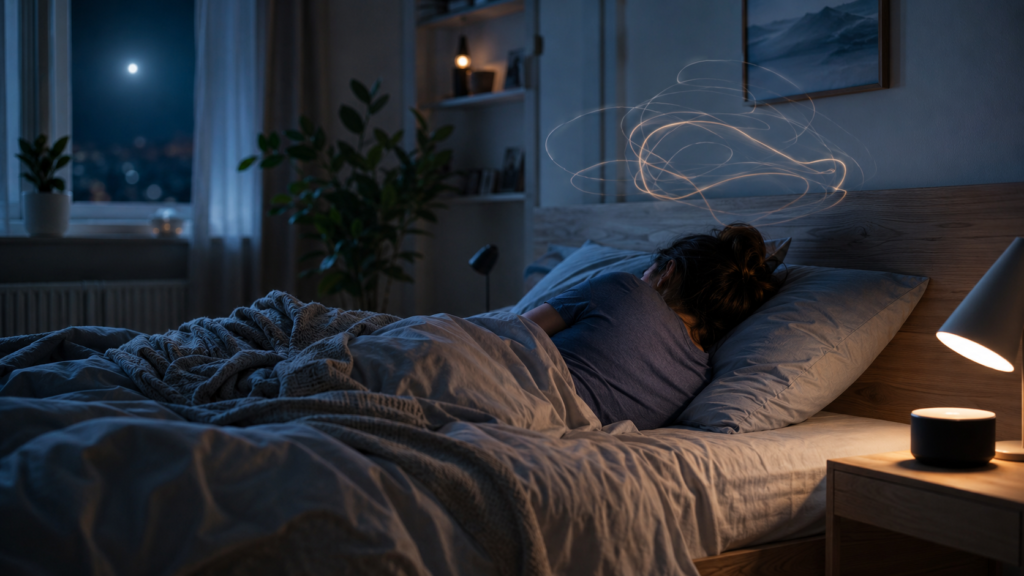
Sleep paralysis can feel terrifying. You may wake with full awareness but be temporarily unable to move, speak, or call for help. Some people also sense a presence in the room, feel pressure on the chest, or experience vivid dreamlike images.
Although an episode can be frightening, sleep paralysis itself is generally temporary and harmless. However, recurring episodes or additional symptoms may indicate another condition requiring professional assessment.
Quick answer: Menopause does not appear to directly cause sleep paralysis. Menopause-related sleep disruption may nevertheless make episodes more likely by interfering with the normal transition between REM sleep and wakefulness.
What Is Sleep Paralysis?
Sleep paralysis is a temporary inability to move or speak while falling asleep or waking up. It occurs when awareness returns before the temporary muscle immobility associated with REM sleep has fully ended.
During REM sleep:
- Brain activity increases
- Vivid dreaming commonly occurs
- Breathing continues automatically
- Most voluntary muscles become temporarily inactive
- The body is prevented from physically acting out dreams
During sleep paralysis, the mind becomes aware while this REM-related muscle inactivity briefly remains.
According to the Cleveland Clinic’s sleep paralysis overview, episodes commonly last from several seconds to a few minutes. A person can usually breathe and move their eyes even though moving the arms, legs, or torso feels impossible.
What Does Sleep Paralysis Feel Like?
Symptoms may include:
- Being awake but unable to move
- Being unable to speak or shout
- Feeling pressure on the chest
- Sensing another person in the room
- Seeing a shadowy shape
- Hearing footsteps, voices, or unusual sounds
- Feeling as though someone is touching the bed
- Experiencing intense fear
- Feeling detached from the body
- Suddenly regaining movement
Not everyone experiences hallucinations. Some episodes involve only a brief inability to move, while others include vivid sights, sounds, or sensations.
Can You Breathe During Sleep Paralysis?
Yes. Automatic breathing continues during sleep paralysis, although it may feel restricted.
REM sleep changes breathing patterns, and fear may create a sensation of chest tightness. A person may also become intensely focused on breathing because they cannot move normally.
However, persistent chest pain, severe breathing difficulty after movement returns, fainting, or other concerning symptoms should not automatically be attributed to sleep paralysis.
Is Sleep Paralysis Common During Menopause?
Sleep paralysis is not recognized as a typical menopause symptom.
More common sleep concerns during perimenopause and menopause include:
- Hot flashes
- Night sweats
- Difficulty falling asleep
- Frequent awakenings
- Early-morning waking
- Restless legs
- Mood-related sleep disruption
- Obstructive sleep apnea
Hormonal changes may influence temperature regulation, mood, and sleep continuity. These effects may indirectly create several recognized sleep paralysis risk factors, particularly insufficient sleep and irregular sleep timing.
The NHS guidance on sleep paralysis identifies insomnia, disrupted sleep patterns, narcolepsy, post-traumatic stress disorder, generalized anxiety disorder, panic disorder, and family history among possible associations.
Therefore, an episode beginning during menopause does not prove that changing estrogen or progesterone levels directly caused it.
How Menopause May Indirectly Trigger Sleep Paralysis
A possible sequence is:
- Hot flashes or anxiety repeatedly interrupt sleep.
- Total sleep time decreases.
- The sleep schedule becomes irregular.
- REM sleep is disrupted or delayed.
- The brain begins waking before REM-related muscle inactivity ends.
- Awareness returns while the body remains temporarily immobile.
- Fear intensifies the experience.
The seven possible triggers covered in this guide are:
- Hot flashes and night sweats
- Insomnia and sleep deprivation
- Anxiety and nighttime panic
- Irregular sleep schedules
- Obstructive sleep apnea
- Medication, alcohol, or substance effects
- Narcolepsy or another sleep disorder
Several factors may overlap. For example, night sweats may cause repeated awakenings, anxiety may make returning to sleep difficult, and sleeping late the following morning may further disturb the sleep schedule.
Sleep Paralysis vs. a Nightmare
Sleep paralysis and nightmares both involve REM sleep, but they are not the same experience.
| Feature | Sleep paralysis | Nightmare |
|---|---|---|
| Awareness | Awake or partly awake | Usually awakens after the dream |
| Ability to move | Temporarily unable to move | Movement returns normally |
| Dream experience | May overlap with the bedroom | Usually occurs within a dream scene |
| Speech | May be temporarily impossible | Usually possible after waking |
| Duration | Seconds to a few minutes | Dream length varies |
| Memory | Often clearly remembered | Dream may be vividly remembered |
| Main fear | Being unable to move or sensed presence | Frightening dream content |
A nightmare typically ends when the person awakens. During sleep paralysis, awareness may return while dream imagery and REM-related muscle immobility briefly continue.
Sleep Paralysis vs. Night Terrors
Sleep paralysis is also different from a night terror.
| Sleep paralysis | Night terror |
|---|---|
| Usually occurs near REM sleep | Usually occurs during deep non-REM sleep |
| Person is aware of being unable to move | Person remains largely asleep |
| Episode is often remembered | Little or no memory is typical |
| Body remains mostly still | Screaming, sitting, or thrashing may occur |
| Often happens when falling asleep or waking | More common during the first part of the night |
| Hallucinations may occur | Confusion and fear behavior are more prominent |
If screaming, thrashing, or appearing terrified is the main behavior, Can Menopause Cause Night Terrors? explains how adult sleep terrors differ from nightmares, panic attacks, and other nighttime events.
Sleep Paralysis vs. Sleepwalking
Sleepwalking usually arises from deep non-REM sleep. The person can move around despite remaining incompletely awake.
Sleep paralysis produces the opposite physical experience: awareness returns, but voluntary movement is temporarily unavailable.
| Sleep paralysis | Sleepwalking |
|---|---|
| Person cannot move | Person may walk or perform activities |
| Usually remembers the event | Often remembers little or nothing |
| Associated with REM transitions | Associated with deep non-REM sleep |
| Hallucinations may occur | Confused automatic behavior may occur |
| Usually remains in bed | May leave the bed or home |
For episodes involving walking or automatic behavior, Can Menopause Cause Sleepwalking? covers common triggers and essential safety precautions.
1. Hot Flashes and Night Sweats May Fragment Sleep
Hot flashes and night sweats can repeatedly interrupt sleep during perimenopause and menopause.
A nighttime hot flash may cause:
- Sudden warmth
- Heavy sweating
- Flushing
- Chills afterward
- A racing heartbeat
- Damp clothing or bedding
- Abrupt awakening
- Difficulty returning to sleep
These interruptions do not directly create sleep paralysis. However, repeated awakenings may reduce total sleep time and destabilize transitions between REM sleep and wakefulness.
Clues That Night Sweats Are Contributing
Consider whether sleep paralysis:
- Began when night sweats became frequent
- Occurs after particularly disrupted nights
- Follows repeated bedding or clothing changes
- Happens when returning to sleep in the morning
- Becomes more frequent during severe hot-flash periods
- Improves when nighttime temperature symptoms improve
If nighttime overheating is regularly disturbing rest, Why Can’t I Sleep During Menopause? explains how temperature symptoms, mood changes, and other menopause-related factors may interrupt sleep.
Cooling strategies may improve sleep continuity, but they will not treat sleep paralysis related to narcolepsy, sleep apnea, medication effects, or another underlying condition.
2. Insomnia and Sleep Deprivation May Increase Episodes
Insufficient sleep is one of the clearest recognized risk factors for sleep paralysis.
Menopause-related sleep deprivation may result from:
- Difficulty falling asleep
- Repeated night sweats
- Early-morning awakening
- Anxiety or racing thoughts
- Joint and muscle discomfort
- Restless legs
- Sleep apnea
- Caregiving responsibilities
- An inconsistent bedtime
- Long daytime naps
When someone repeatedly sleeps too little, REM sleep timing and intensity may change. This can make an incomplete transition between dreaming sleep and wakefulness more likely.
Does Perimenopause Cause Insomnia? explores how hormonal fluctuations, hot flashes, stress, and mood symptoms may combine to disrupt sleep during the menopausal transition.
The Sleep-Deprivation Cycle
A repeating pattern may develop:
- Night sweats shorten sleep.
- Daytime fatigue increases.
- A long afternoon nap reduces nighttime sleepiness.
- Bedtime becomes later or more irregular.
- Sleep debt continues to build.
- Sleep paralysis occurs during a morning awakening.
- Fear of another episode creates bedtime anxiety.
- Sleep becomes even more difficult.
Maintaining sufficient sleep and a consistent schedule may reduce episodes when sleep deprivation is the primary trigger.
However, simply spending more time in bed is not always helpful. If insomnia is present, extra time awake in bed may strengthen frustration and anxiety rather than improve sleep.
Why Does Sleep Paralysis Often Happen in the Morning?
REM sleep periods generally become longer toward morning. Sleep paralysis may therefore occur when someone:
- Awakens from a vivid dream
- Falls back asleep after waking early
- Sleeps later than usual
- Uses the snooze button repeatedly
- Returns to bed after a night sweat
- Takes a morning nap after insufficient sleep
The combination of increased morning REM sleep and repeated partial awakenings may make an incomplete transition more noticeable.
Sleeping in occasionally is not inherently harmful. The concern is a persistently irregular pattern combined with insufficient or fragmented sleep.
Can Sleeping on Your Back Trigger Sleep Paralysis?
Sleep paralysis is often reported more frequently while lying on the back, although sleeping position is unlikely to be the only cause.
Back sleeping may also worsen snoring or obstructive sleep apnea in some individuals. Breathing interruptions can produce repeated arousals that disrupt sleep.
If episodes consistently occur while lying on your back, record the position in a sleep diary. Side sleeping may be worth trying, but recurring episodes accompanied by loud snoring, choking, or breathing pauses require professional assessment.
A Quick Symptom Check
Ask yourself:
- Did the episodes begin during perimenopause or menopause?
- Do they occur while falling asleep or waking?
- Am I aware but temporarily unable to move?
- Do I see, hear, or sense something dreamlike?
- Do episodes follow nights of insufficient sleep?
- Are night sweats repeatedly waking me?
- Has my sleep schedule become irregular?
- Do I experience loud snoring or breathing pauses?
- Did the episodes begin after a medication change?
- Do I have severe daytime sleepiness?
- Have I experienced sudden muscle weakness while awake?
- Are the episodes becoming more frequent or distressing?
Occasional isolated sleep paralysis is usually not dangerous. Recurrent episodes, severe daytime sleepiness, sudden muscle weakness, breathing problems, or sleep attacks should be discussed with a qualified healthcare professional.
3. Anxiety and Nighttime Panic May Disrupt REM Sleep
When considering can menopause cause sleep paralysis, anxiety is an important indirect factor. Anxiety does not necessarily cause sleep paralysis by itself, but it may delay sleep, shorten total sleep time, and increase repeated awakenings.
Menopause-related anxiety may involve:
- Worry about unpredictable hot flashes
- Increased sensitivity to physical sensations
- Racing thoughts at bedtime
- Work or caregiving pressure
- Health concerns
- Mood changes
- Fear of another sleep-paralysis episode
- Panic after suddenly waking unable to move
The Fear–Sleep Paralysis Cycle
A repeating cycle may develop:
- A frightening episode occurs.
- The person worries that it will happen again.
- Bedtime becomes associated with fear.
- Sleep is delayed or repeatedly interrupted.
- Sleep deprivation and irregular REM sleep increase.
- Another episode occurs during awakening.
- The experience reinforces the original fear.
If worry or racing thoughts regularly delay sleep, How to Calm Anxiety at Night provides practical grounding and breathing techniques.
Reducing anxiety may improve sleep stability, but hallucinations or immobility should not automatically be attributed to stress when episodes occur with severe daytime sleepiness, sudden muscle weakness, breathing pauses, seizures, or symptoms while fully awake.
Sleep Paralysis vs. a Nocturnal Panic Attack
Both experiences can produce intense fear, chest discomfort, sweating, and a racing heartbeat, but several features differ.
| Sleep paralysis | Nocturnal panic attack |
|---|---|
| Temporary inability to move or speak | Movement and speech are generally possible |
| Occurs during a REM–wake transition | Person awakens fully in a panic |
| Dreamlike sights or sounds may occur | Hallucinations are not typical |
| Usually lasts seconds to a few minutes | Panic symptoms may continue longer |
| Movement returns suddenly | Physical anxiety may fade gradually |
| Often linked to sleep loss or irregular sleep | May occur with panic disorder or severe anxiety |
Persistent chest pain, fainting, or severe difficulty breathing requires appropriate medical attention rather than an assumption that sleep paralysis or panic is responsible.
4. Irregular Sleep Schedules May Increase Episodes
Sleep paralysis is more likely when the normal timing of sleep and wakefulness becomes unstable.
During menopause, an irregular schedule may develop because of:
- Repeated nighttime awakenings
- Sleeping late after a difficult night
- Long daytime naps
- Rotating work shifts
- Weekend schedule changes
- Caregiving responsibilities
- Travel across time zones
- Going to bed unusually early from fatigue
- Staying awake because of hot flashes or anxiety
An episode may occur when someone sleeps at a time when the body expects wakefulness or repeatedly moves in and out of REM sleep.
Common Patterns to Watch
Sleep paralysis may become more likely after:
- Sleeping several hours later than usual
- Returning to bed after an early awakening
- Taking a long morning nap
- Working overnight
- Recovering from several short nights
- Repeatedly using the snooze button
- Changing the sleep schedule abruptly
- Staying in bed much longer on weekends
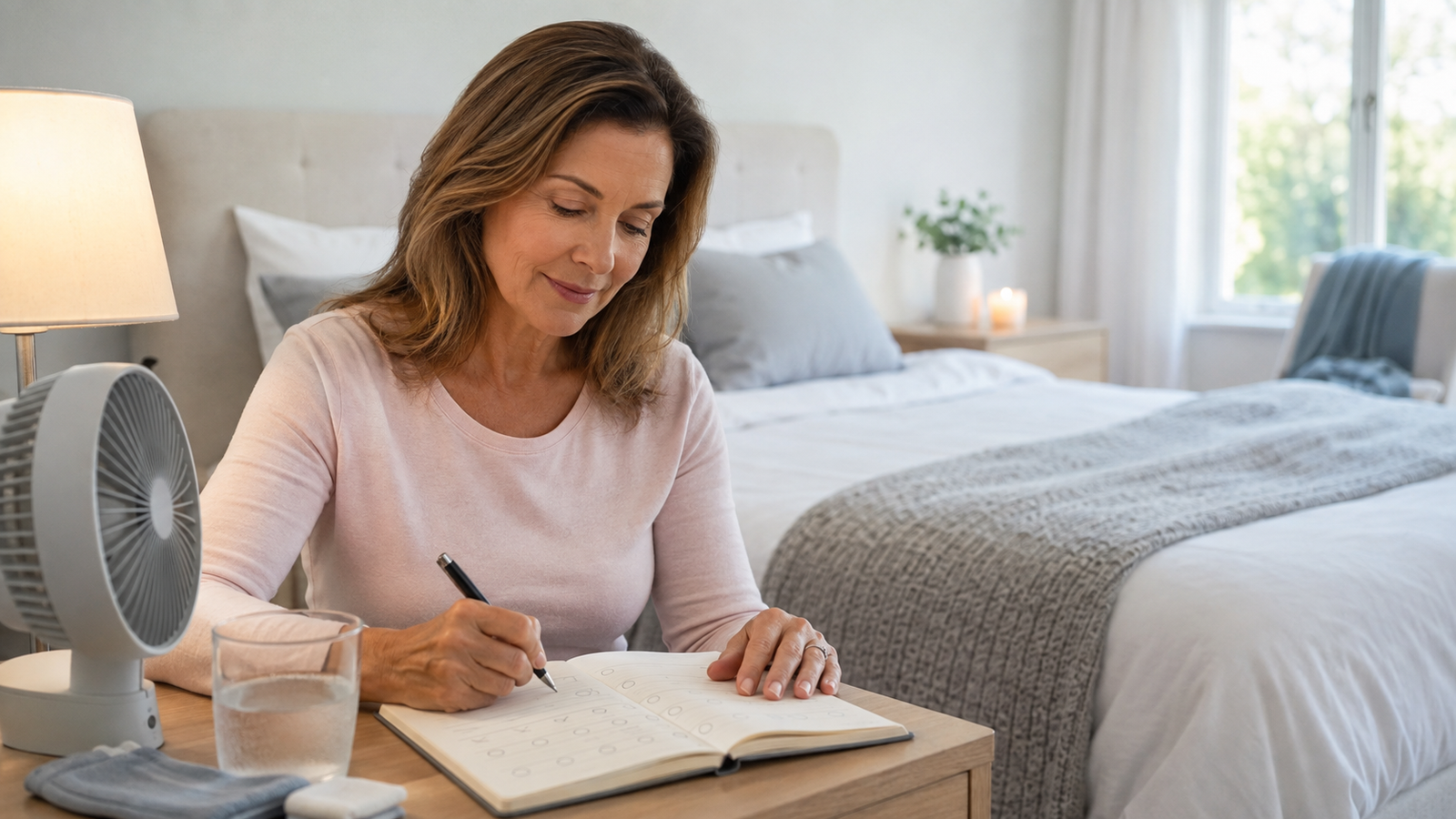
Try recording bedtime, estimated sleep time, wake time, naps, and episode timing for at least two weeks. The pattern is often more informative than any single night.
A regular wake time may gradually stabilize the sleep schedule. However, people working rotating shifts may need individualized advice rather than being told to maintain a routine their job makes impossible. Sleep, inconveniently, has never read the employee handbook.
5. Obstructive Sleep Apnea May Fragment Sleep
Obstructive sleep apnea causes repeated narrowing or closure of the airway during sleep. Each breathing interruption may briefly awaken the brain, even when the person does not remember waking.
Possible nighttime signs include:
- Loud habitual snoring
- Pauses in breathing
- Gasping or choking
- Restless sleep
- Heavy sweating
- Frequent awakenings
- Dry mouth
- Repeated nighttime urination
Morning and daytime symptoms may include:
- Morning headaches
- Unrefreshing sleep
- Difficulty concentrating
- Irritability
- Excessive daytime sleepiness
- Falling asleep unintentionally
- Drowsiness while driving
Sleep apnea risk increases in women after menopause. Hormonal changes, airway function, aging, and changes in body composition may contribute.
Can Menopause Cause Sleep Apnea? explains the symptoms, risk factors, and testing process in greater detail.
Can Sleep Apnea Cause Sleep Paralysis?
Sleep apnea is not necessarily the direct cause of sleep paralysis, but repeated breathing-related arousals may fragment REM sleep and create unstable transitions between dreaming and wakefulness.
Professional assessment is especially important when immobility occurs alongside:
- Loud snoring
- Witnessed breathing pauses
- Choking or gasping
- Severe daytime sleepiness
- Morning headaches
- High blood pressure
- Falling asleep while driving
Sleeping on the side may reduce snoring or positional apnea in some people, but it does not replace appropriate testing or treatment.
6. Medication and Substance Effects May Contribute
During menopause, medicines may be started or changed for insomnia, hot flashes, anxiety, depression, pain, migraine, allergies, or other concerns. Some treatments may alter REM sleep, cause vivid dreams, increase sleep fragmentation, or produce rebound effects when stopped.
Possible contributors may include certain:
- Antidepressants
- Sleep medicines
- Sedatives
- Stimulants
- Antihistamines
- Pain medicines
- Blood-pressure medicines
- Hormonal treatments
- Wake-promoting medicines
This does not mean these medicines commonly cause sleep paralysis or should be avoided. The effect depends on the specific medicine, dose, timing, individual response, and other substances being used.
Review the Timeline
Record:
- Medicine or supplement name
- Dose
- Time taken
- Date treatment began
- Recent dose changes
- Episode onset
- Changes in dreams
- Daytime sleepiness
- Alcohol or cannabis use
Include melatonin, herbal sleep remedies, CBD products, and nonprescription cold or allergy medicines.
Do not abruptly stop antidepressants, sedatives, hormone therapy, or prescribed sleep medicine. Withdrawal and rebound insomnia may worsen sleep disruption and vivid dreaming.
Can Melatonin Cause Sleep Paralysis?
Melatonin is not considered a common direct cause of sleep paralysis. However, it can affect sleep timing and may produce vivid dreams in some people.
If episodes began after starting melatonin:
- Record the product and dose
- Check for additional ingredients
- Note when it is taken
- Track dream intensity
- Review other medicines and supplements
- Discuss continued use with a doctor or pharmacist
A larger dose does not necessarily produce better sleep. Supplements occasionally enjoy reminding us that arithmetic and biology are not the same subject.
Alcohol
Alcohol may initially make someone feel sleepy, but it often fragments sleep later and can worsen:
- Night sweats
- Snoring
- Sleep apnea
- Early awakening
- Confusion
- Medication interactions
- Daytime fatigue
Sleep paralysis may become more likely when alcohol is combined with insufficient sleep, sedating medicine, an irregular schedule, or repeated morning awakenings.
People who drink heavily or regularly should seek medical advice before suddenly stopping because alcohol withdrawal may be dangerous.
Caffeine and Nicotine
Caffeine and nicotine are not established direct causes of sleep paralysis. However, late use may delay sleep and reduce total sleep time.
Caffeine may be present in:
- Coffee
- Tea
- Cola
- Energy drinks
- Chocolate
- Pre-workout products
- Certain headache medicines
Move caffeine earlier if it interferes with sleep. Evening nicotine may also increase alertness and nighttime awakenings.
7. Narcolepsy or Another Sleep Disorder May Be Involved
The question can menopause cause sleep paralysis should not lead someone to assume that every episode is hormonal.
Sleep paralysis may occur independently, but recurrent episodes can also be associated with narcolepsy.
Narcolepsy affects the brain’s regulation of sleep and wakefulness. Possible symptoms include:
- Severe daytime sleepiness
- Unintentional sleep episodes
- Sleep paralysis
- Vivid hallucinations while falling asleep or waking
- Disrupted nighttime sleep
- Automatic behavior during periods of sleepiness
- Sudden muscle weakness triggered by emotion
What Is Cataplexy?
Cataplexy is a sudden loss of muscle tone while a person remains conscious. It may be triggered by laughter, surprise, excitement, anger, or another strong emotion.
It may cause:
- Drooping eyelids
- Jaw weakness
- Head dropping
- Slurred speech
- Buckling knees
- Dropping an object
- Brief collapse
Cataplexy occurs while awake and is different from sleep paralysis, which occurs while falling asleep or waking.
Anyone experiencing severe daytime sleepiness, sleep attacks, or emotion-triggered muscle weakness should seek professional evaluation.
Could It Be Something Other Than Sleep Paralysis?
Several experiences may be confused with sleep paralysis.
REM Sleep Behavior Disorder
REM sleep behavior disorder involves physical dream enactment because the usual REM-related muscle inactivity is reduced or absent.
Behaviors may include:
- Shouting
- Punching
- Kicking
- Grabbing
- Jumping from bed
- Defensive movement
Sleep paralysis causes an inability to move. REM sleep behavior disorder causes excessive movement during dreaming. New adult dream enactment should be medically assessed.
Nocturnal Seizures
Nocturnal seizures may cause:
- Repeated stiffening
- Rhythmic jerking
- Highly similar episodes each night
- Tongue injury
- Loss of bladder control
- Unusual breathing
- Prolonged confusion
- Multiple brief events
Sleep paralysis usually preserves awareness and ends with normal movement returning. Repetitive movements, loss of consciousness, or prolonged confusion require prompt evaluation.
Hypnopompic and Hypnagogic Hallucinations
Dreamlike experiences may occur:
- While falling asleep—hypnagogic hallucinations
- While waking—hypnopompic hallucinations
They may involve seeing a figure, hearing a voice, feeling touched, or sensing movement nearby. They can occur with or without sleep paralysis.
Hallucinations that continue during full daytime wakefulness require separate medical assessment.
What Should You Record in a Sleep-Paralysis Diary?
Record the following for at least two weeks:
| Information | What to note |
|---|---|
| Sleep schedule | Bedtime, estimated sleep time, wake time |
| Episode timing | While falling asleep, overnight, or during morning waking |
| Duration | Estimated seconds or minutes |
| Awareness | Whether you knew you were in the bedroom |
| Movement | What you could and could not move |
| Sensations | Chest pressure, sounds, figures, touch, or presence |
| Sleep position | Back, side, or stomach |
| Menopause symptoms | Hot flashes, sweating, chills, or anxiety |
| Breathing | Snoring, choking, gasping, or witnessed pauses |
| Daytime symptoms | Sleepiness, sleep attacks, or muscle weakness |
| Medicine | Product, dose, timing, and recent changes |
| Substances | Alcohol, caffeine, nicotine, or cannabis |
| Possible triggers | Stress, travel, shift work, naps, or insufficient sleep |
A diary cannot diagnose the cause, but it may reveal whether episodes follow sleep deprivation, back sleeping, night sweats, medication changes, or an irregular schedule.
When Should You Seek Medical Advice?
Arrange an assessment when sleep paralysis:
- Occurs frequently
- Causes intense fear or avoidance of sleep
- Begins suddenly and continues recurring
- Produces significant daytime fatigue
- Occurs with sleep attacks
- Occurs with emotion-triggered muscle weakness
- Accompanies loud snoring or breathing pauses
- Begins after a medication change
- Is difficult to distinguish from seizures or another disorder
- Continues despite sufficient and regular sleep
Seek urgent medical assistance for:
- Persistent difficulty breathing
- Severe or continuing chest pain
- Loss of consciousness
- New weakness or paralysis after the episode ends
- Repeated stiffening or jerking
- Prolonged confusion
- A serious injury
- Symptoms suggesting a stroke or another acute emergency
The practical answer to can menopause cause sleep paralysis remains indirect. Menopause-related insomnia, night sweats, anxiety, irregular sleep, sleep apnea, and treatment changes may increase vulnerability, but recurrent episodes deserve assessment when warning signs are present.
What to Do During Sleep Paralysis
When an episode begins, remind yourself that sleep paralysis is temporary. Breathing continues automatically, and normal movement usually returns within seconds or a few minutes.
Try these steps:
- Recognize the experience: “This is sleep paralysis, and it will pass.”
- Focus on slow, steady breathing rather than forcing a deep breath.
- Try moving one small body part, such as a fingertip, toe, tongue, or eyelid.
- Focus your eyes on one familiar object if they are open.
- Avoid struggling to move your entire body at once.
- Remind yourself that frightening sights or sounds may be dream imagery.
- Let the episode end before sitting or standing suddenly.
Fighting forcefully against the paralysis may intensify panic. A small, deliberate movement can provide a calmer point of focus while REM-related muscle immobility fades.
Can You Stop the Hallucinations?
Sleep-paralysis hallucinations may feel completely real because dream imagery overlaps with awareness of the bedroom.
During an episode:
- Label the image or sensed presence as a REM-related experience.
- Look toward a familiar light, doorway, or piece of furniture.
- Focus on an ordinary sound, such as a fan.
- Repeat a short reassuring phrase mentally.
- Avoid interpreting the experience while still frightened.
- Turn on a soft light after movement returns if needed.
The experience is not evidence that an actual person or supernatural presence is in the room. However, hallucinations that continue after full movement and wakefulness return—or occur during the daytime—require medical evaluation.
What Should a Sleep Partner Do?
Before bedtime, explain what sleep paralysis looks like and agree on how a partner should respond.
A partner may notice:
- Rapid or unusual breathing
- Small eye or facial movements
- Quiet vocal sounds
- An attempt to move a finger or foot
- A frightened expression
- Sudden full movement when the episode ends
If the sleeper has requested assistance, the partner can:
- Speak calmly
- Say the person’s name
- Remind them that they are safe
- Gently touch the hand or shoulder
- Avoid shouting or shaking
- Allow time for orientation afterward
- Record the approximate episode time
Because the person may be unable to speak, consider agreeing on a small signal beforehand, such as repeated blinking or attempting to move one finger.
If breathing does not appear normal, the person remains unresponsive after the expected episode, or another medical emergency is suspected, seek appropriate assistance.
How to Prevent Sleep Paralysis During Menopause
The answer to can menopause cause sleep paralysis is usually indirect, so prevention should focus on stabilizing sleep and reducing the factors that disturb REM–wake transitions.
1. Keep a Consistent Wake Time
Wake at approximately the same time every day, including after a difficult night.
A stable wake time helps regulate the body clock and may reduce the irregular sleep patterns associated with sleep paralysis. Try to:
- Keep weekday and weekend wake times reasonably close
- Adjust schedules gradually rather than abruptly
- Avoid repeatedly pressing the snooze button
- Get morning daylight when practical
- Return to the usual schedule after travel
- Avoid compensating for one poor night by staying in bed all day
Going to bed at exactly the same time is less important than allowing enough sleep and maintaining a reliable morning anchor.
2. Get Sufficient Sleep
Sleep deprivation is a common sleep-paralysis trigger. Most adults need approximately seven to nine hours of sleep, although individual needs differ.
To protect sleep time:
- Set a realistic bedtime range
- Reduce late-evening tasks
- Avoid unnecessary early alarms
- Share nighttime responsibilities when possible
- Address pain, restless legs, or night sweats
- Seek treatment for persistent insomnia
- Avoid driving when severely sleepy
Do not simply remain in bed longer when you are unable to sleep. Chronic insomnia may require structured treatment rather than additional hours spent awake under the duvet, negotiating unsuccessfully with the ceiling.
3. Manage Hot Flashes and Night Sweats
Reducing temperature-related awakenings may improve sleep continuity.
Consider:
- Keeping the bedroom comfortably cool
- Using breathable sleepwear
- Choosing lightweight, layered bedding
- Running a quiet fan
- Keeping dry clothing nearby
- Using moisture-wicking sheets when helpful
- Avoiding excessively heavy bedding
- Discussing frequent or severe symptoms with a clinician
For additional guidance, What Is the Best Temperature for Sleep? explains how temperature, humidity, airflow, bedding, and personal comfort influence sleep.
Cooling measures may reduce awakenings, but they will not treat narcolepsy, sleep apnea, or another underlying sleep disorder.
4. Experiment With Side Sleeping
Sleep paralysis is often reported while sleeping on the back. If your diary shows a consistent pattern, try side sleeping.
Helpful options include:
- Starting the night on your side
- Placing a pillow behind your back
- Using a body pillow
- Choosing a pillow that keeps the neck comfortable
- Returning to the side after nighttime awakenings
- Recording whether the change affects episodes
Avoid uncomfortable devices that restrict movement or create a trapping hazard.
Side sleeping may also reduce positional snoring or obstructive sleep apnea in some people, but it is not a substitute for testing when breathing pauses, choking, or severe daytime sleepiness are present.
5. Limit Long and Irregular Naps
Naps may be useful after occasional sleep loss, but long or late naps can delay bedtime and destabilize the sleep schedule.
If naps appear to trigger episodes:
- Keep them brief
- Nap earlier in the day
- Avoid returning to bed repeatedly in the morning
- Record the timing and duration
- Compare nap days with non-nap days
- Prioritize adequate nighttime sleep
People with shift work, narcolepsy, or another diagnosed sleep disorder may need a personalized nap plan.
6. Build a Short Wind-Down Routine
A predictable routine may reduce bedtime anxiety and make sleep timing more consistent.
During the final 30–60 minutes before bed, try:
- Dimming bright lights
- Ending demanding work
- Writing down unfinished tasks
- Practicing slow breathing
- Reading something calming
- Listening to quiet music
- Taking a lukewarm shower
- Performing gentle stretches
- Preparing cooling items for night sweats
Keep the routine manageable. If preparing for sleep starts to resemble organizing an international summit, simplify it.
7. Reduce Fear of Another Episode
Fear can delay sleep and perpetuate the sleep-deprivation cycle.
After an episode:
- Sit up only after movement returns.
- Turn on a low light if necessary.
- Reorient yourself to the room.
- Take several slow breaths.
- Write down the episode briefly.
- Avoid searching frightening explanations online in the middle of the night.
- Return to bed when calm and sleepy.
If you remain awake, How to Fall Back Asleep After Waking Up offers practical ways to reduce frustration and return to sleep.
Frequent episodes causing strong bedtime fear may benefit from cognitive behavioral therapy, counseling, or evaluation by a sleep professional.
8. Review Alcohol, Caffeine, and Nicotine
Alcohol may initially cause drowsiness but fragment sleep later, worsen snoring, and increase repeated awakenings.
Try:
- Comparing alcohol-free nights with drinking nights
- Avoiding alcohol close to bedtime
- Never combining alcohol with sedating medication unless specifically approved
- Moving caffeine earlier
- Checking energy drinks and headache medicines for caffeine
- Avoiding evening nicotine when it disrupts sleep
- Recording substance timing in the diary
People who drink heavily should not stop abruptly without medical guidance because withdrawal can be dangerous.
9. Review Medicines and Supplements
Prepare a list containing:
- Prescription medicines
- Nonprescription sleep products
- Antidepressants
- Antihistamines
- Pain medicines
- Hormone therapy
- Melatonin
- Herbal products
- CBD or cannabis products
- Alcohol use
Include the dose, timing, recent changes, and when sleep paralysis began.
Do not abruptly stop prescribed medication. A doctor or pharmacist can determine whether timing, interactions, withdrawal, or an individual reaction may be disrupting sleep.
10. Treat Persistent Insomnia
When insomnia repeatedly reduces sleep, improving sleep hygiene alone may not be enough.
Cognitive behavioral therapy for insomnia, or CBT-I, can help by:
- Establishing a stable sleep schedule
- Reducing excessive time awake in bed
- Strengthening the association between bed and sleep
- Addressing anxiety about poor sleep
- Planning responses to difficult nights
- Using relaxation techniques strategically
A clinician can adapt CBT-I around night sweats, menopause symptoms, pain, mood concerns, and other medical conditions.
11. Arrange Assessment for Sleep Apnea
Ask a healthcare professional about sleep-apnea testing when episodes occur alongside:
- Loud habitual snoring
- Witnessed breathing pauses
- Gasping or choking
- Morning headaches
- Dry mouth
- Frequent nighttime urination
- High blood pressure
- Unrefreshing sleep
- Severe daytime sleepiness
- Drowsiness while driving
A home sleep-apnea test or overnight sleep study may be recommended. Treating breathing-related sleep fragmentation may help when it contributes to unstable REM transitions.
Can Menopause Treatment Prevent Sleep Paralysis?
Menopause treatment is not a specific treatment for sleep paralysis. However, it may indirectly reduce episodes when hot flashes, night sweats, anxiety, or insomnia are important triggers.
Depending on individual circumstances, a healthcare professional may discuss:
- Lifestyle adjustments
- Menopausal hormone therapy
- Nonhormonal treatment for hot flashes
- CBT-I
- Mental-health support
- Sleep-apnea testing
- Medication adjustments
- Referral to a sleep specialist
The benefits and risks of hormone therapy depend on age, medical history, symptom severity, timing, and the treatment being considered.
If narcolepsy, sleep apnea, medication effects, substance use, or another disorder is responsible, treating menopause symptoms alone may not resolve the episodes.
Is There Medication for Sleep Paralysis?
Occasional isolated sleep paralysis usually does not require medication.
When episodes are frequent or severe, treatment typically begins by addressing:
- Sleep deprivation
- Irregular sleep timing
- Insomnia
- Anxiety
- Sleep apnea
- Medication or substance effects
- Narcolepsy
A sleep specialist may sometimes consider medication that affects REM sleep, particularly when sleep paralysis is associated with narcolepsy. The decision depends on diagnosis, episode severity, other symptoms, and potential side effects.
Do not self-treat sleep paralysis with prescription medicines, sedatives, or unverified supplements.
A Two-Week Prevention Plan
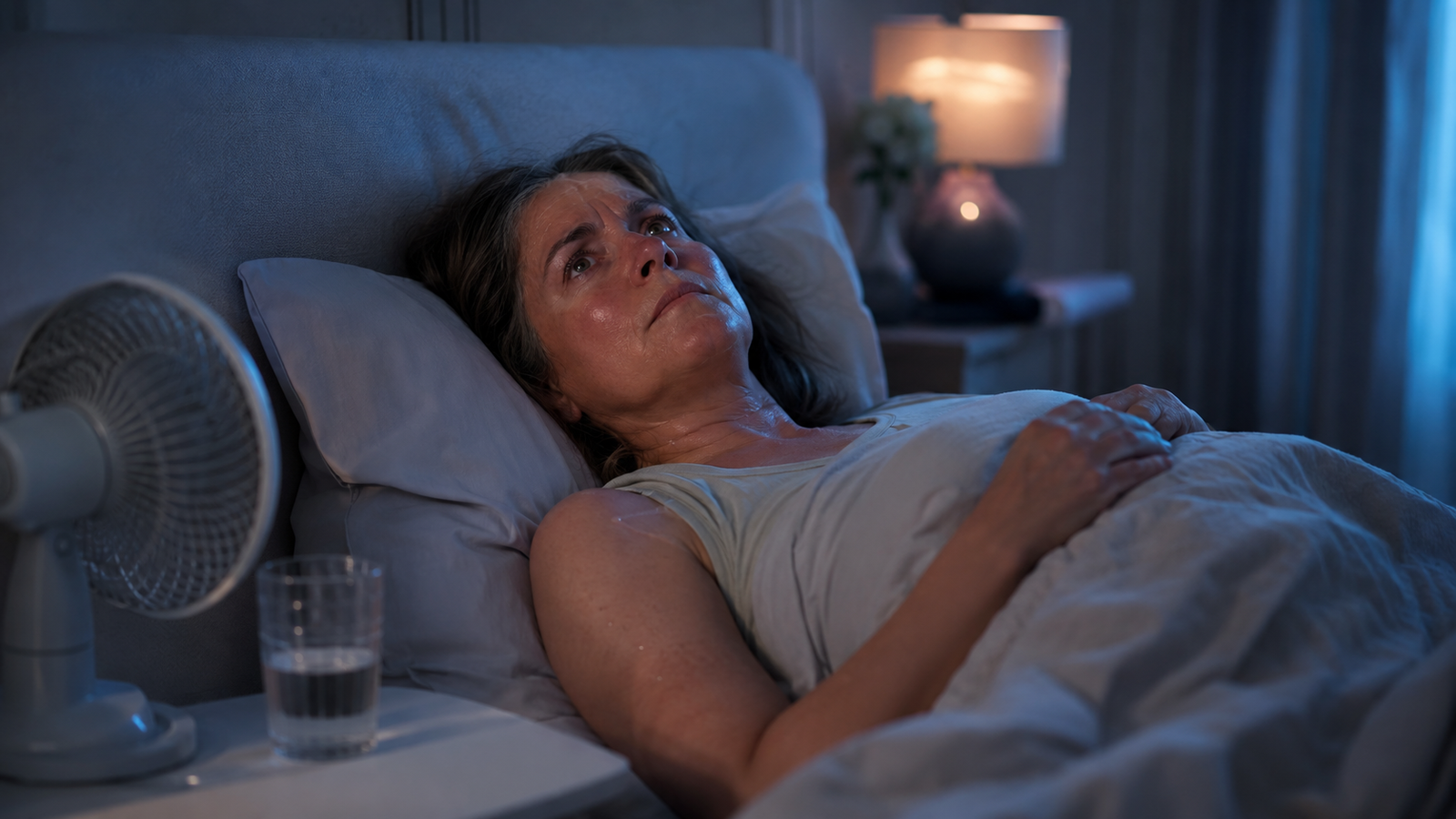
Days 1–3
- Begin a sleep-paralysis diary.
- Establish a consistent wake time.
- Record sleep position and episode timing.
- List all medicines and supplements.
- Ask a partner to observe breathing.
- Identify immediate sleep-loss triggers.
Days 4–7
- Allow sufficient sleep time.
- Move caffeine earlier.
- Avoid evening alcohol.
- Try side sleeping.
- Improve bedroom temperature comfort.
- Begin a brief wind-down routine.
Days 8–14
- Continue the regular wake time.
- Compare episodes with sleep duration and position.
- Review the role of naps and morning sleep.
- Note snoring, gasping, and daytime sleepiness.
- Compare episodes with hot flashes and anxiety.
- Arrange an assessment if warning signs remain.
Change only a few factors at a time when possible. This makes it easier to identify what actually helped.
When Should You See a Sleep Specialist?
Arrange professional evaluation when sleep paralysis:
- Occurs repeatedly
- Prevents you from wanting to sleep
- Continues despite sufficient and regular sleep
- Produces severe daytime fatigue
- Occurs with sleep attacks
- Accompanies emotion-triggered muscle weakness
- Occurs with vivid hallucinations throughout the day
- Begins after a medication change
- Occurs with loud snoring or breathing pauses
- Is difficult to distinguish from seizures or another disorder
An evaluation may include:
- A detailed sleep history
- A two-week sleep diary
- Medication and substance review
- Assessment of menopause symptoms
- Sleepiness questionnaires
- Sleep-apnea testing
- Overnight polysomnography
- A multiple sleep latency test when narcolepsy is suspected
What Not to Do
Avoid:
- Assuming every episode is directly caused by menopause
- Fighting the paralysis with full-body force
- Interpreting dream imagery as a real intruder
- Intentionally reducing sleep to avoid REM sleep
- Using alcohol as a sleep aid
- Abruptly stopping prescribed medication
- Ignoring loud snoring or breathing pauses
- Driving while severely sleepy
- Dismissing sudden muscle weakness while awake
- Relying only on supplements for recurring episodes
The practical answer to can menopause cause sleep paralysis remains nuanced. Menopause-related sleep disruption may increase vulnerability, but consistent sleep, trigger tracking, appropriate symptom treatment, and evaluation of warning signs offer the most useful path forward.
Frequently Asked Questions
Can menopause cause sleep paralysis?
Can menopause cause sleep paralysis? Menopause is not established as a direct cause. However, hot flashes, night sweats, insomnia, anxiety, irregular sleep schedules, sleep apnea, and medication changes may disrupt REM sleep and indirectly increase the likelihood of an episode.
Is sleep paralysis a common menopause symptom?
No. Sleep paralysis is not considered a typical menopause symptom. Hot flashes, night sweats, insomnia, mood changes, and sleep apnea are more commonly associated with menopause. Recurring episodes may have another underlying cause.
Is sleep paralysis dangerous?
Occasional isolated sleep paralysis is generally temporary and harmless. Seek medical advice if episodes are frequent, cause severe distress, occur with extreme daytime sleepiness, breathing pauses, sleep attacks, or sudden muscle weakness while awake.
How long does sleep paralysis last?
Most episodes last several seconds to a few minutes. Movement and speech return when REM-related muscle inactivity ends. Symptoms that persist after full awakening should not automatically be attributed to sleep paralysis.
Can you breathe during sleep paralysis?
Yes. Automatic breathing continues, although chest pressure, REM-related breathing changes, and panic may make breathing feel restricted. Persistent chest pain or serious breathing difficulty after movement returns requires medical attention.
Why do I see someone in the room during sleep paralysis?
Dream imagery can briefly overlap with awareness of the bedroom during the transition from REM sleep to wakefulness. This may create vivid sights, sounds, touch sensations, or a feeling that another person is present.
Does sleeping on your back cause sleep paralysis?
Back sleeping is associated with more reports of sleep paralysis, but it is unlikely to be the only cause. Try side sleeping if episodes consistently occur on your back. Snoring, choking, or breathing pauses may also indicate sleep apnea.
Can anxiety cause sleep paralysis?
Anxiety may contribute indirectly by delaying sleep, increasing awakenings, shortening total sleep time, and creating an irregular schedule. Fear of another episode can also perpetuate a cycle of insomnia and sleep deprivation.
Can melatonin cause sleep paralysis?
Melatonin is not considered a common direct cause. However, it may alter sleep timing or produce vivid dreams in some people. If episodes began after starting melatonin, record the dose and timing and consult a doctor or pharmacist.
Can hormone therapy stop sleep paralysis?
Hormone therapy is not a specific treatment for sleep paralysis. It may indirectly improve episodes if hot flashes and night sweats are causing severe sleep disruption, but it will not treat narcolepsy, sleep apnea, or another underlying disorder.
How can I stop sleep paralysis immediately?
You cannot always end it instantly, but you can reduce panic by:
- Reminding yourself that the episode is temporary
- Focusing on slow, steady breathing
- Trying to move one finger, toe, eyelid, or the tongue
- Looking toward a familiar object
- Recognizing hallucinations as dream imagery
- Avoiding forceful full-body struggling
When should I see a doctor about sleep paralysis?
Arrange an assessment when episodes recur, cause fear of sleeping, produce severe daytime fatigue, begin after a medication change, or occur alongside loud snoring, breathing pauses, sleep attacks, hallucinations while fully awake, or emotion-triggered muscle weakness.
Final Thoughts
Can menopause cause sleep paralysis? Current evidence does not establish menopause as a direct cause. The menopausal transition may nevertheless increase vulnerability through night sweats, insomnia, anxiety, sleep deprivation, irregular sleep schedules, sleep apnea, and treatment changes.
Start by keeping a consistent wake time, allowing sufficient sleep, managing temperature-related awakenings, limiting evening alcohol, moving caffeine earlier, and tracking episodes for two weeks. If episodes occur mainly while sleeping on your back, side sleeping may also be worth trying.
During an episode, remember that breathing continues and movement should return shortly. Focus on one small movement and label frightening sights or sensations as temporary REM-related dream imagery.
Do not assume every episode is hormonal. Recurrent sleep paralysis accompanied by severe daytime sleepiness, sleep attacks, cataplexy, loud snoring, breathing pauses, seizures, prolonged confusion, or symptoms during full wakefulness requires professional evaluation.
Menopause may disturb sleep enough to open the door, but it does not necessarily deserve credit for every strange visitor that walks through it.
Medical disclaimer: This article provides general educational information and does not replace professional diagnosis or individualized medical care. Consult a qualified healthcare professional before changing medication, supplements, hormone therapy, or treatment for a sleep disorder.
Internal Links
- Can Menopause Cause Night Terrors?
- Can Menopause Cause Sleepwalking?
- Why Can’t I Sleep During Menopause?
- Does Perimenopause Cause Insomnia?
- How to Calm Anxiety at Night
- Can Menopause Cause Sleep Apnea?
- What Is the Best Temperature for Sleep?
- How to Fall Back Asleep After Waking Up