Why Does Menopause Cause Night Sweats? 7 Key Reasons
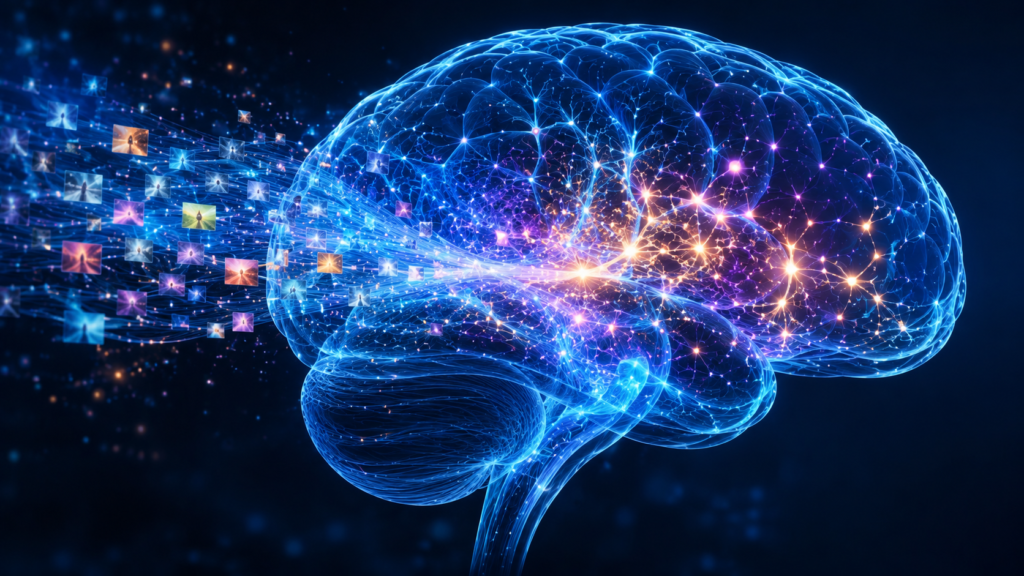
Why does menopause cause night sweats? Changing estrogen levels can make the brain’s temperature-control center more sensitive to small changes in body temperature, triggering sudden heat, sweating, chills, and nighttime awakenings.
Night sweats are among the most common vasomotor symptoms of perimenopause and menopause. They are essentially hot flashes that occur during sleep, although their intensity varies considerably.
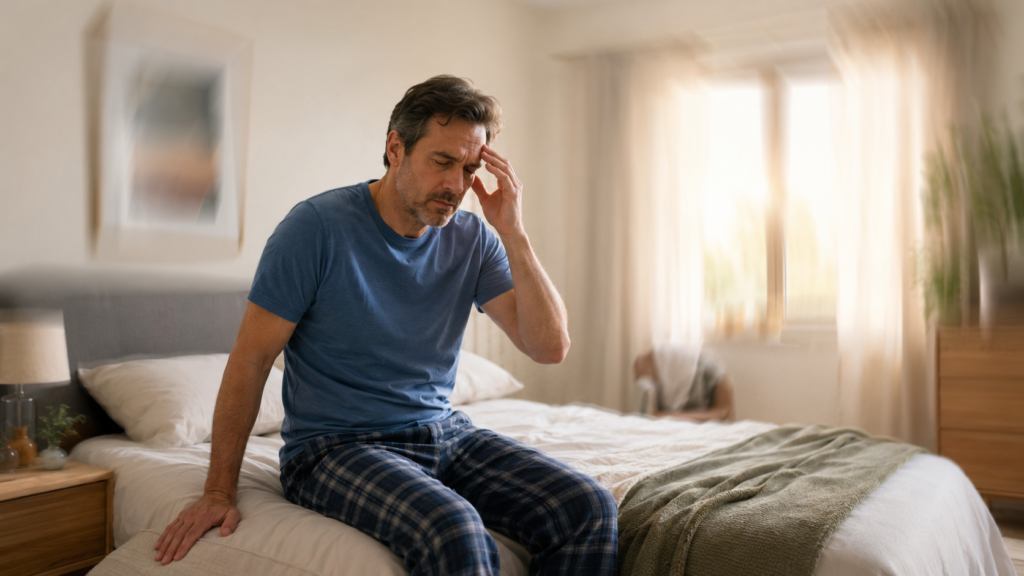
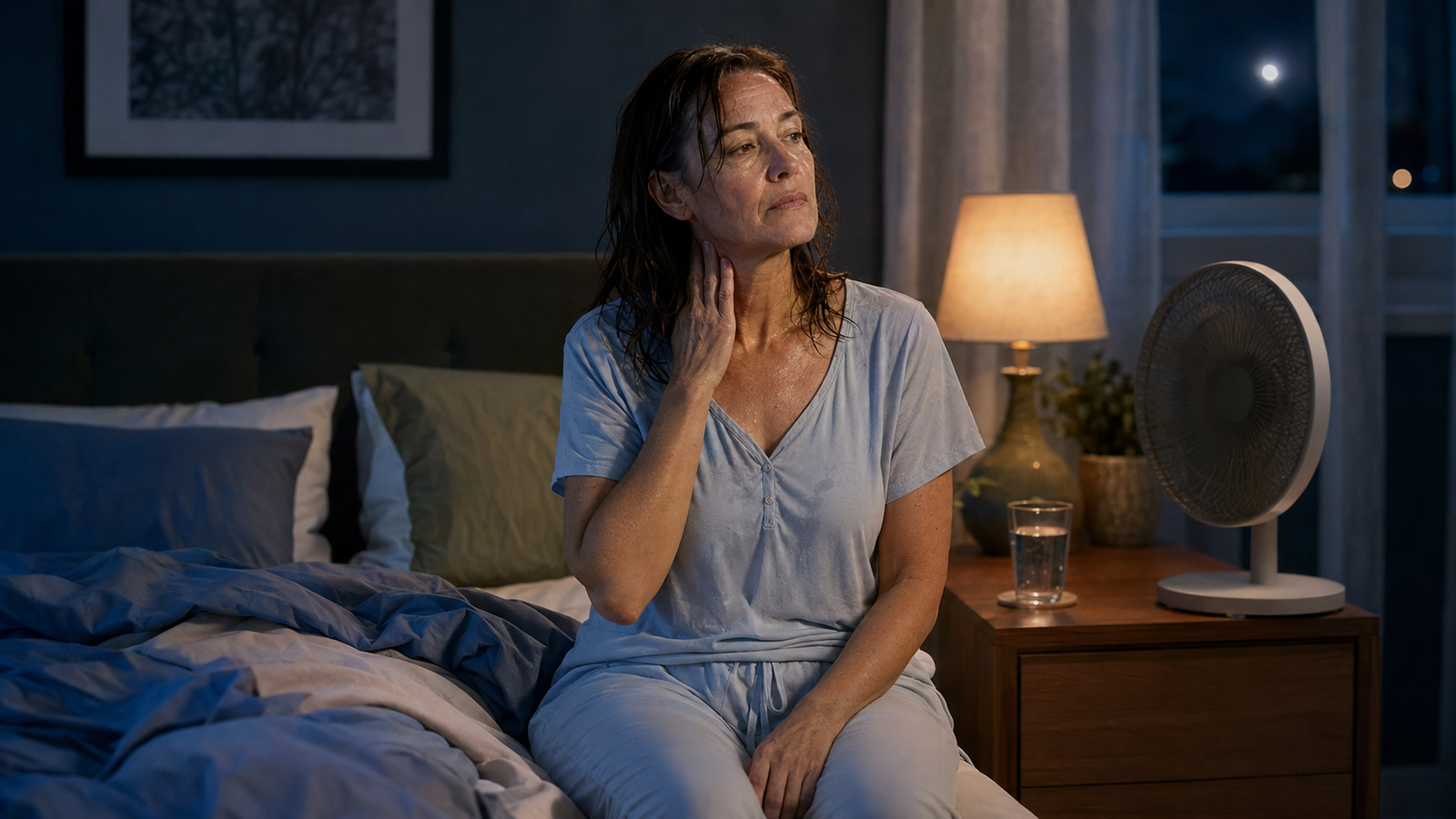
Some women experience mild warmth around the face and chest. Others wake with damp sleepwear, soaked sheets, a racing heartbeat, or chills after the sweating stops.
This article explains:
- Why hormonal changes affect temperature control
- How the brain’s thermoneutral zone changes
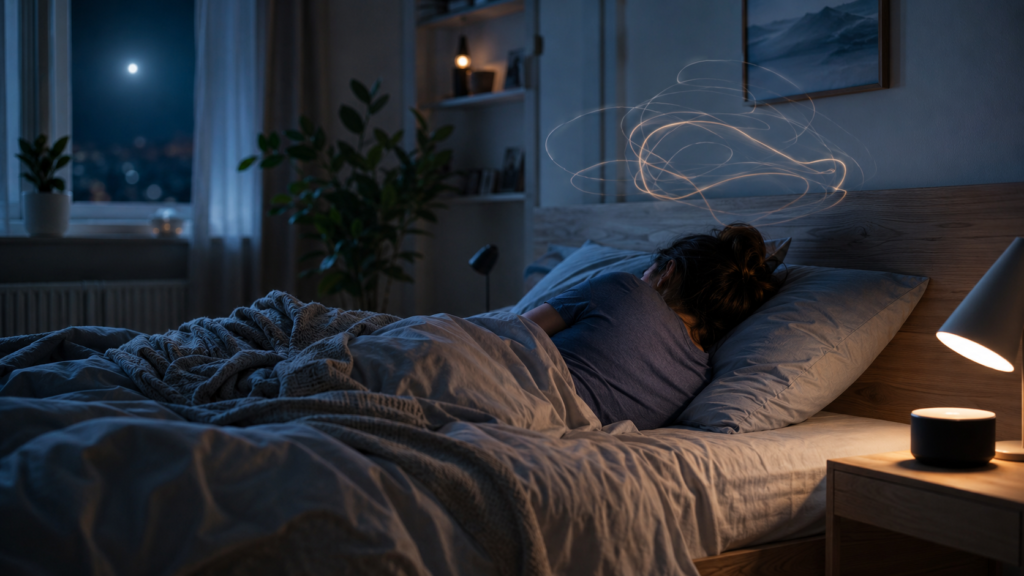
- Why night sweats frequently interrupt sleep
- Common triggers that intensify symptoms
- Other medical causes that should be considered
- Practical ways to stay cooler at night
- Hormonal and nonhormonal treatment options
Quick Answer
Menopause-related night sweats occur primarily because changing hormone levels affect the hypothalamus, the part of the brain that helps regulate body temperature.
During the menopausal transition, the body may react strongly to a temperature change that would previously have gone unnoticed. It begins cooling itself through:
- Widening blood vessels near the skin
- Increasing blood flow to the face, neck, and chest
- Producing perspiration
- Increasing heart rate
- Creating a sudden sensation of heat
Once the heat episode passes, sweating may leave the person feeling cold or shivery.
The Mayo Clinic’s explanation of hot flashes notes that lower estrogen levels appear to make the hypothalamus more sensitive to slight changes in body temperature. The precise biological process is still being studied.
What Are Menopause Night Sweats?
Menopause night sweats are episodes of excessive sweating related to nighttime hot flashes. Medical professionals often refer to hot flashes and night sweats together as vasomotor symptoms.
A typical episode may include:
- Sudden warmth in the face, neck, or chest
- Skin flushing
- Perspiration across the upper body
- A rapid or noticeable heartbeat
- Anxiety or a sense of unease
- Damp sleepwear or bedding
- Chills after the episode
- Difficulty falling back asleep
An episode may last only a few minutes, but the resulting wakefulness can continue much longer. Changing clothes, replacing bedding, drinking water, or waiting to cool down can make the brain increasingly alert.
The NHS explains that menopause-related hot flashes can cause sudden heat or cold, sweating, palpitations, anxiety, or dizziness and may occur during either the day or night. NHS – Menopause and Perimenopause Symptoms
Night Sweats vs. Sleeping in a Hot Room
Sweating because the bedroom is warm does not necessarily indicate a menopausal night sweat.
| Feature | Menopause night sweat | Environmental overheating |
|---|---|---|
| Onset | Often sudden | Usually develops gradually |
| Heat sensation | May surge through the upper body | More evenly distributed |
| Flushing | Common | Less typical |
| Palpitations | May occur | Uncommon |
| Chills afterward | Possible | Less common |
| Room temperature | Can occur in a cool room | Usually linked to excessive warmth |
| Pattern | May recur unpredictably | Improves when the room or bedding is cooled |
The NHS describes clinically significant night sweats as sweating that soaks nightclothes or bedding even though the sleeping environment is cool. NHS – Night Sweats
A warm mattress, heavy comforter, synthetic pajamas, high humidity, or poor airflow can still intensify a hormonally triggered episode. What Is the Best Temperature for Sleep? explains how bedroom temperature and bedding affect nighttime comfort.
Why Does Menopause Cause Night Sweats?
Menopause does not simply make the body permanently hotter. The central problem appears to involve increasingly sensitive temperature regulation.
1. Estrogen Levels Become Unstable
During perimenopause, estrogen does not always decline smoothly. Levels may rise and fall unpredictably before remaining consistently lower after menopause.
These fluctuations influence several systems involved in:
- Temperature regulation
- Sleep
- Mood
- Blood-vessel activity
- Heart rate
- Stress responses
The hypothalamus receives information from the skin, blood, hormones, and nervous system. When hormonal changes affect this regulatory network, the brain may interpret a small increase in core temperature as overheating.
The body then launches an outsized cooling response. Blood vessels widen, the skin becomes warm or flushed, and sweat production increases.
2. The Thermoneutral Zone Becomes Narrower
The thermoneutral zone is the small temperature range in which the body does not need to sweat or shiver.
Before the menopausal transition, a modest temperature change may remain comfortably within this range. During menopause, the range may become narrower.
This means:
- A small rise may trigger sweating.
- A small drop may trigger chills.
- Ordinary changes under bedding may feel extreme.
- Emotional stress or a hot drink may initiate an episode.
- Moving between warm and cool conditions may feel more disruptive.
The thermostat has not necessarily broken; it has become rather dramatic about tiny adjustments.
3. Brain Signaling Changes
Researchers have studied how declining estrogen affects chemical messengers involved in temperature control. These include norepinephrine, serotonin, and neurokinin B pathways.
Changes in these signaling systems may help explain why:
- Episodes begin suddenly
- Sweating can be intense
- Palpitations sometimes occur
- Stress may trigger symptoms
- Certain nonhormonal medicines can provide relief
The process is neurological as well as hormonal. This is why simply using thinner bedding may help with comfort without completely preventing every episode.
Why Are Night Sweats Common During Perimenopause?
Night sweats can begin before menstrual periods stop completely.
Perimenopause is the transitional stage leading to menopause. During this time, periods may become:
- More or less frequent
- Heavier or lighter
- Shorter or longer
- Unpredictable
- Absent for several months before returning
Hormone fluctuations can be especially irregular during this stage, so vasomotor symptoms may come and go. Someone may have frequent night sweats for several weeks, experience a quiet period, and then notice them again.
Other sleep difficulties can occur at the same time, including anxiety, early waking, and difficulty returning to sleep. Does Perimenopause Cause Insomnia? explains how these symptoms may overlap.
Can Night Sweats Continue After Menopause?
Yes. Night sweats do not necessarily stop immediately after the final menstrual period.
Menopause is confirmed after 12 consecutive months without menstruation when no other cause explains the change. Symptoms may continue into postmenopause, and their duration differs substantially among individuals.
According to the NHS, menopause and perimenopause symptoms commonly continue for several years and sometimes last longer. Their type and intensity may also change over time.
Persistent symptoms do not automatically mean something dangerous is occurring. However, new or worsening sweating should not always be attributed to menopause—especially when accompanied by fever, unexplained weight loss, cough, diarrhea, swollen lymph nodes, or other new symptoms.
How Do Night Sweats Disrupt Sleep?
A night sweat can disturb sleep in several stages:
- A temperature change triggers a hot flash.
- Heat, sweating, or palpitations cause awakening.
- Damp clothing and bedding create discomfort.
- Cooling produces chills.
- Changing clothes or sheets increases alertness.
- Worry about another episode makes relaxation harder.
- Repeated episodes reduce total sleep time.
This pattern may lead to:
- Morning fatigue
- Irritability
- Poor concentration
- Headaches
- Reduced work performance
- Anxiety about bedtime
- Increased sensitivity to stress
- Daytime sleepiness
Someone may also wake for another reason—such as noise, pain, or sleep apnea—and notice sweating only afterward. Determining which symptom occurred first can therefore be difficult.
If repeated awakenings are the main problem, How to Fall Back Asleep After Waking Up provides practical ways to avoid becoming fully alert during the night.
Are Night Sweats the Only Cause of Menopause Insomnia?
No. Menopause-related sleep problems may occur even without sweating.
Other possible contributors include:
- Anxiety or depression
- Changes in circadian rhythm
- Joint and muscle discomfort
- Frequent nighttime urination
- Restless legs syndrome
- Medication effects
- Snoring or sleep apnea
- Caregiving and work stress
- Caffeine or alcohol
- An inconsistent sleep schedule
Some women do not remember waking during a hot flash, yet still experience fragmented sleep. Others remain awake long after the temperature episode ends because their thoughts become active.
Why Can’t I Sleep During Menopause? examines these overlapping causes in more detail.
Could Sleep Apnea Be Mistaken for Night Sweats?
Sleep apnea can sometimes cause nighttime sweating and becomes more common after menopause. It should be considered when sweating occurs with:
- Loud habitual snoring
- Witnessed breathing pauses
- Gasping or choking during sleep
- Morning headaches
- Dry mouth
- Frequent nighttime urination
- Unrefreshing sleep
- Significant daytime sleepiness
Menopause-related night sweats and sleep apnea can also occur together. Sweating alone cannot distinguish between them.
Can Menopause Cause Sleep Apnea? explains the warning signs and when a sleep assessment may be appropriate.
4. Alcohol Can Intensify Night Sweats
Alcohol may initially create a relaxed or sleepy feeling, but it can interfere with temperature regulation and fragment sleep later in the night.
It may worsen sweating by:
- Widening blood vessels near the skin
- Increasing sensations of warmth
- Raising heart rate
- Disrupting normal sleep stages
- Increasing nighttime awakenings
- Triggering dehydration
- Aggravating snoring or sleep apnea
Alcohol can also make it harder to determine what caused an awakening. Someone may wake feeling hot because of a vasomotor episode, alcohol-related sleep disruption, or both.
Try recording the type, amount, and timing of alcohol for two weeks. If symptoms are frequent, reduce evening alcohol and compare the results.
People who drink heavily or regularly should not stop suddenly without medical guidance because alcohol withdrawal can be dangerous.
5. Caffeine, Spicy Food, and Hot Drinks May Trigger Episodes
These do not cause menopause, but they may provoke or intensify symptoms in susceptible individuals.
Caffeine
Caffeine stimulates the nervous system and may contribute to:
- Increased heart rate
- Greater alertness
- Anxiety or jitteriness
- Difficulty returning to sleep
- Stronger awareness of temperature changes
Common sources include:
- Coffee
- Black and green tea
- Energy drinks
- Cola
- Chocolate
- Pre-workout products
- Certain headache medicines
Caffeine remains in the body for several hours. Moving it earlier in the day may be more practical than eliminating it immediately.
Spicy Food
Capsaicin, the compound responsible for heat in chili peppers, can increase warmth and sweating. Spicy evening meals may therefore trigger symptoms in some women.
Possible triggers include:
- Hot peppers
- Spicy curries
- Chili sauces
- Strongly seasoned soups
- Very hot-temperature meals
Not everyone needs to avoid spicy food. Look for a repeated connection before restricting it unnecessarily.
Hot Drinks
A steaming drink shortly before bed raises warmth around the mouth, face, and upper body. For someone with a narrow thermoneutral zone, this small change may be enough to initiate sweating.
If a warm bedtime drink appears helpful for relaxation but worsens night sweats, try serving it lukewarm rather than very hot.
6. Stress and Anxiety Can Activate the Same Body Systems
Stress does not mean night sweats are imaginary. Emotional stress activates the sympathetic nervous system, which influences heart rate, blood vessels, and perspiration.
A stressful evening may produce:
- A racing heartbeat
- Facial warmth
- Shallow breathing
- Muscle tension
- Increased sweating
- Difficulty settling down
- Greater sensitivity to physical sensations
Anxiety may also make returning to sleep harder after an episode. The person begins wondering when the next sweat will occur, checks the time repeatedly, or worries about functioning the following day.
How to Calm Anxiety at Night provides practical techniques for reducing nighttime mental and physical arousal.
A Brief Calming Routine
When an episode ends:
- Remove or loosen one bedding layer.
- Take several slow breaths.
- Sip a small amount of cool water.
- Replace only clothing that is genuinely uncomfortable.
- Keep the lighting dim.
- Avoid checking messages or social media.
- Return to bed once the chills settle.
Trying too hard to force sleep may increase tension. The goal is to create quiet conditions in which sleep can return naturally.
7. The Sleep Environment May Amplify Hormonal Sweating
A cool bedroom cannot completely prevent vasomotor symptoms, but an overheated environment can make them more intense.
Common environmental contributors include:
- Heavy duvets
- Memory-foam mattresses that retain heat
- Synthetic sleepwear
- Nonbreathable mattress protectors
- High humidity
- Poor airflow
- A warm partner or pet
- Heated blankets
- Late-evening cooking heat
- Direct afternoon sunlight warming the room
Bedding and Sleepwear
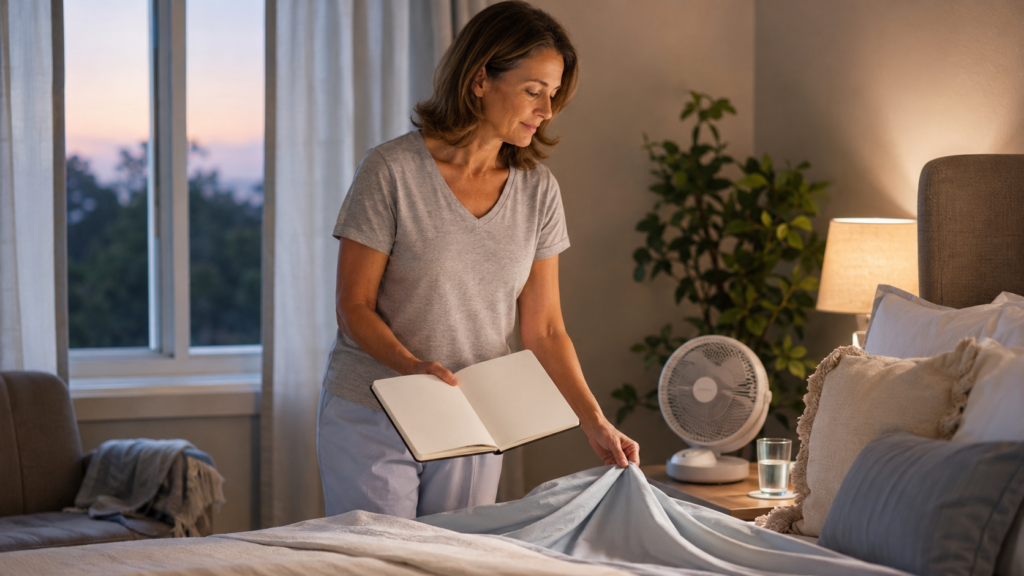
Choose layers that can be removed individually rather than relying on one heavy comforter.
Breathable options may include:
- Cotton
- Linen
- Moisture-wicking sleepwear
- Lightweight wool
- Separate blankets for each partner
The label “cooling” does not guarantee that a product will work for everyone. Fabric construction, mattress materials, humidity, and personal comfort all matter.
Bedroom Temperature
There is no single perfect bedroom temperature for every person. The room should feel comfortably cool without causing prolonged shivering.
Helpful adjustments include:
- Using a fan for air circulation
- Opening a window when safe
- Closing curtains before afternoon heat enters
- Using lighter bedding
- Keeping spare sleepwear nearby
- Placing cool water beside the bed
- Managing indoor humidity
- Using separate bedding from a warmer partner
Making the room extremely cold may backfire if sweating is followed by intense chills. The objective is steady comfort, not turning the bedroom into a refrigerated vegetable drawer.
Understanding why does menopause cause night sweats can make it easier to identify personal triggers and choose an appropriate treatment.
Additional Factors That May Worsen Night Sweats
Symptoms may also become more noticeable with:
- Smoking or nicotine use
- Strenuous exercise immediately before bed
- Large late-night meals
- Dehydration
- Fever
- Warm weather
- Significant weight changes
- Certain medicines
- Sleep deprivation
- Irregular sleep schedules
Change one or two variables at a time. If everything changes simultaneously, it becomes difficult to identify what actually helped.
Could Medicine Be Causing the Sweating?
Some medicines can cause or aggravate nighttime sweating.
Possible examples include certain:
- Antidepressants
- Hormonal medicines
- Fever-reducing medicines
- Diabetes medicines
- Pain medicines
- Steroids
- Thyroid medicines
- Medicines used in cancer treatment
- Drugs affecting the nervous system
The Mayo Clinic overview of night-sweat causes lists antidepressants, hormone therapy, methadone, and medicines that lower blood sugar among possible medication-related causes.
Record:
- Medicine name
- Dose
- Time taken
- Date treatment began
- Recent dose changes
- When sweating started
- Other new symptoms
Do not stop prescription medicine abruptly. A healthcare professional can determine whether the timing suggests a side effect and whether another treatment is appropriate.
When asking why does menopause cause night sweats, it is important to consider both hormonal changes and the sleeping environment.
What Other Conditions Can Cause Night Sweats?
The question why does menopause cause night sweats should not lead to assuming that every episode after age 40 is hormonal.
Other possible causes include:
- Anxiety disorders
- Overactive thyroid
- Low blood sugar
- Sleep apnea
- Infections
- Medication side effects
- Alcohol or drug withdrawal
- Gastroesophageal reflux
- Neurological disorders
- Certain cancers
- Other hormonal conditions
Most night sweats are not caused by cancer. However, persistent drenching sweats accompanied by other concerning symptoms require medical assessment.
Overactive Thyroid
Hyperthyroidism can increase metabolism and heat production.
Possible signs include:
- Heat intolerance
- Excessive sweating during the day and night
- Rapid or irregular heartbeat
- Trembling hands
- Unexplained weight loss
- Frequent bowel movements
- Anxiety
- Muscle weakness
- Difficulty sleeping
Blood tests can assess thyroid function.
Low Blood Sugar
Nighttime hypoglycemia may cause:
- Sweating
- Shaking
- Hunger
- Palpitations
- Nightmares
- Confusion
- Morning headache
This is particularly important for people taking insulin or certain diabetes medicines. Recurrent suspected low blood sugar needs prompt medical review.
Infection
Infections may cause night sweats through fever and immune-system activity. Clues may include:
- Fever or chills
- Persistent cough
- Diarrhea
- Pain
- Unusual fatigue
- Swollen lymph nodes
- Recent travel or exposure
- Symptoms that occur during the day as well
Sleep Apnea
Sweating associated with loud snoring, gasping, breathing pauses, morning headaches, or severe daytime sleepiness may warrant evaluation for sleep apnea rather than being attributed solely to menopause.
When Should Night Sweats Be Medically Evaluated?
Arrange a healthcare appointment when night sweats:
- Regularly wake you
- Soak clothing or bedding
- Are new or progressively worsening
- Continue despite a cool environment
- Began after a medication change
- Interfere with daytime functioning
- Occur with significant palpitations
- Continue without other recognizable menopause symptoms
- Begin long after previous symptoms resolved
- Cause persistent concern
The NHS advises seeking medical advice when night sweats regularly cause awakening or worry, or occur with a high temperature, cough, diarrhea, or unexplained weight loss. NHS – Night Sweats
Warning Signs That Should Not Be Ignored
Prompt medical assessment is important when sweating accompanies:
- Unexplained weight loss
- Persistent fever
- A prolonged cough
- Swollen lymph nodes
- Severe fatigue
- Chest pain
- Shortness of breath
- Fainting
- New neurological symptoms
- Recurrent low blood sugar
- A very rapid or irregular heartbeat
Seek emergency assistance for severe chest pain, significant breathing difficulty, fainting, confusion, or signs of a stroke.
How Can You Track Night Sweats Accurately?
Use a diary for at least two weeks.
| What to record | Details |
|---|---|
| Episode timing | Approximate time and duration |
| Severity | Mild warmth, damp clothing, or soaked bedding |
| Menstrual pattern | Period timing and recent changes |
| Room conditions | Temperature, humidity, fan, and bedding |
| Food and drink | Alcohol, caffeine, spicy food, and hot drinks |
| Medicines | Name, dose, and timing |
| Stress | Major events or evening anxiety |
| Sleep | Bedtime, awakenings, and wake time |
| Other symptoms | Fever, palpitations, cough, pain, or weight change |
This record can reveal patterns and help a healthcare professional distinguish vasomotor symptoms from environmental overheating, medicine effects, sleep apnea, or another medical condition.
The answer to why does menopause cause night sweats still centers on hormone-related changes in brain temperature regulation. However, alcohol, caffeine, stress, medication, room conditions, and unrelated health problems can all influence how frequently and severely the episodes occur.
What Should You Do During a Night Sweat?
When an episode wakes you, focus on cooling down without becoming fully alert.
- Remove one layer of bedding.
- Turn on a fan or improve airflow.
- Sip cool water.
- Replace damp clothing if necessary.
- Use a cool cloth on the neck or chest.
- Keep the lights dim.
- Avoid checking the time or phone.
- Return to bed when the heat and chills settle.
A bedside kit can make this easier. Consider keeping:
- Lightweight sleepwear
- A small towel
- Cool water
- A quiet fan
- A spare pillowcase
- A removable blanket
- A cool pack wrapped in fabric
Avoid placing ice directly against the skin. Becoming excessively cold may intensify the chills that follow an episode.
If your mind becomes active after waking, use the techniques in How to Fall Back Asleep After Waking Up rather than remaining in bed frustrated for a long period.
How Can You Reduce Menopause Night Sweats?
Keep the Bedroom Comfortably Cool
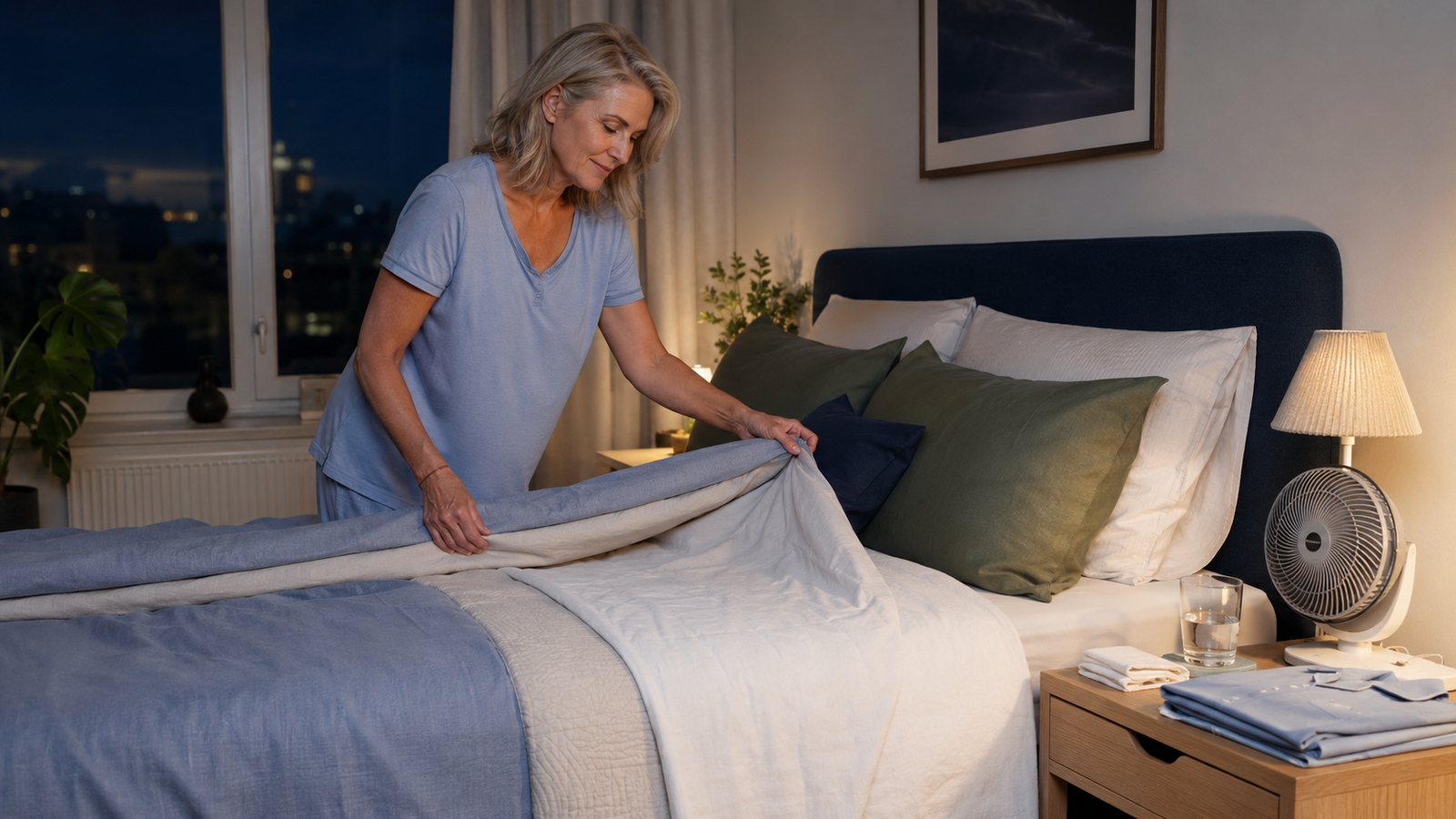
A cooler sleeping environment cannot correct the underlying hormonal changes, but it may prevent additional heat from intensifying an episode.
Try:
- Using a fan for gentle airflow
- Closing curtains during hot afternoons
- Ventilating the room before bedtime
- Managing excessive humidity
- Moving heat-producing electronics away from the bed
- Avoiding electric blankets
- Using separate bedding from a warmer partner
- Choosing a mattress protector that does not trap excessive heat
There is no universal temperature that suits everyone. Adjust the room according to your comfort, climate, sleepwear, and bedding.
Use Removable Bedding Layers
Several light layers are usually easier to manage than one heavy comforter. You can remove one layer without rebuilding the entire bed at 2:17 a.m.—a time when interior design enthusiasm is understandably limited.
Consider:
- Lightweight cotton sheets
- Breathable linen bedding
- A thin blanket
- A separate duvet for each partner
- Moisture-wicking sleepwear
- A washable mattress protector
- Spare bedding kept nearby
Products labeled “cooling” vary considerably. Check their materials and return policy rather than relying only on advertising claims.
Take a Lukewarm or Cool Shower
A brief shower before bed may reduce surface warmth and help some people feel more comfortable.
Avoid water that is:
- Extremely hot
- Uncomfortably cold
- Likely to leave you shivering
- So stimulating that it delays sleep
The goal is gentle cooling, not giving the nervous system another dramatic event to process.
Identify Personal Triggers
Common triggers include:
- Alcohol
- Caffeine
- Spicy food
- Smoking
- Hot drinks
- Emotional stress
- Heavy evening meals
- Strenuous late exercise
- Warm bedrooms
- Excessively heavy bedding
Do not remove everything at once. Use the two-week diary described in Part 2 and test one or two changes at a time.
For example:
- Week 1: Move caffeine before noon.
- Week 2: Avoid alcohol for several evenings.
- Compare the timing and severity of symptoms.
- Continue only the changes that provide a meaningful benefit.
Can Daytime Habits Prevent Night Sweats?
Lifestyle changes may reduce symptoms for some women, although they may not be sufficient for moderate or severe vasomotor symptoms.
Helpful habits can include:
- Exercising regularly
- Maintaining a consistent wake time
- Eating a balanced diet
- Staying adequately hydrated
- Reducing smoking or seeking help to quit
- Managing stress
- Limiting evening alcohol
- Maintaining a healthy weight when appropriate
- Obtaining morning daylight
- Avoiding severe sleep deprivation
The NHS menopause self-care guidance recommends lightweight clothing, a cool bedroom, regular exercise, stress management, and reducing individual triggers such as caffeine, alcohol, spicy food, and smoking.
Exercise should generally occur at a time that supports sleep. If a vigorous late workout repeatedly produces heat and alertness, move it earlier.
Can Cognitive Behavioral Therapy Help?
Menopause-specific cognitive behavioral therapy, or CBT, can help people manage the distress, sleep disruption, and anxiety associated with hot flashes and night sweats.
It may include:
- Understanding how stress affects symptoms
- Reducing catastrophic thoughts about sleep loss
- Practicing paced breathing or relaxation
- Improving sleep habits
- Responding more calmly to nighttime episodes
- Reducing excessive monitoring of symptoms
- Rebuilding confidence in the ability to cope
CBT does not mean the symptoms are psychological or imagined. It provides practical ways to reduce their effect on sleep and daily life.
When chronic insomnia has developed alongside night sweats, CBT for insomnia may also be appropriate.
Is Hormone Therapy Effective for Night Sweats?
Menopausal hormone therapy is an effective treatment for vasomotor symptoms, including hot flashes and night sweats. However, the appropriate formulation depends on medical history and individual risk factors.
A clinician may consider:
- Age
- Time since menopause began
- Whether the uterus is present
- Previous hysterectomy
- Type and severity of symptoms
- Breast-cancer history
- Unexplained vaginal bleeding
- Blood-clot history
- Stroke or cardiovascular risk
- Liver disease
- Migraine history
- Personal preferences
Estrogen may be provided as:
- Tablets
- Skin patches
- Gels
- Sprays
Someone who still has a uterus generally needs a progestogen with systemic estrogen to protect the uterine lining. After a total hysterectomy, estrogen may sometimes be used without a progestogen, although individual circumstances still matter.
The NHS guide to menopause treatment explains that the recommended type of hormone therapy depends partly on whether menstrual periods continue and whether the uterus has been removed.
Does Vaginal Estrogen Treat Night Sweats?
Low-dose vaginal estrogen is primarily used for symptoms such as vaginal dryness, discomfort, and some urinary problems. It does not generally provide enough systemic estrogen to treat night sweats.
Someone experiencing both vaginal symptoms and vasomotor symptoms may require separate or combined treatment plans.
How Quickly Does Hormone Therapy Work?
Improvement may begin within days or weeks, but response varies. Follow-up is important to assess:
- Symptom relief
- Side effects
- Bleeding
- Blood pressure
- Treatment adherence
- Whether the dose or formulation needs adjustment
Do not borrow another person’s hormone medicine or alter the dose independently.
What Nonhormonal Treatments Are Available?
Nonhormonal treatment may be considered when hormone therapy is unsuitable, unwanted, or insufficient.
Depending on the country, medical history, and current medicines, a clinician may discuss certain:
- Antidepressants used at specific doses
- Gabapentin
- Clonidine
- Oxybutynin
- Neurokinin-receptor antagonists
- Cognitive behavioral therapy
These medicines differ in effectiveness, side effects, interactions, and availability. A treatment that works well for one person may be unsuitable for another.
Possible adverse effects can include:
- Drowsiness
- Dizziness
- Dry mouth
- Constipation
- Nausea
- Changes in blood pressure
- Sexual side effects
- Medication interactions
- Withdrawal symptoms if stopped abruptly
What Is Fezolinetant?
Fezolinetant is a nonhormonal prescription medicine that acts on a brain pathway involved in temperature regulation. The FDA has approved it for moderate-to-severe menopausal vasomotor symptoms.
It is not suitable for everyone and requires careful review of liver health, other medical conditions, and interacting medicines. Liver testing may be required before and during treatment.
The FDA’s fezolinetant information explains how this nonhormonal medicine targets the neurokinin-3 receptor involved in regulating body temperature.
Are Natural Remedies Safe and Effective?
Products commonly promoted for menopause include:
- Black cohosh
- Red clover
- Soy isoflavones
- Evening primrose oil
- Ginseng
- St. John’s wort
- Herbal menopause blends
- Magnesium
Evidence and product quality vary. “Natural” does not guarantee that a product is effective, uncontaminated, or safe.
Some supplements may:
- Interact with antidepressants
- Reduce the effectiveness of other medicines
- Affect the liver
- Influence bleeding
- Cause allergic reactions
- Be unsuitable after hormone-sensitive cancer
- Contain inconsistent ingredient amounts
The NHS guidance on complementary menopause remedies advises discussing these products with a healthcare professional because evidence is limited and important interactions can occur.
How Should Treatment Be Chosen?
A practical treatment discussion should consider:
- How often the episodes occur
- Whether clothing or bedding becomes soaked
- How much sleep is lost
- Whether symptoms impair work or driving
- Other menopause symptoms
- Current medicines and supplements
- Personal and family medical history
- Preference for hormonal or nonhormonal care
- Previous treatment attempts
- Whether another cause has been excluded
The most effective plan may combine bedroom adjustments, trigger management, insomnia treatment, and appropriate medical therapy.
The answer to why does menopause cause night sweats points primarily to hormone-related changes in the brain’s temperature-control system. Effective relief, however, depends on symptom severity, medical history, sleep disruption, and whether another condition is contributing.
A Simple Two-Week Action Plan
Days 1–3: Identify the Pattern
- Record the time and severity of each episode.
- Note whether clothing or bedding becomes soaked.
- Record room temperature, bedding, and sleepwear.
- List medicines and supplements.
- Note alcohol, caffeine, spicy food, and stress.
- Record fever, cough, palpitations, or weight changes.
Days 4–7: Reduce Avoidable Heat
- Use lightweight bedding layers.
- Keep the bedroom comfortably cool.
- Move caffeine earlier in the day.
- Avoid alcohol and very hot drinks near bedtime.
- Keep spare sleepwear and water beside the bed.
- Maintain a consistent wake time.
Days 8–14: Review the Results
- Compare symptoms before and after each change.
- Continue adjustments that clearly help.
- Arrange medical advice if episodes remain frequent or severe.
- Discuss hormone and nonhormonal treatments when sleep or daily life is affected.
- Seek assessment sooner if warning signs occur.
Changing only one or two factors at a time makes it easier to identify what genuinely helps.
Frequently Asked Questions
Why does menopause cause night sweats?
Changing estrogen levels affect the hypothalamus and other brain pathways involved in temperature regulation. The body may then interpret a small temperature change as overheating and respond with flushing, widened blood vessels, sweating, and a faster heartbeat.
How long do menopause night sweats last?
An individual episode often lasts several minutes, but symptoms may recur throughout the night. Vasomotor symptoms can continue for several years, although their frequency and severity vary widely.
Can menopause night sweats soak the bed?
Yes. Severe episodes can soak sleepwear, sheets, or pillows even when the bedroom is cool. Regular drenching sweats should still be discussed with a healthcare professional because menopause is not the only possible cause.
What is the fastest way to cool down?
Remove one bedding layer, improve airflow, sip cool water, place a cool cloth on the neck, and change damp clothing when necessary. Keep lights dim and avoid using your phone so that returning to sleep is easier.
What foods and drinks can make night sweats worse?
Possible triggers include:
- Alcohol
- Caffeine
- Spicy food
- Very hot drinks
- Large late-night meals
Triggers are individual. A symptom diary is more useful than unnecessarily banning every enjoyable item from the kitchen.
Are night sweats always caused by menopause after age 40?
No. Medicines, thyroid disease, low blood sugar, sleep apnea, infections, anxiety, alcohol withdrawal, and other medical conditions can also cause nighttime sweating.
When should I see a doctor?
Arrange an appointment when sweating:
- Frequently interrupts sleep
- Soaks clothing or bedding
- Becomes progressively worse
- Begins after a medication change
- Occurs without other menopause symptoms
- Interferes with work, concentration, or driving
- Persists despite a comfortably cool bedroom
Seek prompt assessment when it occurs with unexplained weight loss, persistent fever, prolonged cough, swollen lymph nodes, fainting, breathing difficulty, or an irregular heartbeat.
Is hormone therapy the most effective treatment?
Systemic menopausal hormone therapy is generally the most effective treatment for bothersome hot flashes and night sweats, but suitability depends on personal medical history and risk factors. The Menopause Society – Hormone Therapy
Can night sweats be treated without hormones?
Yes. Depending on medical history and local availability, options may include menopause-focused cognitive behavioral therapy and certain prescription medicines. Treatment should be selected with a healthcare professional because side effects and interactions differ.
Is fezolinetant safe?
Fezolinetant is a nonhormonal prescription treatment for moderate-to-severe menopausal vasomotor symptoms. The FDA added a boxed warning concerning rare but serious liver injury, so liver testing and careful medical monitoring are required. FDA – Fezolinetant Liver-Injury Warning
Final Thoughts
Why does menopause cause night sweats? Hormonal changes make the brain’s temperature-control system more sensitive, causing sudden heat, sweating, flushing, chills, and sleep disruption.
A cool bedroom, removable bedding, earlier caffeine, reduced evening alcohol, and personal trigger tracking may lessen the burden. However, lifestyle adjustments may not sufficiently control moderate or severe symptoms.
Persistent drenching sweats deserve medical evaluation rather than being automatically attributed to menopause. A healthcare professional can review medicines, investigate other possible causes, and discuss hormone therapy or appropriate nonhormonal treatment.
The internal thermostat may be staging a midnight rebellion, but effective treatment can usually make the nights far more manageable.
Medical disclaimer: This article provides general educational information and does not replace diagnosis or individualized medical care. Consult a qualified healthcare professional before changing medicines, supplements, or menopause treatment.
Internal Links
- What Is the Best Temperature for Sleep?
- Does Perimenopause Cause Insomnia?
- How to Fall Back Asleep After Waking Up
- How to Calm Anxiety at Night
- Why Can’t I Sleep During Menopause?
- Can Menopause Cause Sleep Apnea?