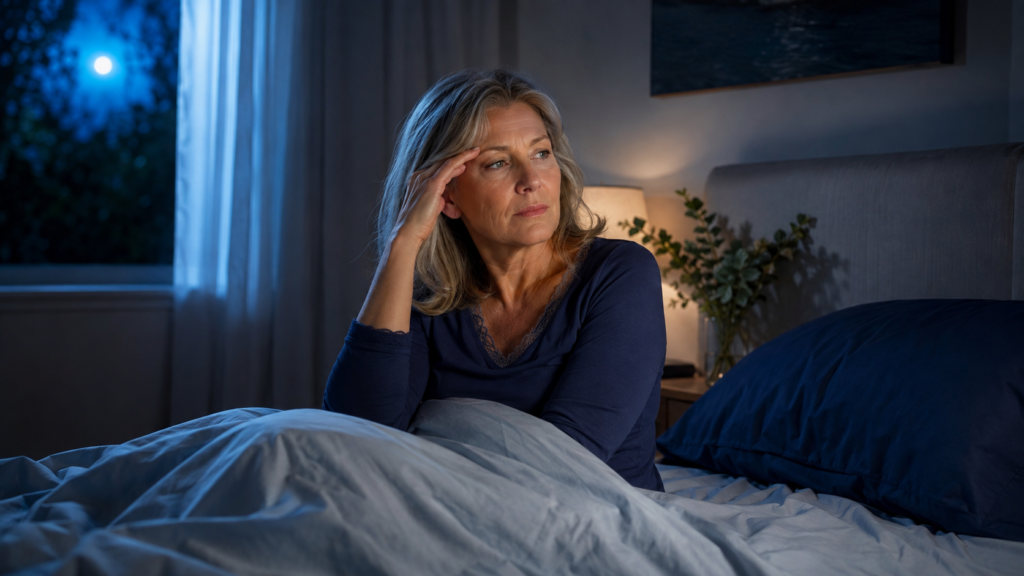
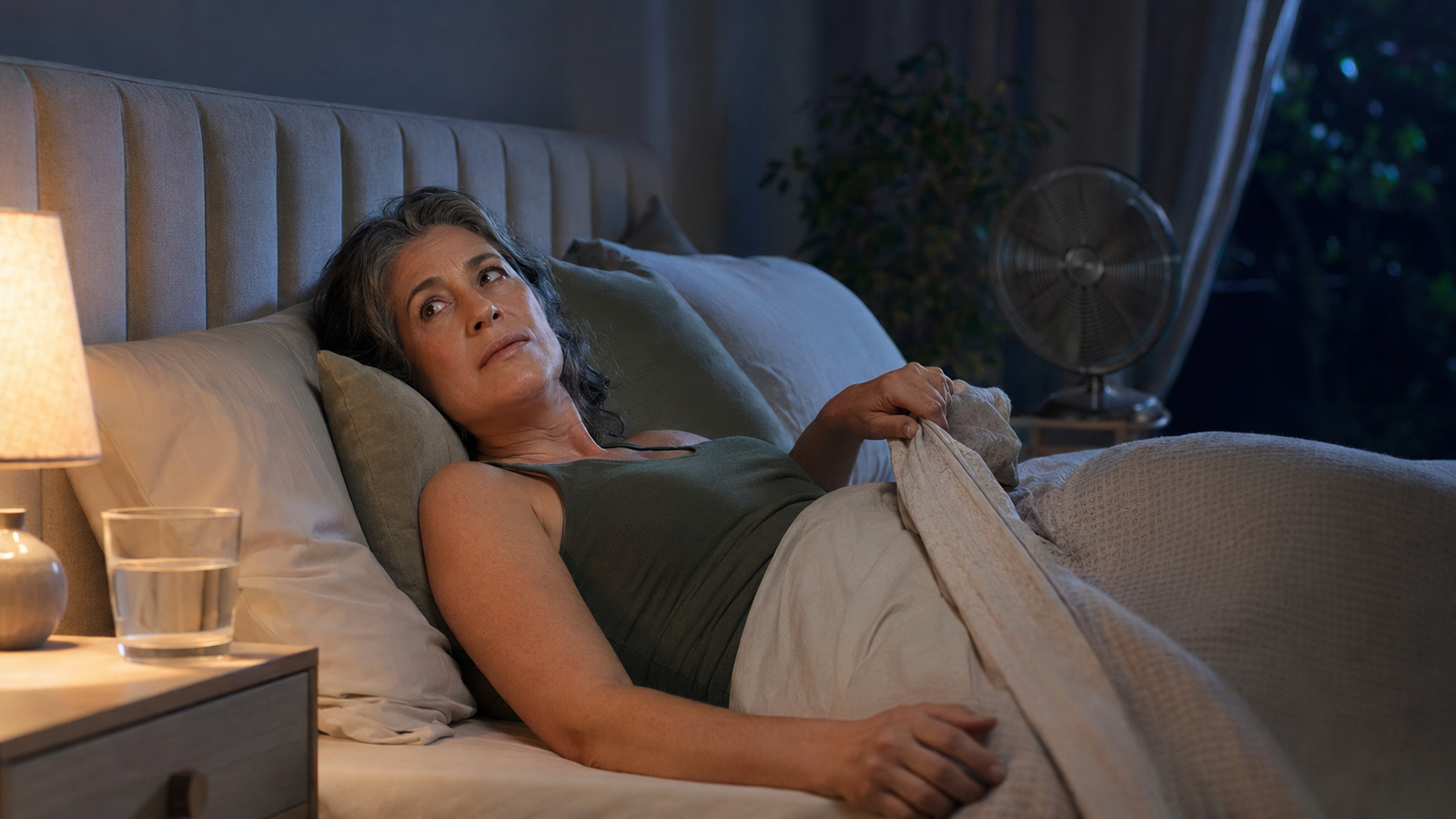
Why Can’t I Sleep During Menopause? 9 Possible Reasons
Why can’t I sleep during menopause? Hormonal fluctuations, hot flashes, night sweats, anxiety, mood changes, and an increased risk of certain sleep disorders can make it harder to fall asleep, stay asleep, or feel refreshed in the morning.
Menopause-related sleep problems are rarely caused by one factor alone. A warm bedroom might trigger a hot flash, anxiety may make it difficult to return to sleep, and daytime exhaustion may lead to naps that further disrupt the following night.
The good news is that menopause does not mean you must simply accept years of poor sleep. Identifying your particular sleep pattern can help you choose more effective lifestyle changes and discuss appropriate treatment options with a healthcare professional.
If you frequently fall asleep but wake several hours later, read Why Do I Wake Up at Night? for a broader look at nighttime awakenings.
Is Trouble Sleeping Common During Menopause?
Yes. Difficulty sleeping can begin during perimenopause—the transitional years before the final menstrual period—and may continue after menopause.
According to the NHS guide to menopause symptoms, people may have difficulty falling asleep or staying asleep, and these problems can become worse when night sweats are also present.
Menopause-related sleep difficulties may include:
- Taking longer than usual to fall asleep
- Waking repeatedly throughout the night
- Waking after a hot flash or night sweat
- Rising earlier than intended
- Struggling to return to sleep
- Sleeping lightly and reacting to minor noises
- Feeling unrefreshed despite spending enough time in bed
- Experiencing daytime fatigue or sleepiness
- Becoming worried about whether sleep will happen
- Noticing poorer concentration, memory, or mood
Not every sleep problem in midlife is caused by menopause. Insomnia, sleep apnea, restless legs syndrome, chronic pain, medication effects, thyroid conditions, depression, and other health concerns may appear or become more noticeable during the same period.
For that reason, the question “why can’t I sleep during menopause?” often requires looking at menopausal symptoms and general sleep health together.
What Is the Difference Between Perimenopause and Menopause?
The terms are closely related but do not describe exactly the same stage.
Perimenopause
Perimenopause is the transition leading up to menopause. Hormone levels fluctuate, menstrual cycles may become irregular, and symptoms such as hot flashes, night sweats, mood changes, and sleep disruption can begin.
This transition may last several years. Sleep symptoms do not necessarily wait until menstrual periods have stopped completely.
Menopause
Natural menopause is reached after 12 consecutive months without a menstrual period when there is no other medical or physiological explanation. The World Health Organization explains that this transition is connected with declining ovarian function and lower circulating estrogen levels.
Menopause itself is a point in time rather than a phase lasting several years.
Postmenopause
Postmenopause describes the years following menopause. Some symptoms gradually improve, while others may continue and require treatment or ongoing management.
People who have had a hysterectomy may not be able to use menstrual periods to identify their menopausal stage. Whether the ovaries were removed, current symptoms, age, medical history, and professional evaluation may all be relevant.
Why Can’t I Sleep During Menopause?
Nine possible reasons include:
- Changing estrogen and progesterone levels
- Hot flashes and night sweats
- Anxiety, stress, and mood changes
- A disrupted sleep-wake pattern
- More frequent nighttime urination
- Joint pain, headaches, or physical discomfort
- Obstructive sleep apnea
- Restless legs syndrome
- Lifestyle, medication, or another health condition
Several of these factors can occur at the same time. For example, a night sweat may wake you, anxiety may keep your mind active, and checking the clock may make returning to sleep even harder.
1. Changing Estrogen and Progesterone Levels
During perimenopause, estrogen and progesterone levels do not simply decline in a smooth, predictable line. They may fluctuate considerably before reaching lower levels after menopause.
These hormonal changes can influence sleep both directly and indirectly.
Estrogen Changes
Changing estrogen levels are associated with vasomotor symptoms such as hot flashes and night sweats. Estrogen also interacts with body-temperature regulation, mood, and other systems that affect sleep.
A hormone change does not always cause insomnia by itself. However, it may create several conditions that make sleep more fragile.
For example:
- A hot flash can cause sudden awakening.
- Vaginal or urinary symptoms can create nighttime discomfort.
- Mood changes can increase bedtime worry.
- Joint aches or headaches may make it harder to become comfortable.
- Changes in body-temperature regulation can make the bedroom feel too warm.
Progesterone Changes
Progesterone also changes throughout the menopausal transition. Because hormone patterns become less predictable, some people notice that their sleep varies considerably from one week to another.
You might sleep reasonably well for several nights and then suddenly experience:
- Difficulty becoming sleepy
- Light or restless sleep
- Repeated awakenings
- Early-morning waking
- Increased sensitivity to heat
- Fatigue despite a normal bedtime
This variation can be frustrating, but it does not mean the symptoms are imaginary or that you have permanently lost the ability to sleep.
Hormones May Not Be the Only Cause
It is easy to blame every sleep disturbance on estrogen once perimenopause begins. However, sleep can also be affected by caffeine, alcohol, stress, irregular schedules, medications, pain, sleep apnea, and other medical conditions.
A complete assessment is especially important when sleep problems are severe, persist without hot flashes, or include loud snoring, breathing pauses, uncomfortable leg sensations, or overwhelming daytime sleepiness.
2. Hot Flashes and Night Sweats
Hot flashes are sudden sensations of heat that commonly affect the face, neck, chest, and upper body. When they occur during sleep and lead to sweating, they are often called night sweats.
A nighttime episode may involve:
- Sudden warmth
- Sweating
- Flushed skin
- Chills after the heat passes
- A rapid or noticeable heartbeat
- Feelings of anxiety
- Damp sleepwear or bedding
- Complete awakening
- Difficulty returning to sleep
The episode itself may be brief, but its effect on sleep can last much longer. You may need to change clothing, turn on a fan, replace damp bedding, or wait for your body temperature and heart rate to settle.
Do Hot Flashes Always Wake You?
Not everyone fully remembers waking after a hot flash. Some episodes may produce shorter disturbances or lighter sleep rather than a clear, prolonged awakening.
You may only notice the results in the morning:
- Damp clothing or sheets
- Unexplained fatigue
- A headache
- Irritability
- Poor concentration
- The feeling that sleep was fragmented
- Multiple brief memories of being awake
Night sweats may explain part of the problem, but sleep disruption can also occur without them. Menopause and insomnia overlap; one does not always require the other.
Bedroom Temperature Can Make Symptoms Harder to Manage
A warm, poorly ventilated bedroom may make temperature-related symptoms more uncomfortable. Heavy bedding, synthetic sleepwear, a heat-producing mattress, or sharing a warm bed can also contribute.
The NHS menopause self-care guidance recommends measures such as keeping the bedroom cool, wearing lightweight clothing, and reducing possible triggers including caffeine, alcohol, hot drinks, smoking, and spicy foods.
Practical adjustments include:
- Use breathable, lightweight sleepwear.
- Choose bedding that can be removed in separate layers.
- Keep air circulating safely.
- Place water beside the bed.
- Keep replacement sleepwear nearby.
- Avoid overheating the room before bedtime.
- Notice whether alcohol or spicy evening meals trigger symptoms.
- Wash bedding regularly if sweat causes irritation.
Do not turn the bedroom into an arctic research station. The aim is comfortably cool, not cold enough to require expedition equipment.
3. Anxiety, Stress, and Mood Changes
Perimenopause and menopause may coincide with anxiety, irritability, low mood, and greater emotional sensitivity. Life pressures during midlife—work, caregiving, health concerns, financial responsibilities, and changing family roles—can add another layer of stress.
When your nervous system remains alert at bedtime, you may feel physically exhausted but mentally unable to switch off.
Common patterns include:
- Replaying conversations in your mind
- Worrying about health or aging
- Thinking about tomorrow’s responsibilities
- Becoming tense when sleep does not begin quickly
- Checking the time repeatedly
- Predicting that the next day will be ruined
- Feeling sleepy on the sofa but alert after getting into bed
- Waking after a hot flash and immediately beginning to worry
If stress appears to be a major contributor, How Does Stress Affect Sleep? explains how mental and physical arousal can delay sleep and cause repeated awakenings.
The Insomnia Feedback Loop
After several difficult nights, bedtime itself may become stressful.
The pattern can develop like this:
- Menopausal symptoms interrupt sleep.
- You begin worrying that the problem will happen again.
- Bedtime creates tension instead of relaxation.
- You monitor every sensation and passing minute.
- Increased alertness makes sleep less likely.
- Another poor night strengthens the fear.
This feedback loop does not mean the original hormonal symptoms were psychological. It means that a physical sleep disruption can gradually become reinforced by understandable worry and sleep-related habits.
Mood Symptoms Deserve Attention
Persistent low mood, loss of interest, severe anxiety, panic symptoms, or feelings of hopelessness should not be treated as an ordinary inconvenience of menopause.
Sleep loss can worsen emotional symptoms, while anxiety and depression can further disrupt sleep. Professional support may therefore need to address both issues rather than treating them separately.
Cognitive behavioral therapy can help with anxiety and low mood, and CBT specifically adapted for insomnia can address the thoughts and behaviors that maintain chronic sleeplessness.
4. A Disrupted Sleep-Wake Pattern
Hormones and night sweats may start the problem, but changes in daily timing can help it continue.
After a poor night, you may understandably:
- Sleep later in the morning
- Take a long afternoon nap
- Go to bed unusually early
- Spend extra hours awake in bed
- Reduce daytime activity
- Use more caffeine to stay alert
- Doze on the sofa during the evening
These responses may reduce sleep pressure—the biological drive that helps you fall asleep at night. As a result, you can feel tired throughout the day but still struggle to sleep at bedtime.
Why More Time in Bed May Backfire
Going to bed much earlier does not guarantee additional sleep. If your body is not ready, the extra time may become a period of worrying, scrolling, clock-checking, or trying forcefully to sleep.
Over time, the brain may begin associating the bed with wakefulness and frustration.
A more consistent approach usually includes:
- Keeping a reasonably stable wake-up time
- Getting morning daylight
- Remaining physically active during the day
- Avoiding long or late naps
- Beginning a calm routine before bed
- Going to bed when genuinely sleepy
- Keeping phones and work away from the bed
- Avoiding repeated clock-checking
These habits cannot eliminate every hot flash, but they can protect the sleep-wake pattern from becoming increasingly irregular.
What Type of Menopause Sleep Problem Do You Have?
Before changing supplements, pillows, and bedtime routines all at once, identify your main pattern.
| Sleep pattern | Possible contributing factors |
|---|---|
| Difficulty falling asleep | Anxiety, low sleep pressure, caffeine, irregular schedule |
| Waking hot or sweaty | Hot flashes, warm bedroom, alcohol, heavy bedding |
| Waking repeatedly without heat | Insomnia, pain, urinary symptoms, sleep apnea |
| Waking too early | Mood changes, circadian shift, chronic insomnia |
| Unrefreshing sleep | Fragmented sleep, sleep apnea, restless legs, medication effects |
| Extreme daytime sleepiness | Significant sleep loss or an underlying sleep disorder |
A seven-day sleep record can help. Note your bedtime, approximate sleep onset, awakenings, night sweats, wake time, naps, caffeine, alcohol, exercise, and how rested you feel the next day.
The answer to why can’t I sleep during menopause becomes clearer when you identify whether the main difficulty is falling asleep, remaining asleep, controlling temperature, or feeling restored.
In Part 2, we’ll continue with nighttime urination, physical discomfort, sleep apnea, restless legs syndrome, medications, lifestyle factors, and other health conditions that may disrupt sleep during menopause.
5. More Frequent Nighttime Urination
Frequent nighttime urination—known as nocturia—can repeatedly interrupt sleep during and after the menopausal transition.
Lower estrogen levels may contribute to changes in the tissues surrounding the bladder, urethra, and pelvic floor. Some people experience urgency, vaginal dryness, discomfort, recurrent urinary symptoms, or a greater need to urinate during the night.
However, nighttime urination is not always caused by menopause. Other possible contributors include:
- Drinking large amounts close to bedtime
- Evening caffeine or alcohol
- Diuretic medications
- Urinary tract infection
- Overactive bladder
- Diabetes
- Leg swelling
- Sleep apnea
- Heart or kidney conditions
- Waking for another reason and deciding to use the bathroom
This last point is easy to overlook. You may wake because of a hot flash, noise, anxiety, or breathing disturbance and then notice that your bladder is partially full. In that situation, urination may follow the awakening rather than cause it.
Practical Steps That May Help
Try to:
- Drink fluids steadily earlier in the day.
- Reduce large drinks during the final two hours before bed.
- Limit evening caffeine and alcohol.
- Use the bathroom shortly before sleeping.
- Keep the route to the bathroom clear and safely illuminated.
- Record how often you wake and whether urgency woke you first.
- Discuss persistent urinary symptoms with a healthcare professional.
Do not significantly restrict daytime fluids in an attempt to avoid every bathroom visit. Dehydration can cause headaches, dizziness, constipation, and concentrated urine that may irritate the bladder.
Seek medical advice if nighttime urination occurs with burning, fever, blood in the urine, pelvic pain, excessive thirst, urine leakage, or a sudden major change in frequency.
6. Joint Pain, Headaches, and Physical Discomfort
When asking why can’t I sleep during menopause, consider whether physical discomfort is preventing you from settling or waking you after sleep begins.
During the menopausal transition, some people report:
- Muscle tension
- Joint aches
- Headaches or migraines
- Breast tenderness
- Vaginal discomfort
- Itchy or sensitive skin
- Heartburn
- Neck, back, or shoulder discomfort
Pain can make it difficult to find a comfortable position. Once you wake, worry and frustration may then make returning to sleep harder.
Pain and Poor Sleep Can Reinforce Each Other
The relationship works in both directions:
- Physical discomfort interrupts sleep.
- Fragmented sleep increases fatigue and pain sensitivity.
- Daytime activity becomes more difficult.
- Reduced activity or prolonged sitting may increase stiffness.
- Greater discomfort disrupts the following night.
A supportive sleep environment may help, but changing the mattress is not automatically the solution. Note whether symptoms are linked to a particular sleeping position, exercise routine, work activity, or stage of the night.
If discomfort is strongest after sleeping, Why Does My Back Hurt When I Wake Up? explains how sleep position, mattress support, stiffness, and underlying conditions may overlap.
When Physical Symptoms Need Assessment
Arrange a medical evaluation if pain:
- Persists or progressively worsens
- Causes swelling, warmth, or redness
- Restricts ordinary movement
- Frequently wakes you from sleep
- Occurs with weakness or numbness
- Is accompanied by unexplained weight loss
- Begins after an injury
- Is associated with a severe or unusual headache
Do not assume that every new symptom is a normal part of menopause. Midlife can coincide with arthritis, thyroid disorders, migraine changes, and other medical conditions that require separate assessment.
7. Obstructive Sleep Apnea
Obstructive sleep apnea occurs when the airway repeatedly narrows or closes during sleep. These breathing interruptions can cause brief awakenings and prevent restorative sleep, even when you do not remember being awake.
Sleep apnea becomes more common with age, and the risk may increase after menopause. It should not be dismissed simply because insomnia or night sweats are also present. The National Institute on Aging identifies sleep apnea among the sleep disorders that become more common with age.
Possible signs include:
- Loud, habitual snoring
- Gasping, choking, or snorting during sleep
- Breathing pauses noticed by another person
- Dry mouth upon waking
- Morning headaches
- Frequent nighttime urination
- Unrefreshing sleep
- Difficulty concentrating
- Irritability
- Excessive daytime sleepiness
- Falling asleep unintentionally
- High blood pressure
Women are not always recognized through the stereotypical picture of very loud snoring and obvious daytime sleepiness. Some primarily report fatigue, insomnia, mood changes, morning headaches, or repeated awakenings.
Why Sleep Apnea Can Be Mistaken for Menopause
Both conditions may cause:
- Fragmented sleep
- Fatigue
- Concentration problems
- Mood changes
- Night sweats
- Morning headaches
- Frequent bathroom visits
A cool bedroom or lighter bedding may help temperature-related discomfort, but it will not treat repeated airway obstruction.
Speak with a healthcare professional if you snore heavily, wake gasping, have witnessed breathing pauses, or remain extremely sleepy despite allowing enough time for sleep. A sleep study may be recommended.
Avoid driving when you are dangerously sleepy. The problem is not a lack of willpower; your brain is attempting an unauthorized shutdown.
8. Restless Legs Syndrome
Restless legs syndrome causes an uncomfortable urge to move the legs, usually while resting. Symptoms are often worse during the evening or at night and temporarily improve with walking, stretching, or moving the legs.
Sensations may be described as:
- Crawling
- Tingling
- Pulling
- Throbbing
- Itching
- Burning
- Aching
- An internal feeling of restlessness
The condition can delay sleep or cause repeated nighttime movement. Some people find it difficult to explain because the sensation is not always ordinary pain or cramping.
Clues That Suggest Restless Legs Syndrome
Consider professional evaluation if:
- Symptoms begin or worsen while sitting or lying down.
- Moving the legs temporarily relieves them.
- The sensations are worse in the evening.
- You frequently need to walk around at bedtime.
- A bed partner notices repeated leg movements.
- Sleep disruption causes significant daytime fatigue.
Restless legs symptoms can be associated with low iron stores, pregnancy, kidney disease, certain medications, and other health factors. Do not begin high-dose iron supplements without testing or professional advice, because excessive iron can be harmful.
A clinician may review your symptoms, current medications, medical history, and iron status. The correct treatment depends on the cause and severity.
9. Lifestyle, Medication, or Another Health Condition
Menopause may be part of the answer without being the whole answer.
Several ordinary habits can quietly intensify sleep disruption:
Caffeine
Caffeine can remain active for hours. Coffee, tea, energy drinks, cola, chocolate, and some medications may delay sleep or make it lighter.
If sensitivity has increased, try moving your final caffeinated drink earlier rather than relying only on the rule that you “have always been able to drink coffee at night.”
Alcohol
Alcohol may initially create drowsiness, but it can fragment sleep later in the night. It may also worsen snoring, breathing problems, hot flashes, and bathroom visits.
Nicotine
Nicotine is stimulating and may interfere with sleep. Overnight withdrawal can also contribute to awakenings in regular users.
Evening Meals
Large, rich, spicy, or late meals may worsen reflux, digestive discomfort, and temperature-related symptoms. Going to bed extremely hungry can also make sleep difficult.
Low Daytime Activity
Regular movement can support sleep, mood, bone health, and overall well-being. However, suddenly beginning intense evening exercise may leave some people overly alert or physically uncomfortable.
Screens and Late-Night Stimulation
Phones and tablets can extend wakefulness through light exposure, upsetting content, work, shopping, and endless “one last video” decisions. The screen may be part of the issue, but what you do on it often matters just as much.
Medications and Supplements
Sleep can be affected by certain:
- Decongestants
- Steroids
- Stimulants
- Antidepressants
- Thyroid medications
- Blood-pressure medicines
- Diuretics
- Weight-loss products
- Herbal supplements
- Over-the-counter sleep aids
Do not stop prescribed medication independently. Ask a doctor or pharmacist whether the dose, timing, interaction, or side effects could be affecting your sleep.
Other Health Conditions
Symptoms that appear during menopause may also be related to:
- Thyroid disease
- Depression or anxiety disorders
- Chronic pain
- Gastroesophageal reflux
- Diabetes
- Anemia or iron deficiency
- Urinary conditions
- Sleep apnea
- Restless legs syndrome
- Another sleep disorder
A healthcare professional can help distinguish overlapping causes, particularly when symptoms are severe or do not improve after basic sleep changes.
Could It Be Chronic Insomnia?
Short-term sleep disruption may begin with hot flashes, stress, illness, or a major life change. Chronic insomnia can develop when difficulty sleeping continues and becomes associated with persistent worry and unhelpful compensating habits.
Signs may include:
- Regular difficulty falling or staying asleep
- Spending long periods awake in bed
- Extending time in bed to recover
- Depending on irregular naps
- Becoming anxious as bedtime approaches
- Monitoring the clock throughout the night
- Feeling that you must force sleep to happen
- Continuing to struggle even on nights without hot flashes
Cognitive behavioral therapy for insomnia, commonly called CBT-I, addresses the thoughts, behaviors, and timing patterns that maintain insomnia. It can be useful whether menopausal symptoms initiated the sleep problem or not.
Questions to Ask Before Blaming Hormones Alone
Use these questions to narrow down your pattern:
- Do I wake because I feel hot, or do I notice heat after waking?
- Does anyone report snoring or breathing pauses?
- Do my legs become uncomfortable when I lie still?
- Am I drinking more caffeine to compensate for fatigue?
- Have I started or changed any medication?
- Does pain prevent me from becoming comfortable?
- Am I spending substantially more time in bed?
- Do I wake to urinate, or urinate because I am already awake?
- Are anxiety or low mood present throughout the day?
- Do I feel sleepy enough to doze unintentionally?
Keeping a sleep and symptom diary for seven to fourteen days can make these patterns easier to explain during a medical appointment.
The answer to why can’t I sleep during menopause may involve hormonal symptoms, but sleep apnea, restless legs syndrome, chronic insomnia, pain, medication effects, and everyday habits must also be considered.
In Part 3, we’ll cover practical ways to sleep better during menopause, including bedroom temperature, bedding, routines, food and drink habits, exercise, CBT-I, and when to discuss treatment with a healthcare professional.
How to Sleep Better During Menopause
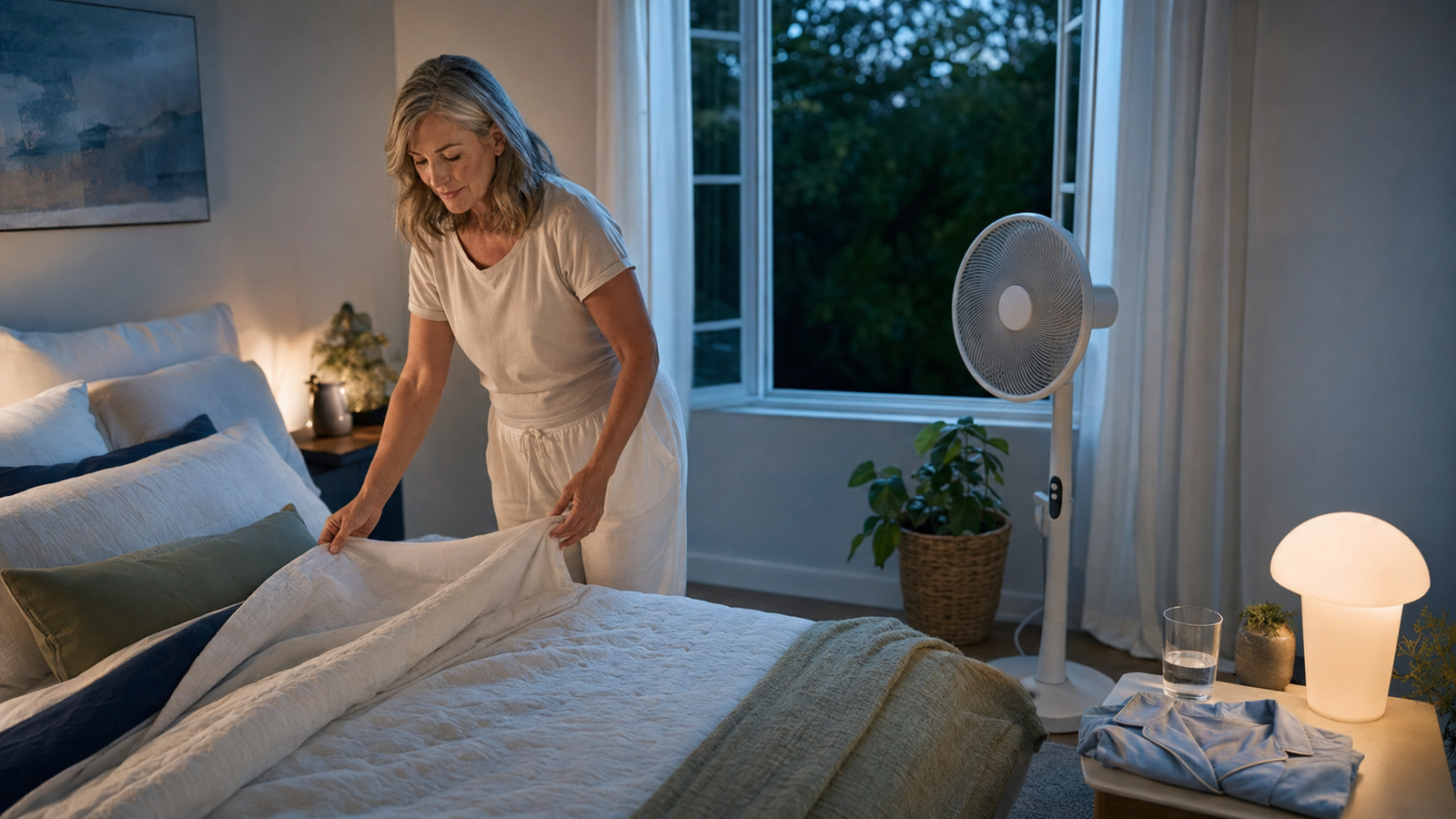
The most effective approach depends on what is disturbing your sleep. Cooling the bedroom may help night sweats, but it will not treat sleep apnea. A consistent routine may improve insomnia, but it may not resolve persistent pain or urinary symptoms.
Begin with the factor causing the greatest disruption and change one or two things at a time.
1. Keep the Bedroom Comfortably Cool
Hot flashes can make an otherwise comfortable room suddenly feel unbearable. A cooler sleep environment may help you settle again without completely waking.
Try these adjustments:
- Lower the room temperature before bedtime.
- Use a fan or improve safe air circulation.
- Choose breathable sleepwear.
- Replace one heavy comforter with removable layers.
- Keep cool water beside the bed.
- Place clean sleepwear within easy reach.
- Consider separate blankets if your partner prefers more warmth.
- Avoid heating pads or electric blankets when overheating is a problem.
The NHS menopause self-care guidance recommends lightweight clothing, a cool bedroom, regular exercise, stress reduction, and limiting potential triggers such as caffeine, alcohol, spicy foods, hot drinks, and smoking.
Test the Temperature Gradually
There is no single perfect bedroom temperature for every person during menopause. Climate, bedding, mattress materials, sleepwear, medications, and individual sensitivity all matter.
Adjust the thermostat or fan gradually and record whether you experience:
- Fewer heat-related awakenings
- Less sweating
- Easier return to sleep
- Fewer chills after a hot flash
- Better comfort for your sleeping partner
- Less morning fatigue
Extremely cold air may leave you tense or uncomfortable after sweating. Aim for cool and adjustable rather than turning bedtime into a disagreement between the tropics and the North Pole.
2. Choose Bedding That Is Easy to Adjust
Bedding should allow you to respond quickly when your temperature changes.
Useful options may include:
- Lightweight cotton or linen sheets
- Moisture-managing sleepwear
- Several thin blanket layers
- A washable mattress protector
- A spare sheet or towel nearby
- Separate bedding for each partner
- Pillows and mattress materials that do not retain excessive heat
Marketing terms such as “cooling,” “temperature regulating,” and “breathable” do not guarantee that a product will work for you. Check the materials, return policy, care instructions, and independent reviews before purchasing expensive bedding.
Prepare for Night Sweats Before Bed
If night sweats regularly soak your clothing or sheets, prepare a simple bedside kit containing:
- Clean sleepwear
- A small towel
- Water
- A spare pillowcase
- Any clinician-approved treatment you use
This reduces the amount of light, movement, and decision-making required during the night. The objective is to handle the episode quietly and return to bed—not conduct emergency laundry operations at 3:17 a.m.
3. Maintain a Consistent Wake-Up Time
A reasonably stable wake-up time helps anchor the sleep-wake rhythm, even after a difficult night.
Try to:
- Wake at approximately the same time each day.
- Obtain natural morning light.
- Get out of bed rather than repeatedly snoozing.
- Eat and exercise at fairly regular times.
- Avoid sleeping several hours later after a poor night.
- Allow natural sleepiness to build before bedtime.
A consistent wake time is generally more useful than forcing an identical bedtime when you are not sleepy.
Do Not Chase Sleep by Going to Bed Too Early
After several poor nights, it is tempting to move bedtime earlier and earlier. However, spending additional time awake in bed may strengthen the association between bed, worry, and frustration.
Go to bed when you feel genuinely sleepy rather than merely tired. Feeling tired can mean low energy, while sleepiness involves difficulty keeping your eyes open and a strong tendency to doze.
4. Use a Calm, Repeatable Wind-Down Routine
A bedtime routine will not switch off a severe hot flash, but it can reduce unnecessary alertness around sleep.
During the final 30 to 60 minutes before bed:
- Dim bright lights.
- Finish work and household planning.
- Choose a quiet activity.
- Prepare the bedroom and night-sweat supplies.
- Avoid emotionally activating conversations when possible.
- Write tomorrow’s tasks down instead of rehearsing them mentally.
- Use slow breathing or progressive muscle relaxation.
- Keep the routine simple enough to repeat.
A routine should signal that the active part of the day is ending. It does not need twelve steps, imported candles, or the discipline of a ceremonial tea master.
If mental tension remains a major obstacle, How Does Stress Affect Sleep? explains why stress can keep the body alert even when you feel exhausted.
5. Respond Differently to Long Awakenings
Repeatedly checking the time can turn an ordinary awakening into a stressful calculation about how many hours remain.
When you wake:
- Keep the lights low.
- Adjust damp clothing or bedding efficiently.
- Avoid checking messages, news, or work.
- Do not repeatedly calculate lost sleep.
- Use a quiet relaxation technique.
- If you remain fully awake and frustrated, leave the bed briefly.
- Return when sleepiness begins to return.
Choose a safe, dimly lit location and a quiet activity. Avoid turning the awakening into entertainment, a meal, or an opportunity to complete tomorrow’s work.
For more guidance on recurring awakenings, see Why Do I Wake Up at Night?.
6. Review Caffeine, Alcohol, and Evening Meals
Move Caffeine Earlier
Caffeine sensitivity may change with age, medication use, sleep loss, and other health factors.
Possible sources include:
- Coffee
- Black or green tea
- Energy drinks
- Cola
- Chocolate
- Pre-workout products
- Some headache or cold medications
Try moving your final caffeine serving several hours earlier for two weeks. Record the effect rather than relying on one unusually good or bad night.
Avoid Using Alcohol as a Sleep Aid
Alcohol can make you feel sleepy initially, but it may:
- Fragment sleep later
- Worsen snoring
- Increase breathing problems
- Trigger hot flashes
- Increase bathroom visits
- Cause early-morning waking
- Leave you less refreshed
Reducing evening alcohol may be particularly helpful when awakenings occur during the second half of the night.
Adjust the Evening Meal
Large, spicy, rich, or very late meals may worsen reflux, digestive discomfort, and temperature-related symptoms.
If hunger wakes you, consider a modest snack rather than a heavy meal. Choose foods you tolerate well and avoid treating one specific food as a guaranteed cure for menopausal insomnia.
7. Exercise Regularly—but Increase Gradually
Regular physical activity can support sleep, mood, cardiovascular health, muscle strength, and bone health.
A balanced routine may include:
- Walking or another aerobic activity
- Strength training
- Mobility exercises
- Balance work
- Relaxing movement such as yoga
Exercise timing is individual. Some people sleep well after evening activity, while intense late workouts leave others alert or overheated.
Avoid suddenly increasing exercise volume when fatigue is already high. Gradual progress is more sustainable and less likely to cause soreness that creates another reason to wake.
8. Keep Naps Short and Early
A short nap may be useful after a severely disrupted night, especially when safety or concentration is affected. Long or late naps, however, can reduce the sleep pressure needed at bedtime.
If you nap:
- Keep it brief.
- Schedule it earlier in the day.
- Avoid using naps as the main response to every poor night.
- Record whether nighttime sleep becomes more difficult afterward.
- Do not drive if you are dangerously sleepy.
Some people function better without naps, while others benefit from a short planned rest. The effect on your nighttime sleep is the important part.
9. Try Cognitive Behavioral Therapy for Insomnia
Cognitive behavioral therapy for insomnia, or CBT-I, is a structured treatment for persistent sleep difficulty.
It commonly addresses:
- Irregular sleep timing
- Excessive time awake in bed
- Sleep-related anxiety
- Clock-checking
- Unhelpful beliefs about sleep
- Habits that weaken the bed-sleep association
- Relaxation and management of mental arousal
- Prevention of future relapse
CBT-I is more than general sleep-hygiene advice. It uses personalized behavioral strategies and may be delivered individually, in groups, or through validated digital programs.
The NHS notes that cognitive behavioral therapy can help with menopause-related sleep problems, anxiety, and low mood. It may also help people manage the distress and disruption associated with hot flashes.
CBT-I and Menopause-Specific CBT Are Related but Different
CBT-I primarily targets insomnia. Menopause-specific CBT may also address:
- Reactions to hot flashes
- Night-sweat distress
- Mood changes
- Symptom-related worry
- Coping strategies
- Quality of life
A clinician can help determine whether you would benefit most from CBT-I, menopause-focused CBT, or support addressing both sleep and emotional symptoms.
Do not apply aggressive sleep-restriction instructions from random online sources without appropriate guidance, particularly if you have bipolar disorder, epilepsy, severe daytime sleepiness, a safety-sensitive occupation, or another medical concern.
10. Discuss Menopause Treatment With a Healthcare Professional
When hot flashes and night sweats are the main reasons you cannot sleep, treating those symptoms may improve sleep more effectively than adding numerous bedtime remedies.
Possible treatment discussions may include:
- Menopausal hormone therapy
- Nonhormonal prescription options
- CBT or CBT-I
- Treatment for vaginal or urinary symptoms
- Management of anxiety or depression
- Assessment for sleep apnea
- Evaluation of restless legs symptoms
- Review of medications and supplements
- Treatment of pain or another health condition
The NHS menopause treatment guide explains that hormone replacement therapy can be used for menopause symptoms and that nonhormonal treatments may also be considered.
Hormone Therapy Requires Individual Assessment
Menopausal hormone therapy may help symptoms such as hot flashes and night sweats, but the correct decision depends on personal circumstances.
A healthcare professional may consider:
- Your age and menopausal stage
- Whether you still have a uterus
- Whether your ovaries were removed
- The severity of symptoms
- Personal and family medical history
- Previous blood clots
- Stroke or cardiovascular history
- Breast or other hormone-sensitive cancer
- Unexplained vaginal bleeding
- Liver disease
- Migraine history
- Current medications
- Your treatment preferences
Do not use another person’s prescription or purchase unregulated hormone products online. Products described as “natural” or “bioidentical” are not automatically safer.
Hysterectomy Changes the Discussion
If you have had a hysterectomy, you may be unable to identify menopause by the absence of menstrual periods. Treatment decisions can also differ depending on whether:
- The ovaries were retained
- One or both ovaries were removed
- The cervix or uterine tissue remains
- Surgery caused an abrupt menopause
- You have a history of endometriosis
- Other health risks are present
Your operative history and current symptoms should be reviewed by a qualified healthcare professional.
11. Be Careful With Supplements and Sleep Aids
People searching why can’t I sleep during menopause frequently encounter advertisements for magnesium, melatonin, herbal remedies, and “hormone balance” products.
Before taking one, consider:
- Evidence for the specific product and symptom
- The actual ingredient and dose
- Possible medication interactions
- Kidney or liver conditions
- Sedation and fall risk
- Whether the product has independent quality testing
- Whether it could delay diagnosis of sleep apnea or another condition
- Whether it is intended for short- or long-term use
Do not combine multiple sedating products without professional advice. More ingredients do not necessarily create better sleep; sometimes they merely create a more expensive mystery.
Over-the-counter antihistamine sleep aids may cause next-day grogginess and other side effects and are not an ideal long-term solution for chronic insomnia.
A Practical 14-Day Menopause Sleep Plan
Use this plan to identify patterns without changing everything at once.
Days 1–3: Observe
Record:
- Bedtime and wake time
- Estimated time needed to fall asleep
- Number of awakenings
- Hot flashes or night sweats
- Bathroom visits
- Caffeine and alcohol
- Exercise
- Naps
- Medications
- Morning energy
Days 4–7: Improve Temperature Control
- Cool the bedroom gradually.
- Use lighter, layered bedding.
- Prepare replacement sleepwear.
- Track whether heat-related awakenings decrease.
Days 8–10: Stabilize Sleep Timing
- Keep a consistent wake-up time.
- Obtain morning light.
- Avoid long or late naps.
- Go to bed when sleepy.
Days 11–14: Reduce Evening Triggers
- Move caffeine earlier.
- Reduce or avoid evening alcohol.
- Finish heavy meals earlier.
- Use a calm wind-down routine.
- Stop checking the clock overnight.
At the end of two weeks, review which changes helped. If symptoms remain severe, take the diary to a healthcare appointment.
When Self-Care Is Not Enough
Arrange a medical assessment if sleep problems:
- Occur at least several nights each week
- Continue for weeks or months
- Significantly affect work, mood, memory, or relationships
- Cause dangerous daytime sleepiness
- Persist despite basic changes
- Occur with severe hot flashes or night sweats
- Include loud snoring or breathing pauses
- Involve persistent restless-leg symptoms
- Are accompanied by depression, panic, or hopelessness
- Begin after starting or changing medication
- Occur with unexplained weight loss, fever, or other concerning symptoms
Seek urgent help for thoughts of self-harm, chest pain, severe breathing difficulty, stroke-like symptoms, or sudden confusion.
The answer to why can’t I sleep during menopause may involve temperature changes, chronic insomnia, anxiety, sleep apnea, discomfort, medication effects, or several factors at once. Effective treatment begins by identifying the pattern rather than trying every sleep product on the shelf.
In Part 4, we’ll finish the article with frequently asked questions, final thoughts, internal and external links, category, tags, and the complete Rank Math SEO information.
Frequently Asked Questions
Why can’t I sleep during menopause even without hot flashes?
Hormonal changes may affect sleep even when hot flashes are mild or absent. Anxiety, low mood, chronic insomnia, pain, nighttime urination, medication effects, sleep apnea, restless legs syndrome, caffeine, and irregular sleep timing may also contribute.
How long do menopause sleep problems last?
There is no fixed timeline. Sleep problems may begin during perimenopause and improve as symptoms settle, but some persist when chronic insomnia or another sleep disorder develops. Seek professional help if poor sleep continues for weeks or significantly affects daily life.
What is the best sleeping position during menopause?
There is no single position that treats menopause-related insomnia. Choose a position that supports comfortable breathing and does not aggravate joint or muscle pain. If discomfort affects sleep, Why Does My Shoulder Hurt When I Wake Up? offers practical positioning and pillow-support guidance.
Does menopause cause waking at 3 a.m.?
Menopause can contribute to early or repeated awakenings through night sweats, anxiety, urinary symptoms, discomfort, and changing sleep patterns. However, waking at a particular time is not unique to menopause and does not prove that hormones are the cause.
Can hormone therapy improve sleep?
Menopausal hormone therapy may improve sleep when hot flashes and night sweats are major triggers. It is not suitable for everyone, and its benefits and risks depend on personal medical history. Discuss treatment with a qualified healthcare professional rather than using unregulated hormone products.
Is melatonin safe during menopause?
Melatonin may help certain sleep-timing problems, but it is not a universal treatment for menopausal insomnia. Product quality, dosage, medication interactions, medical conditions, and next-day drowsiness should be considered. Ask a doctor or pharmacist before regular use.
When should I see a doctor about menopause and insomnia?
Arrange an assessment when sleep problems persist, impair daily functioning, or occur with severe symptoms. Seek evaluation promptly for loud snoring, breathing pauses, extreme daytime sleepiness, persistent restless legs, severe depression, unusual pain, or unexplained drenching night sweats.
Final Thoughts
If you are still asking why can’t I sleep during menopause, the answer may involve several overlapping factors rather than hormones alone. Hot flashes, changing hormone levels, anxiety, physical discomfort, nighttime urination, sleep apnea, restless legs syndrome, medication effects, and disrupted routines can all fragment sleep.
Begin by recording your sleep pattern and identifying the most frequent trigger. Keep the bedroom comfortably cool, use adjustable bedding, maintain a stable wake time, move caffeine earlier, limit evening alcohol, and avoid spending long frustrated periods awake in bed.
Persistent sleep problems deserve proper assessment. Treating hot flashes may help one person, while CBT-I, medication review, pain treatment, or testing for sleep apnea may be more important for another.
Menopause can make sleep unpredictable, but it does not mean restful sleep has permanently packed its suitcase and moved away.
Medical disclaimer: This article provides general educational information and is not a substitute for diagnosis or individualized medical treatment. Consult a qualified healthcare professional before starting hormones, supplements, sleep aids, or other treatments.
Internal Links
- Why Do I Wake Up at Night?
- How Does Stress Affect Sleep?
- Why Does My Back Hurt When I Wake Up?
- Why Does My Shoulder Hurt When I Wake Up?