Can Menopause Cause Sleep Apnea? 9 Warning Signs
Can menopause cause sleep apnea? Menopause does not directly guarantee that a woman will develop sleep apnea, but hormonal changes, age-related changes, weight gain, and altered fat distribution can increase the risk of obstructive sleep apnea during and after menopause.
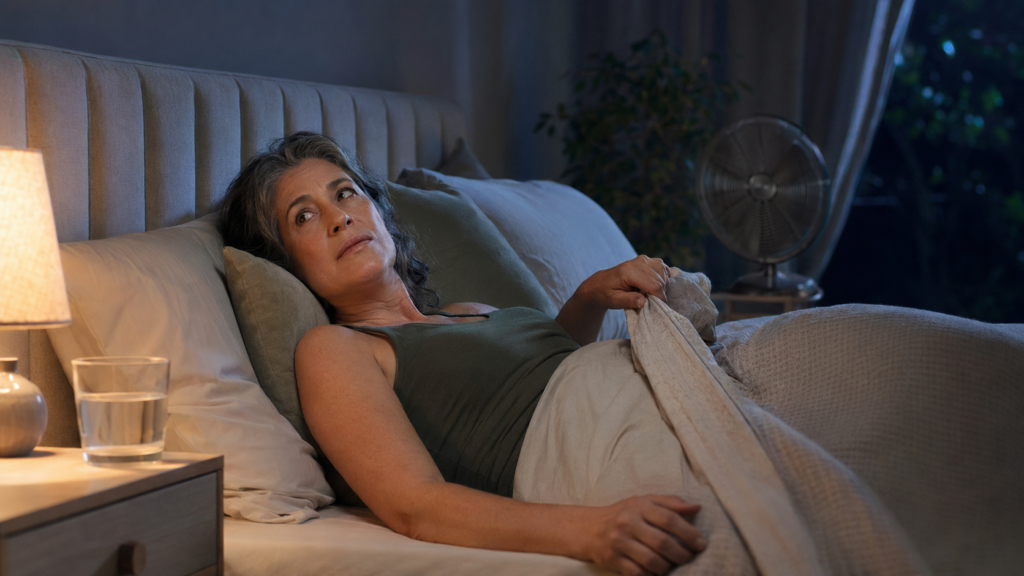
Sleep apnea is often overlooked in women because its symptoms may not match the familiar stereotype of extremely loud snoring followed by obvious gasping. Some women primarily experience insomnia, morning headaches, fatigue, mood changes, or repeated nighttime awakenings.
These symptoms can easily be attributed to hot flashes, stress, aging, or menopause itself. As a result, an underlying breathing disorder may remain undiagnosed.
If your main difficulty is falling asleep rather than breathing symptoms, Does Perimenopause Cause Insomnia? explains how hormonal fluctuations and chronic insomnia can overlap.
What Is Obstructive Sleep Apnea?
Obstructive sleep apnea, commonly abbreviated as OSA, occurs when the upper airway repeatedly narrows or closes during sleep.
When airflow is reduced or blocked:
- Breathing becomes shallow or temporarily stops.
- The oxygen level may fall.
- The brain briefly activates to restore breathing.
- Sleep is interrupted, even if you do not fully wake.
- The cycle may repeat many times during the night.
These repeated disruptions can prevent the body from maintaining restorative sleep. A person may spend seven or eight hours in bed but awaken feeling as though they barely slept.
Obstructive vs. Central Sleep Apnea
The two main forms are:
- Obstructive sleep apnea: Airflow is blocked because the throat muscles relax and the airway narrows.
- Central sleep apnea: The brain does not consistently send the signals required for breathing.
This article focuses primarily on obstructive sleep apnea because it is the type more commonly associated with menopause, age, body composition, and upper-airway changes.
Why Can Menopause Increase Sleep Apnea Risk?
Before menopause, women generally have a lower risk of obstructive sleep apnea than men. That difference becomes smaller during and after menopause.
The National Heart, Lung, and Blood Institute explains that women’s risk increases during and after menopause, partly because of hormonal changes. Menopause-related weight gain, including additional tissue around the neck, may also contribute.
Several factors may overlap.
Hormonal Changes
Estrogen and progesterone affect more than reproduction. They may influence:
- Upper-airway muscle activity
- Breathing control
- Sleep stability
- Body-fat distribution
- Inflammation
- Temperature regulation
- Metabolism
As these hormone levels change, the airway may become more vulnerable to narrowing during sleep.
This does not mean that low estrogen or progesterone is the only cause. Sleep apnea is usually influenced by multiple anatomical, hormonal, behavioral, and health-related factors.
Changes in Body Composition
Some women gain weight or notice a change in where body fat is stored during the menopause transition.
Additional tissue around the neck or upper body may place more pressure on the airway. However, sleep apnea can also occur in women who are not overweight.
A person’s jaw structure, tongue position, airway size, nasal obstruction, family history, and muscle tone may all affect risk.
Aging
Menopause and aging occur at approximately the same stage of life, making their individual effects difficult to separate.
With age:
- Throat muscle tone may decrease.
- Sleep may become lighter and more fragmented.
- Physical activity may decline.
- Certain medications may become necessary.
- Health conditions associated with sleep apnea may become more common.
Therefore, the answer to can menopause cause sleep apnea is more accurately stated this way: menopause may increase susceptibility, while aging, anatomy, weight, and other health factors determine the overall risk.
Menopause Symptoms Can Hide Sleep Apnea
Menopause and sleep apnea share several symptoms:
| Symptom | Possible menopause explanation | Possible sleep apnea explanation |
|---|---|---|
| Nighttime waking | Hot flashes or night sweats | Breathing interruptions |
| Insomnia | Hormonal changes or anxiety | Repeated respiratory arousals |
| Morning headache | Poor sleep or hormone changes | Overnight breathing disruption |
| Daytime fatigue | Menopause symptoms | Fragmented, nonrestorative sleep |
| Mood changes | Hormonal fluctuation | Chronic sleep disruption |
| Brain fog | Menopause transition | Poor sleep and reduced alertness |
| Night sweats | Vasomotor symptoms | Stress response during breathing events |
| Frequent urination | Urinary changes | Sleep apnea-related nighttime urination |
A woman may also have both conditions. A hot flash can cause one awakening, while sleep apnea causes several additional disruptions that she never remembers.
For a closer look at temperature symptoms and hormonal sleep disruption, see Why Can’t I Sleep During Menopause?.
9 Warning Signs of Sleep Apnea After Menopause
Possible warning signs include:
- Loud or irregular snoring
- Gasping, choking, or breathing pauses
- Frequent unexplained awakenings
- Morning headaches or a dry mouth
- Persistent fatigue despite enough time in bed
- Insomnia that does not improve with ordinary sleep changes
- Frequent nighttime urination
- Mood, memory, or concentration problems
- Dangerous daytime sleepiness
Having one symptom does not confirm sleep apnea. A combination of symptoms—especially witnessed breathing pauses, gasping, persistent exhaustion, or uncontrolled high blood pressure—makes professional assessment more important.
1. Loud or Irregular Snoring
Snoring occurs when air moving through a narrowed airway causes surrounding tissues to vibrate.
Sleep-apnea-related snoring may be:
- Loud
- Frequent
- Interrupted by silence
- Followed by a snort or gasp
- Worse while sleeping on the back
- More noticeable after drinking alcohol
- Accompanied by restless movement
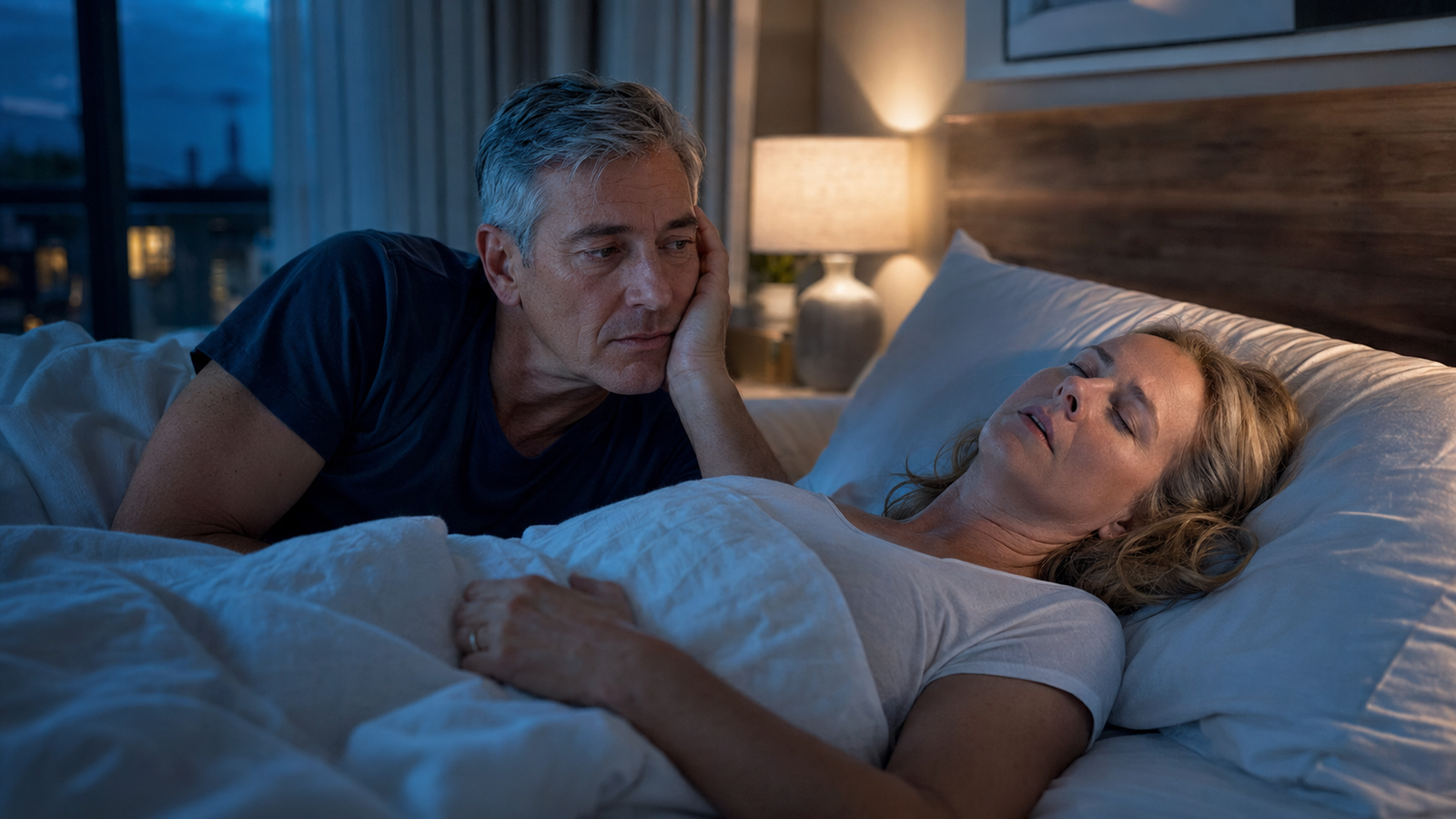
A partner may describe a repeating pattern:
- Loud snoring
- Sudden silence
- A pause in breathing
- Gasping or snorting
- Resumed snoring
This pattern deserves medical attention.
You Can Have Sleep Apnea Without Obvious Snoring
Not every woman with sleep apnea snores loudly. According to the NHLBI, women may more commonly report insomnia, fatigue, anxiety, depression, headaches, daytime sleepiness, and frequent awakenings.
Sleeping alone can also make snoring difficult to recognize.
Possible ways to gather useful information include:
- Asking a family member whether they have heard you snore
- Using an overnight audio recording for several nights
- Noting whether you wake with a dry mouth
- Recording unexplained gasping or racing-heart sensations
- Discussing symptoms with a healthcare professional
A phone recording may identify suspicious sounds, but it cannot diagnose sleep apnea or reliably measure oxygen levels.
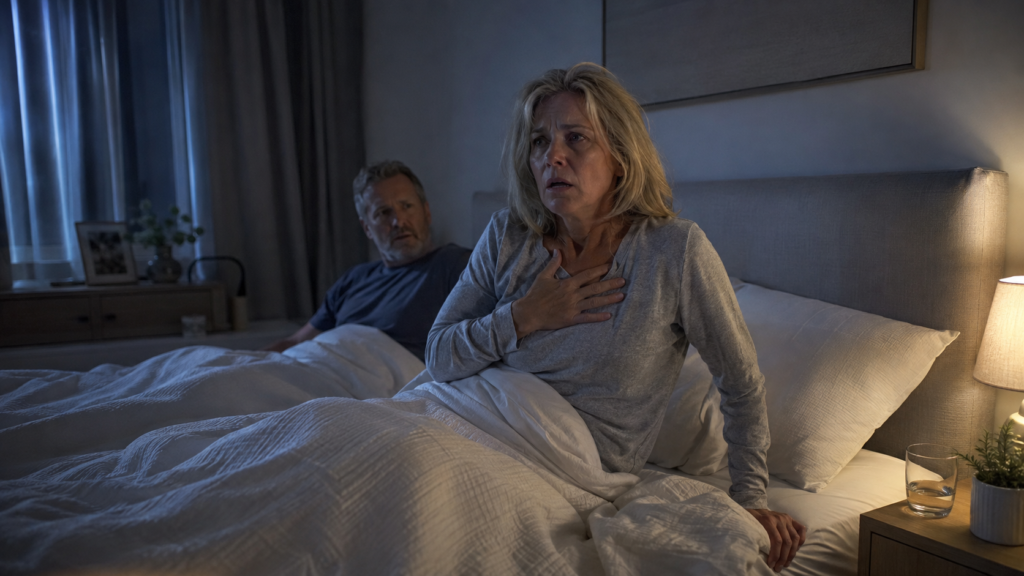
2. Gasping, Choking, or Witnessed Breathing Pauses
Gasping, choking, and breathing pauses are among the most concerning warning signs.
You may wake with:
- A sudden snort
- A choking sensation
- A racing heartbeat
- Shortness of breath
- Panic or confusion
- A feeling that your throat closed
- An urgent need to sit upright
- No clear memory of what caused the awakening
Another person may notice the breathing pauses before you do.
The brain’s brief response to an obstructed airway often happens too quickly for a lasting memory to form. You may therefore believe that you slept continuously while your sleep was repeatedly interrupted.
Not Every Gasp Is Sleep Apnea
Similar sensations may occur with:
- Acid reflux
- Nasal congestion
- Asthma
- Panic attacks
- Heart conditions
- Postnasal drip
- Central sleep apnea
- Certain medications
- Another respiratory condition
New or severe breathing difficulty, chest pain, fainting, bluish skin, or stroke-like symptoms requires urgent medical care.
3. Frequent Unexplained Awakenings
Sleep apnea does not always cause dramatic choking. It may simply create repeated brief awakenings.
You might:
- Wake many times without knowing why
- Change position repeatedly
- Feel hot after waking
- Notice a racing heartbeat
- Wake shortly after falling asleep
- Struggle to return to sleep
- Become increasingly anxious about bedtime
- Assume every awakening is caused by menopause
This overlap is one reason sleep apnea can be mistaken for insomnia.
If repeated awakenings are your main concern, Why Do I Wake Up at Night? reviews other possible triggers, including stress, pain, alcohol, temperature, and environmental disturbance.
A Sleep Diary Can Reveal the Pattern
For one to two weeks, record:
| What to track | What to note |
|---|---|
| Bedtime | When you entered bed |
| Sleep onset | Estimated time needed to fall asleep |
| Awakenings | Number and approximate timing |
| Breathing symptoms | Snoring, gasping, choking, or dry mouth |
| Menopause symptoms | Hot flashes, sweating, or chills |
| Morning symptoms | Headache, fatigue, or brain fog |
| Daytime condition | Sleepiness, concentration, and mood |
| Other factors | Alcohol, caffeine, medication, and sleep position |
The diary cannot prove can menopause cause sleep apnea, but it can help a clinician distinguish heat-related waking, persistent insomnia, and possible breathing disruption.
In Part 2, we’ll continue with warning signs 4 through 9, explain why sleep apnea may look different in women, and identify the risk factors that make professional testing especially important.
4. Morning Headaches or a Dry Mouth
Waking with a headache or dry mouth may indicate that breathing was disrupted during sleep.
Morning headaches associated with sleep apnea are often:
- Present immediately after waking
- Dull or pressure-like
- Felt across both sides of the head
- Improved within several hours
- Repeated on multiple mornings
- Accompanied by fatigue or poor concentration
Possible reasons include fragmented sleep, altered oxygen and carbon dioxide levels, teeth grinding, dehydration, and muscle tension.
Dry mouth may develop when nasal congestion or airway narrowing causes mouth breathing. You may also notice:
- A sore throat
- Cracked lips
- Bad breath
- A sticky feeling in the mouth
- Water beside the bed being emptied overnight
- Hoarseness after waking
Consider Other Causes
Morning headaches and dry mouth are not specific to sleep apnea. They may also result from:
- Dehydration
- Migraine
- Teeth grinding
- Nasal congestion
- Medication side effects
- Alcohol
- A dry bedroom
- High blood pressure
- Another headache disorder
Repeated morning headaches—especially when combined with snoring, gasping, or daytime sleepiness—should be discussed with a healthcare professional. Seek urgent care for a sudden severe headache, new neurological symptoms, fainting, chest pain, or confusion.
5. Persistent Fatigue Despite Enough Time in Bed
You may spend seven to nine hours in bed yet awaken feeling unrefreshed.
Repeated airway obstruction can trigger brief arousals that prevent stable, restorative sleep. Many of these interruptions are too short to remember.
You may experience:
- Heavy morning fatigue
- Difficulty getting out of bed
- Reduced physical energy
- Brain fog
- Slower thinking
- Irritability
- Poor motivation
- A strong afternoon energy crash
- Dependence on caffeine
- Feeling better only after sleeping much longer
Fatigue is particularly easy to attribute to menopause because hot flashes, mood changes, pain, and hormonal fluctuations can produce similar symptoms.
Fatigue and Sleepiness Are Different
Fatigue means feeling mentally or physically depleted. Sleepiness means being likely to doze.
Women with sleep apnea may describe either one. Some do not fall asleep during the day but still feel persistently exhausted, mentally foggy, or unable to perform at their usual level.
Ask yourself:
- Do I feel restored after sleep?
- Could I unintentionally doze while reading or watching television?
- Do I struggle to stay alert during meetings?
- Do I need caffeine simply to function?
- Has my performance changed since the sleep symptoms began?
The question can menopause cause sleep apnea becomes more important when menopause-related fatigue occurs alongside snoring, breathing pauses, dry mouth, headaches, or resistant high blood pressure.
6. Insomnia That Does Not Improve With Ordinary Sleep Changes
Sleep apnea does not always look like excessive daytime sleeping. In women, it may present as insomnia.
Possible patterns include:
- Difficulty falling asleep
- Frequent nighttime awakenings
- Early-morning waking
- Light or restless sleep
- Waking with a racing heart
- Remaining alert after a breathing-related arousal
- Developing anxiety about sleep
- Feeling tired but unusually alert at bedtime
You may already have tried:
- Cooling the bedroom
- Buying new bedding
- Reducing screen use
- Drinking herbal tea
- Using relaxation exercises
- Following a consistent bedtime
- Taking a sleep supplement
- Avoiding late meals
These changes may support healthier sleep, but they cannot keep an airway open when obstruction is the underlying problem.
Insomnia and Sleep Apnea Can Occur Together
A person can have both insomnia and obstructive sleep apnea. This combination is sometimes called COMISA, meaning comorbid insomnia and sleep apnea.
For example:
- Airway narrowing causes a brief arousal.
- You become fully alert.
- You notice the time and begin worrying.
- Anxiety makes returning to sleep difficult.
- The pattern repeats on later nights.
- The bed gradually becomes associated with wakefulness.
Treating only insomnia may leave the breathing problem unresolved. Treating only sleep apnea may not immediately remove learned sleep anxiety. Both conditions may require attention.
If your main concern is persistent insomnia during the hormonal transition, Does Perimenopause Cause Insomnia? explains the overlap in more detail.
7. Frequent Nighttime Urination
Waking repeatedly to urinate is often blamed on drinking too much water, aging, or menopause-related urinary changes. However, it can also occur with obstructive sleep apnea.
During breathing obstruction:
- Pressure inside the chest changes.
- The heart receives signals that may resemble excess fluid.
- Hormonal responses can increase urine production.
- You wake and notice that your bladder is not empty.
- The bathroom trip is remembered, while the breathing event is not.
This means urination may sometimes follow the awakening rather than cause it.
Track the Timing
For several nights, note:
- How often you use the bathroom
- Whether your bladder feels genuinely full
- Whether you wake gasping or with a racing heart
- Whether your mouth is dry
- Whether you were snoring beforehand
- How much fluid or alcohol you consumed
- Whether symptoms improve when sleeping on your side
Other possible causes include:
- Drinking large amounts before bed
- Alcohol or caffeine
- Diuretic medication
- Urinary tract infection
- Overactive bladder
- Diabetes
- Pregnancy
- Heart or kidney conditions
- Pelvic-floor changes
- Vaginal or urinary symptoms associated with menopause
Painful urination, blood in the urine, fever, excessive thirst, swelling, or a sudden major change requires medical evaluation.
8. Mood, Memory, or Concentration Problems
Repeated sleep disruption can affect emotional regulation and mental performance.
Possible symptoms include:
- Irritability
- Anxiety
- Depressed mood
- Forgetfulness
- Difficulty finding words
- Reduced patience
- Trouble concentrating
- Slower decisions
- Mistakes during familiar tasks
- Emotional sensitivity
- Reduced confidence
- Loss of interest or motivation
These symptoms overlap strongly with menopause and chronic insomnia. It may be difficult to determine whether hormonal changes, breathing disruption, stress, or several factors are responsible.
Look for Symptom Clusters
Sleep apnea becomes more concerning when cognitive or mood changes appear with:
- Habitual snoring
- Witnessed breathing pauses
- Gasping
- Morning headaches
- Dry mouth
- Nighttime urination
- Unrefreshing sleep
- High blood pressure
- Daytime sleepiness
Mood symptoms should not automatically be dismissed as “just menopause.” Depression and anxiety may require their own assessment, and untreated sleep apnea can make emotional symptoms harder to manage.
Seek prompt professional help if you experience persistent hopelessness, severe panic, thoughts of self-harm, or an inability to remain safe.
9. Dangerous Daytime Sleepiness
Daytime sleepiness is different from ordinary tiredness. It means struggling to remain awake during situations when you should be alert.
Warning signs include:
- Dozing while watching television
- Falling asleep while reading
- Nodding off during meetings
- Missing parts of conversations
- Drifting off as a passenger
- Struggling to stay awake at traffic lights
- Experiencing brief “microsleeps”
- Making mistakes while cooking or using equipment
- Needing repeated naps despite adequate time in bed
Driving Risk Requires Immediate Attention
Do not drive when you feel unable to stay awake. Opening a window, turning up music, or drinking coffee cannot reliably restore safe reaction time.
Arrange prompt medical assessment if sleepiness affects:
- Driving
- Childcare
- Operating machinery
- Working at heights
- Medication administration
- Any safety-sensitive responsibility
If another person can drive, ask for help. The appointment can wait for daylight; the motorway should not become a diagnostic laboratory.
Why Sleep Apnea May Look Different in Women
The familiar picture of sleep apnea often centers on a man who snores loudly and falls asleep during the day. Women may present differently.
They may report:
- Insomnia
- Frequent awakenings
- Fatigue rather than obvious sleepiness
- Morning headaches
- Anxiety or low mood
- Night sweats
- Restless sleep
- Palpitations
- Brain fog
- Nighttime urination
Some women experience shorter breathing disturbances or respiratory events concentrated during rapid eye movement, or REM, sleep. Symptoms may therefore be clinically important even when they appear less stereotypical.
Women are also more likely to discuss fatigue, menopause symptoms, mood, or insomnia before mentioning snoring. Clinicians need the complete symptom pattern.
Risk Factors After Menopause
Menopause may contribute to risk, but it rarely acts alone.
Age and Menopausal Status
Risk tends to rise during and after menopause. Hormonal changes, reduced upper-airway muscle activity, and age-related changes may overlap.
Weight or Body-Composition Changes
Additional tissue around the neck and upper body can narrow the airway. Changes in abdominal fat may also affect breathing mechanics.
However, body size alone cannot rule sleep apnea in or out. Women with a lower body weight may still develop it because of anatomy, genetics, nasal obstruction, or other factors.
Neck and Airway Anatomy
Risk may be influenced by:
- A naturally narrow airway
- A small or recessed lower jaw
- A large tongue
- Enlarged tonsils
- Nasal obstruction
- A larger neck circumference
- Family facial or airway structure
Sleeping on Your Back
Gravity may allow the tongue and surrounding tissues to narrow the airway more easily when you sleep on your back. This is called positional sleep apnea when events occur predominantly in that position.
Alcohol and Sedating Medication
Alcohol and certain sedatives relax airway muscles and reduce the brain’s response to breathing obstruction.
Never stop prescribed medication abruptly. Ask the prescribing clinician whether your medication could influence breathing or sleepiness.
Smoking and Nasal Congestion
Smoking can irritate and inflame the airway. Allergies, sinus problems, a deviated septum, or chronic nasal congestion may also make nighttime breathing more difficult.
Family History
Sleep apnea can run in families because relatives may share airway anatomy, body-composition tendencies, or other risk factors.
Related Health Conditions
Risk may be higher with conditions such as:
- High blood pressure
- Type 2 diabetes
- Cardiovascular disease
- Atrial fibrillation
- Stroke
- Polycystic ovary syndrome
- Hypothyroidism
- Chronic kidney disease
These conditions do not prove sleep apnea, but they can strengthen the reason to seek testing when symptoms are present.
Can Menopause Cause Sleep Apnea Without Weight Gain?
Yes, sleep apnea can emerge or become more noticeable after menopause even without significant weight gain.
Possible contributors include:
- Hormonal changes
- Reduced airway-muscle responsiveness
- Aging
- Changes in fat distribution that are not obvious on the scale
- Jaw or airway anatomy
- Family history
- Nasal obstruction
- Alcohol or sedative use
- Another medical condition
Statements such as “you cannot have sleep apnea because you are thin” are inaccurate. Weight is an important risk factor, not a diagnostic requirement.
Could Night Sweats Actually Be Related to Sleep Apnea?
Night sweats are commonly associated with menopause, but breathing events can also trigger sweating through repeated stress responses and nervous-system activation.
Consider possible breathing disruption if sweating occurs with:
- Loud snoring
- Choking or gasping
- A racing heart
- Morning headaches
- Dry mouth
- Frequent urination
- Severe fatigue
- Breathing pauses observed by another person
Menopause and sleep apnea can coexist, so determining that hot flashes are present does not automatically explain every awakening.
How Is Sleep Apnea Diagnosed?
Symptoms and questionnaires can estimate risk, but diagnosis requires objective sleep testing.
A clinician may review:
- Sleep symptoms
- Menopause status
- Medical and surgical history
- Current medication
- Blood pressure
- Airway and nasal anatomy
- Weight and neck measurements
- Family observations
- Cardiovascular or metabolic conditions
- Driving and occupational risks
Home Sleep Apnea Test
A home test typically records several measurements, such as airflow, breathing effort, heart rate, and oxygen levels.
It may be convenient for adults with a strong likelihood of uncomplicated obstructive sleep apnea. However, it measures less information than a laboratory study and can occasionally miss clinically important disease.
In-Laboratory Sleep Study
Polysomnography records sleep stages, brain activity, breathing, oxygen, heart rhythm, muscle activity, and body movement.
It may be preferred when:
- Symptoms are complex
- Another sleep disorder is suspected
- A home test is negative despite persistent concern
- Significant heart, lung, or neurological disease is present
- Central sleep apnea is possible
- Severe insomnia makes home-test results difficult to interpret
A normal or inconclusive home test does not always end the investigation. Discuss further evaluation if strong warning signs continue.
Understanding AHI and Test Results
The apnea-hypopnea index, or AHI, estimates the average number of complete or partial breathing interruptions per hour of sleep.
Results may also include:
- Oxygen saturation
- Time spent below a certain oxygen level
- Snoring
- Sleeping position
- Heart rate
- REM-related events
- Respiratory effort
- Arousal information
The AHI is important, but it should not be interpreted in isolation. Symptoms, oxygen changes, cardiovascular health, REM-related obstruction, and daytime safety also matter.
The answer to can menopause cause sleep apnea cannot be confirmed by symptoms alone. A professional sleep assessment distinguishes suspected risk from an actual diagnosis.
In Part 3, we’ll cover treatment options, including CPAP, oral appliances, positional therapy, weight management, menopause treatment, and practical steps to take while waiting for evaluation.
How Is Sleep Apnea After Menopause Treated?

Treatment depends on the type and severity of sleep apnea, oxygen changes, symptoms, anatomy, medical history, and personal preferences.
If testing confirms obstructive sleep apnea, a healthcare professional may recommend:
- Positive airway pressure therapy
- A custom oral appliance
- Positional therapy
- Weight management when appropriate
- Reduced alcohol and sedative exposure
- Treatment for nasal obstruction
- Surgery in selected cases
- Management of hot flashes or other menopause symptoms
The answer to can menopause cause sleep apnea may explain why risk rises, but treatment still needs to address the actual airway obstruction.
1. Positive Airway Pressure Therapy
Positive airway pressure, or PAP, delivers pressurized air through a mask to prevent the upper airway from collapsing during sleep.
The main types include:
- CPAP: Delivers continuous pressure throughout the breathing cycle
- APAP: Automatically adjusts pressure within a prescribed range
- BPAP: Provides different pressure levels during inhalation and exhalation
The National Heart, Lung, and Blood Institute describes PAP as the most common treatment for sleep apnea.
What CPAP May Improve
Effective treatment may reduce:
- Snoring
- Breathing pauses
- Gasping
- Morning headaches
- Dry mouth
- Nighttime urination
- Unrefreshing sleep
- Daytime sleepiness
- Concentration problems
Improvement is not always immediate. Some people notice greater alertness within days, while fatigue, insomnia, or anxiety may take longer to improve.
Common CPAP Problems and Solutions
| Problem | Possible adjustment to discuss |
|---|---|
| Dry nose or mouth | Heated humidifier or mask adjustment |
| Air leaking toward the eyes | Different mask size or design |
| Claustrophobia | Gradual daytime practice or a smaller interface |
| Nasal congestion | Humidification, saline, or medical assessment |
| Pressure feels uncomfortable | Ramp feature, APAP, or pressure review |
| Mouth opens during sleep | Full-face mask or another clinician-approved solution |
| Skin irritation | Mask refitting and proper cleaning |
| Difficulty falling asleep | CBT-I and gradual mask acclimation |
Do not independently alter prescribed pressure settings. Contact the sleep clinic or equipment provider when the mask leaks, causes pain, or repeatedly comes off.
The NHLBI recommends using PAP during all sleep, including naps, and discussing problems instead of abandoning treatment.
Practice Before Bed
To become more comfortable:
- Assemble the device during the day.
- Wear the mask without pressure for several minutes.
- Turn on the machine while reading or watching television.
- Practice calm breathing.
- Gradually extend the practice period.
- Use the device for the entire sleep period when possible.
The mask should feel secure, not as though it is negotiating custody of your face.
2. Custom Oral Appliance Therapy
A custom mandibular advancement device holds the lower jaw slightly forward to help maintain an open airway.
It may be considered for certain adults who:
- Have mild or moderate obstructive sleep apnea
- Prefer an oral appliance
- Cannot tolerate CPAP
- Have anatomy suitable for the device
- Need an alternative recommended by a sleep specialist
The appliance should be fitted and monitored by a dentist trained in sleep-related breathing disorders.
Possible Side Effects
These may include:
- Jaw discomfort
- Tooth sensitivity
- Excess saliva
- Dry mouth
- Temporary morning bite changes
- Long-term changes in tooth position or bite
- Temporomandibular joint symptoms
Regular dental follow-up helps identify complications and adjust the device.
A generic anti-snoring guard purchased online is not equivalent to a prescribed, adjustable oral appliance. Symptom improvement also does not prove that breathing and oxygen levels have normalized. Follow-up sleep testing may be needed.
3. Positional Therapy
Some people experience more airway obstruction while sleeping on their back.
Positional therapy encourages side sleeping through:
- A wearable vibration device
- A positional belt
- A specially designed sleep garment
- Clinician-approved pillow arrangements
- Training to recognize back-sleeping patterns
It is most useful when sleep testing confirms that breathing events occur mainly in the supine position.
Side sleeping may reduce obstruction, but it is not a reliable substitute for prescribed therapy in everyone. A person can still have significant apnea while sleeping on their side.
If changing position frequently wakes you, How to Choose the Best Sleeping Position offers practical ways to support more comfortable sleep posture.
4. Weight Management When Appropriate
Weight is not the only cause of sleep apnea, and thin women can develop the condition. However, reducing excess weight may decrease airway pressure and improve breathing in people for whom weight contributes to OSA.
A sustainable approach may include:
- Regular walking or aerobic activity
- Strength training
- Adequate protein and fiber
- Consistent meals
- Reduced highly processed foods
- Management of pain or mobility limitations
- Support from a qualified healthcare professional
- Prescription weight-management treatment when medically appropriate
Avoid crash diets. They can worsen fatigue, reduce muscle mass, and make long-term weight management more difficult.
Weight loss should not delay CPAP or another prescribed treatment. Sleep apnea may remain clinically important even after substantial weight reduction, so repeat testing may be necessary before stopping therapy.
5. Reduce Alcohol and Review Sedating Medication
Alcohol relaxes upper-airway muscles and may worsen obstruction, snoring, oxygen changes, and sleep fragmentation.
Consider:
- Avoiding alcohol near bedtime
- Tracking whether snoring worsens after drinking
- Not combining alcohol with sleep medication
- Discussing sedating prescriptions with a clinician
- Checking over-the-counter products for drowsiness warnings
Relevant medications may include certain:
- Sleep aids
- Anxiety medications
- Opioid pain medicines
- Muscle relaxants
- Sedating antihistamines
- Other products that reduce alertness or affect breathing
Never stop a prescribed medicine suddenly. A clinician can review the dose, timing, risks, and possible alternatives.
6. Treat Nasal Obstruction
Nasal congestion does not usually explain every airway event, but it can make nighttime breathing and PAP use more difficult.
Possible contributors include:
- Seasonal allergies
- Chronic sinus inflammation
- A deviated septum
- Nasal polyps
- Respiratory infection
- Irritating smoke or fragrances
- An overly dry bedroom
Management depends on the cause and may include saline, allergy treatment, humidification, or evaluation by an ear, nose, and throat specialist.
Do not use medicated decongestant sprays longer than directed because rebound congestion can occur.
7. Consider Surgery Only After Individual Evaluation
Surgery may be considered when anatomy significantly contributes to airway obstruction or when other treatment has not worked.
Procedures vary and may address:
- Enlarged tonsils
- Nasal obstruction
- Soft-palate tissue
- Tongue position
- Jaw structure
- Upper-airway nerve stimulation
Surgery is not one universal operation, and results differ according to anatomy and the selected procedure. Ask about expected benefits, recovery, complications, alternative treatments, and whether follow-up sleep testing will be required.
Does Menopause Hormone Therapy Treat Sleep Apnea?
Menopause hormone therapy may reduce hot flashes, night sweats, and related awakenings in suitable patients. Better control of those symptoms can improve overall sleep.
However, hormone therapy is not an established replacement for CPAP, an oral appliance, or another treatment prescribed for obstructive sleep apnea.
A woman can have:
- Hot-flash awakenings without sleep apnea
- Sleep apnea without obvious hot flashes
- Insomnia and sleep apnea together
- All three conditions at the same time
Treating hot flashes may improve comfort while airway obstruction continues. Similarly, CPAP may control breathing events while untreated night sweats continue to interrupt sleep.
Hormone treatment requires individualized assessment based on symptoms, age, menopausal stage, whether the uterus is present, surgical history, medical risks, and personal preferences.
Can Treating Sleep Apnea Improve Menopause Symptoms?
Treating sleep apnea may improve symptoms caused or aggravated by fragmented sleep, including:
- Fatigue
- Brain fog
- Irritability
- Morning headaches
- Nighttime urination
- Poor concentration
- Daytime sleepiness
- Some episodes of sweating associated with breathing events
It will not necessarily eliminate true vasomotor hot flashes or every menopause-related symptom.
Keep tracking symptoms after treatment begins. This makes it easier to distinguish breathing-related improvement from symptoms that require separate menopause care.
What to Do While Waiting for Sleep Testing
If an appointment or sleep study is delayed, take practical precautions without attempting to diagnose or treat yourself.
Record Useful Information
Track for one to two weeks:
- Bedtime and wake time
- Snoring or recorded breathing sounds
- Gasping or choking
- Morning headaches
- Dry mouth
- Nighttime urination
- Hot flashes and night sweats
- Alcohol and medication
- Sleep position
- Daytime sleepiness
- Driving difficulties
If a partner has observed breathing pauses, ask them to describe the pattern and approximate frequency.
Protect Daytime Safety
Until evaluated:
- Do not drive while sleepy.
- Arrange alternative transportation when needed.
- Avoid operating machinery when alertness is impaired.
- Take extra care when cooking or supervising children.
- Tell the clinician if sleepiness affects your occupation.
- Seek faster assessment if you experience microsleeps.
Use Low-Risk Supportive Measures
You may also:
- Sleep on your side if comfortable
- Avoid alcohol near bedtime
- Avoid unapproved sedating products
- Maintain a consistent sleep schedule
- Treat nasal congestion appropriately
- Keep the bedroom cool for menopause symptoms
- Obtain sufficient sleep opportunity
- Avoid smoking
These measures may help, but they cannot confirm that the airway remains open.
Avoid Unproven Sleep Apnea Remedies
Be cautious with products claiming to cure sleep apnea through:
- Mouth taping
- Essential oils
- Herbal supplements
- Anti-snoring sprays
- Magnetic devices
- Unregulated mouthguards
- Special pillows alone
- Breathing exercises alone
Mouth taping can be particularly unsuitable for people with nasal obstruction, breathing disorders, vomiting risk, or untreated sleep apnea. It should not be used as a substitute for medical assessment.
Snoring becoming quieter does not necessarily mean oxygen levels and breathing interruptions have normalized.
When to Request a Prompt Evaluation
Arrange medical assessment soon if you have:
- Witnessed breathing pauses
- Repeated choking or gasping
- Severe daytime sleepiness
- Morning headaches with snoring
- Resistant or poorly controlled high blood pressure
- New atrial fibrillation
- Frequent unexplained nighttime urination
- Persistent insomnia despite appropriate changes
- Significant cognitive or mood changes
- A near-miss or accident related to sleepiness
Seek urgent care for severe breathing difficulty while awake, chest pain, fainting, bluish lips, sudden confusion, or stroke-like symptoms.
A Simple Appointment Checklist
Bring the following information:
- A one- to two-week sleep diary
- Current medication and supplement list
- Menstrual and menopause symptom history
- Previous hysterectomy or ovarian surgery history
- Snoring or breathing recordings, if available
- A description from your sleep partner
- Blood-pressure readings
- Relevant family history
- Questions about home testing versus laboratory testing
- Details about driving or occupational risk
Ask:
- Do my symptoms suggest obstructive sleep apnea?
- Is a home test appropriate for me?
- What happens if the home test is negative?
- Could insomnia affect the test result?
- Which treatment fits my severity and anatomy?
- Will I need follow-up testing?
- Should my menopause symptoms be treated separately?
Understanding can menopause cause sleep apnea is only the beginning. Objective testing identifies whether breathing is actually disrupted, and individualized treatment protects sleep quality, daytime safety, and long-term health.
In Part 4, we’ll finish the article with frequently asked questions, final thoughts, internal and external resources, category, tags, and complete Rank Math SEO information.
Frequently Asked Questions
Can menopause cause sleep apnea suddenly?
Menopause may increase susceptibility to obstructive sleep apnea, but symptoms can appear suddenly when hormonal changes overlap with aging, weight or fat-distribution changes, nasal congestion, alcohol, sedating medication, or existing airway anatomy.
Why does sleep apnea risk increase after menopause?
Declining estrogen and progesterone may affect upper-airway muscle activity, breathing control, metabolism, and body-fat distribution. Aging and menopause-related weight changes may further increase risk. The NHLBI confirms that women’s risk rises during and after menopause. Learn more about sleep apnea in women.
Can a thin woman develop sleep apnea after menopause?
Yes. Excess weight is an important risk factor, but it is not required. A narrow airway, small jaw, large tongue, nasal obstruction, family history, aging, sleeping position, alcohol, and medication can contribute even at a lower body weight.
Can menopause cause sleep apnea without snoring?
Yes. Some women experience insomnia, fatigue, headaches, mood changes, frequent awakenings, or nighttime urination without obvious loud snoring. Sleeping alone can also make snoring and breathing pauses difficult to recognize.
Are night sweats a sign of sleep apnea or menopause?
They may be related to either condition. Menopausal hot flashes commonly cause sweating, while breathing interruptions may activate the body’s stress response. Snoring, gasping, dry mouth, headaches, and severe fatigue make sleep apnea more concerning.
Can hormone therapy cure sleep apnea?
No. Menopause hormone therapy may improve hot flashes and related awakenings in suitable patients, but it is not a replacement for CPAP, an oral appliance, or another prescribed sleep apnea treatment.
How do I know whether I have insomnia or sleep apnea?
Insomnia mainly involves difficulty falling asleep, staying asleep, or returning to sleep. Sleep apnea involves repeated breathing disruption, although it can also present as insomnia. A home sleep apnea test or laboratory sleep study may be needed to distinguish them.
Is a home sleep apnea test accurate for menopausal women?
It can identify obstructive sleep apnea in appropriately selected adults, but it records less information than laboratory polysomnography. A negative or inconclusive result may require further testing when symptoms remain strongly suggestive.
What is the most effective sleep apnea treatment?
The best treatment depends on severity, anatomy, oxygen changes, symptoms, and medical history. PAP therapy is the most common treatment, while oral appliances, positional therapy, lifestyle changes, nasal treatment, or surgery may suit selected patients. Review NHLBI treatment guidance.
When should I see a doctor?
Arrange an assessment for witnessed breathing pauses, gasping, persistent fatigue, repeated morning headaches, severe snoring, frequent nighttime urination, resistant high blood pressure, or daytime sleepiness. Do not drive when you cannot stay awake safely.
Final Thoughts
So, can menopause cause sleep apnea? Menopause may increase the risk, but it is rarely the only cause.
Hormonal changes can combine with aging, airway anatomy, body-composition changes, sleeping position, alcohol, medication, and existing health conditions. Women may also experience less stereotypical symptoms, including insomnia, fatigue, headaches, brain fog, mood changes, or repeated awakenings.
Do not assume that every disturbed night is simply a hot flash. Record your symptoms for one or two weeks and discuss suspicious breathing patterns with a healthcare professional. Objective testing is the only reliable way to confirm sleep apnea.
When obstructive sleep apnea is diagnosed, effective options include PAP therapy, a custom oral appliance, positional treatment, and carefully selected lifestyle or surgical approaches. Treating menopause symptoms may improve comfort, but the airway disorder still requires appropriate care.
Menopause may turn sleep into a complicated puzzle, but a sleep study is considerably more useful than arguing with the pieces at 3 a.m.
Medical disclaimer: This article provides general educational information and does not replace professional diagnosis or individualized medical care. Consult a qualified healthcare professional before changing medication, beginning hormone therapy, or treating suspected sleep apnea.
Internal Links
- Does Perimenopause Cause Insomnia?
- Why Can’t I Sleep During Menopause?
- Why Do I Wake Up at Night?
- How to Choose the Best Sleeping Position