

Why Do I Wake Up With Stomach Pain? 9 Common Causes (2026)
Why do I wake up with stomach pain? Morning abdominal discomfort may be related to gas, indigestion, acid reflux, gastritis, constipation, food intolerance, medication effects, stress, or a medical condition involving another abdominal organ.
The discomfort may begin before you open your eyes, appear when you sit up, or become noticeable after drinking water or eating breakfast. Some people experience mild bloating or burning, while others wake with sharp cramps, nausea, diarrhea, or pain that spreads toward the chest or back.
An occasional mild stomachache may follow a heavy evening meal. However, repeated, worsening, or severe morning pain should not automatically be blamed on what you ate. Your abdomen contains the stomach, intestines, liver, gallbladder, pancreas, kidneys, bladder, and reproductive organs, so “stomach pain” can have many possible sources.
This guide explains nine possible answers to why do I wake up with stomach pain, the symptoms that can help distinguish them, practical steps you can take, and the warning signs that require urgent medical care.
Emergency warning: Seek emergency medical care for sudden or severe abdominal pain, a hard or extremely tender abdomen, vomiting blood, black or bloody stools, fainting, difficulty breathing, chest pressure, persistent vomiting, or pain following a significant injury.
Where Does the Pain Occur?
Before trying to identify the cause, notice where the discomfort is strongest.
| Location | Possible sources |
|---|---|
| Upper middle abdomen | Indigestion, gastritis, peptic ulcer, pancreas |
| Upper right abdomen | Gallbladder, liver, stomach, intestines |
| Upper left abdomen | Stomach, pancreas, spleen, intestines |
| Lower right abdomen | Appendix, intestine, urinary or reproductive organs |
| Lower left abdomen | Colon, constipation, urinary or reproductive organs |
| Pain throughout the abdomen | Gas, infection, food intolerance, constipation, or another widespread condition |
Location alone cannot confirm a diagnosis. Abdominal pain can move, spread, or be felt away from the organ causing it.
How Does the Pain Feel?
Try to determine whether the discomfort is:
- Burning
- Cramping
- Aching
- Sharp or stabbing
- Dull and persistent
- Coming and going in waves
- Associated with bloating or pressure
- Worse when lying flat
- Improved after passing gas or having a bowel movement
- Triggered by eating
- Worse when your stomach is empty
- Spreading into your chest, shoulder, side, or back
According to MedlinePlus, cramp-like abdominal pain is often associated with gas and bloating, while severe pain that comes in waves may occur with conditions such as kidney stones or gallstones.
Also record whether the pain occurs with nausea, vomiting, diarrhea, constipation, fever, urinary symptoms, heartburn, dizziness, or unexplained weight loss.
If nausea is one of your main symptoms, read Why Do I Wake Up Nauseous? 9 Common Causes and Fixes to compare the timing and accompanying signs.
When Is Morning Stomach Pain an Emergency?
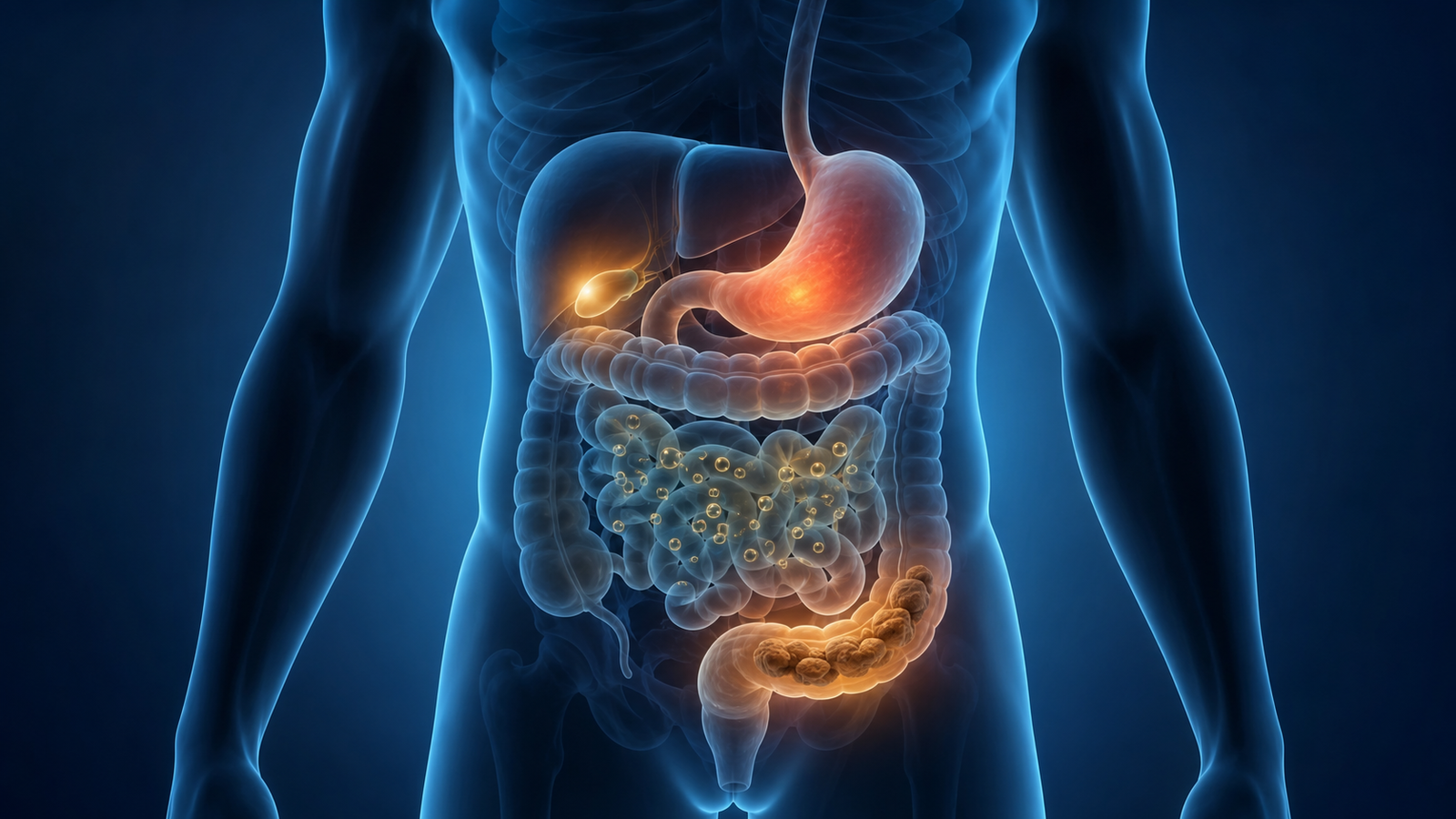
Many causes of abdominal discomfort are not emergencies. However, the intensity of pain does not always reveal how serious the underlying condition is.
Seek immediate medical care if morning stomach pain occurs with:
- Sudden, severe, or rapidly worsening pain
- A rigid, swollen, or extremely tender abdomen
- Vomit containing bright-red blood
- Vomit resembling coffee grounds
- Black, tarry, maroon, or bloody stools
- Fainting, confusion, or severe weakness
- Cold, pale, or clammy skin
- A rapid pulse with dizziness
- Difficulty breathing
- Chest pressure or spreading chest pain
- Persistent vomiting or an inability to keep fluids down
- Yellow skin or eyes
- High fever with severe pain
- Pain after an abdominal injury
- A pulsating abdominal lump with severe pain
The National Institute of Diabetes and Digestive and Kidney Diseases advises urgent medical attention for symptoms such as black stools, bloody or coffee-ground-like vomit, sudden severe abdominal pain, dizziness, fainting, or signs of shock.
Do not assume upper abdominal discomfort is always digestive. Heart problems can sometimes cause discomfort in the upper abdomen together with nausea, sweating, breathlessness, or chest pressure. Review Why Do I Wake Up With Chest Pain? 9 Possible Causes and seek emergency help when heart-related warning signs are present.
1. Gas and Bloating Can Build Up Overnight
Gas is one of the more common explanations for mild, cramp-like discomfort after waking.
Gas normally enters the digestive system when you swallow air and when intestinal bacteria break down carbohydrates that were not completely digested. Remaining still in bed may make bloating or pressure more noticeable when you wake.
The National Institute of Diabetes and Digestive and Kidney Diseases identifies belching, bloating, abdominal distention, and passing gas as common gas-related symptoms.
Morning gas may be more noticeable after:
- Eating a large dinner
- Eating shortly before bedtime
- Drinking carbonated beverages
- Eating quickly
- Chewing gum
- Drinking through a straw
- Consuming foods that personally trigger gas
- Swallowing air while smoking
- Having constipation
- Eating certain poorly absorbed carbohydrates
- Experiencing a food intolerance
Clues That Gas May Be Causing the Pain
Gas-related discomfort often:
- Feels crampy rather than constant
- Changes location
- Occurs with bloating
- Improves after passing gas
- Improves after a bowel movement
- Follows particular meals
- Comes without fever, bleeding, or persistent vomiting
Severe, localized, or persistent pain should not be dismissed as trapped gas. Seek medical advice when bloating repeatedly disrupts sleep, accompanies weight loss or bleeding, or does not improve after passing gas or having a bowel movement.
What May Help?
Keep a record of your evening meal, eating time, symptoms, and bowel habits. Eating more slowly, avoiding unusually large late meals, and reducing only the foods that consistently trigger symptoms may help.
Avoid eliminating multiple food groups without a clear reason. Unnecessarily restrictive diets can create nutritional problems and make the true trigger harder to identify.
2. Indigestion or Acid Reflux May Irritate the Upper Abdomen
Indigestion, also called dyspepsia, can cause pain, burning, or discomfort in the upper abdomen. It may also produce early fullness, bloating, belching, or nausea.
Acid reflux occurs when stomach contents travel upward into the esophagus. Symptoms may become more noticeable at night because lying flat removes some of gravity’s help in keeping stomach contents down.
Possible morning clues include:
- Burning in the upper abdomen or chest
- A sour or bitter taste
- Frequent belching
- Regurgitation
- Nausea
- Hoarseness
- A dry cough
- Throat irritation
- Symptoms after a large or late meal
- Discomfort that worsens when lying flat
The National Institute of Diabetes and Digestive and Kidney Diseases explains that GERD may cause heartburn and regurgitation, but some people instead experience nausea, chest discomfort, swallowing problems, coughing, or hoarseness.
Evening Habits That May Worsen Symptoms
Symptoms may become more noticeable after:
- Eating close to bedtime
- Consuming a very large meal
- Drinking alcohol
- Smoking
- Lying down immediately after eating
- Eating foods that repeatedly trigger your symptoms
- Taking certain medicines
- Sleeping completely flat when reflux is already present
Alcohol may initially make you sleepy while later disturbing sleep and aggravating digestive symptoms. Does Alcohol Help You Sleep? What Science Says explains why alcohol can lead to fragmented sleep and uncomfortable nighttime awakenings.
Practical Steps to Consider
You may reduce mild nighttime reflux symptoms by:
- Finishing larger meals at least several hours before bed.
- Eating a smaller evening meal.
- Remaining upright after eating.
- Tracking personal food and drink triggers.
- Limiting alcohol near bedtime.
- Avoiding smoking.
- Discussing persistent symptoms with a healthcare professional.
Do not use antacids or acid-suppressing medicines every day without professional guidance. Recurring upper abdominal pain may require evaluation for GERD, gastritis, an ulcer, medication effects, or another digestive condition.
Seek prompt medical care if reflux-like discomfort occurs with trouble swallowing, persistent vomiting, unexplained weight loss, anemia, bleeding, or severe chest or abdominal pain.
3. Gastritis or a Peptic Ulcer Can Cause Upper Stomach Pain
Gastritis is inflammation of the stomach lining, while gastropathy involves damage to the lining with little or no inflammation. A peptic ulcer is an open sore in the stomach or the first part of the small intestine.
These conditions may help explain why do I wake up with stomach pain, particularly when the discomfort is concentrated in the upper middle abdomen.
Possible symptoms include:
- Burning or aching upper abdominal pain
- Nausea or vomiting
- Loss of appetite
- Feeling full unusually quickly
- Excessive fullness after eating
- Bloating or belching
- Unexplained weight loss
- Pain that changes after eating
- Symptoms that recur when the stomach is empty
The National Institute of Diabetes and Digestive and Kidney Diseases notes that gastritis and gastropathy may cause upper abdominal discomfort, nausea, vomiting, early fullness, reduced appetite, and weight loss. However, some people have no noticeable symptoms.
What Can Irritate the Stomach Lining?
Potential contributors include:
- Helicobacter pylori infection
- Regular use of NSAID pain relievers
- Heavy alcohol consumption
- Smoking
- Severe physical illness or injury
- Autoimmune disease
- Certain medications or supplements
- Previous stomach surgery
- Bile reflux
NSAIDs include medicines such as aspirin, ibuprofen, and naproxen. Do not stop prescribed aspirin or another medication without consulting the healthcare professional who recommended it.
Diet is not responsible for most cases of gastritis, although certain foods or drinks may aggravate symptoms in an individual. Simply removing spicy food may provide temporary relief without addressing an ulcer, infection, or medication-related injury.
Signs of Possible Bleeding
Seek urgent medical care if the pain occurs with:
- Black or tarry stools
- Red or maroon blood in the stool
- Vomiting blood
- Vomit that resembles coffee grounds
- Sudden severe abdominal pain
- Dizziness or fainting
- Rapid heartbeat
- Pale, cold, or clammy skin
A clinician may use blood, stool, or breath testing to check for H. pylori. Upper gastrointestinal endoscopy may be recommended when symptoms persist or warning signs are present.
Avoid treating recurring pain indefinitely with over-the-counter acid medicines. The appropriate treatment depends on the cause and may involve eradicating H. pylori, changing an irritating medication under medical supervision, or using prescribed acid-reducing treatment.
4. Constipation or Irritable Bowel Syndrome May Cause Morning Cramps
Constipation can produce abdominal aching, pressure, gas, and bloating that remain noticeable overnight. The discomfort may improve after passing stool or gas.
Possible signs of constipation include:
- Fewer than three bowel movements per week
- Hard, dry, or lumpy stools
- Straining
- Painful bowel movements
- A feeling that stool remains
- Abdominal fullness
- Bloating or cramping
These are among the symptoms described by the National Institute of Diabetes and Digestive and Kidney Diseases.
Constipation may be associated with insufficient dietary fiber, inadequate fluid intake, limited physical activity, changes in routine, certain medications, pregnancy, or medical conditions affecting the digestive or nervous system.
Could It Be Irritable Bowel Syndrome?
Irritable bowel syndrome, or IBS, causes recurring abdominal pain together with changes in bowel movements. Depending on the type, a person may experience constipation, diarrhea, or both.
Common clues include:
- Pain related to bowel movements
- Repeated changes in stool frequency or appearance
- Bloating
- Gas
- Mucus in the stool
- Feeling that a bowel movement is incomplete
- Symptoms that flare during stressful periods
- No visible digestive-tract damage on routine testing
The NIDDK’s IBS guidance identifies abdominal pain related to bowel movements and altered bowel habits as the main pattern.
IBS is a disorder of gut-brain interaction, but that does not mean the symptoms are imaginary. Stress may affect both digestive symptoms and sleep quality. The relationship between stress and nighttime rest is explained further in How Does Stress Affect Sleep? 9 Powerful Connections.
Practical Steps That May Help
For mild symptoms without warning signs:
- Record bowel movements and evening symptoms.
- Drink an appropriate amount of fluid during the day.
- Increase fiber gradually rather than suddenly.
- Maintain regular physical activity when medically appropriate.
- Avoid repeatedly delaying the urge to use the bathroom.
- Discuss medications that may cause constipation with a doctor or pharmacist.
Adding a large amount of fiber too quickly can worsen gas and bloating. People with persistent symptoms may need an individualized plan rather than a highly restrictive diet or frequent laxative use.
Seek prompt medical advice if constipation or suspected IBS occurs with rectal bleeding, fever, persistent vomiting, anemia, unexplained weight loss, severe localized pain, or symptoms that begin later in life without an obvious explanation.
5. Food Intolerance or a Gastrointestinal Infection May Be Responsible
Morning pain can sometimes reflect something consumed the previous evening. However, food intolerance and gastrointestinal infection are different problems.
A food intolerance usually causes digestive symptoms after a particular food or ingredient. An infection is caused by a virus, bacterium, parasite, or contaminated food and is more likely to cause sudden illness.
Signs of a Food Intolerance
Possible symptoms include:
- Abdominal cramps
- Gas
- Bloating
- Diarrhea
- Nausea
- Rumbling or pressure
- A repeatable connection with a particular food
Lactose intolerance is one example. It occurs when the small intestine does not produce enough lactase to digest lactose effectively. Undigested lactose reaches the colon, where bacteria create additional gas and fluid.
The NIDDK lists bloating, diarrhea, gas, nausea, and abdominal pain as possible symptoms.
Do not assume every reaction to dairy is lactose intolerance. Milk allergy involves the immune system and can cause hives, swelling, wheezing, breathing difficulty, or anaphylaxis. Breathing difficulty or swelling of the lips, tongue, or throat requires emergency care.
Other disorders, including celiac disease, IBS, inflammatory bowel disease, and small-intestinal bacterial overgrowth, may create similar digestive symptoms. Avoid beginning a strict gluten-free diet before celiac testing because removing gluten may affect test results.
Signs of a Stomach Infection or Foodborne Illness
A gastrointestinal infection may be more likely when symptoms begin suddenly and include:
- Watery diarrhea
- Repeated vomiting
- Nausea
- Abdominal cramps
- Fever
- Headache
- Body aches
- Recent contact with someone who was ill
- Other people becoming sick after the same meal
The Centers for Disease Control and Prevention identifies diarrhea, abdominal pain or cramps, nausea, vomiting, and fever as common signs of foodborne illness.
Preventing Dehydration
Vomiting and diarrhea can cause significant fluid and electrolyte loss. Take small, frequent sips of an appropriate rehydration fluid if you can keep liquids down.
If fluid loss leaves you weak or lightheaded after waking, Why Do I Wake Up Dizzy? 9 Causes and Smart Solutions explains additional warning signs that should not be ignored.
Seek medical care promptly for:
- Bloody or black diarrhea
- Frequent vomiting
- Inability to keep fluids down
- Very little urination
- Severe thirst or dry mouth
- Confusion or fainting
- Severe or localized abdominal pain
- High fever
- Diarrhea lasting more than three days
- Symptoms in a pregnant, older, immunocompromised, or medically vulnerable person
Do not automatically take leftover antibiotics or anti-diarrheal medicine. Treatment depends on the organism and the person’s condition, and certain medications may be unsafe when fever or bloody diarrhea is present.
Comparing Causes 3–5
| Possible cause | Common clues |
|---|---|
| Gastritis or ulcer | Burning upper abdominal pain, nausea, early fullness, symptoms related to eating or an empty stomach |
| Constipation | Hard or infrequent stools, straining, bloating, relief after a bowel movement |
| IBS | Recurring pain related to bowel movements with diarrhea, constipation, or both |
| Food intolerance | Repeatable gas, bloating, cramps, or diarrhea after a particular food |
| Gastrointestinal infection | Sudden cramps, vomiting, diarrhea, fever, or illness affecting others |
These patterns may narrow the possibilities, but they cannot establish a diagnosis. More than one condition can occur at the same time, and persistent morning pain deserves professional evaluation.
6. Medication or Supplement Side Effects Can Cause Stomach Pain
Medicines and dietary supplements are another possible explanation for why do I wake up with stomach pain, especially when symptoms began after starting a new product, increasing a dose, or changing when you take it.
Products that may affect the digestive system include:
- NSAID pain relievers such as aspirin, ibuprofen, and naproxen
- Antibiotics
- Iron supplements
- Opioid pain medicines
- Metformin and some other diabetes medicines
- Certain weight-loss medicines
- Antacids containing aluminum or calcium
- Some antidepressants
- Potassium supplements
- Magnesium-containing products
- Herbal supplements
Possible effects include stomach irritation, nausea, diarrhea, constipation, gas, cramping, or delayed stomach emptying. Taking certain medicines shortly before lying down or on an empty stomach may make discomfort more noticeable overnight.
The National Institute of Diabetes and Digestive and Kidney Diseases notes that iron supplements, opioid pain medicines, some antidepressants, calcium channel blockers, and several other medicines can contribute to constipation.
Clues That a Medicine May Be Involved
Medication-related discomfort may be more likely when:
- Pain began after starting a medicine or supplement
- Symptoms appeared after a dose increase
- The discomfort follows a consistent dosing pattern
- You recently added an over-the-counter product
- You take several medicines with digestive side effects
- Pain occurs with new constipation, diarrhea, nausea, or heartburn
Review prescriptions, over-the-counter medicines, vitamins, and supplements with a doctor or pharmacist. Include the doses and the times you take them.
Do not abruptly stop a prescribed medicine. Instead, ask whether changing the dose, timing, formulation, or medication under professional supervision might help.
Seek urgent care for severe abdominal pain, vomiting blood, black stools, facial or throat swelling, trouble breathing, fainting, jaundice, or persistent vomiting.
7. Stress and Anxiety Can Affect the Gut
Stress and anxiety can produce genuine digestive symptoms through the connection between the brain and digestive system.
During periods of stress, changes in muscle tension, gut movement, pain sensitivity, and eating habits may contribute to:
- Abdominal cramps
- Nausea
- Bloating
- Diarrhea
- Constipation
- Indigestion
- Loss of appetite
- A “knotted” feeling in the stomach
The National Center for Complementary and Integrative Health explains that chronic stress may contribute to or worsen digestive disorders and sleep problems.
Morning discomfort may be more noticeable after a restless night, a late stress-related meal, or waking with anxious thoughts. However, stress should not automatically be blamed for persistent or localized pain.
Signs Stress May Be Contributing
Stress-related symptoms may:
- Flare during emotionally difficult periods
- Improve during calmer periods
- Occur with muscle tension or a racing heartbeat
- Accompany diarrhea or constipation
- Worsen after poor sleep
- Appear without bleeding, fever, or persistent vomiting
The relationship can work in both directions: stress may aggravate digestive symptoms, while recurring abdominal pain may increase anxiety and interfere with sleep. How Does Stress Affect Sleep? 9 Powerful Connections explains this cycle in more detail.
Helpful measures may include regular meals, gentle physical activity, a consistent sleep schedule, slow breathing, and professional support for persistent anxiety. These strategies should complement—not replace—medical evaluation.
Seek medical care when pain is new, worsening, repeatedly wakes you, or occurs with weight loss, anemia, fever, bleeding, vomiting, or a change in bowel habits.
8. Gallbladder, Pancreas, or Another Organ May Be Involved
Not every symptom described as stomach pain begins in the stomach. The gallbladder, pancreas, appendix, kidneys, urinary tract, and other organs can produce abdominal pain that becomes noticeable during the night or after waking.
Gallbladder Pain
A gallbladder attack typically causes pain in the upper-right abdomen and may follow a heavy or fatty meal. The pain may also spread toward the back or right shoulder.
According to the NIDDK’s gallstone guidance, gallbladder attacks often occur during the evening or at night and may last several hours.
Possible accompanying symptoms include:
- Nausea or vomiting
- Upper-right abdominal tenderness
- Pain after eating
- Fever or chills
- Yellow skin or eyes
- Dark urine or pale stools
Seek prompt medical care for prolonged upper-right pain, fever, jaundice, or repeated vomiting.
Pancreatic Pain
Pancreatitis can cause upper abdominal pain that spreads into the back. Pain may begin suddenly or gradually and can become severe.
The National Institute of Diabetes and Digestive and Kidney Diseases lists upper abdominal pain, nausea, vomiting, fever, a rapid heartbeat, and abdominal tenderness among possible symptoms of acute pancreatitis.
Severe or worsening upper abdominal pain that spreads to the back requires urgent medical evaluation, especially when accompanied by vomiting, fever, breathlessness, or jaundice.
Other Possible Organ-Related Causes
The location and pattern may suggest other possibilities:
- Kidney stone: Severe side or back pain that may move toward the groin, often with nausea or blood in the urine
- Urinary infection: Lower abdominal discomfort, burning urination, urgency, or fever
- Appendicitis: Pain that may begin near the navel and move to the lower-right abdomen
- Liver or bile-duct problem: Upper-right pain with jaundice, itching, dark urine, or pale stools
- Bowel obstruction: Cramping, swelling, vomiting, and inability to pass stool or gas
Do not attempt to diagnose these conditions from pain location alone. Examination, blood tests, urine tests, ultrasound, or other imaging may be needed.
Comparing Causes 6–8
| Possible cause | Common clues |
|---|---|
| Medication or supplement effect | Symptoms begin after a new product, dose change, or altered dosing schedule |
| Stress or anxiety | Symptoms fluctuate with stress and may occur with poor sleep or changed bowel habits |
| Gallbladder problem | Upper-right pain, often after a heavy meal, possibly spreading to the back or shoulder |
| Pancreatitis | Persistent upper abdominal pain spreading to the back, nausea, vomiting, or fever |
| Kidney or urinary problem | Side, back, or lower abdominal pain with urinary symptoms |
| Appendicitis or obstruction | Increasing localized pain, swelling, vomiting, fever, or inability to pass gas or stool |
These clues cannot confirm the cause. Morning abdominal pain that is severe, localized, persistent, or accompanied by warning signs should be evaluated promptly.
9. Pelvic or Reproductive Conditions Can Feel Like Stomach Pain
Pelvic pain is another possible explanation for why do I wake up with stomach pain, particularly when discomfort occurs below the navel or on one side of the lower abdomen.
Possible causes include:
- Menstrual cramps
- Ovulation pain
- Ovarian cysts
- Endometriosis
- Pelvic inflammatory disease
- Urinary or bladder conditions
- Pregnancy-related changes
- Ectopic pregnancy
Pelvic pain may occur with vaginal bleeding, unusual discharge, painful urination, pain during sex, nausea, bloating, or changes in the menstrual cycle.
MedlinePlus explains that pelvic discomfort can arise from reproductive organs, the urinary tract, lower intestines, muscles, or bones. The location alone therefore cannot identify its source.
When Is Pelvic Pain an Emergency?
Seek emergency care for:
- Sudden, severe, one-sided pelvic pain
- Pain with fainting, dizziness, or marked weakness
- Heavy vaginal bleeding
- Severe pain with nausea or vomiting
- Abdominal or pelvic pain during a possible pregnancy
- Shoulder pain with pelvic pain or vaginal bleeding
- Fever with worsening lower abdominal pain
An ovarian cyst can occasionally rupture or cause the ovary to twist. MedlinePlus identifies sudden severe pelvic pain with nausea or vomiting as a possible sign of ovarian torsion or cyst rupture.
Ectopic pregnancy is also a medical emergency. Anyone who could be pregnant and develops one-sided abdominal pain, bleeding, shoulder pain, dizziness, or fainting should seek immediate medical help—even without a confirmed pregnancy test.
How Will a Doctor Evaluate Morning Stomach Pain?
A healthcare professional may ask:
- Where is the pain strongest?
- When did it begin?
- Does it burn, cramp, ache, or come in waves?
- Does eating make it better or worse?
- Does it improve after passing gas or stool?
- Does it wake you during the night?
- Do you have nausea, vomiting, reflux, fever, or bowel changes?
- Have you noticed blood or black stool?
- Have you recently started a medicine or supplement?
- Is pregnancy possible?
- Have you previously had abdominal surgery?
Depending on the symptoms, evaluation may include:
- An abdominal examination
- Blood and urine tests
- Stool testing
- Pregnancy testing when applicable
- Testing for H. pylori
- Abdominal or pelvic ultrasound
- CT or MRI imaging
- Upper gastrointestinal endoscopy
- Colonoscopy when clinically indicated
Keep a short symptom record containing the pain location, duration, evening meals, bowel movements, medications, and accompanying symptoms. Do not delay emergency care to complete a diary.
How Can You Reduce Mild Morning Stomach Pain?
The correct treatment depends on the cause. For mild, occasional discomfort without warning signs:
- Avoid unusually large meals shortly before bed.
- Eat slowly and observe personal food triggers.
- Remain upright after an evening meal.
- Drink an appropriate amount of fluid during the day.
- Increase dietary fiber gradually if constipation is present.
- Limit alcohol near bedtime.
- Avoid smoking.
- Review medicines and supplements with a doctor or pharmacist.
- Maintain a regular sleep and meal schedule.
- Arrange an evaluation if symptoms keep returning.
Avoid extreme elimination diets, repeated laxative use, leftover antibiotics, or daily acid-suppressing medication without professional advice. A treatment that helps one cause can worsen or conceal another.
Frequently Asked Questions
Is it normal to wake up with stomach pain?
Occasional mild discomfort may follow a large meal, gas, constipation, or indigestion. Recurring, persistent, localized, or worsening pain is not something to ignore and should be medically evaluated.
Why does my stomach hurt when I wake up but improve after eating?
Pain that improves after eating may occur with hunger, excess stomach acid, gastritis, or a peptic ulcer. The pattern alone cannot confirm the cause. Seek advice if it happens frequently or occurs with vomiting, weight loss, anemia, or bleeding.
Why does my stomach hurt after eating late at night?
Large or late meals can contribute to indigestion, gas, bloating, and acid reflux. Lying down soon after eating may make reflux more noticeable. Persistent symptoms may require evaluation for GERD, gastritis, an ulcer, or delayed stomach emptying.
Can anxiety cause stomach pain every morning?
Anxiety can affect intestinal movement, muscle tension, appetite, and sensitivity to pain. However, anxiety should not automatically be considered the cause of new or persistent abdominal pain. Physical conditions should be assessed when symptoms continue.
Why do I wake up with stomach pain and nausea?
Possible causes include indigestion, acid reflux, gastritis, an ulcer, infection, medication effects, gallbladder disease, or pregnancy-related conditions. Compare accompanying symptoms in Why Do I Wake Up Nauseous? 9 Common Causes and Fixes.
When should I worry about morning stomach pain?
Seek urgent care for severe or rapidly worsening pain, a rigid abdomen, repeated vomiting, fever, jaundice, fainting, difficulty breathing, or an inability to pass stool or gas. Vomiting blood and black or bloody stool require emergency care.
Final Thoughts
The answer to why do I wake up with stomach pain may involve gas, reflux, gastritis, an ulcer, constipation, IBS, food intolerance, infection, medication effects, stress, gallbladder or pancreatic disease, or a pelvic condition.
Notice the location, timing, triggers, bowel changes, and accompanying symptoms, but avoid diagnosing the cause from one clue alone. Adjusting late meals and tracking symptoms may help with mild occasional discomfort, while recurring or unexplained pain deserves professional evaluation.
Treat sudden severe pain, gastrointestinal bleeding, fainting, breathing difficulty, a rigid abdomen, or severe pregnancy-related pain as an emergency.
Related Articles
Read Why Do I Wake Up Nauseous? 9 Common Causes and Fixes when abdominal discomfort occurs with nausea.
See Why Do I Wake Up Dizzy? 9 Causes and Smart Solutions if pain is accompanied by morning dizziness or faintness.
Review Why Do I Wake Up With Chest Pain? 9 Possible Causes when upper abdominal discomfort spreads toward the chest.
Read How Does Stress Affect Sleep? 9 Powerful Connections if stress appears to worsen both digestive symptoms and sleep.