Can Menopause Cause Restless Legs? 7 Causes and Solutions
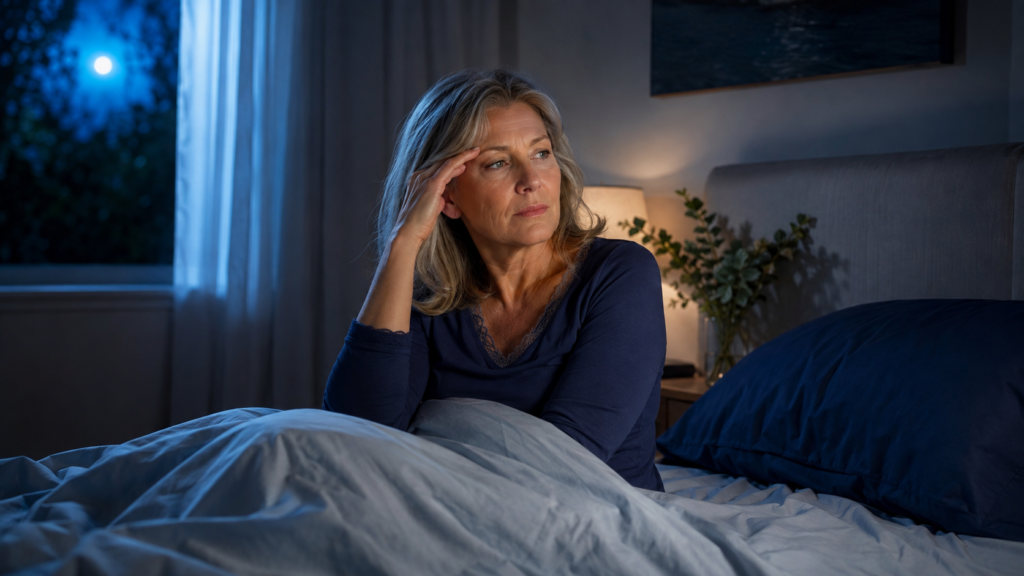
Can menopause cause restless legs? Menopause may contribute to restless legs symptoms through sleep disruption, hormonal changes, iron deficiency, medication effects, and other health conditions, but it is not always the direct cause.
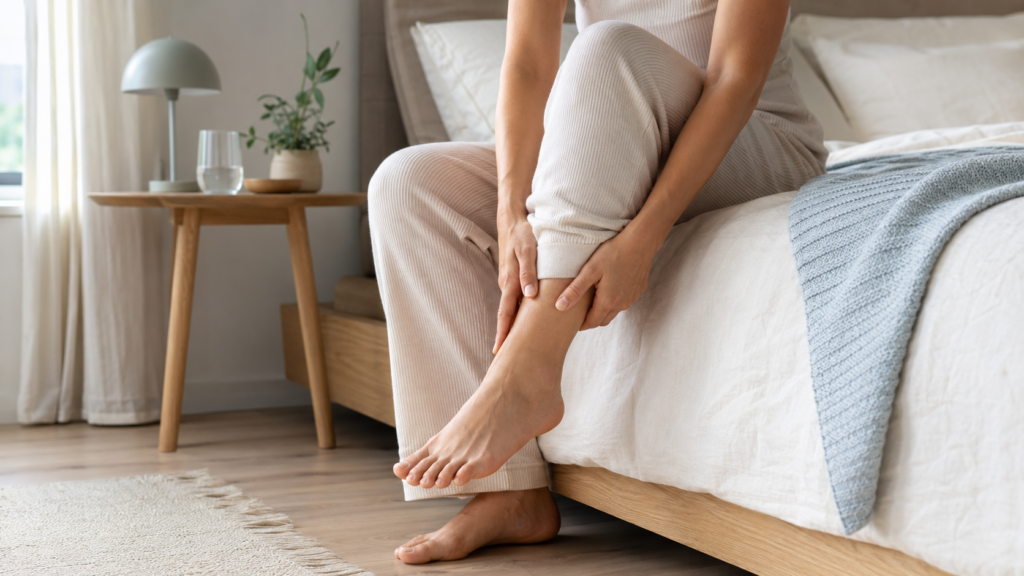
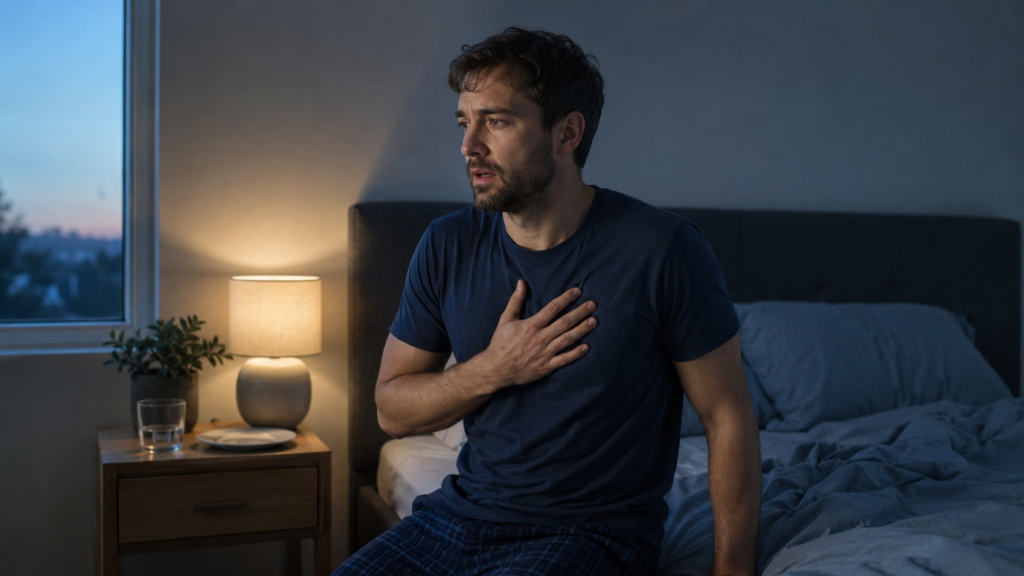
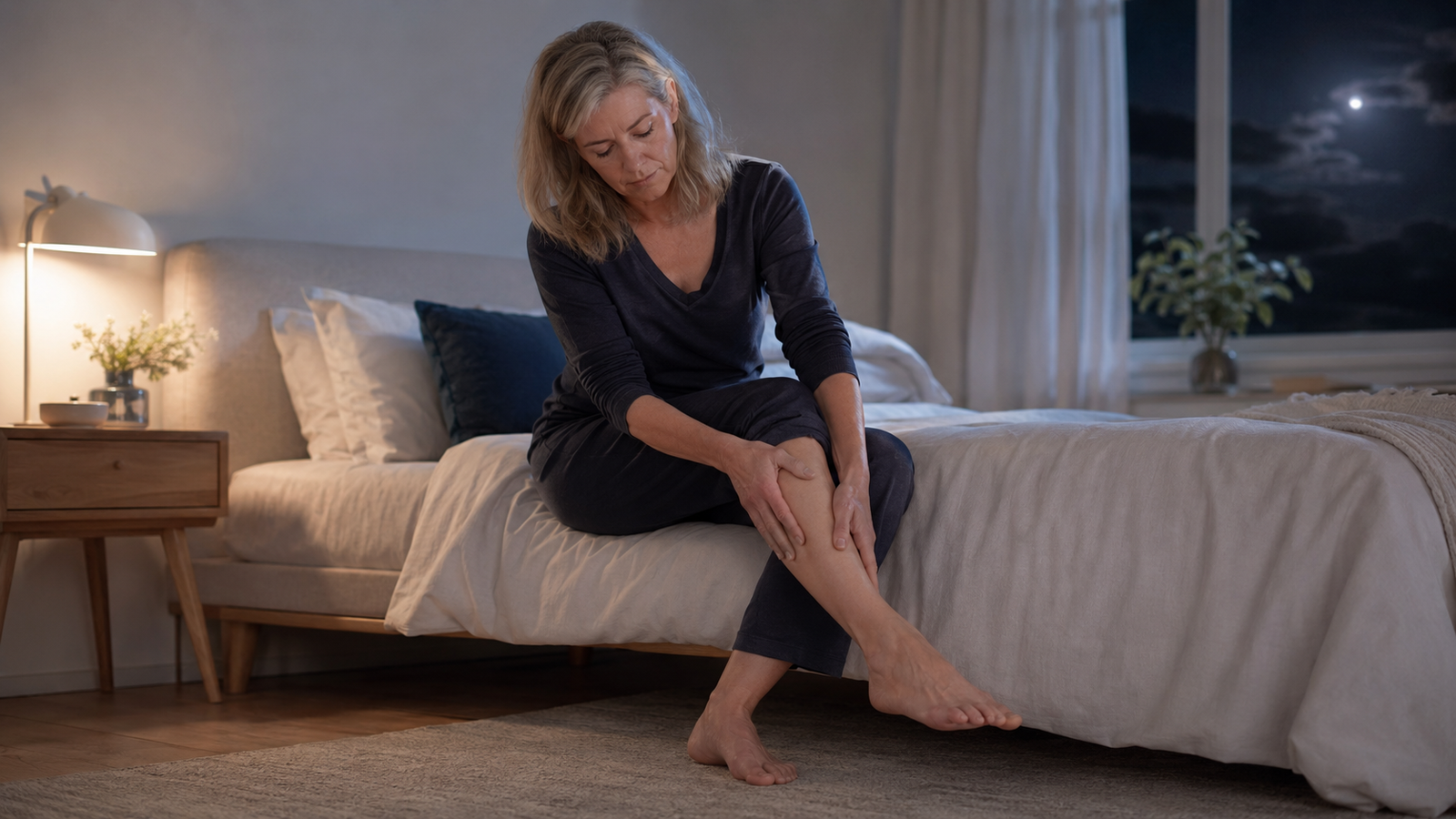
You may notice an uncomfortable urge to move your legs when sitting quietly or trying to sleep. The sensation may feel like:
- Crawling
- Tingling
- Pulling
- Throbbing
- Itching beneath the skin
- Internal restlessness
- An electric or fizzy feeling
- An ache that improves with movement
Symptoms commonly become stronger in the evening, temporarily improve when you walk or stretch, and return after you lie down again. That pattern may suggest restless legs syndrome rather than an ordinary muscle cramp.
This guide explains seven possible connections between menopause and restless legs, how to recognize the condition, which problems can imitate it, and what may help you sleep more comfortably.
Quick answer: Menopause does not automatically cause restless legs syndrome. However, hormonal changes, poor sleep, iron deficiency, medication, stress, and age-related health changes may trigger or worsen symptoms during perimenopause and menopause.
What Is Restless Legs Syndrome?
Restless legs syndrome, or RLS, is a neurological condition that produces an irresistible urge to move the legs. It is also known as Willis–Ekbom disease.
The condition usually has four recognizable features:
- An urge to move the legs, often with an unpleasant sensation
- Symptoms beginning or worsening during rest
- Temporary relief from walking, stretching, rubbing, or moving
- Symptoms becoming worse in the evening or at night
The National Institute of Neurological Disorders and Stroke explains that RLS may be associated with disrupted dopamine signaling and low iron levels in the brain.
Symptoms most commonly affect both legs, although one side may sometimes feel worse. Some people also experience similar sensations in their arms.
What Do Restless Legs Feel Like?
RLS can be difficult to describe because the discomfort is usually felt inside the legs rather than on the skin.
People may describe it as:
- Ants crawling under the skin
- Bubbles moving through the legs
- An internal itch that cannot be scratched
- Tightness or pulling
- Burning or tingling
- A strong need to stretch
- Nervous energy trapped in the legs
- An uncomfortable feeling that disappears while walking
Symptoms often begin after:
- Lying in bed
- Sitting on a sofa
- Watching television
- Reading
- Driving
- Travelling by plane
- Sitting through a meeting
- Remaining still for an extended period
Movement may provide immediate relief, but the sensation can return when you become still again.
Can Menopause Directly Cause Restless Legs?
Research has not established that menopause directly causes every new case of restless legs syndrome.
A more accurate explanation is that the menopausal transition may coincide with several factors capable of revealing or aggravating RLS:
- Fluctuating estrogen and progesterone
- Low iron levels
- Hot flashes and fragmented sleep
- Anxiety and increased nervous-system arousal
- Medication changes
- Other medical conditions
- Lifestyle and sleep-schedule changes
Some women first notice symptoms during perimenopause, while others have mild RLS that becomes more disruptive when hot flashes or insomnia reduce their ability to sleep.
If difficulty sleeping is your main concern, Does Perimenopause Cause Insomnia? explains how hormonal fluctuations and nighttime symptoms can affect sleep continuity.
Restless Legs vs. Leg Cramps
Restless legs and nocturnal leg cramps are not the same condition.
| Feature | Restless legs syndrome | Nighttime leg cramp |
|---|---|---|
| Main feeling | Urge to move with internal discomfort | Sudden, painful muscle contraction |
| Muscle appearance | Usually not visibly tightened | Muscle may become hard or knotted |
| Typical duration | Can return repeatedly while resting | Often lasts seconds or minutes |
| Relief | Walking or continuous movement | Stretching the cramped muscle |
| Timing | Worse during rest and in the evening | Often occurs suddenly during sleep |
| Location | Commonly both legs | Frequently one calf or foot |
A leg cramp usually causes sharp, localized pain. RLS creates a need to move and may be uncomfortable without producing a visibly contracted muscle.
Restless Legs vs. Periodic Limb Movements
Restless legs syndrome occurs while you are awake and trying to rest.
Periodic limb movements of sleep involve repetitive leg jerks or kicks after you fall asleep. You may not know they are happening unless:
- A partner notices the movement
- Bedding becomes disturbed
- You repeatedly wake
- A sleep study detects the movements
- You feel unusually tired the following day
The two conditions can occur together, but they are not interchangeable.
Hot flashes, breathing problems, and limb movements can all fragment sleep. Why Do I Wake Up at Night? covers additional causes of repeated nighttime waking.
7 Possible Connections Between Menopause and Restless Legs
The seven factors examined in this article are:
- Hormonal fluctuations
- Iron deficiency
- Hot flashes and sleep fragmentation
- Anxiety and chronic stress
- Medication effects
- Sleep apnea or another medical condition
- Caffeine, alcohol, and disrupted sleep habits
Several may occur simultaneously. For example, hot flashes may interrupt sleep while low iron increases leg symptoms and caffeine used to fight daytime fatigue makes the following night even harder.
1. Hormonal Fluctuations May Affect Symptoms
Estrogen and progesterone interact with biological systems involved in:
- Sleep regulation
- Body-temperature control
- Mood
- Pain sensitivity
- Dopamine activity
- Muscle and nerve function
- Circadian rhythms
During perimenopause, hormone levels may fluctuate unpredictably. Some women notice new or worsening nighttime sensations during this period, but the association does not prove that declining estrogen directly causes RLS.
Hormonal changes may instead make symptoms more noticeable by:
- Lightening sleep
- Increasing nighttime awakenings
- Worsening temperature regulation
- Increasing anxiety
- Changing sensitivity to physical sensations
- Exposing a previously mild sleep disorder
Menopause may therefore act as part of the overall picture rather than as a single explanation.
Does Low Estrogen Cause Restless Legs?
There is not enough evidence to conclude that low estrogen alone causes restless legs.
Symptoms should not automatically be attributed to hormones, especially when they begin suddenly or occur with:
- Severe fatigue
- Shortness of breath
- Heavy bleeding
- Numbness or weakness
- Leg swelling
- Kidney disease
- Diabetes
- A recent medication change
These clues may point toward iron deficiency, nerve problems, medication effects, or another condition requiring assessment.
2. Iron Deficiency Can Trigger or Worsen RLS
Iron has an important role in dopamine function, and low iron is one of the best-recognized factors associated with restless legs syndrome.
The NHS restless legs syndrome guidance identifies iron-deficiency anemia as a possible underlying cause and advises medical assessment when symptoms disrupt sleep or do not improve with self-care.
Iron deficiency may occur during perimenopause because of:
- Heavy or prolonged periods
- Irregular bleeding
- Insufficient dietary iron
- Poor intestinal absorption
- Frequent blood donation
- Gastrointestinal blood loss
- Previous stomach or bowel surgery
Possible accompanying symptoms include:
- Fatigue
- Weakness
- Dizziness
- Headaches
- Shortness of breath
- Palpitations
- Pale skin
- Brittle nails
- Hair loss
- Craving ice or non-food substances
However, iron stores may be low even when hemoglobin remains within the normal range. A clinician may therefore consider blood tests such as a complete blood count, ferritin, and transferrin saturation rather than relying on symptoms alone.
Should You Take Iron for Restless Legs?
Do not begin a high-dose iron supplement simply because your legs feel restless.
Excess iron can be harmful, and RLS has several possible causes. The appropriate dose and duration depend on blood-test results, medical history, and the reason iron became low.
Postmenopausal iron deficiency also requires investigation because menstrual blood loss no longer provides an obvious explanation. A healthcare professional may need to check for gastrointestinal bleeding, absorption problems, diet-related deficiency, or another medical cause.
A Simple Symptom Check
Ask yourself:
- Do I feel a strong urge to move my legs?
- Does it begin or worsen while sitting or lying down?
- Does walking provide temporary relief?
- Is it worse in the evening or at night?
- Does it regularly delay sleep?
- Have I experienced heavy or unusual bleeding?
- Did symptoms begin after changing medication?
- Do I also snore, gasp, or feel extremely sleepy during the day?
Answering yes to the first four questions makes the RLS pattern more likely, although only a qualified healthcare professional can assess the full cause.
In Part 2, we’ll continue with hot flashes, anxiety, medication effects, sleep apnea, medical conditions, and lifestyle triggers that can worsen restless legs during menopause.
3. Hot Flashes and Fragmented Sleep Can Intensify Leg Symptoms
Hot flashes do not directly cause restless legs syndrome, but they can make existing symptoms more disruptive.
A typical cycle may look like this:
- A hot flash wakes you or prevents you from settling.
- You remain still while trying to fall asleep again.
- Restless sensations begin or become more noticeable.
- You walk, stretch, or move your legs for relief.
- Returning to bed triggers another episode.
- Anxiety about losing sleep increases alertness.
Someone experiencing both conditions may struggle to determine which symptom started the awakening.
How to Tell Them Apart
A hot flash commonly involves:
- Sudden heat in the face, neck, chest, or entire body
- Sweating
- Flushed skin
- Chills after sweating
- A rapid heartbeat
- An abrupt awakening
Restless legs typically involves:
- An internal crawling, pulling, or tingling sensation
- A strong need to move
- Symptoms that begin during rest
- Temporary relief from walking or stretching
- Greater discomfort in the evening or at night
Both can occur during the same episode. Keeping brief notes about whether heat or leg discomfort appeared first may help identify the pattern.
If night sweats frequently interrupt your sleep, Why Can’t I Sleep During Menopause? explains how temperature changes and other menopause symptoms can combine to disturb sleep.
4. Anxiety and Chronic Stress May Make Symptoms Harder to Manage
Anxiety does not necessarily create restless legs syndrome, but stress can increase physical tension and awareness of uncomfortable sensations.
During periods of high stress, you may experience:
- Difficulty relaxing
- Muscle tension
- Faster breathing
- A racing heartbeat
- Repeated leg movement
- Increased sensitivity to discomfort
- Trouble returning to sleep
- Fear that symptoms will begin again
Stress-related fidgeting can resemble RLS. However, ordinary restlessness may occur throughout the day and may not consistently improve with movement. RLS usually follows the more specific pattern of worsening during rest and in the evening.
The RLS–Anxiety Cycle
Restless legs and anxiety may reinforce each other:
- Leg discomfort delays sleep.
- You begin worrying about the following day.
- Increased alertness makes every sensation feel stronger.
- You monitor your legs while waiting for symptoms.
- Bed becomes associated with frustration.
- Sleep becomes more difficult even on milder nights.
Relaxation techniques may reduce the anxiety surrounding symptoms, but they do not replace evaluation for iron deficiency or another medical cause.
When anxious thoughts keep your entire body alert, How to Calm Anxiety at Night provides breathing and grounding techniques that can be used without remaining in bed for hours.
5. Medication May Trigger or Worsen Restless Legs
Some medicines can aggravate restless legs symptoms in susceptible people. Possible examples include certain:
- Antidepressants
- Antipsychotic medicines
- Sedating antihistamines
- Anti-nausea medicines
- Dopamine-blocking drugs
- Cold and allergy products
- Sleep aids containing antihistamines
Women going through menopause may begin new medication for anxiety, depression, insomnia, migraine, nausea, allergies, or hot flashes. The timing can make a medication-related change appear entirely hormonal.
Review the Timing
Record:
- The medicine or supplement name
- The dose
- When you take it
- When treatment began
- When the leg symptoms began
- Whether symptoms changed after a dose adjustment
- Any additional sleep or mood changes
Bring this information to a doctor or pharmacist.
Do not abruptly stop an antidepressant, sedative, hormone treatment, or other prescribed medicine. Sudden discontinuation may cause withdrawal symptoms and worsen sleep, anxiety, or physical restlessness.
Can Antihistamines Make Restless Legs Worse?
Sedating antihistamines found in some allergy and over-the-counter sleep products may worsen symptoms in certain people.
Check labels carefully because the same active ingredient may appear in multiple products. A tablet marketed for “nighttime” use is not automatically suitable for someone with RLS.
Ask a pharmacist about alternatives if symptoms regularly become worse after taking an allergy, cold, or sleep medicine.
6. Another Medical or Sleep Condition May Be Responsible
The question can menopause cause restless legs should not distract from other possible explanations.
RLS may occur on its own or be associated with conditions such as:
- Iron deficiency
- Pregnancy
- Chronic kidney disease
- Diabetes
- Peripheral neuropathy
- Parkinson’s disease
- Multiple sclerosis
- Spinal cord disorders
- Sleep apnea
Not every person with these conditions develops RLS, and having RLS does not mean you have a serious neurological disease.
Sleep Apnea
Obstructive sleep apnea causes repeated breathing interruptions during sleep. Warning signs may include:
- Loud habitual snoring
- Witnessed pauses in breathing
- Gasping or choking
- Morning headaches
- Dry mouth
- Frequent nighttime urination
- Poor concentration
- Unrefreshing sleep
- Severe daytime sleepiness
Sleep apnea and restless legs can exist together. Treating leg discomfort alone will not correct nighttime breathing interruptions.
Menopause may also coincide with increased sleep-apnea risk. Can Menopause Cause Sleep Apnea? explains the symptoms, risk factors, and testing process.
Peripheral Neuropathy
Peripheral neuropathy may cause:
- Numbness
- Burning
- Tingling
- Electric-shock sensations
- Reduced sensitivity
- Balance problems
- Pain that does not improve with movement
Unlike classic RLS, neuropathy symptoms may remain present during activity and throughout the day. Diabetes, vitamin deficiencies, alcohol use, certain medicines, and other medical conditions can contribute to nerve damage.
Kidney Disease
Chronic kidney disease is associated with an increased risk of restless legs. Assessment is especially important when leg symptoms occur with:
- Swelling
- Changes in urination
- Persistent itching
- Nausea
- Severe fatigue
- Known kidney problems
Thyroid Problems and Other Mimics
Thyroid disorders, arthritis, circulation problems, muscle cramps, and anxiety-related restlessness can produce nighttime discomfort but may not meet the defining RLS pattern.
One swollen, red, warm, or severely painful leg is not typical of ordinary RLS and requires prompt medical assessment, particularly if symptoms appear suddenly.
Seek urgent care for leg symptoms accompanied by chest pain, shortness of breath, fainting, or coughing blood.
7. Caffeine, Alcohol, and Sleep Habits May Worsen Symptoms
Lifestyle factors do not explain every case, but they may affect symptom intensity.
Caffeine
Caffeine can remain active for several hours and may increase alertness or physical restlessness.
Sources include:
- Coffee
- Black or green tea
- Energy drinks
- Cola
- Chocolate
- Pre-workout products
- Some headache medicines
If you suspect a connection, gradually move caffeine earlier and record symptoms for approximately two weeks. Sudden withdrawal may cause headaches, so reducing it progressively can be easier.
Alcohol
Alcohol may produce initial sleepiness but fragment sleep later in the night. Some people notice worse restless legs after drinking, while others do not.
Alcohol can also:
- Increase snoring
- Worsen sleep apnea
- Trigger hot flashes
- Cause early waking
- Interact with medication
- Increase nighttime urination
Avoid using alcohol as a sleep treatment. Anyone who drinks heavily or regularly should obtain medical guidance before stopping suddenly because withdrawal can be dangerous.
Nicotine
Nicotine is stimulating and may interfere with sleep. Cigarettes, vaping products, nicotine pouches, and replacement products can all affect the nervous system, although individual responses vary.
Do not abandon a smoking-cessation plan without support. A healthcare professional can help adjust the product or timing if symptoms appeared after beginning nicotine replacement.
Irregular Sleep
Sleep deprivation can lower tolerance for discomfort and make nighttime symptoms feel overwhelming.
Helpful habits include:
- Maintaining a consistent wake time
- Allowing sufficient sleep opportunity
- Getting daylight after waking
- Exercising regularly
- Avoiding long late-afternoon naps
- Beginning a predictable wind-down routine
- Going to bed when sleepy
- Keeping the bedroom cool
A consistent schedule will not cure iron deficiency or neurological RLS, but it can reduce the extra layer of fatigue surrounding the condition.
How Restless Legs Can Affect Menopause Sleep
When RLS and menopause symptoms overlap, they may cause:
- Delayed sleep onset
- Repeatedly leaving the bed to walk
- Shorter total sleep time
- Irritability
- Difficulty concentrating
- Reduced work performance
- Anxiety about bedtime
- Daytime fatigue
- Increased caffeine use
- Tension with a sleep partner
This can create a self-perpetuating pattern: poor sleep leads to more caffeine and irregular naps, which may make the next night more difficult.
The goal is to identify each contributor separately. Hot flashes may need menopause-specific treatment, iron deficiency may require testing and supervised replacement, and chronic RLS may need targeted medical care.
When Should You Contact a Healthcare Professional?
Arrange an assessment if symptoms:
- Occur several times per week
- Regularly delay or interrupt sleep
- Cause significant daytime fatigue
- Begin after a medication change
- Continue despite basic self-care
- Affect the arms as well as the legs
- Are accompanied by numbness or weakness
- Occur with heavy or unusual bleeding
- Appear alongside snoring or breathing pauses
- Are becoming progressively more severe
A clinician may review your symptoms, medication, menstrual history, diet, sleep pattern, family history, and other medical conditions. Blood testing may be used to investigate iron stores and other possible contributors.
Understanding can menopause cause restless legs requires more than blaming hormones. Hot flashes, anxiety, medication, medical conditions, caffeine, alcohol, and disrupted sleep habits may all influence symptoms—and several can occur at once.
In Part 3, we’ll cover practical nighttime relief, safe iron management, exercise, stretching, massage, treatment options, and a two-week action plan.
How to Relieve Restless Legs During Menopause
When asking can menopause cause restless legs, the most effective approach is to identify the underlying trigger while using safe strategies to reduce nighttime discomfort. The goal is not simply to tire out your legs, but to improve sleep without overlooking iron deficiency, medication effects, or another medical condition.
1. Use Gentle Movement for Immediate Relief
When symptoms begin, remaining motionless may make them stronger. Try:
- Walking around the room for a few minutes
- Slowly bending and straightening the knees
- Performing gentle calf raises
- Flexing and pointing the feet
- Lightly shaking or moving the legs
- Changing your sitting or sleeping position
Movement often provides temporary relief, although symptoms may return when you become still.
Avoid intense exercise in the middle of the night. A demanding workout may increase alertness and make returning to sleep more difficult.
2. Stretch Without Overdoing It
A short stretching routine may ease muscle tension surrounding restless sensations.
Try holding each stretch comfortably for 15 to 30 seconds:
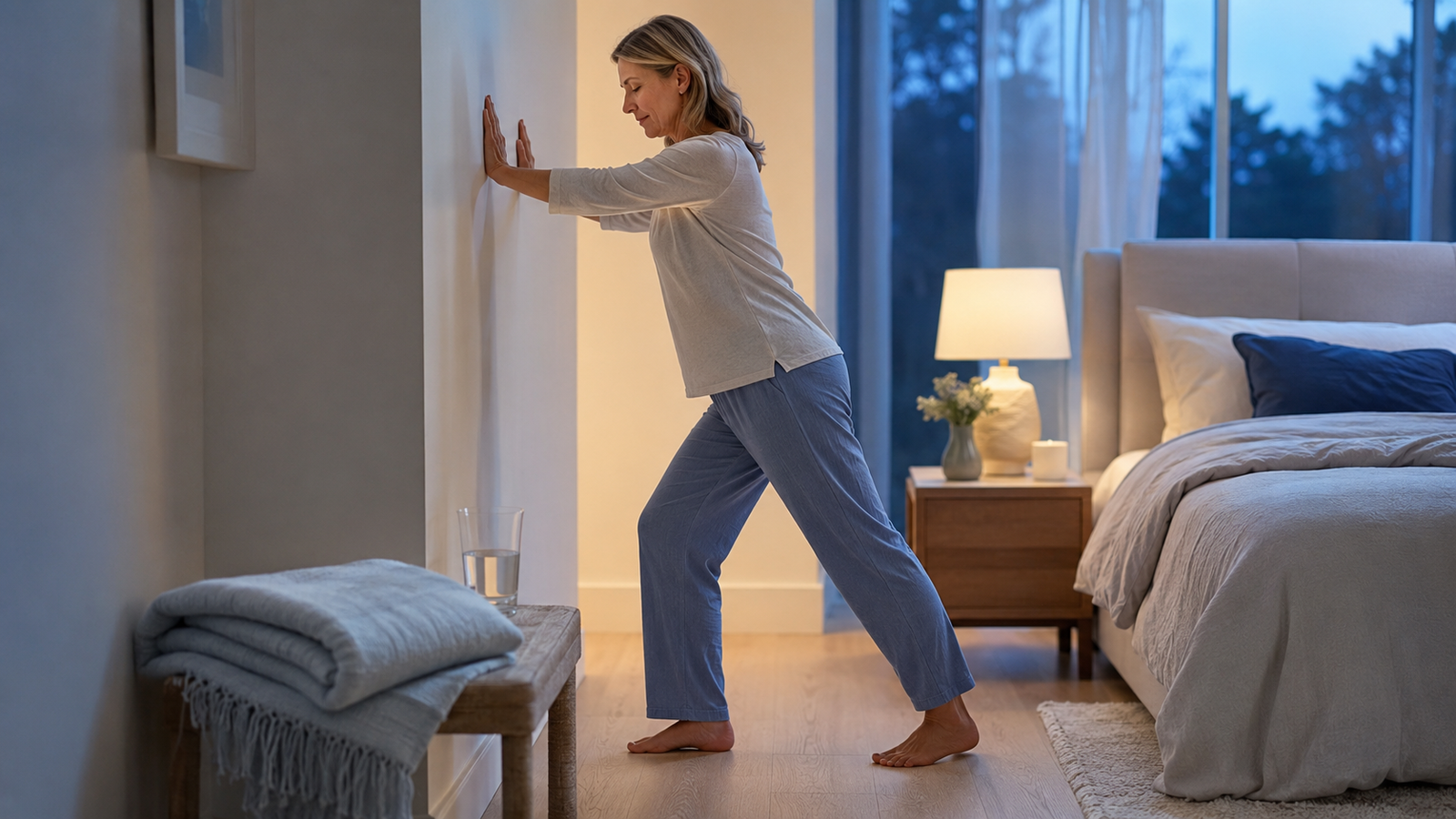
- Calf stretch: Place your hands against a wall, move one foot backward, and keep the heel down.
- Hamstring stretch: Extend one leg while seated and lean forward gently.
- Front-thigh stretch: Hold one ankle behind you while using a wall for balance.
- Ankle circles: Rotate each ankle slowly in both directions.
Stretching should create mild tension, not pain. Stop if it causes numbness, sharp pain, dizziness, or worsening symptoms.
3. Experiment With Heat or Cold
Temperature preferences vary. Some people find relief from:
- A warm bath
- A heating pad on a low setting
- A warm compress
- A cool shower
- A wrapped cold pack
- Alternating warm and cool treatments
Never place a heating pad or ice pack directly against the skin for an extended period. Avoid falling asleep with an electric heating device turned on.
If menopause-related hot flashes are also present, warming the legs without overheating the bedroom may be more comfortable than taking a very hot bath.
4. Try Massage or Gentle Pressure
Massage may temporarily distract the nervous system from uncomfortable leg sensations and reduce surrounding muscle tension.
Options include:
- Massaging the calves with both hands
- Rolling the feet over a massage ball
- Using a foam roller gently
- Applying light pressure with a pillow
- Asking a partner for a short leg massage
Avoid aggressive massage if a leg is swollen, red, warm, injured, or unusually painful. Those symptoms are not typical of uncomplicated RLS and require medical assessment.
5. Exercise Regularly—but Time It Carefully
Moderate daytime activity may improve general sleep and reduce symptoms for some people.
Suitable activities may include:
- Walking
- Swimming
- Cycling
- Yoga
- Pilates
- Light resistance training
- Mobility exercises
Begin gradually if you have been inactive. Excessive exercise, unusually strenuous workouts, or intense activity near bedtime may worsen symptoms in some individuals.
A useful starting point is 20 to 30 minutes of moderate activity on most days, adjusted for your health, fitness level, and medical advice.
6. Keep the Bedroom Cool and Comfortable
Hot flashes and restless legs may occur together. A cool, breathable sleep environment can reduce the temperature-related awakenings that make leg sensations more noticeable.
Consider:
- Lightweight sleepwear
- Breathable sheets
- Easily removable blanket layers
- A quiet fan
- A cool but comfortable room temperature
- Dry clothing beside the bed
- Reduced bedroom clutter for safe nighttime walking
If you repeatedly become too hot or cold, What Is the Best Temperature for Sleep? offers practical bedroom adjustments.
Keep the path between the bed and bathroom clear. Restless midnight laps are inconvenient enough without introducing a surprise obstacle course.
7. Review Iron Levels With a Clinician
Iron management is an important part of RLS care, but supplementation should be guided by testing.
A healthcare professional may consider:
- Complete blood count
- Ferritin
- Transferrin saturation
- Menstrual or bleeding history
- Dietary intake
- Digestive symptoms
- Previous gastrointestinal surgery
- Medication that may increase bleeding risk
Do not assume a result described simply as “normal” always answers every RLS-related question. Iron treatment decisions may depend on several laboratory values and individual medical circumstances.
Food Sources of Iron
Depending on your diet, iron-containing foods include:
- Lean red meat
- Poultry
- Seafood
- Beans
- Lentils
- Tofu
- Iron-fortified cereals
- Pumpkin seeds
- Dark leafy vegetables
Vitamin C–containing foods may improve the absorption of plant-based iron. Tea, coffee, calcium supplements, and some medicines can reduce absorption when taken at the same time.
Diet can support healthy iron intake, but it may not correct a meaningful deficiency without appropriate treatment.
Why Self-Treating With Iron Can Be Risky
Taking unnecessary iron may cause:
- Constipation
- Nausea
- Abdominal pain
- Medication interactions
- Iron overload in susceptible individuals
- Delayed investigation of hidden blood loss
Iron deficiency after menstrual periods have stopped should be properly investigated rather than automatically attributed to menopause.
8. Review Medication and Sleep Products
Make a list of every prescription medicine, supplement, allergy product, and sleep aid you use.
Discuss possible triggers with a doctor or pharmacist, particularly if symptoms began after:
- Starting an antidepressant
- Changing a medication dose
- Taking a sedating antihistamine
- Using an over-the-counter nighttime product
- Beginning hormone therapy
- Adding melatonin or an herbal sleep supplement
Do not stop prescribed medication suddenly. A clinician may recommend changing the dose, timing, or product when appropriate.
“Natural” products can still cause side effects and interactions. Combining multiple sedating remedies may worsen daytime fatigue without treating RLS.
9. Adjust Caffeine and Alcohol Gradually
If symptoms are frequent, try a two-week experiment:
- Keep caffeine to the morning or early afternoon.
- Reduce the total amount gradually.
- Avoid energy drinks near bedtime.
- Record whether chocolate affects symptoms.
- Limit or avoid evening alcohol.
- Track both leg discomfort and nighttime awakenings.
Change one or two factors at a time. Eliminating everything simultaneously makes it difficult to identify what actually helped.
Heavy or dependent alcohol use requires professional advice before abrupt cessation.
10. Follow a Consistent Sleep Schedule
RLS can make bedtime unpredictable, but irregular sleep may add further fatigue and frustration.
Aim to:
- Wake at approximately the same time each day.
- Obtain morning daylight.
- Avoid long or late naps.
- Begin a calming routine before bed.
- Go to bed when sleepy.
- Leave the bed briefly if symptoms prevent sleep.
- Return when the sensations and alertness decrease.
Do not deliberately restrict sleep to exhaust yourself. Sleep deprivation can reduce your ability to cope with symptoms.
How to Fix Your Sleep Schedule explains how to restore consistent timing without trying to force sleep.
What Treatments Are Available for Persistent RLS?
When symptoms remain frequent or severe, medical treatment may involve:
- Correcting confirmed iron deficiency
- Changing a contributing medicine
- Treating kidney disease, neuropathy, or another condition
- Evaluating and treating sleep apnea
- Using prescription medication specifically selected for RLS
- Addressing coexisting insomnia, anxiety, or depression
Prescription options are individualized because some medicines can cause dizziness, sleepiness, behavioral side effects, or worsening symptoms over time.
A phenomenon called augmentation can occur with certain dopamine-related treatments. Symptoms may begin earlier in the day, become more intense, or spread to other body areas. Report these changes rather than increasing the dose independently.
A Two-Week Restless Legs Action Plan
Days 1–3: Identify the Pattern
Record:
- When symptoms begin
- How long they last
- Whether movement relieves them
- Caffeine and alcohol intake
- Medication timing
- Hot flashes and night sweats
- Sleep and wake times
Days 4–7: Make Basic Adjustments
- Move caffeine earlier.
- Use gentle evening stretching.
- Add moderate daytime movement.
- Keep the bedroom cool.
- Avoid antihistamine sleep aids unless medically advised.
- Maintain a consistent wake time.
Days 8–14: Review the Results
Look for changes in:
- Symptom frequency
- Symptom intensity
- Time required to fall asleep
- Number of nighttime awakenings
- Daytime fatigue
- Hot flashes
- Snoring or breathing symptoms
Arrange a medical appointment if symptoms remain disruptive, become progressively worse, or suggest iron deficiency, neuropathy, sleep apnea, or medication effects.
What Not to Do
Avoid:
- Taking high-dose iron without blood tests
- Abruptly stopping prescribed medication
- Combining multiple sleep products
- Using alcohol as a sleep aid
- Exercising excessively late at night
- Ignoring heavy or unusual bleeding
- Assuming every leg sensation is hormonal
- Increasing prescription doses independently
- Remaining in bed for hours while becoming increasingly frustrated
When Is Urgent Care Needed?
Seek prompt medical care for:
- One leg that becomes suddenly swollen, red, warm, or painful
- New weakness or loss of sensation
- Difficulty walking
- Loss of bladder or bowel control
- Severe back pain with neurological symptoms
- Chest pain
- Shortness of breath
- Fainting
- Coughing blood
These symptoms do not fit ordinary restless legs syndrome.
Practical strategies may ease symptoms, but the answer to can menopause cause restless legs depends on the complete picture. Hormonal changes may contribute, while iron deficiency, medication, sleep apnea, nerve problems, and lifestyle factors may provide more treatable explanations.
In Part 4, we’ll finish with concise FAQs, final thoughts, internal and external resources, category, tags, and complete Rank Math SEO information.
How to Relieve Restless Legs During Menopause
When considering can menopause cause restless legs, the most effective approach is to identify the underlying trigger while using simple strategies to reduce nighttime discomfort. Self-care may help mild symptoms, but persistent RLS often requires medical evaluation.
1. Move Briefly When Symptoms Begin
Remaining still while fighting the urge to move can make symptoms feel stronger.
When discomfort begins:
- Get out of bed.
- Walk slowly for several minutes.
- Gently stretch the calves and thighs.
- Return to bed when the sensation settles.
- Repeat briefly if necessary.
Avoid turning the episode into a workout or switching on bright lights. The goal is to relieve the sensation without making yourself fully alert.
2. Try Gentle Evening Stretching
A short stretching routine may reduce muscle tension and help you transition into sleep.
Try:
- Calf stretches against a wall
- Gentle hamstring stretches
- Ankle circles
- Slow knee bends
- Light yoga
- Relaxed walking
- Gentle leg shaking
Stretch comfortably without bouncing or forcing the joints. Stop if you develop sharp pain, dizziness, numbness, or weakness.
Intense exercise immediately before bed may increase alertness in some people, so finish vigorous workouts earlier whenever possible.
3. Use Heat, Cold, or Massage
Some people find temporary relief from sensory stimulation.
Options include:
- A warm bath
- A heating pad on a low setting
- A cool compress
- Alternating warmth and coolness
- Gentle calf massage
- A massage roller
- Light pressure from your hands
Use a protective layer between the skin and any heating or cooling device. Never fall asleep with an unsafe heating pad, and avoid intense heat if you have reduced sensation, poor circulation, or neuropathy.
Heat may also worsen hot flashes. If warmth relieves your legs but overheats the rest of your body, apply it locally rather than heating the entire bedroom.
4. Exercise Regularly—but Avoid Overtraining
Moderate physical activity may improve sleep and reduce mild RLS symptoms.
Suitable options can include:
- Walking
- Swimming
- Cycling
- Strength training
- Pilates
- Yoga
- Water exercise
Increase activity gradually. Both inactivity and unusually strenuous exercise may aggravate symptoms in some people.
Try recording exercise timing and symptom intensity for two weeks. This can reveal whether morning, afternoon, or early-evening activity works best for you.
5. Keep the Bedroom Cool and Comfortable
A cool bedroom may reduce hot flashes and prevent temperature-related awakenings from combining with restless legs.
Consider:
- Breathable bedding
- Lightweight sleepwear
- Layered blankets
- A quiet fan
- Dry sleepwear beside the bed
- Comfortable, nonrestrictive socks
- Keeping the walkway clear for nighttime movement
What Is the Best Temperature for Sleep? offers practical guidance for creating a cooler environment without making the room uncomfortably cold.
6. Review Iron Levels With a Clinician
Iron treatment may help when low iron stores contribute to RLS, but supplementation should be based on appropriate testing.
A clinician may consider:
- Complete blood count
- Ferritin
- Transferrin saturation
- Menstrual or bleeding history
- Diet
- Digestive symptoms
- Kidney function
- Other possible causes of deficiency
Do not assume that a standard blood count rules out low iron stores. At the same time, do not take high-dose iron without guidance.
Iron supplements can cause:
- Constipation
- Nausea
- Abdominal discomfort
- Dark stools
- Medication interactions
- Harmful iron accumulation when unnecessary
Keep iron products away from children because accidental overdose can be dangerous.
Food Sources of Iron
Depending on your diet, iron-containing foods may include:
- Lean meat
- Seafood
- Poultry
- Lentils
- Beans
- Tofu
- Fortified cereals
- Pumpkin seeds
- Dark leafy vegetables
Vitamin C may improve absorption of plant-based iron. However, food alone may not correct a significant deficiency, and supplements should not replace investigation of unexplained postmenopausal iron loss.
7. Review Medication and Sleep Products
Prepare a complete list of everything you use, including:
- Prescription medicine
- Antidepressants
- Antihistamines
- Over-the-counter sleep aids
- Anti-nausea medicine
- Hormone therapy
- Melatonin
- Herbal products
- Magnesium
- Nicotine-replacement products
- Cannabis or CBD products
Note whether symptoms began after starting a product or changing its dose or timing.
Do not stop prescribed medication abruptly. A doctor or pharmacist may be able to recommend a safer alternative, adjust the timing, or determine whether the medicine is actually contributing.
8. Reduce Possible Evening Triggers
For approximately two weeks, consider:
- Moving caffeine earlier
- Reducing evening alcohol
- Avoiding nicotine near bedtime
- Limiting heavy late meals
- Keeping a consistent wake time
- Avoiding long late naps
- Reducing prolonged sitting before bed
Change one or two factors at a time. If you change everything simultaneously, it becomes difficult to identify what helped.
9. Avoid Staying Awake in Bed for Long Periods
If symptoms repeatedly force you to move, remaining in bed while frustrated can create anxiety around bedtime.
Instead:
- Leave the bed briefly.
- Keep the lighting dim.
- Walk or stretch gently.
- Avoid checking work, news, or social media.
- Return when the discomfort and alertness decrease.
If you remain awake after the leg symptoms settle, How to Fall Back Asleep After Waking Up provides additional steps for returning to sleep calmly.
10. Discuss Medical Treatment for Persistent RLS
Moderate or severe restless legs syndrome may require targeted treatment.
Depending on the cause and individual medical history, a clinician may consider:
- Supervised iron replacement
- Treatment of an underlying condition
- Adjustment of aggravating medication
- Alpha-2-delta calcium-channel ligands
- Selected dopaminergic medicines
- Other specialist-directed treatment
Medication choice requires care. Some RLS medicines may cause sleepiness, dizziness, balance problems, behavioral side effects, or worsening symptoms over time.
A phenomenon called augmentation can cause symptoms to begin earlier in the day, become more intense, or spread to other body parts during certain long-term dopaminergic treatments. Report these changes rather than increasing the dose independently.
Does Menopause Hormone Therapy Treat Restless Legs?
Menopause hormone therapy is not a standard treatment specifically for RLS.
It may improve hot flashes and night sweats in suitable women, potentially reducing the overall sleep disruption occurring alongside restless legs. However, it may not correct RLS caused by low iron, kidney disease, medication, neuropathy, or another condition.
Hormone therapy decisions should be based on the full menopause symptom pattern, medical history, and individual benefits and risks—not solely on leg discomfort.
A Two-Week Restless Legs Action Plan
Days 1–3
- Record when symptoms begin.
- Note whether movement relieves them.
- Record hot flashes and awakenings.
- List all medicines and supplements.
- Keep your wake time consistent.
Days 4–7
- Move caffeine earlier.
- Reduce evening alcohol.
- Add gentle stretching.
- Test local heat, cold, or massage.
- Avoid long periods of sitting before bed.
Days 8–14
- Continue moderate daytime exercise.
- Track symptom frequency and severity.
- Note snoring, gasping, numbness, or swelling.
- Arrange medical advice if sleep remains disrupted.
- Ask whether iron testing or medication review is appropriate.
What Not to Do
Avoid:
- Taking high-dose iron without testing
- Combining several sleep supplements
- Using alcohol as a sleep aid
- Abruptly stopping prescribed medication
- Exercising intensely during an episode
- Assuming every leg sensation is caused by menopause
- Ignoring one-sided swelling, redness, or severe pain
- Increasing RLS medicine without professional advice
- Sacrificing sleep to avoid symptoms
When Is Urgent Medical Care Needed?
Restless legs syndrome is usually uncomfortable rather than dangerous. However, seek prompt medical attention for:
- One suddenly swollen leg
- Redness or unusual warmth
- Severe or rapidly worsening pain
- New weakness
- Loss of bladder or bowel control
- Chest pain
- Shortness of breath
- Fainting
- Coughing blood
These symptoms are not typical of ordinary RLS.
What Improvement Should Look Like
Success does not always mean that every sensation disappears immediately. Meaningful improvement may include:
- Fewer symptomatic nights
- Later symptom onset
- Less intense discomfort
- Falling asleep more quickly
- Fewer trips out of bed
- Better daytime energy
- Reduced anxiety about bedtime
The practical answer to can menopause cause restless legs is that menopause may contribute to the circumstances that reveal or worsen symptoms, but treatment should address the actual cause. Iron status, medication, sleep apnea, hot flashes, lifestyle triggers, and neurological symptoms each require separate consideration.
In Part 4, we’ll finish with concise FAQs, final thoughts, internal and external resources, category, tags, and complete Rank Math SEO information.
Frequently Asked Questions
Can menopause cause restless legs?
Menopause may indirectly trigger or worsen restless legs through hormonal fluctuations, poor sleep, hot flashes, iron deficiency, stress, medication changes, and age-related health conditions. It does not explain every case of RLS.
What do restless legs during menopause feel like?
Typical symptoms include an uncomfortable urge to move the legs, crawling or tingling sensations, and discomfort that begins during rest. Movement usually provides temporary relief, and symptoms tend to worsen in the evening or at night.
How can I tell restless legs from leg cramps?
A leg cramp causes a sudden, painful muscle contraction that may feel hard or knotted. Restless legs syndrome creates an urge to move with internal discomfort but usually does not cause a visibly contracted muscle.
Can low estrogen cause restless legs?
Research has not established low estrogen as a direct cause of restless legs syndrome. Hormonal changes may affect sleep, temperature regulation, and symptom awareness, while iron deficiency, medication, kidney disease, neuropathy, and other conditions may be responsible.
Does magnesium help restless legs?
Magnesium is not a proven universal treatment for RLS. It may help someone with a confirmed deficiency or a different condition such as muscle cramps, but it should not replace iron testing or medical assessment of persistent symptoms.
Should I take iron for restless legs?
Only take therapeutic iron after appropriate testing and professional guidance. Excess iron can be harmful, and unexplained iron deficiency—especially after menopause—may require investigation.
Can antihistamines worsen restless legs?
Sedating antihistamines contained in some allergy, cold, and nighttime sleep products may worsen symptoms in susceptible people. Ask a pharmacist about alternatives rather than stopping necessary medication independently.
Does menopause hormone therapy treat restless legs?
Hormone therapy is not a standard treatment specifically for RLS. It may improve hot flashes and related sleep disruption in suitable women, but it will not necessarily address low iron, medication effects, neuropathy, kidney disease, or another underlying cause.
When should restless legs be medically assessed?
Arrange an assessment when symptoms occur repeatedly, regularly disrupt sleep, cause daytime fatigue, begin after a medication change, or accompany numbness, weakness, unusual bleeding, loud snoring, or breathing pauses.
Seek urgent care for sudden one-sided swelling, redness, warmth, severe pain, chest pain, fainting, or shortness of breath.
Final Thoughts
Can menopause cause restless legs? Menopause may contribute to the conditions that reveal or intensify symptoms, but hormones should not automatically receive all the blame. Poor hormones—they already have quite a crowded complaint desk.
The characteristic RLS pattern includes an urge to move, symptoms that worsen during rest, temporary relief with movement, and greater discomfort in the evening or at night. Iron deficiency, medication, sleep apnea, kidney disease, neuropathy, caffeine, alcohol, stress, and irregular sleep may also play a role.
Begin by tracking symptoms, hot flashes, medication timing, caffeine, alcohol, and sleep for two weeks. Gentle movement, stretching, moderate exercise, local heat or cold, and a consistent sleep schedule may provide relief. Persistent symptoms deserve professional assessment, including consideration of iron testing and medication review.
Medical disclaimer: This article provides general educational information and does not replace diagnosis or individualized medical care. Consult a qualified healthcare professional before taking iron, changing medication, or beginning menopause or RLS treatment.
Internal Links
- Does Perimenopause Cause Insomnia?
- Why Do I Wake Up at Night?
- Why Can’t I Sleep During Menopause?
- How to Calm Anxiety at Night
- Can Menopause Cause Sleep Apnea?
- What Is the Best Temperature for Sleep?
- How to Fall Back Asleep After Waking Up