
Can Lack of Sleep Cause Weight Gain? 7 Ways Sleep Affects Your Weight
Diet and exercise usually receive the most attention during weight management, but sleep is another important part of the equation. Can lack of sleep cause weight gain? Research suggests that consistently sleeping too little may increase the risk by affecting appetite, food choices, energy levels, and metabolism.
One poor night of sleep will not suddenly cause significant weight gain. However, repeated sleep loss can create conditions that make overeating easier and healthy habits more difficult to maintain.
This guide explains seven ways insufficient sleep may affect your weight and provides practical steps for improving both sleep and weight management.
The Short Answer
Lack of sleep does not directly create body fat overnight. Weight gain occurs when energy intake consistently exceeds the amount of energy your body uses.
However, insufficient sleep may influence this balance by:
- Increasing hunger
- Strengthening cravings
- Encouraging late-night eating
- Reducing motivation to exercise
- Affecting insulin sensitivity
- Changing appetite-related hormones
- Making portion control more difficult
The relationship works in both directions. Poor sleep may contribute to weight gain, while excess weight can increase the risk of sleep problems such as obstructive sleep apnea.
How Much Sleep Do Adults Need?
Most adults should aim for at least seven hours of sleep each night. Some people function best with closer to eight or nine hours.
Sleep needs vary, but regularly sleeping fewer than six hours may make it harder to maintain consistent energy, appetite, and healthy routines.
You may not be getting enough sleep if you:
- Depend heavily on an alarm
- Struggle to wake up
- Feel tired during the afternoon
- Need excessive caffeine
- Sleep much longer on weekends
- Experience strong evening cravings
- Have difficulty concentrating
- Feel irritable or unmotivated
Sleep quality also matters. Spending eight hours in bed does not guarantee restorative sleep if you wake frequently, snore heavily, or struggle to breathe.
1. Sleep Loss May Increase Hunger
After insufficient sleep, many people feel hungrier than usual. The body may seek additional energy to compensate for fatigue, even though staying awake longer does not always burn enough extra calories to balance the increased food intake.
Sleep restriction may also give you more time to eat. Staying awake several hours later creates additional opportunities for snacks, desserts, and sugary drinks.
Signs that sleep may be influencing your hunger include:
- Feeling unusually hungry after a short night
- Wanting larger portions
- Snacking continuously during the evening
- Feeling hungry soon after a complete meal
- Eating to stay awake rather than from physical hunger
Improving sleep may not eliminate every craving, but it can make appetite feel more manageable.
2. Appetite Hormones May Be Affected
Sleep and appetite are partly regulated by hormones, including ghrelin and leptin.
- Ghrelin is involved in stimulating hunger.
- Leptin helps communicate fullness and energy availability.
Some studies have found that sleep loss may increase ghrelin or alter leptin levels. However, research results are not completely consistent, and appetite involves many hormones and brain signals.
The practical message is simpler: when you are sleep-deprived, hunger and fullness signals may become harder to interpret. You may feel less satisfied after eating or become hungry sooner than expected.
3. High-Calorie Foods Become More Appealing
A tired brain often looks for quick energy and immediate rewards. After a poor night of sleep, highly processed foods may feel more appealing than balanced meals.
Common cravings include:
- Candy
- Cookies
- Chocolate
- Potato chips
- Fried foods
- Pizza
- Sugary cereal
- Sweetened coffee
- Energy drinks
These foods are easy to overeat because they combine sugar, refined carbohydrates, fat, and salt.
Sleep deprivation may also weaken decision-making and impulse control. You may know what you planned to eat but find it harder to follow through when exhausted.
4. You May Consume More Calories
Experimental studies have found that sleep-restricted adults may consume more calories, particularly during late-night hours.
The additional calories often come from snacks rather than balanced meals. Because physical activity and energy expenditure may not increase enough to compensate, this pattern can create a positive energy balance.
For example, a tired person may:
- Drink a sweetened coffee for energy.
- Choose a larger lunch.
- Snack during the afternoon.
- Order convenient food for dinner.
- Eat again while staying awake late.
Each choice may seem small, but together they can significantly increase daily calorie intake.
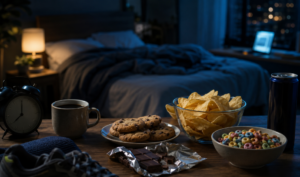
5. Fatigue Can Reduce Physical Activity
When you are tired, exercise may feel much harder than usual. You may skip a planned workout, choose the elevator, drive instead of walking, or spend more time sitting.
Sleep loss can affect physical activity in several ways:
- Lower motivation
- Reduced endurance
- Slower reaction time
- Poorer exercise performance
- Longer recovery time
- Greater perceived effort
- Increased risk of injury
Even everyday movement may decrease. This includes walking, cleaning, standing, and other small activities that contribute to daily energy expenditure.
Resting for one day after a poor night is reasonable. The concern is repeated sleep loss that gradually turns an active routine into a sedentary one.
6. Sleep Loss May Affect Insulin Sensitivity
Insulin helps move glucose from the bloodstream into cells, where it can be used for energy. Insufficient sleep may temporarily make the body less responsive to insulin.
When this happens regularly, the body may have more difficulty managing blood sugar efficiently. This does not mean that a few short nights will automatically cause diabetes or weight gain, but chronic sleep loss may contribute to an unhealthy metabolic environment.
Sleep loss may be especially concerning when combined with:
- A diet high in added sugar
- Frequent late-night eating
- Low physical activity
- Chronic stress
- Irregular meal timing
- A family history of metabolic disease
Maintaining a consistent sleep schedule can support healthy habits, but it should not replace medical care or a balanced diet.
7. Stress and Cortisol May Influence Eating
Poor sleep can increase feelings of stress, irritability, and emotional exhaustion. When stress rises, many people turn to food for comfort or quick energy.
Cortisol is a hormone involved in the body’s stress response. Chronic sleep disruption and ongoing stress may affect cortisol patterns, appetite, and where the body stores fat.
Stress-related eating often involves:
- Sugary foods
- Salty snacks
- Large portions
- Eating quickly
- Eating without physical hunger
- Snacking while working or watching television
A tired and stressed person may also have less patience for cooking, meal planning, or exercise. Convenient high-calorie food becomes the easier option.
Can Sleeping More Help With Weight Loss?
Getting enough sleep is not a replacement for balanced nutrition and physical activity. However, improving sleep may make weight management easier.
In a randomized clinical trial, adults with overweight who usually slept fewer than 6.5 hours increased their sleep by approximately 1.2 hours per night. The group that extended sleep consumed fewer calories on average without being instructed to change diet or exercise.
This does not mean that sleeping longer automatically causes weight loss. It suggests that adequate sleep may support appetite control and reduce some of the behaviors that lead to excess calorie intake.
Potential benefits of better sleep include:
- More stable hunger
- Fewer high-calorie cravings
- Better portion control
- More energy for exercise
- Improved meal planning
- Reduced late-night snacking
- Better stress management
Sleep works best as part of a complete weight-management routine.
The Sleep and Weight Gain Cycle
Sleep and body weight can influence each other, creating a difficult cycle.
- Insufficient sleep increases hunger and cravings.
- Extra calories contribute to gradual weight gain.
- Weight gain may increase snoring or sleep apnea risk.
- Disrupted breathing reduces sleep quality.
- Poor sleep makes appetite and activity harder to manage.
Breaking the cycle may require improving both sleep and daytime habits rather than focusing only on calorie restriction.
Weight Gain Can Also Affect Sleep
Excess weight does not always cause sleep problems, but it can increase the risk of obstructive sleep apnea.
Sleep apnea occurs when breathing repeatedly stops or becomes restricted during sleep. Common signs include:
- Loud, frequent snoring
- Gasping or choking during sleep
- Morning headaches
- Dry mouth after waking
- Daytime sleepiness
- Difficulty concentrating
- Waking frequently during the night
Sleep apnea requires professional evaluation. Dieting or trying to sleep longer without medical guidance is not a substitute for diagnosis and treatment.
Is Your Sleep Affecting Your Eating Habits?
Ask yourself the following questions:
- Do I crave more sugar after sleeping poorly?
- Do I drink high-calorie beverages to stay awake?
- Do I eat late because I remain awake longer?
- Do I skip exercise when tired?
- Do I rely on takeout because I lack energy to cook?
- Do I confuse fatigue with hunger?
- Do I sleep fewer than seven hours most nights?
If several answers are yes, improving sleep may support your weight-management efforts. Start with one small adjustment instead of trying to change everything at once.
If evening cravings are a problem, learn why you get hungry at night and how to identify the cause.
How to Improve Sleep for Better Weight Management
Improving sleep does not require changing everything at once. Small, consistent habits are usually more sustainable than a perfect routine followed for only a few days.
Set a Consistent Wake-Up Time
Wake up at approximately the same time each day, including weekends. A regular wake time helps stabilize your circadian rhythm and can make falling asleep easier at night.
Move Bedtime Earlier Gradually
If you regularly sleep too little, move bedtime earlier by 15 to 30 minutes. Once that feels comfortable, adjust it again if necessary.
Trying to go to bed two hours earlier immediately may leave you lying awake and frustrated.
Get Morning Light
Natural morning light helps regulate the body clock. Open the curtains or spend a few minutes outside soon after waking.
Morning light can support earlier sleepiness in the evening and improve sleep timing over time.
Limit Caffeine Later in the Day
Caffeine can remain active in the body for several hours. Coffee, energy drinks, tea, cola, chocolate, and some medications may delay sleep.
Try stopping caffeine at least six hours before bedtime. People who are sensitive may need to stop earlier.
Avoid Heavy Late-Night Meals
Large, greasy, spicy, or sugary meals may cause indigestion and interfere with sleep.
Finish a full meal approximately two to three hours before bed when possible. If you are genuinely hungry, choose a small, easy-to-digest snack.
Reduce Screen Exposure Before Bed
Phones, computers, and television can keep the brain alert and delay bedtime. Screens also make it easy to lose track of time.
During the final 30 to 60 minutes before bed:
- Dim the lights
- Silence unnecessary notifications
- Avoid stressful news or work
- Read a paper book
- Stretch gently
- Practice slow breathing
Keep the Bedroom Sleep-Friendly
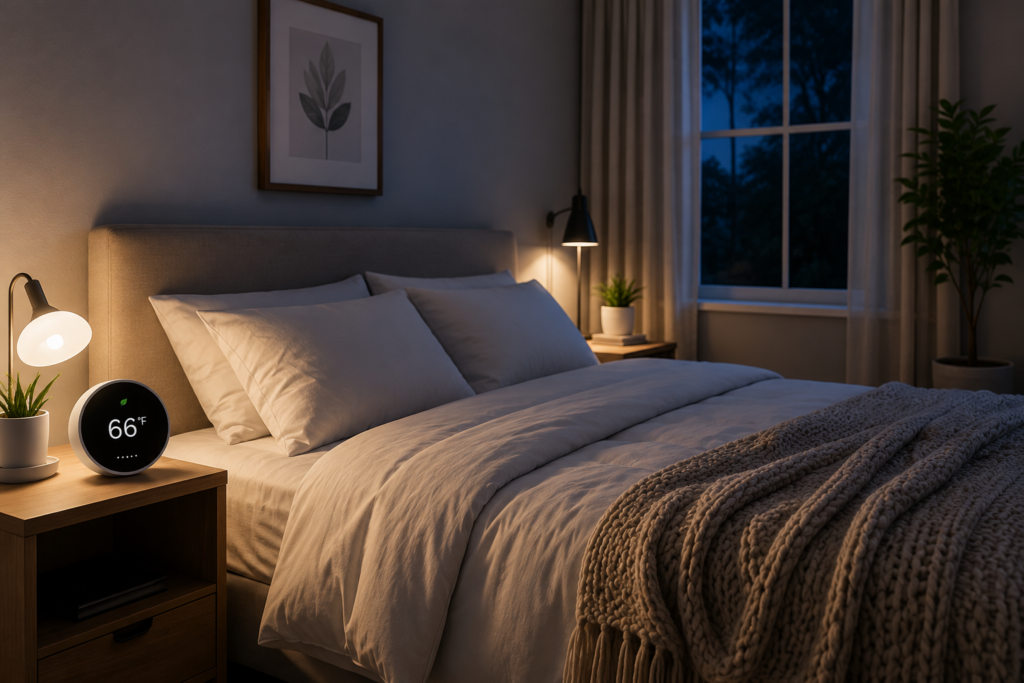
A bedroom that is dark, quiet, cool, and comfortable may support better sleep.
Consider using:
- Blackout curtains
- A comfortable mattress and pillow
- Breathable bedding
- A fan or white-noise machine
- Soft, warm evening lighting
- An eye mask or earplugs
Healthy Eating Habits After a Poor Night’s Sleep
You cannot always prevent a bad night. Planning for the following day can reduce tired eating.
Try these strategies:
- Eat a balanced breakfast or first meal
- Include protein and fiber at meals
- Drink water regularly
- Prepare snacks in advance
- Avoid relying on sugary drinks for energy
- Eat from a plate instead of a package
- Keep dinner portions moderate
- Go to bed earlier instead of continuing to snack
A short walk and exposure to daylight may also improve alertness. Avoid using excessive caffeine late in the day because it can create another poor night of sleep.
Should You Exercise When Sleep-Deprived?
Light or moderate movement may help you feel more alert, but intense exercise may not be appropriate when you are extremely tired.
After one poor night, consider:
- Walking
- Gentle cycling
- Stretching
- Light strength training
- Reducing workout intensity
- Exercising earlier in the day
Avoid activities that require fast reactions or heavy lifting if you feel dizzy, unusually weak, or unable to concentrate.
Prioritize safety and return to your normal routine after recovering.
When to Speak With a Healthcare Professional
Talk with a healthcare professional if sleep problems continue despite improving your routine or if they significantly affect daily life.
Seek advice if you experience:
- Loud and frequent snoring
- Gasping or choking during sleep
- Severe daytime sleepiness
- Morning headaches
- Difficulty sleeping at least three nights per week
- Unexplained or rapid weight changes
- Falling asleep while driving or working
- Persistent fatigue despite enough time in bed
These symptoms may indicate sleep apnea, insomnia, a medication effect, or another medical condition that requires evaluation.

Final Thoughts
So, can lack of sleep cause weight gain? Insufficient sleep does not create body fat instantly, but it can make weight gain more likely.
Poor sleep may increase hunger, strengthen cravings, encourage late-night eating, reduce physical activity, and affect metabolic health. These changes can gradually shift energy balance toward weight gain.
Sleep should not replace nutrition or exercise, but it deserves a place beside them. Start with a consistent wake time, an earlier bedtime, morning light, and fewer late-night snacks. Better sleep can make healthy choices feel far less like a wrestling match with the refrigerator.
Frequently Asked Questions
How much weight can lack of sleep cause?
There is no fixed amount. Weight changes depend on calorie intake, activity, genetics, medications, health conditions, and the duration of sleep loss. Chronic short sleep may increase risk rather than guaranteeing a specific gain.
Can one night of poor sleep make you gain weight?
One poor night is unlikely to cause meaningful fat gain. Temporary changes on the scale may reflect water, sodium, digestion, or meal timing. Repeated sleep restriction is more concerning.
Can sleeping more help you lose weight?
Adequate sleep may support appetite control and reduce calorie intake, but sleeping more does not guarantee weight loss. It works best alongside balanced eating and regular physical activity.
The National Institutes of Health reports that adults who extended their sleep in a randomized clinical trial consumed fewer calories on average.
Does lack of sleep increase belly fat?
Some controlled research suggests that sleep restriction combined with unrestricted eating may promote abdominal fat accumulation. More long-term research is needed to understand individual effects.
Why am I hungrier after sleeping badly?
Sleep loss may affect appetite signals, increase the appeal of high-calorie food, and give you more time to eat. Fatigue may also be mistaken for hunger.
Is seven hours of sleep enough for weight loss?
Seven hours may be enough for some adults, while others need eight or nine. Sleep quality and consistency also matter. Weight loss still depends on overall energy balance and lifestyle.
Should I sleep or exercise when trying to lose weight?
Both matter. If you are repeatedly sacrificing sleep to exercise, adjusting the schedule may be healthier and more sustainable. After an occasional poor night, choose lighter activity and prioritize recovery.