Why Do I Wake Up With My Heart Racing? 9 Causes and Effective Fixes (2026)
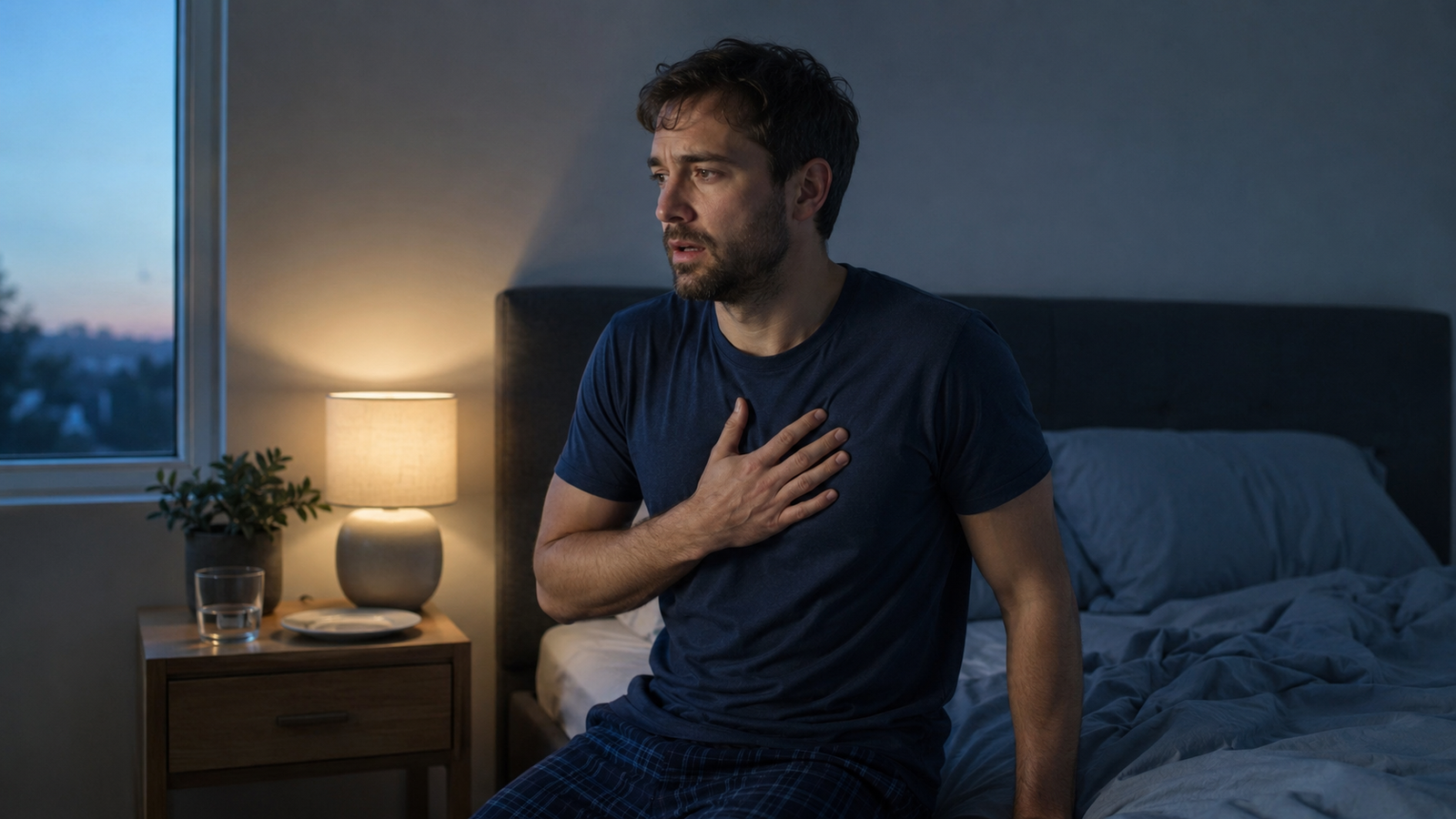
If you frequently wonder, “Why do I wake up with my heart racing?”, possible causes include anxiety, nightmares, caffeine, alcohol, dehydration, low blood sugar, sleep apnea, thyroid problems, medication effects, or an abnormal heart rhythm.
A pounding heartbeat after sleep may last only a few seconds or continue for several minutes. You may feel it in your chest, throat, or neck. Some people describe the sensation as fluttering, skipping, thumping, or beating unusually hard.
A brief episode after a frightening dream may not indicate a serious problem. However, repeated palpitations—particularly those accompanied by chest pain, breathing difficulty, fainting, severe dizziness, or unusual sweating—require prompt medical attention.
What Does a Racing Heart After Sleep Feel Like?
Heart palpitations are sensations that make you unusually aware of your heartbeat. Your heart may feel as though it is:
- Beating very quickly
- Pounding forcefully
- Fluttering in your chest
- Skipping beats
- Beating irregularly
- Pausing and then producing a stronger beat
A heartbeat that feels forceful is not necessarily faster than normal. Likewise, a fast pulse does not reveal the cause by itself.
The National Heart, Lung, and Blood Institute explains that palpitations can feel like skipping, fluttering, pounding, or beating too fast or hard. An arrhythmia may produce these sensations, but anxiety, stimulants, fever, dehydration, and other noncardiac factors can also make your heartbeat more noticeable.
Check the Pattern Before Getting Out of Bed
If it is safe to remain still for a moment, notice:
- Whether the rhythm feels regular or irregular
- Approximately how long the episode lasts
- Whether it began suddenly or gradually
- Whether you woke from a nightmare
- Whether you were gasping, choking, or sweating
- Whether you feel dizzy, nauseous, weak, or short of breath
- Whether changing position affects the sensation
- What you ate, drank, or took before bed
You can count your pulse for 30 seconds and multiply the number by two, but do not delay emergency care to measure it when serious symptoms are present. A smartwatch reading can offer useful context, although it cannot independently diagnose the cause.
If the episode also involves trembling or internal vibrations, compare the pattern with Why Do I Wake Up Shaking? 9 Causes and Effective Fixes.
1. Anxiety or a Nighttime Panic Attack
Anxiety is a common cause of a racing or pounding heartbeat. When your brain detects a threat, the sympathetic nervous system releases stress hormones that prepare your body to respond.
This reaction can:
- Increase your heart rate
- Make breathing faster
- Tighten your muscles
- Increase perspiration
- Cause trembling
- Produce nausea or dizziness
- Create chest tightness
- Make you feel intensely alert
A nighttime panic attack can wake you suddenly even when you were not consciously worrying before falling asleep. The physical sensations may appear first, causing you to become frightened and making the heartbeat feel even stronger.
Anxiety may be involved when episodes:
- Occur during emotionally stressful periods
- Follow nighttime overthinking
- Include tingling or trembling
- Improve as your breathing and fear settle
- Become worse after several nights of poor sleep
- Happen before demanding workdays or important events
If worry routinely becomes stronger after bedtime, Why Does Anxiety Get Worse at Night? 8 Possible Reasons explains why reduced distraction, fatigue, and learned sleep anxiety may intensify nighttime symptoms.
However, do not automatically assume that every racing heartbeat is anxiety. Palpitations caused by an abnormal heart rhythm, thyroid disease, sleep apnea, medication, fever, or low blood glucose may feel similar.
2. Nightmares and Sudden Adrenaline Surges
A vivid nightmare can activate the body’s stress response. You may awaken with a pounding heart, rapid breathing, sweating, muscle tension, or a strong sense of fear.
This response usually begins to settle as you recognize your surroundings and realize that the dream is over. Remembering part of the dream also makes a nightmare-related episode more likely.
Stress may contribute even when you cannot recall a dream. Your nervous system can remain more reactive when you are:
- Sleep-deprived
- Emotionally overwhelmed
- Recovering from an upsetting experience
- Sleeping in an unfamiliar environment
- Experiencing frequent nighttime awakenings
- Using alcohol or certain medications
- Maintaining an inconsistent sleep schedule
Stress and poor sleep can reinforce each other. Increased alertness makes sleep less stable, while fragmented sleep may leave the nervous system more sensitive the following night. How Does Stress Affect Sleep? 7 Ways to Sleep Better explores this connection and offers practical ways to reduce bedtime arousal.
Recurring nightmares, dream enactment, or episodes related to trauma deserve professional attention, particularly when they lead to sleep avoidance or interfere with daytime life.
3. Caffeine, Nicotine, or Other Stimulants
Stimulants activate the nervous system and may contribute to a rapid or forceful heartbeat during the night or upon waking.
Possible sources include:
- Coffee and espresso
- Energy drinks
- Pre-workout products
- Caffeine tablets
- Black or green tea
- Cola
- Nicotine products
- Some headache medicines
- Certain decongestants
- Weight-loss supplements
- Prescription stimulant medicines
Caffeine may remain active for several hours. An afternoon coffee or evening energy drink can therefore affect sleep and heart rate long after consumption.
Morning symptoms may become more noticeable when stimulants delay sleep, cause repeated awakenings, or combine with stress, dehydration, alcohol, or another medication. The guide How Long Does Caffeine Stay in Your System? explains why timing and individual sensitivity matter.
Review Everything You Consumed
Record the product, amount, and time used. Check medicine and supplement labels instead of considering only coffee.
Do not stop a prescribed stimulant or other medication without consulting the prescriber. If you regularly consume large amounts of caffeine, reducing it gradually may help limit withdrawal headaches, fatigue, and irritability.
Seek urgent care if a racing heartbeat occurs with chest pain, loss of consciousness, significant breathing difficulty, severe dizziness, or unusual sweating. These symptoms should not be dismissed as caffeine or anxiety.
4. Alcohol Can Increase Your Heart Rate and Disrupt Sleep
Alcohol may initially make you feel sleepy, but its effects change as your body processes it. Later in the night, sleep may become lighter and more fragmented, making you more likely to wake with a pounding or racing heart.
Alcohol can also:
- Increase heart rate
- Raise blood pressure
- Contribute to dehydration
- Trigger sweating
- Worsen acid reflux
- Increase anxiety as its sedating effect wears off
- Aggravate snoring and sleep-disordered breathing
- Interact with medicines
- Trigger an abnormal rhythm in susceptible people
MedlinePlus explains that alcohol can raise both heart rate and blood pressure. The effect depends on how much you drink, how quickly you consume it, your health, and whether alcohol is combined with medication or stimulants.
Alcohol may be involved when palpitations:
- Follow evening drinking
- Occur after consuming more alcohol than usual
- Accompany thirst, headache, sweating, or nausea
- Become worse when alcohol is combined with caffeine
- Occur after several hours of restless sleep
- Improve when alcohol intake is reduced
- Happen alongside loud snoring or gasping
Although alcohol may shorten the time it takes to fall asleep, it is not a reliable sleep aid. Does Alcohol Help You Sleep? What Science Says explains how it can interfere with restorative sleep later in the night.
Alcohol Withdrawal Requires Special Attention
Morning palpitations may also occur when someone who regularly drinks heavily suddenly stops or substantially reduces alcohol intake. Possible withdrawal symptoms include:
- Trembling
- Sweating
- Anxiety or agitation
- Nausea
- Insomnia
- Headache
- A rapid heartbeat
- Hallucinations
- Seizures
Do not attempt to treat suspected withdrawal by drinking more alcohol. Severe withdrawal can be life-threatening and may require medically supervised treatment.
Contact a healthcare professional before suddenly stopping if you regularly drink heavily or have previously experienced withdrawal. Seek emergency assistance for seizures, hallucinations, severe confusion, fever, extreme agitation, loss of consciousness, or a dangerously irregular heartbeat.
5. Dehydration May Make Your Heart Beat Faster
Dehydration occurs when your body loses more fluid than it takes in. When fluid levels fall, your heart may beat faster to help maintain blood circulation.
You may become dehydrated overnight because of:
- Not drinking enough during the day
- Heavy exercise
- Hot weather
- Fever
- Vomiting or diarrhea
- Excessive sweating
- Alcohol consumption
- Certain medicines
- Frequent urination
- Sleeping in an excessively warm bedroom
- Breathing through your mouth
Possible accompanying symptoms include:
- Thirst
- Dry mouth
- Dark-colored urine
- Urinating less frequently
- Headache
- Fatigue
- Weakness
- Dizziness or lightheadedness
- Muscle cramps
MedlinePlus defines dehydration as losing more fluid than you take in. Older adults, young children, people with certain chronic conditions, and anyone experiencing persistent vomiting or diarrhea may be more vulnerable.
Dehydration may be more likely when your racing heartbeat improves after resting and gradually replacing fluids. However, improvement after drinking water does not prove that dehydration was the only cause.
If you also feel unsteady when you sit up or stand, review Why Do I Wake Up Dizzy? 9 Common Causes and Solutions for other possible explanations.
What Should You Drink?
For mild dehydration, water may be sufficient. An oral rehydration solution may be more appropriate when significant fluid and electrolyte losses follow vomiting, diarrhea, or heavy sweating.
Avoid rapidly drinking an excessive amount of water. People with heart failure, kidney disease, or fluid restrictions should follow the advice of their healthcare professional rather than increasing fluid intake independently.
Seek prompt medical care when dehydration is accompanied by:
- Fainting
- Confusion
- Inability to keep fluids down
- Very little or no urination
- Severe weakness
- Significant breathing difficulty
- Persistent rapid heartbeat
- Bloody vomit or stool
A racing heart with severe dizziness or fainting should not be managed at home simply by drinking water.
6. Low Blood Sugar Can Trigger a Fast or Pounding Heartbeat
Low blood glucose, also called hypoglycemia, activates stress hormones that help the body raise its glucose level. This response can cause a racing heartbeat, sweating, trembling, hunger, and anxiety.
Nighttime hypoglycemia is particularly important for people who use insulin or certain diabetes medicines.
Possible symptoms include:
- A rapid or irregular heartbeat
- Shaking or jitteriness
- Sweating
- Hunger
- Dizziness
- Headache
- Weakness
- Irritability
- Confusion
- Blurred vision
- Nightmares
- Damp pajamas or bedding
- Unusual tiredness after waking
The National Institute of Diabetes and Digestive and Kidney Diseases identifies a fast or irregular heartbeat, shakiness, hunger, dizziness, confusion, and headache as possible symptoms of low blood glucose.
Why Might Glucose Drop During Sleep?
Possible triggers in people with diabetes include:
- Taking too much insulin
- Using certain glucose-lowering medicines
- Skipping or delaying dinner
- Eating fewer carbohydrates than expected
- Exercising more than usual
- Exercising close to bedtime
- Drinking alcohol without enough food
- Vomiting or being unable to eat
- Changes in kidney function
- A mismatch between medication, meals, and activity
If you have diabetes, follow the glucose-testing and hypoglycemia treatment plan provided by your healthcare team. Do not independently reduce or skip prescribed medicine because of a suspected episode.
Never give food or drink to someone who is unconscious, having a seizure, or unable to swallow safely. Use prescribed emergency glucagon if available and you have been trained, and contact emergency services.
People without diabetes should not assume that hunger and palpitations automatically indicate low blood sugar. Repeated episodes require medical evaluation, particularly when they include fainting, confusion, unexplained weight changes, or significant sweating.
If nighttime hunger occurs frequently, Why Do I Get Hungry at Night? 9 Causes and What to Do can help you examine meal timing, daytime intake, and sleep disruption. When palpitations occur with queasiness, also compare the pattern with Why Do I Wake Up Nauseous? 9 Common Causes and Fixes.
Seek emergency help if a racing heartbeat accompanies loss of consciousness, a seizure, chest pain, severe breathing difficulty, or an inability to speak or respond normally.
What Should You Do When You Wake Up With Your Heart Racing?
What to Do When You Wake Up With Your Heart Racing 
If you wake with a racing or pounding heartbeat, stay calm and check whether any serious symptoms are present.
1. Sit Still and Assess Your Symptoms
Sit or lie somewhere safe. Notice whether the heartbeat feels fast, forceful, irregular, or as though it is skipping beats.
Do not immediately stand if you feel dizzy or unsteady.
2. Breathe Slowly
If anxiety or a nightmare may be responsible:
- Relax your shoulders and jaw.
- Breathe gently through your nose.
- Exhale slowly without forcing a large breath.
- Focus on making each exhalation slightly longer.
- Allow several minutes for your body to settle.
Avoid repeatedly taking very deep, rapid breaths, which may worsen lightheadedness or tingling.
Regularly practicing deep breathing exercises before bed may help reduce stress-related arousal, but breathing exercises cannot treat an abnormal heart rhythm or another medical condition.
3. Avoid Immediate Stimulants
Until you understand what happened, avoid reaching for:
- Coffee or energy drinks
- Nicotine
- Pre-workout supplements
- Alcohol
- Unverified “heart” or thyroid supplements
- Decongestants unless medically appropriate
These substances may make palpitations more noticeable or complicate the symptoms.
4. Replace Fluids Gradually When Appropriate
Drink water gradually if you may be mildly dehydrated and have no medical fluid restriction. Do not assume that water alone will correct persistent palpitations.
If you have diabetes or use glucose-lowering medication, follow your established blood-glucose testing and treatment plan.
5. Record the Episode
Write down:
- The time it began
- How long it lasted
- Whether it started and stopped suddenly
- Whether the rhythm felt regular or irregular
- Your pulse or smartwatch reading, if safely available
- Any chest discomfort, sweating, nausea, or dizziness
- Whether you woke gasping or choking
- Evening caffeine, alcohol, food, and medication use
- Recent stress, illness, or exercise
- What helped the episode settle
This information can help a healthcare professional investigate why do I wake up with my heart racing, especially when the heartbeat returns to normal before an appointment.
When Should You See a Doctor?
Arrange a medical evaluation when palpitations:
- Repeatedly wake you from sleep
- Are becoming more frequent or intense
- Last for several minutes or longer
- Begin and end very suddenly
- Feel distinctly irregular
- Continue after you are fully awake
- Occur during physical activity
- Follow a new medicine or dosage change
- Accompany unexplained weight loss, tremors, or heavy sweating
- Occur with loud snoring, gasping, or witnessed breathing pauses
- Affect someone with heart disease or a family history of rhythm disorders
A clinician may recommend an electrocardiogram, blood tests, a wearable heart monitor, thyroid testing, electrolyte testing, or a sleep study.
Improving your sleep quality through consistent daily habits may reduce stress and sleep fragmentation, but it should not replace medical evaluation for recurring palpitations.
When Is a Racing Heart an Emergency?
Call your local emergency services immediately if a racing or irregular heartbeat occurs with:
- Chest pain, pressure, or tightness
- Significant shortness of breath
- Fainting or near-fainting
- Severe dizziness
- New confusion
- One-sided weakness or numbness
- Difficulty speaking
- Bluish or unusually pale lips or skin
- Profuse sweating
- Sudden severe weakness
- Loss of consciousness
Official guidance advises emergency assessment when palpitations accompany chest pain, breathing difficulty, dizziness, or fainting. Do not drive yourself when symptoms are severe. MedlinePlus and the NHS provide further guidance on these warning signs.
Final Thoughts
Waking with a racing heart may result from anxiety, nightmares, stimulants, alcohol, dehydration, low blood sugar, sleep apnea, thyroid disease, or an abnormal heart rhythm.
An occasional brief episode with an obvious trigger may settle without treatment. However, recurring, prolonged, or irregular palpitations deserve medical evaluation—particularly when they occur with dizziness, breathing difficulty, or chest discomfort.
Keep a record of the timing, triggers, pulse pattern, and accompanying symptoms. Your heart may occasionally object to the morning schedule, but repeated midnight drum solos should receive a professional review.
Frequently Asked Questions
Is it normal to wake up with your heart racing?
A brief episode may occur after a nightmare, sudden awakening, anxiety, alcohol, or caffeine. Repeated or unexplained episodes should be discussed with a healthcare professional.
Can anxiety cause a racing heart during sleep?
Yes. A nighttime panic attack or adrenaline surge may cause palpitations, sweating, trembling, rapid breathing, nausea, and intense fear. Similar symptoms can have medical causes, so recurring episodes should not automatically be attributed to anxiety.
Can sleep apnea make your heart race?
Yes. Breathing interruptions may lower oxygen levels and activate a stress response, causing a sudden increase in heart rate. Loud snoring, gasping, breathing pauses, morning headaches, and daytime sleepiness strengthen the reason to seek evaluation.
Can dehydration cause morning palpitations?
Dehydration can reduce circulating fluid volume and make the heart beat faster. Thirst, dry mouth, dark urine, headache, and dizziness may occur at the same time.
Should I check my smartwatch when this happens?
A smartwatch may record useful heart-rate or rhythm information, but it cannot independently confirm or exclude a heart condition. Save the reading for your healthcare professional and do not delay emergency help to obtain it.
Medical note: This article provides general educational information and is not a substitute for professional diagnosis or individualized treatment.
Related Articles
Why Do I Wake Up Shaking? 9 Causes and Effective Fixes