Why Do I Wake Up Short of Breath? 9 Causes and What to Do (2026)
If you frequently ask, “Why do I wake up short of breath?”, possible causes include sleep apnea, nighttime asthma, nasal congestion, acid reflux, anxiety, heart problems, respiratory illness, a blood clot, or bedroom irritants.
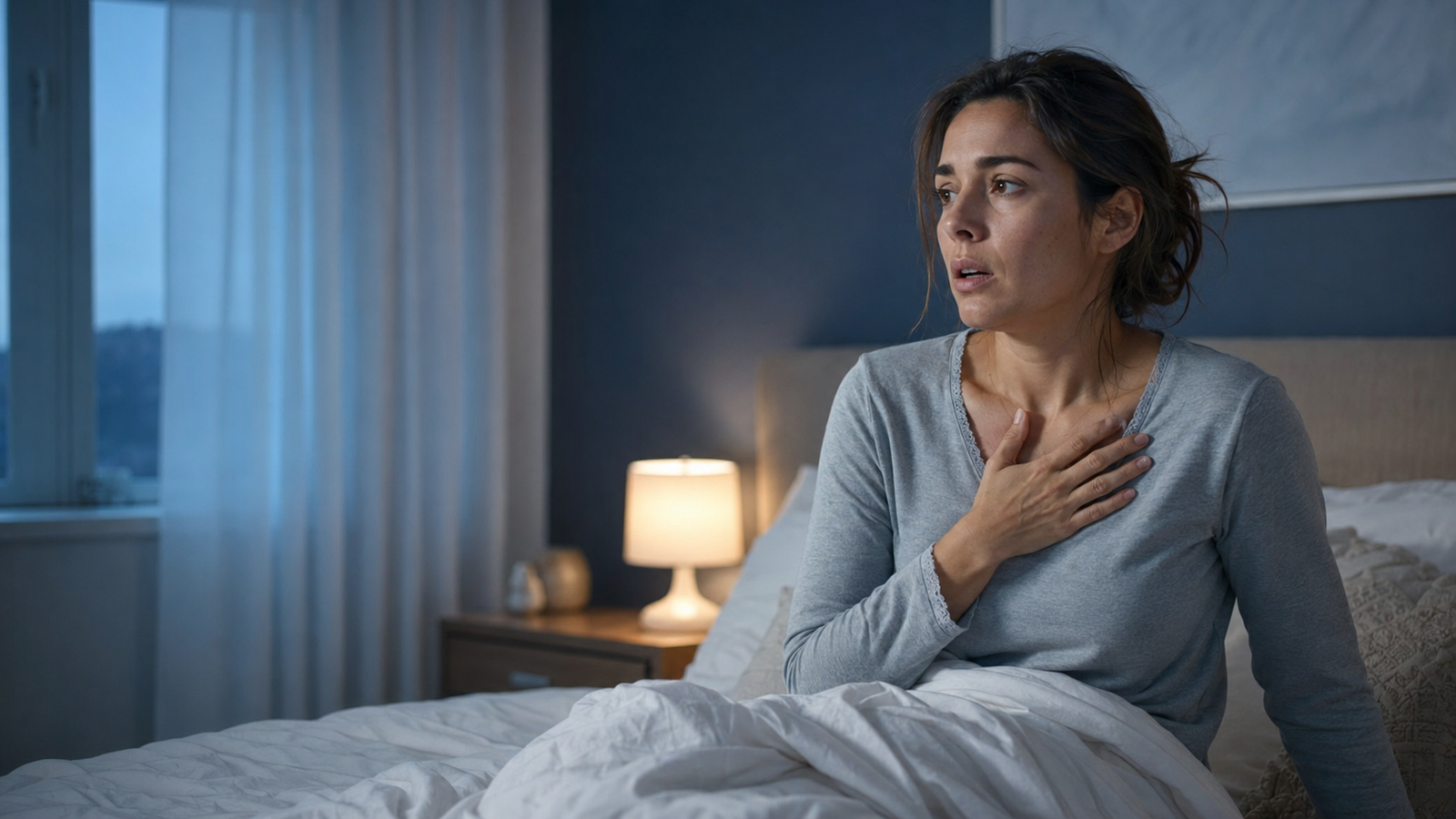
You may awaken feeling unable to take a full breath, gasping for air, coughing, wheezing, or needing to sit upright. Sometimes the sensation passes within a few breaths. In other cases, it continues after you are fully awake or occurs with chest discomfort, dizziness, sweating, or a racing heartbeat.
An occasional episode may follow a nightmare, temporary congestion, or an irritating bedroom environment. However, recurring nighttime breathing difficulty should not be ignored. Sudden or severe shortness of breath can be a medical emergency, especially when accompanied by chest pain, fainting, confusion, bluish lips, or difficulty speaking.
This guide explains nine possible causes, the symptoms that may help distinguish them, practical next steps, and when to seek urgent medical attention.
What Does Waking Up Short of Breath Feel Like?
Shortness of breath, also called dyspnea, can feel different from one person to another. You may experience:
- A sensation that you cannot get enough air
- Sudden gasping or choking
- Difficulty taking a deep breath
- Tightness in your chest
- Rapid or shallow breathing
- Wheezing or noisy breathing
- A need to sit or stand upright
- A feeling of suffocation
- Coughing immediately after waking
- A racing or pounding heartbeat
- Anxiety caused by the breathing difficulty
The pattern matters. Notice whether the episode begins abruptly, follows snoring or choking, improves when you sit up, or continues after leaving the bedroom.
MedlinePlus explains that breathing difficulty may result from lung conditions, heart disease, airway problems, allergies, anxiety, and other medical causes. Because several conditions can produce similar sensations, symptoms alone may not reveal the exact cause.
Check for Emergency Warning Signs First
Call your local emergency services immediately if shortness of breath is severe, begins suddenly, or occurs with:
- Chest pain, pressure, or tightness
- Fainting or loss of consciousness
- New confusion
- Bluish lips, face, or fingertips
- Difficulty speaking in complete sentences
- Sudden weakness or numbness
- Coughing up blood
- Severe wheezing or choking
- Swelling of the face, lips, or tongue
- A very rapid or irregular heartbeat
- Pain or swelling in one leg
Do not delay emergency care while trying breathing exercises, drinking water, searching symptoms, or checking a smartwatch. MedlinePlus notes that breathing difficulty is often a medical emergency.
Why Do I Wake Up Short of Breath During the Night?
Breathing can change during sleep because the muscles surrounding your airway relax, your sleeping position affects airflow, and lying flat changes how fluids and stomach contents move through the body.
The following nine causes will be covered throughout this guide. Part 1 begins with three common possibilities: sleep apnea, nighttime asthma, and nasal congestion.
1. Sleep Apnea Can Cause Gasping or Choking
Sleep apnea is one of the most important possible explanations for waking up short of breath. It causes breathing to repeatedly stop and restart during sleep.
Obstructive sleep apnea occurs when the upper airway becomes narrowed or blocked. As airflow decreases, oxygen levels may fall and the brain briefly wakes the body so that breathing can resume. You may awaken gasping, choking, snorting, or feeling as though your heart is pounding.
Possible warning signs include:
- Loud, persistent snoring
- Witnessed pauses in breathing
- Gasping or choking during sleep
- Frequent nighttime awakenings
- Waking with a dry mouth
- Morning headaches
- Nighttime sweating
- Frequent urination during the night
- Excessive daytime sleepiness
- Difficulty concentrating
- Irritability
- Unrefreshing sleep
The National Heart, Lung, and Blood Institute explains that sleep apnea repeatedly interrupts breathing and may prevent the body from receiving enough oxygen.
You may not remember every breathing interruption. A partner may notice pauses, silence between periods of snoring, or sudden gasping before you recognize the pattern yourself.
Sleep apnea may be more likely if symptoms become worse when sleeping on your back or after drinking alcohol. Risk can also increase with age, excess body weight, enlarged tonsils, nasal obstruction, smoking, certain anatomical features, and a family history of the condition.
If gasping episodes occur with head pain after sleep, review Why Do I Wake Up With a Headache? 9 Common Causes. Morning headaches and dry mouth can occur when nighttime breathing is repeatedly disrupted.
A healthcare professional may recommend a home or laboratory sleep study to monitor breathing, oxygen levels, heart rate, snoring, and awakenings. Do not attempt to diagnose sleep apnea from snoring alone; not everyone who snores has the condition, and some people with sleep apnea do not snore loudly.
2. Nighttime Asthma May Tighten Your Airways
Asthma causes inflammation and narrowing of the airways. Symptoms can become worse at night because of changes in airway function, allergen exposure, cold air, reflux, or the natural overnight rhythm of certain hormones.
Nighttime asthma may cause:
- Shortness of breath
- Wheezing
- Chest tightness
- Persistent coughing
- Difficulty breathing out
- Sleep interrupted by coughing
- Symptoms that worsen in a particular room
- A need to use a prescribed rescue inhaler
- Tiredness after fragmented sleep
Consider whether symptoms follow exposure to:
- Dust mites in bedding
- Pet dander
- Mold
- Pollen entering through windows
- Smoke or vaping residue
- Strong fragrances
- Cleaning products
- Cold or very dry air
- An unclean humidifier
- Air-conditioning vents blowing toward the bed
Asthma symptoms can range from mild to life-threatening. Follow the asthma action plan provided by your healthcare professional and use prescribed medication exactly as directed.
Seek emergency assistance when breathing remains difficult after using prescribed rescue medicine, you cannot speak comfortably, the skin around your ribs pulls inward, your lips appear blue or gray, or symptoms worsen rapidly.
Repeated nighttime asthma symptoms may indicate that the condition is not adequately controlled. Arrange a medical review rather than routinely accepting poor sleep or repeatedly increasing medication without professional guidance.
3. Nasal Congestion Can Make Breathing Feel Difficult
A blocked nose does not always cause true shortness of breath, but it can create an uncomfortable feeling of restricted airflow and encourage mouth breathing. The sensation may be especially noticeable when you awaken suddenly.
Possible causes of nighttime congestion include:
- Seasonal allergies
- Dust mites
- Pet dander
- Mold
- A cold or sinus infection
- Dry bedroom air
- Nasal polyps
- A deviated septum
- Rebound congestion from overusing medicated nasal spray
Congestion may be responsible when you also experience:
- A blocked or runny nose
- Sneezing
- Postnasal drip
- Itchy or watery eyes
- Facial pressure
- Reduced sense of smell
- Dry lips or mouth
- A scratchy throat
- Symptoms that improve after leaving the bedroom
The guide Why Do I Wake Up Congested? 9 Common Causes and Solutions explains how allergies, bedding, humidity, infection, and structural nasal problems can affect morning breathing.
Congestion may also contribute to mouth breathing. If dryness appears alongside blocked nasal passages, compare your symptoms with Why Do I Wake Up With a Dry Mouth? 8 Causes and Fixes.
Saline nasal spray may help moisturize and clear the nasal passages. When performing a nasal rinse, use distilled, sterile, or appropriately boiled and cooled water rather than untreated tap water.
Do not assume that severe breathing difficulty is simply a blocked nose. Persistent chest tightness, wheezing, faintness, bluish lips, or difficulty speaking requires prompt medical assessment.
4. Acid Reflux Can Cause Coughing or a Choking Sensation
Acid reflux occurs when stomach contents move backward into the esophagus. Lying down removes the assistance of gravity, so reflux may travel farther upward and irritate the throat or airway during sleep.
This irritation can cause you to wake with:
- A sour or bitter taste
- Heartburn or chest burning
- Sudden coughing
- Throat clearing
- Hoarseness
- A choking sensation
- Difficulty swallowing
- Excess saliva
- Nausea
- A feeling of a lump in the throat
- Shortness of breath that improves after sitting up
The National Institute of Diabetes and Digestive and Kidney Diseases explains that gastroesophageal reflux disease may cause heartburn, regurgitation, chest pain, nausea, chronic coughing, and hoarseness.
Reflux may be more likely when nighttime symptoms follow:
- A large evening meal
- Eating shortly before lying down
- Alcohol consumption
- High-fat or spicy foods
- Chocolate or peppermint
- Coffee or other caffeinated drinks
- Smoking
- A meal that personally triggers symptoms
- Sleeping completely flat
If breathing difficulty occurs with queasiness or an acidic taste, Why Do I Wake Up Nauseous? 9 Common Causes and Fixes may help you compare reflux with other possible causes of morning nausea.
How Can You Reduce Nighttime Reflux?
Practical changes may include:
- Finish meals at least two to three hours before lying down.
- Choose a smaller evening meal.
- Identify foods and drinks that consistently trigger symptoms.
- Avoid using alcohol as a sleep aid.
- Raise the head of the bed when medically appropriate.
- Discuss recurring symptoms with a healthcare professional.
Simply stacking several pillows may bend your body at the waist and increase abdominal pressure. A clinician may instead recommend raising the head of the bed or using an appropriate wedge.
Do not automatically label new chest pressure or severe breathing difficulty as indigestion. Seek urgent medical care when symptoms include crushing chest pain, fainting, unusual sweating, pain spreading to the arm or jaw, bluish lips, or persistent shortness of breath.
5. A Nocturnal Panic Attack Can Make You Feel Unable to Breathe
A nocturnal panic attack can awaken you suddenly with intense fear and physical symptoms, even when you were sleeping calmly and do not remember a nightmare.
During the body’s alarm response, breathing may become fast or shallow. Chest and throat muscles can tighten, creating the frightening sensation that you cannot take a satisfying breath.
Other symptoms may include:
- A racing or pounding heartbeat
- Chest tightness
- Sweating or chills
- Trembling
- Tingling in the hands or face
- Dizziness
- Nausea
- A choking sensation
- A feeling of losing control
- Fear that something terrible is happening
- Feeling detached from your surroundings
The National Institute of Mental Health notes that panic attacks can occur during sleep and may involve a rapid heart rate, trembling, breathing problems, weakness, or dizziness.
Anxiety may be involved when the episode:
- Occurs during a stressful period
- Peaks rapidly
- Includes tingling or trembling
- Gradually settles as your breathing slows
- Follows several nights of poor sleep
- Happens without persistent wheezing or coughing
- Becomes more frightening because you anticipate another episode
For more context on nighttime patterns, see Why Does Anxiety Get Worse at Night? 8 Possible Reasons.
What Can You Do During a Suspected Panic Episode?
Sit somewhere safe and relax your shoulders. Breathe gently rather than repeatedly forcing very deep breaths. Try making each exhalation slightly longer than the inhalation.
Regular deep breathing exercises for sleep may help reduce stress-related arousal when practiced consistently.
However, anxiety should not become the automatic explanation for every episode. Asthma, sleep apnea, reflux, infection, heart disease, medication effects, and blood clots can produce similar symptoms. A first, severe, prolonged, or unusual episode warrants medical evaluation.
6. Heart Problems Can Cause Sudden Breathlessness During Sleep
Certain heart conditions can cause fluid to accumulate in or around the lungs. Breathing may become more difficult when you lie flat, and some people awaken suddenly needing to sit or stand to breathe more comfortably.
This pattern is sometimes called paroxysmal nocturnal dyspnea. It may be associated with heart failure, although other conditions can also cause nighttime breathlessness.
Possible warning signs include:
- Shortness of breath that worsens when lying flat
- Needing multiple pillows to breathe comfortably
- Waking suddenly and needing to sit or stand
- Swelling in the feet, ankles, or legs
- Rapid weight gain from fluid retention
- Persistent fatigue
- Reduced exercise tolerance
- Coughing, particularly when lying down
- A racing or irregular heartbeat
- Chest discomfort
- Frequent nighttime urination
The American Heart Association identifies breathlessness during activity, at rest, or while lying flat as a possible heart-failure symptom. It also notes that breathlessness can begin suddenly during the night and may improve only after getting up or raising the upper body.
Heart-related breathlessness may be more concerning when:
- It is new or becoming progressively worse
- You cannot lie flat comfortably
- Your legs or ankles are swollen
- Ordinary activities leave you unusually breathless
- Your weight rises rapidly over several days
- You have known heart disease
- The episode includes palpitations or faintness
If breathing difficulty accompanies a pounding or irregular pulse, compare the pattern with Why Do I Wake Up With My Heart Racing? 9 Causes and Effective Fixes.
Do not independently increase, stop, or borrow heart medicines or diuretics. A healthcare professional may need to perform an examination, electrocardiogram, blood tests, chest imaging, or an echocardiogram.
Call emergency services immediately if shortness of breath is sudden or severe or occurs with chest pressure, fainting, confusion, bluish skin, profuse sweating, or pain spreading to the arm, back, neck, or jaw. Do not drive yourself when symptoms are severe.
7. A Respiratory Infection Can Make Nighttime Breathing Difficult
A respiratory infection can inflame the airways, increase mucus production, and make breathing feel more difficult when you lie down. Colds, influenza, COVID-19, bronchitis, and pneumonia may also worsen asthma or another existing lung condition.
Possible symptoms include:
- Coughing
- Fever or chills
- Nasal congestion
- Sore throat
- Wheezing
- Chest discomfort
- Mucus or phlegm
- Body aches
- Unusual fatigue
- Reduced appetite
- Shortness of breath during activity or rest
Breathing may feel worse at night because lying flat allows mucus to collect in the throat, postnasal drip can trigger coughing, and airway irritation becomes more noticeable in a quiet bedroom.
The CDC lists difficulty breathing or shortness of breath among the emergency warning signs of respiratory illness. Persistent chest pain, confusion, severe weakness, or symptoms that improve and then return more severely also require prompt medical attention.
If illness has left your throat irritated after sleep, review Why Do I Wake Up With a Sore Throat? 9 Causes. Sore throat, congestion, coughing, and postnasal drip frequently occur together.
When Should You Contact a Healthcare Professional?
Arrange medical care when:
- Shortness of breath is new or worsening
- Fever is persistent or unusually high
- Coughing continues or becomes more severe
- You produce bloody, rust-colored, or unusual mucus
- Symptoms improve and then return
- Breathing difficulty interrupts sleep repeatedly
- You have asthma, COPD, heart disease, or a weakened immune system
- You are pregnant, elderly, or recovering from recent surgery
- A home oxygen reading is lower than the range recommended by your clinician
Do not use leftover antibiotics or another person’s inhaler. Antibiotics do not treat viral infections, and the correct treatment depends on the underlying cause.
Call emergency services for severe breathing difficulty, bluish or gray lips, confusion, fainting, inability to remain awake, or persistent chest pressure.
8. A Pulmonary Embolism Can Cause Sudden Shortness of Breath
A pulmonary embolism occurs when a blood clot—often originating in a deep vein in the leg—travels to the lungs and blocks blood flow. It can be life-threatening and requires immediate medical attention.
According to the National Heart, Lung, and Blood Institute, common symptoms include shortness of breath, pain with deep breathing, rapid breathing, and an increased heart rate. Symptoms may appear within seconds or minutes, although they can sometimes develop more gradually.
Possible warning signs include:
- Sudden, unexplained shortness of breath
- Sharp chest pain that worsens with a deep breath
- Rapid or irregular heartbeat
- Rapid breathing
- Coughing, sometimes with blood
- Dizziness or fainting
- Unusual sweating
- Anxiety or a sense that something is seriously wrong
- Pain, warmth, redness, or swelling in one leg
Risk may be higher after:
- Major surgery or a serious injury
- Prolonged bed rest
- A long flight or car journey
- Previous deep vein thrombosis or pulmonary embolism
- Pregnancy or recent childbirth
- Estrogen-containing medication
- Cancer or certain cancer treatments
- Severe infection or inflammation
- A period of substantially reduced mobility
A pulmonary embolism does not always produce every symptom. Leg pain or swelling may be absent, and the severity of chest discomfort can vary.
If you are wondering why do I wake up short of breath and the episode is sudden, severe, or accompanied by chest pain, faintness, a fast heartbeat, or one-sided leg swelling, do not wait to see whether it improves after breakfast.
Call emergency services immediately. Do not drive yourself, massage a painful or swollen leg, exercise to “improve circulation,” or delay care while checking symptoms online. Midnight detective work has its limits; this situation needs professionals and proper testing.
9. Bedroom Irritants May Trigger Coughing, Wheezing, or Airway Tightness
Sometimes breathing symptoms appear primarily in the bedroom because something in the environment irritates the nose, throat, or lungs.
Possible triggers include:
- Dust mites in mattresses and pillows
- Mold around windows, walls, or air-conditioning units
- Pet dander
- Cigarette smoke or vaping residue
- Pollen entering through open windows
- Strong perfumes or room sprays
- Scented candles or incense
- Cleaning-product fumes
- Excessively dry air
- High humidity
- A dirty humidifier
- Fireplace or combustion fumes
Environmental triggers may be involved when symptoms:
- Begin after entering the bedroom
- Improve after leaving the room
- Become worse during a particular season
- Follow cleaning, painting, or pesticide use
- Occur after turning on a heater, humidifier, or air conditioner
- Accompany sneezing, itchy eyes, congestion, coughing, or wheezing
- Improve when pets remain outside the bedroom
If blocked nasal passages occur at the same time, Why Do I Wake Up Congested? 9 Effective Fixes explains how dust mites, mold, humidity, and bedroom allergens may contribute.
How Can You Reduce Bedroom Irritants?
Practical steps include:
- Keep the bedroom smoke- and vape-free.
- Wash bedding regularly according to its care instructions.
- Repair leaks and dry damp materials promptly.
- Clean visible dust using methods that do not scatter it into the air.
- Follow manufacturer instructions when cleaning humidifiers.
- Avoid allowing water to remain stagnant in a humidifier tank.
- Check air-conditioning and heating filters regularly.
- Reduce strong fragrances, incense, and aerosol sprays.
- Keep indoor humidity at a moderate level.
- Seek professional advice for extensive or recurring mold.
Bedroom plants should also be watered carefully. Although bedroom-friendly plants may create a calming environment, persistently damp soil can encourage mold and microorganisms.
Environmental changes may reduce irritation, but they cannot exclude asthma, infection, sleep apnea, heart disease, or another medical cause. Seek professional evaluation when symptoms persist despite leaving or cleaning the room.
If several people in the same home suddenly develop headache, dizziness, nausea, confusion, or breathing difficulty, leave the building and contact emergency services. A carbon monoxide problem cannot be detected reliably by smell, and suspected exposure requires urgent attention.