Bedroom Plants That Improve Sleep? 8 Calming Choices
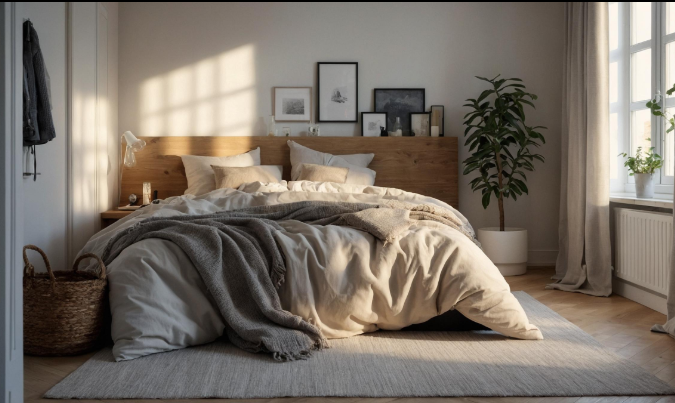
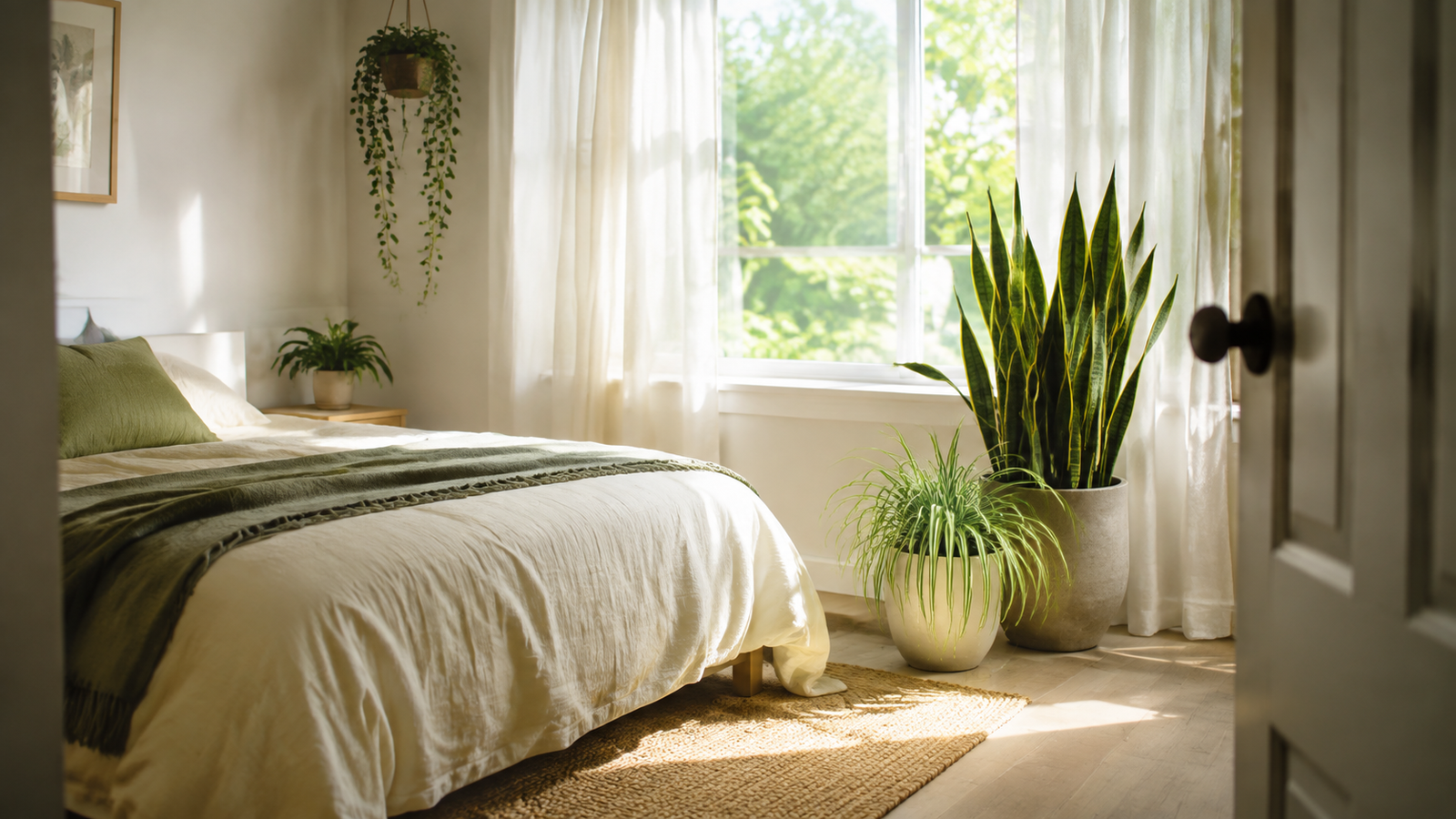
Bedroom plants that improve sleep are often promoted as natural air purifiers or nighttime oxygen boosters. In reality, no houseplant can cure insomnia or guarantee deeper sleep. What plants can do is make a bedroom feel calmer, softer, and more connected to nature.
That distinction matters. A healthy plant may become part of a relaxing evening routine, but it cannot replace a quiet room, comfortable temperature, consistent sleep schedule, or medical care when sleep problems persist.
The best bedroom plant is therefore not the one with the biggest health claim. It is the one that suits your light, available space, care habits, fragrance preference, and household pets.
Can Bedroom Plants Really Help You Sleep?
There is limited evidence that simply placing a plant beside your bed directly improves sleep duration or sleep quality. Most reported benefits are indirect.
Greenery may make a room feel less clinical and more restful. Watering or checking a plant can also become a slow, screen-free activity that helps mark the transition from daytime to bedtime.
However, several popular claims need context.
Plants Are Not Bedroom Air Purifiers
Laboratory studies have shown that some plants can absorb certain chemicals under controlled conditions. Those results do not mean that one or two houseplants will noticeably clean the air in an ordinary bedroom.
The U.S. Environmental Protection Agency states that there is currently no evidence that a reasonable number of houseplants removes significant amounts of pollutants from homes and offices. Source control, ventilation, and suitable filtration are more dependable ways to improve indoor air quality.
Plants can still make a room more pleasant. They simply should not be treated as substitutes for ventilation, moisture control, or an air cleaner.
Nighttime Oxygen Claims Are Often Exaggerated
Snake plants and several other species use a form of photosynthesis that allows them to exchange gases differently from many plants. This has inspired claims that they release enough oxygen at night to transform sleep.
The amount produced by a typical bedroom plant is too small to create a meaningful change in the room’s oxygen level. Choose these plants for their appearance and manageable care—not because of dramatic nighttime oxygen promises.
Quick Comparison: Which Plant Fits Your Bedroom?
| Plant | Best bedroom condition | Care level | Fragrance | Pet safety* |
|---|---|---|---|---|
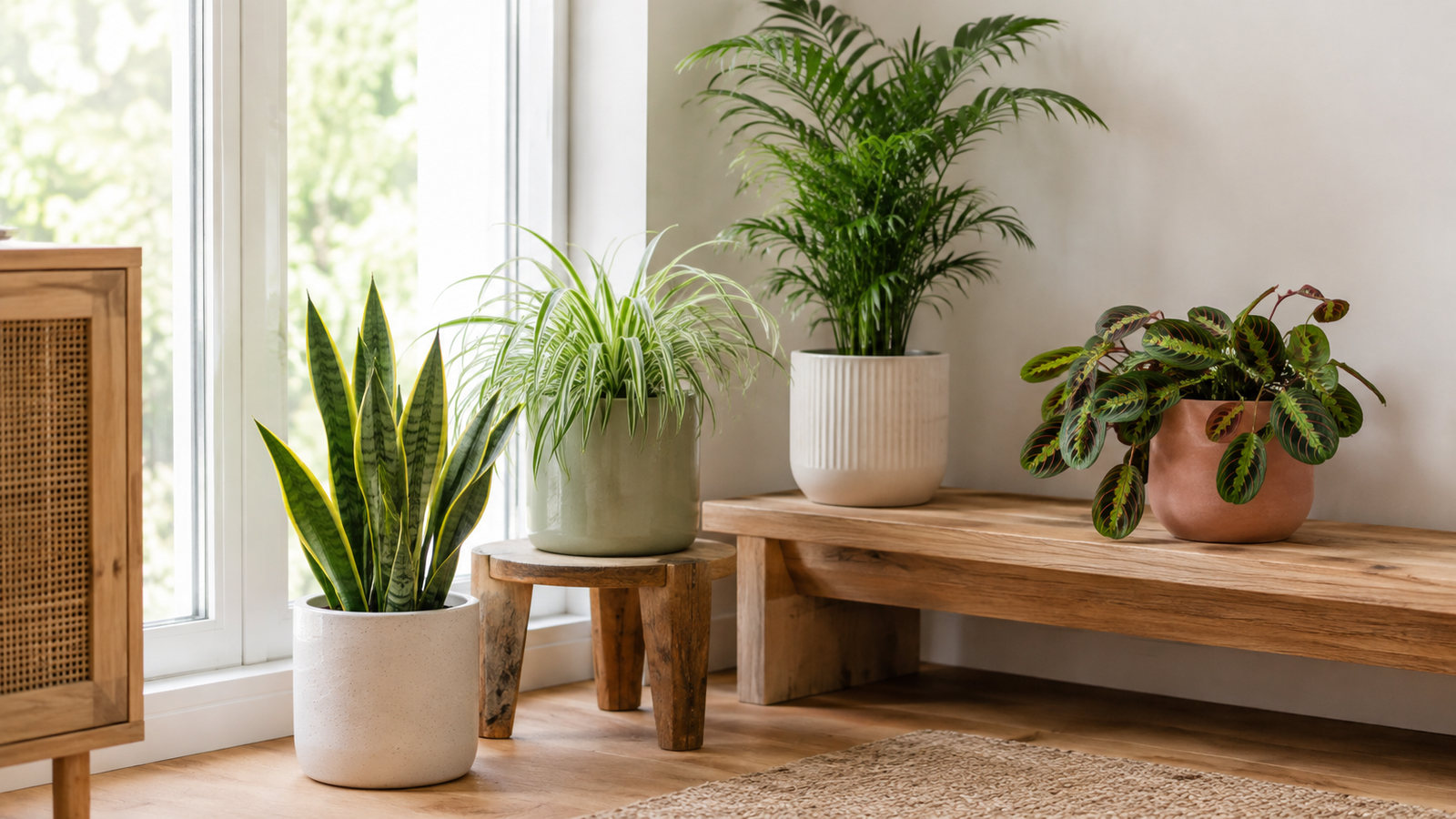
| Snake plant | Low to bright indirect light | Easy | None | Toxic |
| Spider plant | Low to bright indirect light | Easy | None | Generally non-toxic |
| Parlor palm | Medium indirect light | Easy | None | Generally non-toxic |
| Boston fern | Bright indirect light and humidity | Moderate | None | Generally non-toxic |
| Prayer plant | Medium indirect light | Moderate | None | Generally non-toxic |
| Lavender | Several hours of direct sun | Moderate | Strong herbal scent | Toxic |
| Common jasmine | Bright light and cooler conditions | Moderate | Sweet floral scent | Generally non-toxic |
| Gardenia | Bright light and steady humidity | Difficult | Rich floral scent | Generally non-toxic |
*Always verify the plant’s scientific name before buying. Even non-toxic plants can cause stomach upset if chewed or swallowed.
1. Snake Plant: The Easiest Choice for Beginners
A snake plant has tall, upright leaves that add greenery without taking up much floor or table space. It works especially well in a small bedroom where trailing vines or wide leaves would feel cluttered.
This plant tolerates missed waterings and a range of light conditions. It grows best in indirect light but usually adapts to dimmer rooms better than many flowering plants.
Its biggest enemy is enthusiastic watering. Allow the soil to dry before watering again, and never let the pot remain in standing water. Damp soil can encourage root rot and unwanted microbial growth.
Snake plants are toxic to cats and dogs if eaten. Place one out of reach or choose a pet-friendlier option if your animal likes chewing leaves.
Best for: Beginners, small rooms, and people who occasionally forget to water.
2. Spider Plant: A Forgiving Pet-Friendly Option
The spider plant feels lighter and less formal than the snake plant. Its arching striped leaves look attractive on a shelf, dresser, or hanging planter, provided the planter is securely installed.
It tolerates ordinary household conditions and produces small offshoots that can be propagated into new plants. This makes it a satisfying choice for someone who wants a plant that visibly changes over time.
Bright, indirect light supports fuller growth, although the plant can cope with lower light. Water it when the upper soil begins to feel dry rather than following a rigid calendar.
The spider plant is generally considered non-toxic to cats and dogs. Still, its long leaves may be tempting to playful cats, so keeping it slightly out of reach can prevent damaged foliage and an overturned pot.
Best for: Pet households, shelves, and relaxed plant care.
3. Parlor Palm: Soft Greenery Without a Strong Scent
A parlor palm can soften an empty bedroom corner without introducing fragrance. Its fine, arching leaves create a gentle visual effect that works well in calm, neutral interiors.
Unlike many large tropical plants, it does not require intense sunlight. Medium indirect light is usually enough, making it suitable for a bedroom with filtered daylight.
Allow the top layer of soil to dry slightly between waterings. Avoid placing the palm directly beside a heating vent, air conditioner, or cold draft, as repeated temperature swings can dry or damage the leaves.
Parlor palms are generally listed as non-toxic to cats and dogs, although eating any plant material may still cause digestive discomfort.
Best for: Low-fragrance bedrooms, empty corners, and homes with pets.
4. Boston Fern: Lush but More Demanding
A healthy Boston fern provides a soft, full look that can make a bedroom feel more peaceful. The catch is that this plant needs more consistent care than the first three choices.
Boston ferns prefer bright, indirect light and evenly moist—not waterlogged—soil. They may develop dry, brown leaf tips when the air is extremely dry or when watering becomes irregular.
A humidifier may help in a dry home, but do not raise bedroom humidity without monitoring it. Excess indoor moisture can encourage condensation, dust mites, and mold. A fern is not worth turning the room into a tiny rainforest with rent-free mildew.
Boston ferns are generally non-toxic to cats and dogs. Make sure you are buying a true Boston fern, since unrelated plants may also be sold under casual “fern” names.
Best for: Naturally humid rooms and attentive plant owners.
5. Prayer Plant: A Compact Choice for Gentle Color
Prayer plants have patterned leaves that fold upward in response to the daily light cycle. This movement gives the plant personality without requiring flowers or a strong fragrance.
They fit comfortably on a dresser or wide windowsill and bring subtle color into the room. Medium to bright indirect light is preferable, as harsh direct sun may fade or scorch the leaves.
Prayer plants appreciate consistent moisture, but the pot must drain well. Check the soil with a finger before watering instead of assuming that every curled leaf means the plant needs more water.
They are generally considered non-toxic to cats and dogs, making them one of the more practical decorative options for pet households.
Best for: Small surfaces, patterned foliage, and pet-friendly bedrooms.
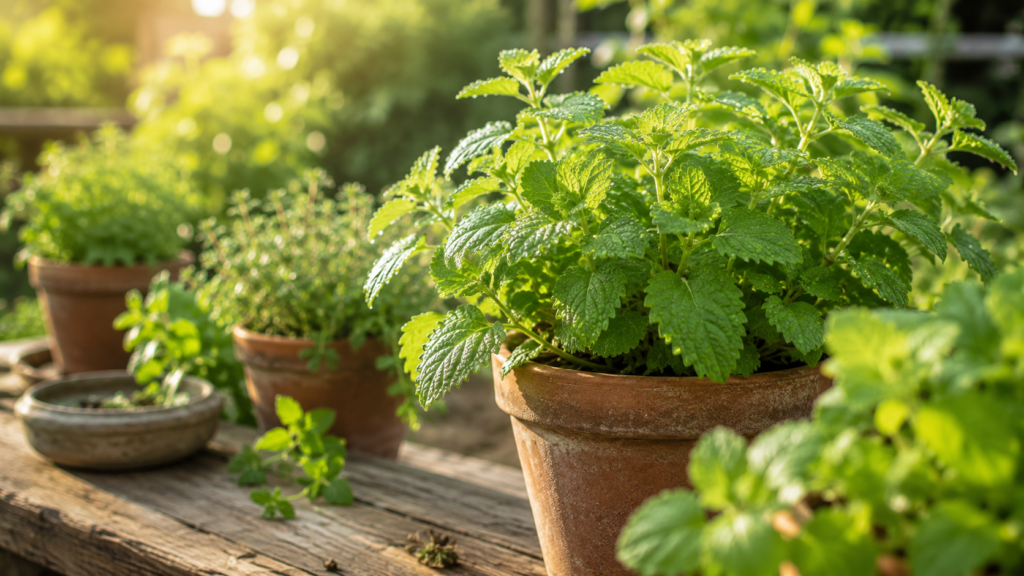
6. Lavender: Calming Aroma, Challenging Indoor Care
Lavender is closely associated with relaxation, but a living lavender plant is not automatically ideal for every bedroom. It requires strong light, good airflow, and fast-draining soil.
A sunny, south-facing window may provide enough light. A dim bedroom usually will not. Without adequate sun, indoor lavender can become weak and may not produce much fragrance.
Scent is also personal. One person may find lavender relaxing while another develops a headache, congestion, or irritation. Avoid placing a strongly scented plant directly beside your pillow until you know how you respond to it.
Lavender is listed as toxic to cats and dogs if ingested. In a pet household, it should be kept completely inaccessible or replaced with a non-toxic, fragrance-free plant.
Best for: Sunny bedrooms and people who already enjoy lavender fragrance.
7. Common Jasmine: A Fragrant Option for Bright Rooms
Common jasmine—identified as Jasminum officinale—produces a sweet floral scent that some people associate with evening relaxation. It is a better choice for someone who actively wants fragrance rather than someone looking only for greenery.
Jasmine needs brighter light than a snake plant or parlor palm. It may also prefer cooler nighttime conditions and regular pruning to prevent sprawling growth.
Buy by scientific name because “jasmine” is used for several unrelated plants with different care needs and toxicity profiles. Common jasmine is generally considered non-toxic to cats and dogs, but other plants sold with jasmine in their names may not be.
If floral fragrance feels overwhelming, move the plant farther from the bed or select an unscented species.
Best for: Bright rooms, cooler bedrooms, and people who enjoy floral scents.
8. Gardenia: Beautiful but Best for Experienced Growers
Gardenias offer glossy leaves and highly fragrant flowers, but they are the most demanding option on this list. They need bright light, stable moisture, suitable humidity, and protection from sudden temperature changes.
This plant may feel rewarding when conditions are right. In a dark room or a home with very dry air, however, it can quickly develop yellow leaves or drop its flower buds.
Its rich fragrance may also be too strong for a small bedroom. A position several feet from the bed is usually more comfortable than placing a blooming gardenia on the nightstand.
Gardenia is generally listed as non-toxic to cats and dogs, although eating it may still cause mild digestive upset.
Best for: Experienced plant owners with bright, stable indoor conditions.
How to Choose the Right Bedroom Plant
Instead of buying the plant with the most impressive sleep claim, start with the conditions already present in your room.
Check the Available Light
Observe the room at different times of day. A bedroom that appears bright in the morning may receive very little useful light after midday.
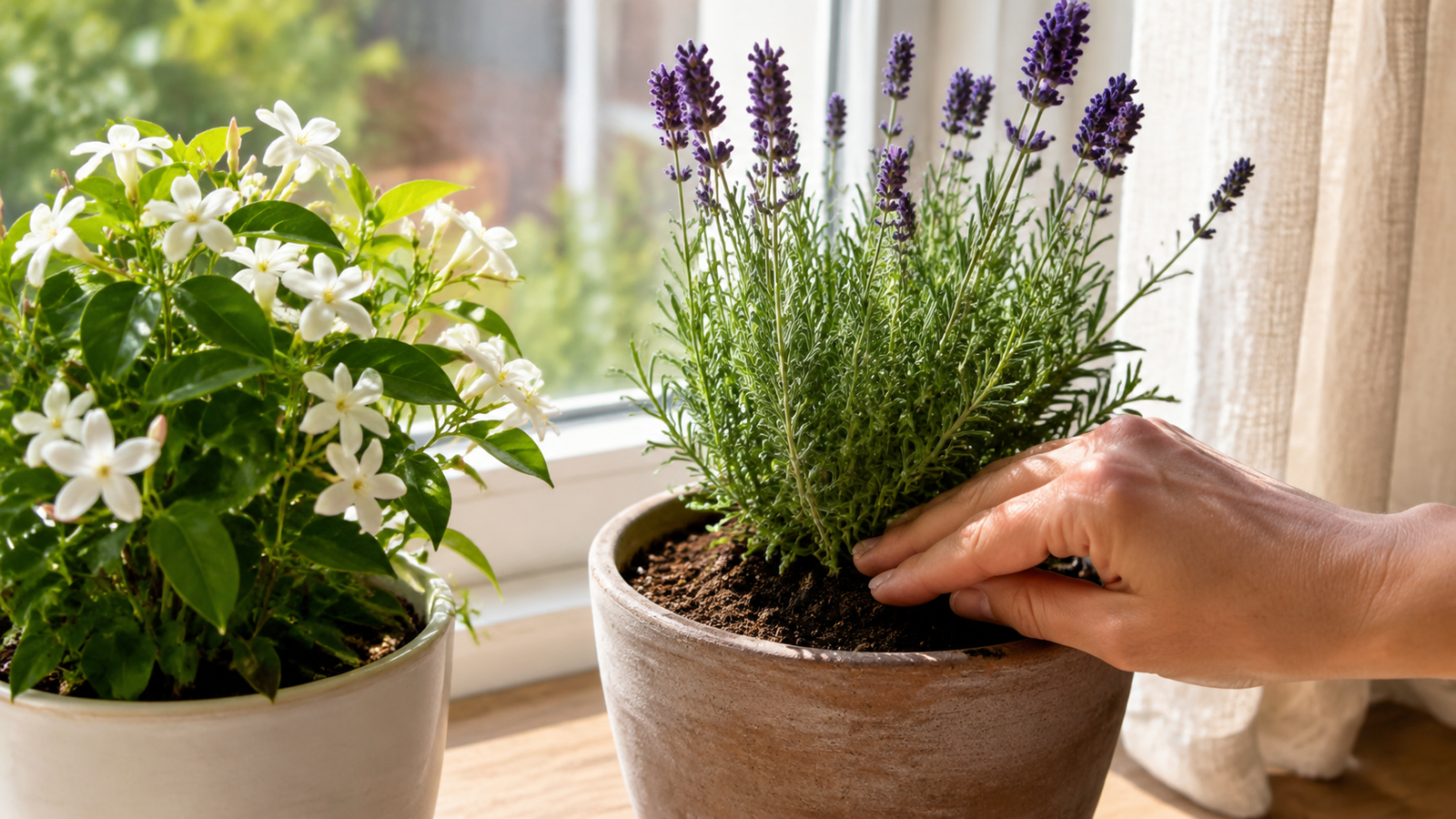
Flowering plants such as lavender, jasmine, and gardenia need more light than most foliage plants. For a darker bedroom, a snake plant, spider plant, or parlor palm is usually more realistic.
Decide Whether You Want Fragrance
Fragrance can be relaxing, neutral, or irritating depending on the person. Lavender, jasmine, and gardenia are not automatically better for sleep simply because they have a recognizable scent.
If you have asthma, allergies, migraines, or fragrance sensitivity, begin with an unscented plant and keep potting soil free from visible mold.
Consider the Care Burden
A struggling plant may add stress rather than reduce it. If watering schedules make you nervous, choose a forgiving plant instead of a demanding flowering species.
One healthy plant that suits the room is more useful than several plants that require constant rescue missions.
Verify Pet Safety by Scientific Name
Common plant names are often inconsistent. Before buying, check the label for the scientific name and compare it with the ASPCA toxic and non-toxic plant database.
Do not depend only on a store sign reading “pet-friendly.” If you think a pet has eaten a harmful plant, contact a veterinarian or animal poison-control service promptly.
Where Should You Place Plants in a Bedroom?
Plant placement should support both the plant and the person sleeping in the room.
Choose a stable surface where the pot cannot easily fall. Keep soil, dripping water, and trailing leaves away from bedding and electrical outlets. Plants should never block windows, ventilation openings, exits, or walking paths.
Fragrant plants are usually better near a bright window than directly beside the pillow. Larger plants can fill an unused corner, while compact plants work well on a dresser or secured shelf.
Avoid crowding the room. A bedroom should still feel easy to clean, ventilate, and move through.
Prevent Mold, Pests, and Overwatering
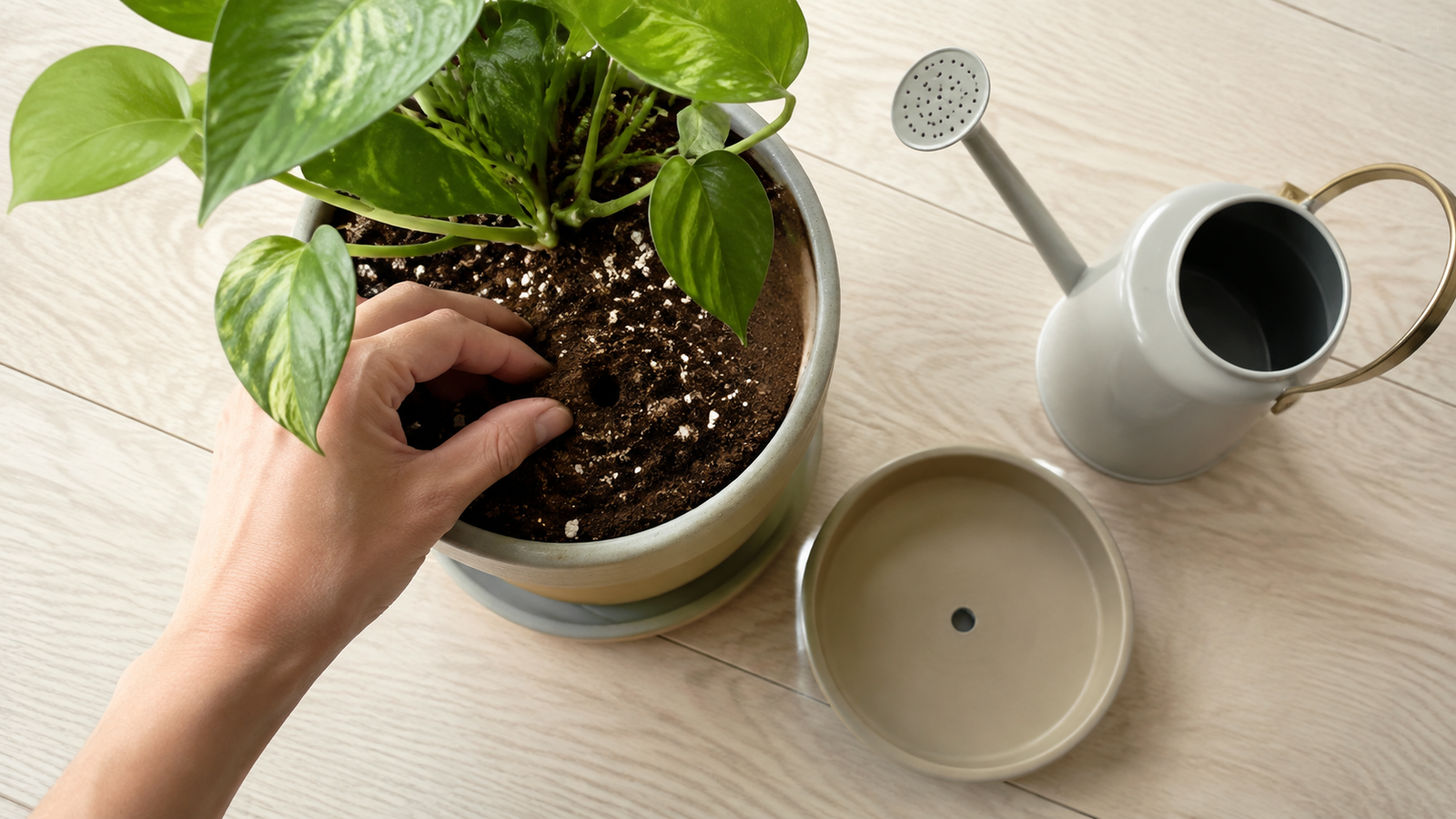
The EPA warns that overly damp houseplant soil may support microorganisms that affect people with allergies. Proper drainage matters more than decorative promises printed on a plant tag.
Use a pot with drainage holes and empty excess water from the saucer. Let the soil dry to the level recommended for the species before watering again.
Inspect leaves and soil regularly for gnats, webbing, sticky residue, or visible mold. Isolate a newly purchased plant temporarily if you already have other indoor plants.
If a plant repeatedly develops mold or attracts pests, move it out of the bedroom while addressing the cause.
Plants Should Support—Not Replace—Healthy Sleep Habits
Bedroom plants that improve sleep are best understood as decorative supports for a calming environment. The stronger foundations of sleep remain consistent habits and comfortable room conditions.
The CDC’s sleep guidance recommends keeping the bedroom quiet, relaxing, and cool, turning off electronic devices before bed, and maintaining consistent sleeping and waking times.
You can build on those basics by following a gentle evening routine, reducing disruptive noise, and keeping the room dark enough for sleep. These practical steps are covered in our guides to falling asleep faster naturally, using white noise for sleep, and finding the best temperature for sleeping.
If you regularly struggle to fall asleep, wake repeatedly during the night, or remain exhausted despite getting enough time in bed, speak with a healthcare professional. A plant cannot diagnose or treat an underlying sleep disorder.
Frequently Asked Questions
What is the best plant for a bedroom?
For most beginners, a snake plant, spider plant, or parlor palm is practical because each tolerates ordinary indoor conditions. Pet owners may prefer a spider plant or parlor palm because snake plants are toxic if eaten.
Do bedroom plants release oxygen at night?
Some plants use a form of photosynthesis that involves nighttime gas exchange. However, one or two houseplants do not release enough oxygen to meaningfully change bedroom air or sleep quality.
How many plants should I keep in my bedroom?
There is no scientifically established number for better sleep. Begin with one plant that fits the available light and space. Adding many plants increases watering, cleaning, humidity, and pest-management demands.
Is it safe to sleep with plants in the bedroom?
For most people, a well-maintained plant is safe. Avoid overwatering, visible mold, unstable pots, and species that are unsafe for household pets. People with allergies or fragrance sensitivity may prefer an unscented plant.
Can plants remove bedroom air pollution?
A reasonable number of houseplants does not remove meaningful amounts of pollutants in a typical home. Ventilation, controlling pollution sources, and appropriate filtration are more effective.
Which bedroom plants are safe for cats and dogs?
Spider plants, parlor palms, Boston ferns, prayer plants, common jasmine, and gardenias are generally listed as non-toxic. Always verify the exact scientific name, since common names can refer to different species.
Final Thoughts
The most useful bedroom plants that improve sleep do so indirectly. They may make the space feel calmer, add a natural focal point, and encourage a slower evening routine. They do not function as insomnia treatments, oxygen machines, or replacements for clean air and healthy sleep habits.
Choose according to your bedroom rather than a viral claim. Match the plant to the available light, select a manageable care level, consider fragrance sensitivity, and confirm pet safety before bringing it home.
A healthy spider plant on a dresser may contribute more to a peaceful room than a struggling lavender plant bought for benefits it cannot realistically provide.