10 Natural Ways to Sleep Better Without Medication: A Practical 24-Hour Plan
원문과 URL까지 확인했습니다. 기존 글은 정보 오류보다 내용이 지나치게 짧고, 10개 항목이 같은 리듬으로 반복되며, 다른 수면 위생 글과 차별성이 약한 점이 핵심 문제입니다.
이번 수정 방향은 이렇게 잡겠습니다.
-
단순 목록형에서 아침–낮–저녁–취침 시간대별 실천 구조로 변경
-
“오늘 밤 무엇부터 해야 하는지” 구체적인 행동 기준 추가
-
처방약을 임의로 중단하지 말라는 안전 문구 포함
-
음식이 수면을 직접 치료한다는 식의 과장 표현 삭제
-
불면증·수면무호흡증 등 진료가 필요한 신호 추가
-
sleep hygiene글과 겹치지 않도록 무약물 실천 계획에 초점 -
본문 내부링크와 CDC·NHLBI 등 공신력 있는 외부링크 자연스럽게 삽입
-
대표이미지 1장, 본문이미지 3장을 서로 다른 위치에 배치
수정 제목
10 Natural Ways to Sleep Better Without Medication: A Practical 24-Hour Plan
수정 본문
Natural ways to sleep better often begin long before you get into bed. Morning light, daytime movement, caffeine timing, evening habits, and the way you respond to a sleepless night can all influence how easily you fall asleep and how rested you feel the next day.
Medication may be appropriate for certain sleep disorders, but it is not the only option. Many people can improve their sleep by changing a few repeatable daily habits. These approaches do not produce instant results for everyone, yet they can create the conditions your body needs for more consistent rest.
This guide organizes ten practical strategies into a simple 24-hour plan. You do not need to attempt all ten at once. Choose two changes that address your biggest sleep obstacles, practice them for at least two weeks, and then adjust your routine based on what you notice.
Important: Do not stop or change prescribed sleep medication without speaking with your healthcare provider. Natural sleep habits can support treatment, but they are not a substitute for medical care when a sleep disorder is present.
Start Here: A Simple Sleep Reset
If the full list feels overwhelming, begin with these three steps:
-
Wake up at approximately the same time every morning.
-
Get outdoor light early in the day.
-
Stop caffeine early enough that it does not interfere with bedtime.
These habits help stabilize the sleep-wake cycle before you begin refining your evening routine.
Morning: Set Your Body Clock
1. Keep a Consistent Wake-Up Time
A dependable wake-up time is one of the most useful natural ways to sleep better because it gives your internal clock a clear daily anchor.
Choose a time that works with your responsibilities and allows enough opportunity for sleep. Try to keep it within roughly the same one-hour window every day, including weekends. Sleeping several hours later on days off may feel restorative in the moment, but it can make Sunday-night sleep more difficult.
If your current schedule is irregular, do not force an abrupt two-hour change. Move your wake-up time earlier or later in 15- to 30-minute increments until you reach a sustainable routine.
A consistent wake time also makes it easier to recognize when your bedtime is too late. If you repeatedly struggle to wake up despite allowing enough time in bed, you may need to examine sleep quality rather than simply adding another alarm.
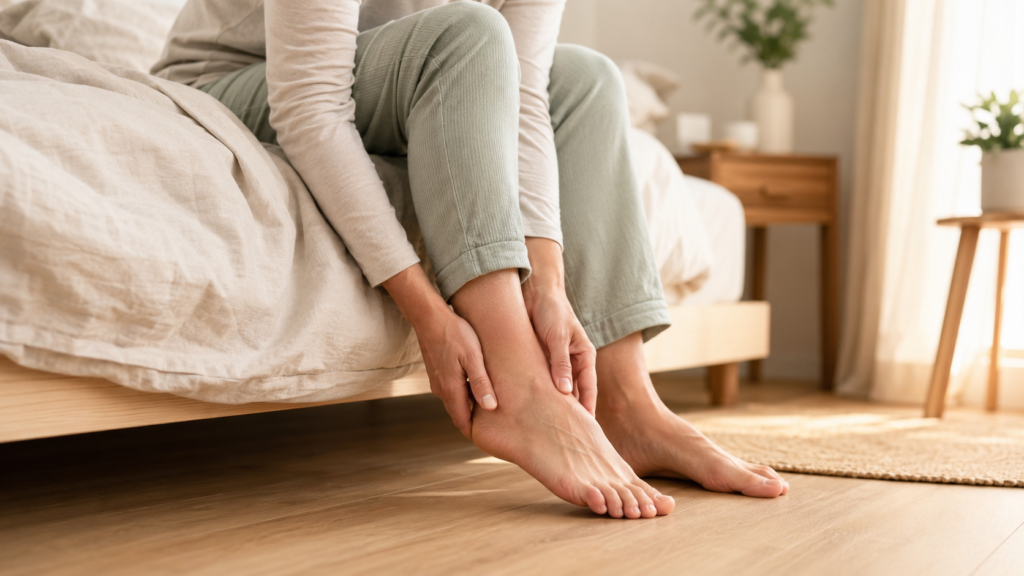
2. Get Outdoor Light Soon After Waking

Light is one of the strongest environmental signals affecting your circadian rhythm. Morning light tells the brain that the active part of the day has begun, which helps support sleepiness later at night.
When possible, step outside within the first hour after waking. A short walk, breakfast near an open outdoor space, or a few minutes on a balcony can make this habit easier to maintain. Outdoor light is generally much brighter than typical indoor lighting, even on an overcast day.
The National Heart, Lung, and Blood Institute recommends regular daylight exposure as part of healthy sleep habits. Learn more about how light affects the sleep-wake cycle from the NHLBI’s guide to the sleep-wake cycle.
본문 이미지 1 삽입 위치: 2번 항목이 끝난 직후
Daytime: Build Healthy Sleep Pressure
3. Move Your Body Regularly
Regular physical activity can support sleep while also reducing stress and improving daytime energy. The goal does not have to be an intense workout. Walking, cycling, swimming, gardening, resistance training, and active household tasks all count as movement.
If you are mostly inactive now, begin with a realistic target such as a 20-minute walk several days per week. A routine you can repeat is more useful than an exhausting workout you abandon after three days.
Exercise timing is personal. Some people sleep well after an evening workout, while others feel too alert afterward. If vigorous exercise close to bedtime appears to delay sleep, move it earlier and compare the results for a week.
Avoid treating exercise as permission to reduce sleep time. Physical activity supports sleep, but it cannot replace the restorative processes that occur during sleep itself.
4. Set a Personal Caffeine Cutoff
Caffeine can remain active for hours, and its effects vary considerably between individuals. Coffee is not the only source: tea, cola, energy drinks, chocolate, pre-workout products, and some medications may also contain caffeine.
Rather than following a single cutoff that may not suit everyone, count backward from bedtime. Begin by avoiding caffeine for at least six hours before you plan to sleep. If you remain sensitive or regularly struggle to fall asleep, move the cutoff earlier.
For example, someone who goes to bed at 10:30 p.m. might initially stop caffeine by 4:30 p.m. If sleep does not improve, an after-lunch cutoff may be more appropriate.
The CDC’s healthy sleep guidance recommends avoiding caffeine during the afternoon or evening. Keep in mind that “decaffeinated” drinks can still contain small amounts.
5. Be Strategic About Naps
A nap can improve alertness after a poor night, but long or late naps may reduce the sleep pressure you need at bedtime.
If nighttime sleep is difficult, try keeping naps brief and taking them earlier in the afternoon. Notice whether you fall asleep more easily on days without a nap. That comparison is often more useful than following a rigid rule.
People who work nights, have certain medical conditions, or care for young children may need a different approach. The goal is not to eliminate naps at all costs; it is to prevent daytime sleep from repeatedly pushing nighttime sleep later.
Evening: Remove Common Sleep Disruptors
6. Create a Screen Boundary You Can Maintain
Screens can interfere with sleep in more than one way. Light exposure may delay sleepiness, but stimulating news, work messages, games, and endless scrolling can also keep the mind alert.
Try creating a 30- to 60-minute screen boundary before bed. If putting every device away feels unrealistic, begin with the activity that causes the most delay. You might charge your phone outside the bedroom, disable work notifications, or replace social media with an audiobook.
Use warmer, dimmer lighting during the final part of the evening. Night-mode settings may reduce some blue light, but they do not solve the problem of emotionally stimulating content or losing track of time.
For a more detailed evening sequence, see How to Build a Better Bedtime Routine for Deep Sleep.
7. Build a Short Wind-Down Ritual
A useful bedtime routine does not need scented candles, expensive tea, or a twelve-step wellness ceremony. It simply needs to be calm, predictable, and easy to repeat.
Choose two or three quiet activities that fit into 20 to 30 minutes:
-
Prepare clothes or a short task list for tomorrow.
-
Take a warm shower.
-
Read a few pages of a physical book.
-
Practice slow breathing or gentle stretching.
-
Write down worries that keep circling in your mind.
If journaling makes you think more intensely about problems, do it earlier in the evening. Relaxation techniques are tools, not tests you can fail. Experiment until you find something that lowers stimulation rather than adding another obligation.
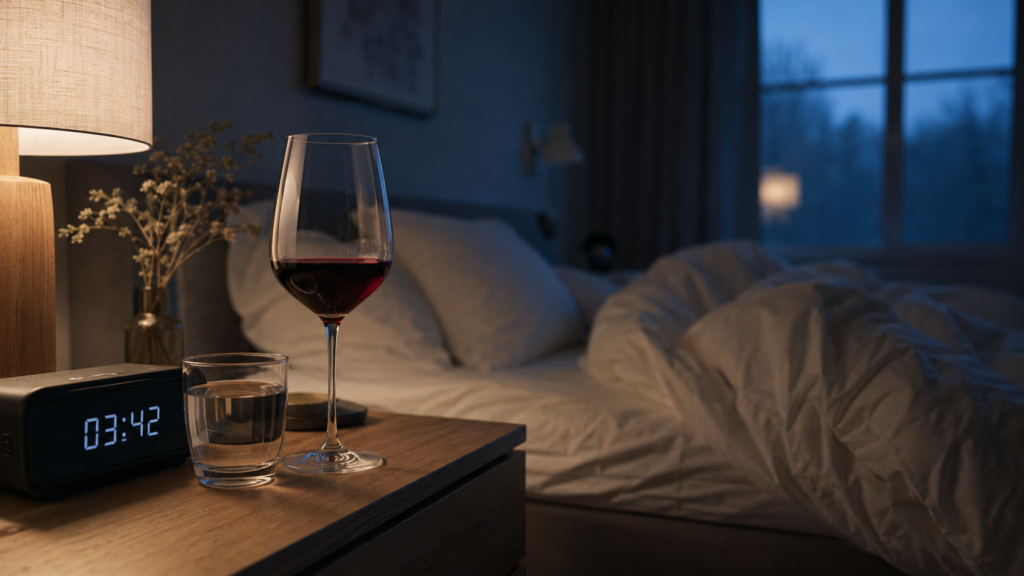
8. Rethink Late Meals, Alcohol, and “Sleep Foods”
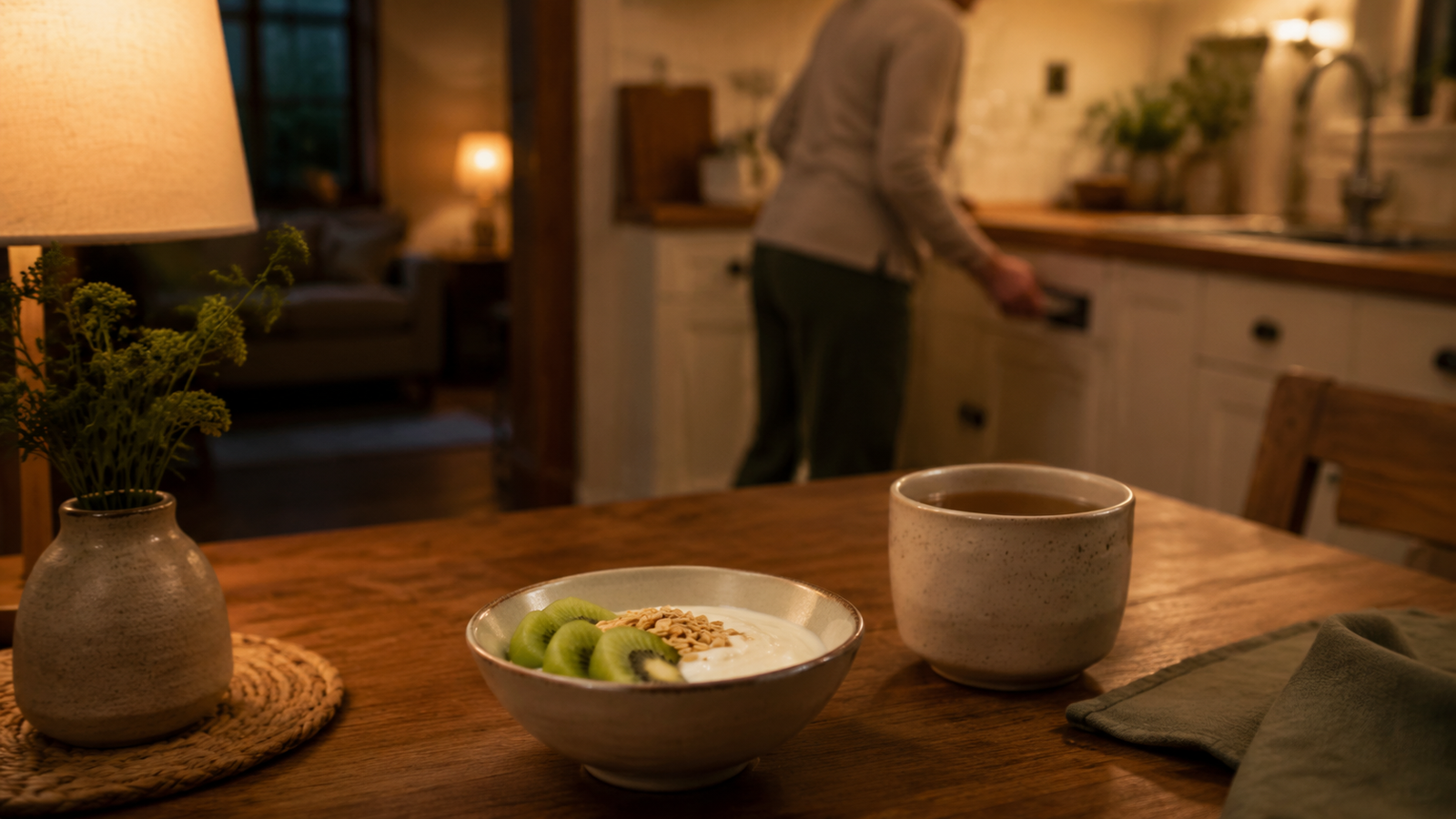
Going to bed uncomfortably full can contribute to reflux, indigestion, or restlessness. When possible, finish a large meal a few hours before bedtime. If you are genuinely hungry later, choose a light snack you already tolerate well.
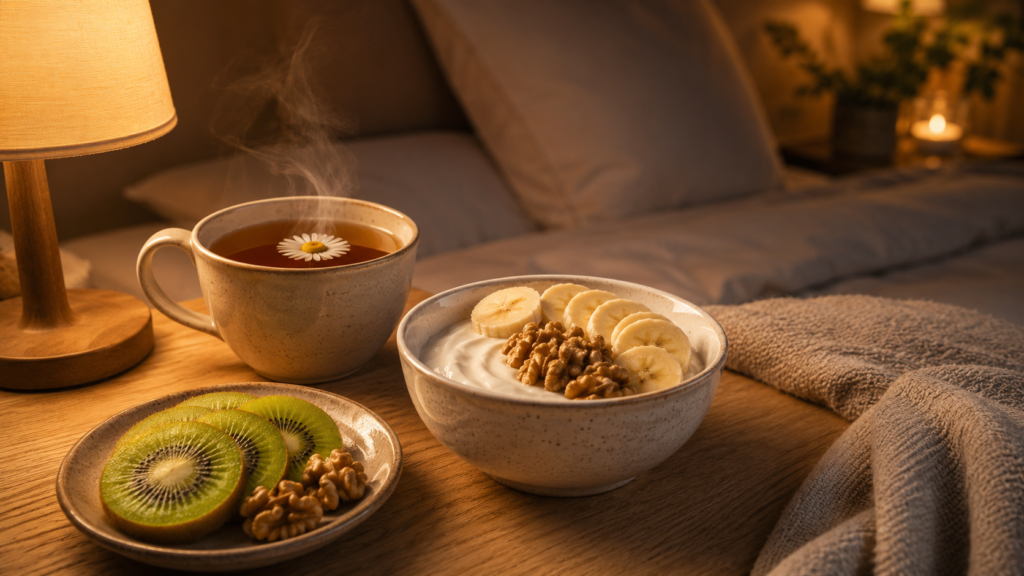
No single food reliably cures insomnia. Kiwi, yogurt, oats, nuts, and other nutrient-rich foods may fit into a balanced diet, but they should not be presented as sleeping pills in edible form. Your overall eating pattern and meal timing matter more than one supposedly perfect bedtime snack.
Alcohol deserves special attention. It may make you feel sleepy initially, but it can contribute to lighter, more fragmented sleep later in the night. The NHLBI’s sleep treatment guidance advises avoiding alcohol close to bedtime.
본문 이미지 2 삽입 위치: 8번 항목이 끝난 직후
Bedroom: Make Sleep the Easiest Option
9. Adjust Light, Noise, and Temperature
Your bedroom does not need to look like a luxury hotel. It needs to reduce the disturbances that repeatedly wake you or delay sleep.
Start with the problem you notice most:
-
Use blackout curtains or an eye mask if outside light enters the room.
-
Try earplugs or steady background sound if unpredictable noise wakes you.
-
Keep the room comfortably cool rather than excessively cold.
-
Replace bedding that causes overheating, itching, or physical discomfort.
-
Turn bright clocks away if checking the time increases anxiety.
Make one adjustment at a time so you can tell whether it helps. Buying several sleep products at once may produce an attractive bedroom without revealing what actually improved your sleep.
10. Retrain the Connection Between Bed and Wakefulness
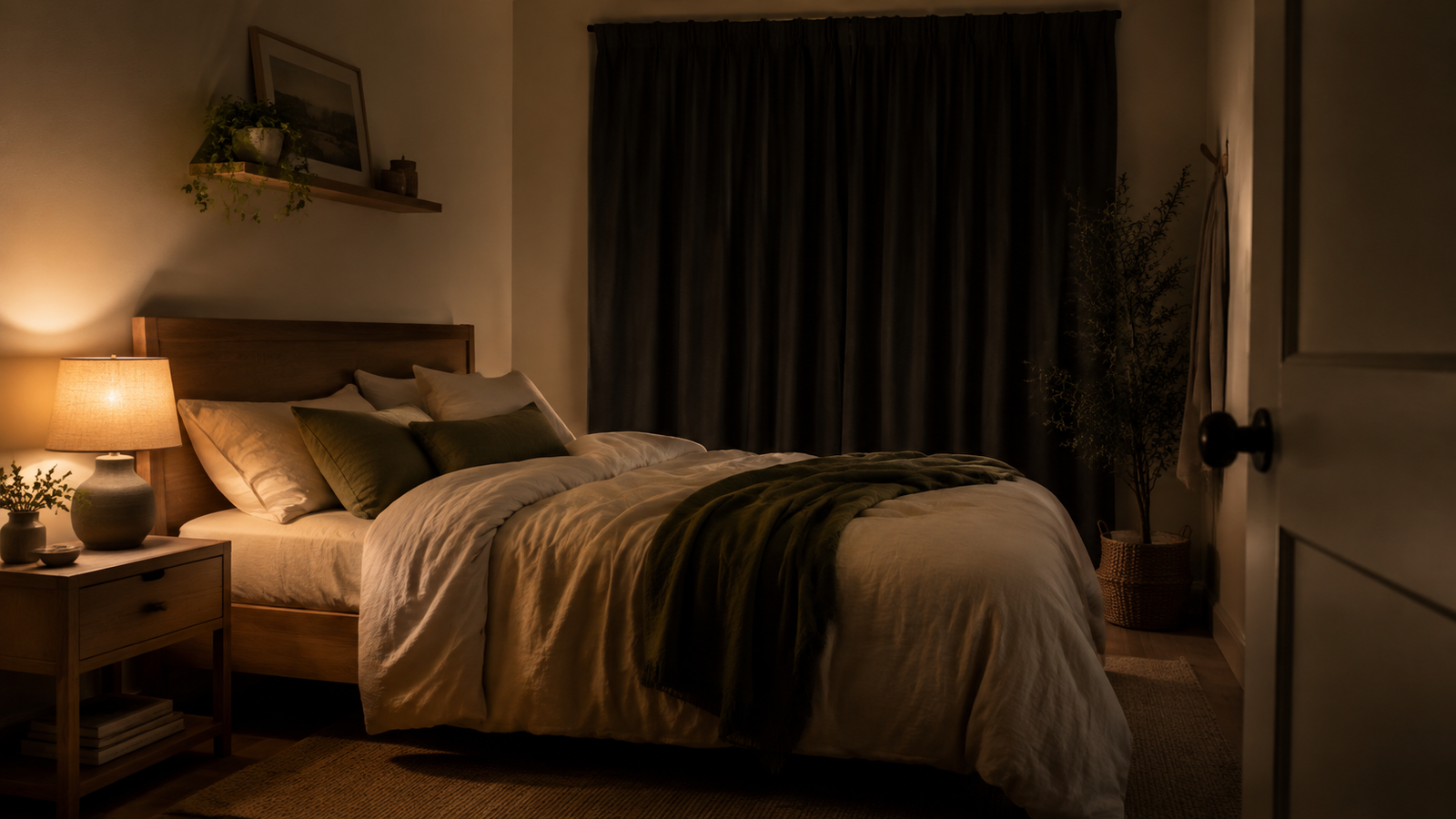
Working, watching television, eating, and worrying in bed can gradually teach the brain that bed is a place for wakefulness.
Whenever practical, reserve the bed for sleep and intimacy. If you remain awake and increasingly frustrated, get out of bed and do something quiet in dim light. Return when you feel sleepy again. Avoid repeatedly checking the clock, which can turn a difficult night into a countdown.
This principle is more than a bedroom-design tip. It is related to stimulus control, a component used in cognitive behavioral therapy for insomnia.
Sleep hygiene can be helpful, but persistent insomnia may require more than lifestyle changes. Cognitive behavioral therapy for insomnia, commonly called CBT-I, is a recommended first-line treatment for chronic insomnia and can be delivered in person or through some telehealth programs.
본문 이미지 3 삽입 위치: 10번 항목이 끝난 직후
How to Test Whether These Changes Are Working
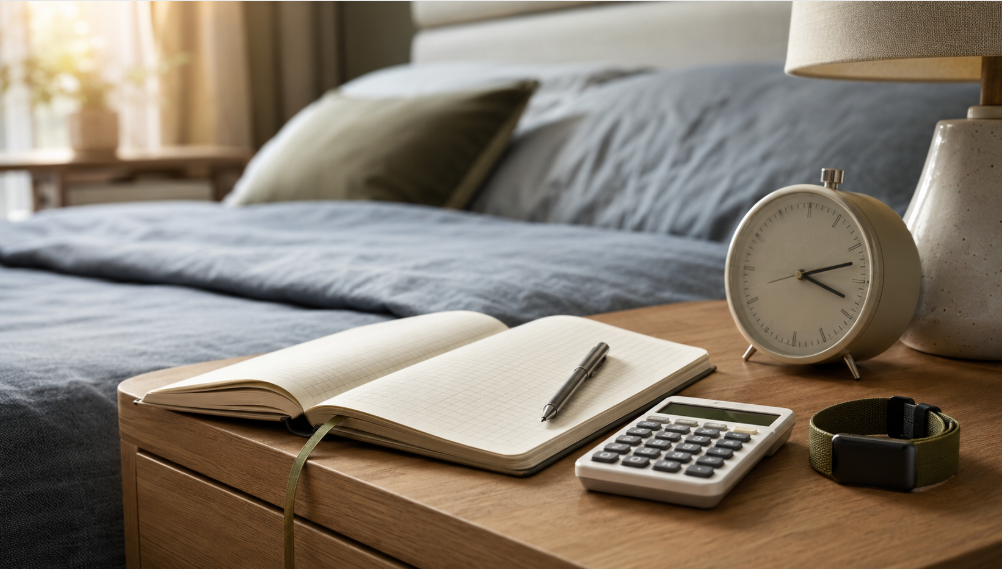
Give your routine enough time to reveal a pattern. For approximately two weeks, record:
-
Bedtime and wake-up time
-
Estimated time needed to fall asleep
-
Nighttime awakenings
-
Caffeine and alcohol timing
-
Exercise and naps
-
Morning energy level
Do not become preoccupied with achieving a perfect sleep score. The purpose of a basic sleep diary is to identify patterns, such as worse sleep after late caffeine or better sleep following morning light exposure.
If you use a wearable device, treat its sleep-stage estimates as trends rather than a medical diagnosis. Our guide to sleep tracker accuracy explains what consumer devices can and cannot reliably measure.
When Natural Sleep Strategies Are Not Enough
Contact a healthcare professional if sleep problems persist, interfere with daily life, or occur alongside concerning symptoms. Seek an evaluation if you experience:
-
Loud, frequent snoring with choking or gasping
-
Severe daytime sleepiness
-
Falling asleep while driving or working
-
Uncomfortable urges to move the legs at night
-
Frequent morning headaches
-
Insomnia that continues despite consistent habit changes
-
Major changes in mood, memory, or daily functioning
These symptoms may point to insomnia, sleep apnea, restless legs syndrome, medication effects, or another condition that cannot be resolved through sleep hygiene alone.
Frequently Asked Questions
Which natural sleep habit should I try first?
Begin with a consistent wake-up time. Pair it with morning outdoor light if possible. Together, these habits provide strong timing cues for your internal clock.
How quickly can natural sleep habits work?
Some people notice small improvements within several days, but a more stable pattern may take a few weeks. Progress is rarely perfectly linear, so compare weekly trends rather than judging one night.
Should I keep the same schedule on weekends?
Try to avoid shifting your bedtime and wake-up time by several hours. A small variation is usually more manageable than a completely different weekend schedule.
What should I do if I cannot fall asleep?
If staying in bed is making you frustrated or more alert, get up and do a quiet activity in dim light. Return to bed when sleepiness returns. Avoid bright screens and clock-watching.
Can these methods replace sleeping medication?
Not automatically. Never stop prescribed medication without discussing it with the clinician who manages your treatment. Behavioral changes may complement medical care, but the right approach depends on why you are having trouble sleeping.
Final Thoughts
The most effective natural ways to sleep better are usually ordinary habits practiced consistently rather than dramatic remedies used occasionally. A steady wake-up time, morning light, well-timed caffeine, regular movement, and a calmer bedroom can work together to support healthier sleep.
Start with two changes instead of attempting a complete lifestyle overhaul tonight. Track how you feel for two weeks, keep what helps, and revise what does not. Better sleep is often built through small adjustments—and thankfully, your bedroom does not need to become a laboratory with decorative lavender everywhere.