10 Best Foods That Help You Sleep Better Naturally (2026)
Many people look for natural ways to improve their sleep without relying on medication. One of the simplest—and most overlooked—approaches is paying attention to what you eat.
Certain foods naturally contain nutrients that support healthy sleep, including melatonin, magnesium, tryptophan, and vitamin B6. These nutrients help your body produce sleep-regulating hormones and promote relaxation before bedtime.
While no single food can instantly cure insomnia, adding the right foods to your evening routine may help you fall asleep more easily and enjoy deeper, more restorative rest.
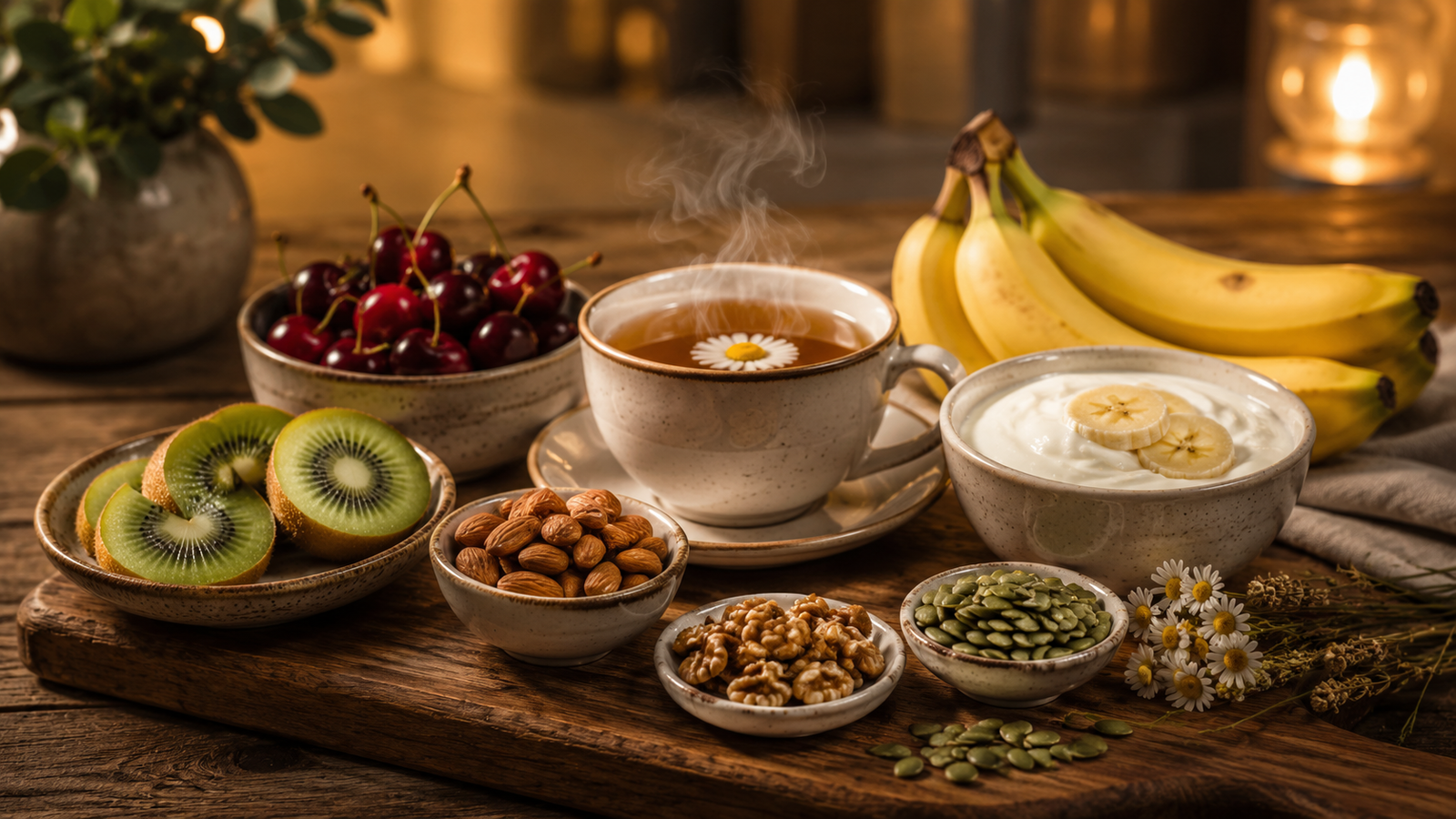
In this guide, you’ll discover the 10 best Foods That Help You Sleep, learn why they work, and find practical ways to include them in your daily diet.
Adding more Foods That Help You Sleep to your daily diet is a simple habit that may improve your sleep quality over time.
Why Food Can Affect Sleep Quality
The food you eat throughout the day—and especially in the evening—can influence how well you sleep.
Some nutrients help your body naturally produce melatonin, the hormone that regulates your sleep-wake cycle, while others support the production of serotonin, which helps promote relaxation and emotional well-being.
Several foods are also rich in magnesium, a mineral that supports muscle relaxation and healthy nervous system function.
Eating a balanced evening snack won’t guarantee perfect sleep, but choosing foods that naturally support these processes may improve your overall sleep quality over time.
1. Kiwi
Kiwi has become one of the most researched fruits for sleep.
It naturally contains antioxidants, serotonin, and vitamin C, all of which may support better sleep quality.
Some studies suggest eating two kiwis about one hour before bedtime may help people fall asleep faster and stay asleep longer.
2. Tart Cherries
Tart cherries are one of the few natural food sources of melatonin.
Melatonin helps regulate your body’s sleep-wake cycle, making tart cherries a popular bedtime snack or juice.
Choose unsweetened tart cherry juice whenever possible to avoid unnecessary added sugar.
3. Almonds
Almonds provide:
- Magnesium
- Healthy fats
- Protein
- Vitamin E
Magnesium supports muscle relaxation and normal nervous system function, making almonds an excellent evening snack.
4. Walnuts
Walnuts contain:
- Melatonin
- Omega-3 fatty acids
- Magnesium
Together, these nutrients may contribute to improved sleep quality and overnight recovery.
A small handful after dinner is usually sufficient.
5. Pumpkin Seeds
Pumpkin seeds are another excellent source of magnesium.
They also provide zinc and tryptophan, both of which help support the body’s natural production of serotonin and melatonin.
Magnesium plays an important role in healthy sleep. Learn more in our guide about Magnesium for Sleep.
6. Bananas
Bananas are often called nature’s bedtime snack.
They contain:
- Potassium
- Magnesium
- Vitamin B6
These nutrients help support muscle relaxation and contribute to normal melatonin production.
Bananas are also easy to digest, making them a light evening snack.
7. Greek Yogurt
Greek yogurt provides:
- Calcium
- Protein
- Probiotics
Calcium helps the brain use tryptophan to produce melatonin, while protein helps keep you satisfied throughout the night.
Choose plain Greek yogurt with minimal added sugar for the healthiest option.
8. Oatmeal
Oatmeal isn’t only for breakfast.
Whole oats provide:
- Complex carbohydrates
- Magnesium
- Small amounts of melatonin
A small warm bowl of oatmeal in the evening can be a comforting bedtime snack.
9. Fatty Fish
Salmon, sardines, and mackerel are rich in:
- Omega-3 fatty acids
- Vitamin D
Research suggests these nutrients may support serotonin production and improve overall sleep quality.
10. Chamomile Tea
Chamomile tea remains one of the world’s most popular bedtime drinks.
It contains apigenin, a natural antioxidant that interacts with receptors in the brain associated with relaxation and sleepiness.
While chamomile isn’t a cure for insomnia, many people find it to be a calming part of their nightly routine.
Want to learn more? Read our complete guide to Chamomile Tea for Sleep and discover how it may support a relaxing bedtime routine.
Among all Foods That Help You Sleep, chamomile tea remains one of the most popular natural bedtime choices around the world.
Foods to Avoid Before Bed

The following Foods That Help You Sleep provide nutrients that naturally support relaxation, melatonin production, and healthier sleep patterns.
Foods That May Disrupt Sleep
Not every healthy food is a good bedtime snack.
Certain foods and drinks may interfere with your body’s ability to fall asleep or stay asleep throughout the night.
Here are some of the most common sleep disruptors.
Choosing Foods That Help You Sleep while limiting foods that interfere with sleep can make a noticeable difference over time.
1. Caffeinated Drinks
Coffee, energy drinks, black tea, and many soft drinks contain caffeine that can remain in your body for several hours.
Even if you fall asleep easily, caffeine may reduce deep sleep and increase nighttime awakenings.
If you’re sensitive to caffeine, try avoiding it for at least 6–8 hours before bedtime.
2. Heavy, Fatty Meals
Large portions of pizza, burgers, fried foods, or creamy dishes may slow digestion and increase discomfort when lying down.
Eating heavy meals late in the evening may also increase the likelihood of acid reflux, making restful sleep more difficult.
3. Spicy Foods
Spicy meals can raise body temperature and sometimes trigger heartburn.
Both of these effects may make it harder to fall asleep comfortably.
4. Sugary Snacks and Desserts
Cookies, cakes, candy, and sugary cereals can cause rapid changes in blood sugar.
These fluctuations may contribute to nighttime awakenings and inconsistent sleep quality.
5. Alcohol
Although alcohol often makes people feel sleepy initially, it can reduce REM sleep and increase fragmented sleep later in the night.
Many people wake up feeling less refreshed after drinking alcohol before bed.
Learn how healthy bedtime habits support better rest in our complete guide to Sleep Hygiene.
Best Bedtime Snack Combinations
If you’re slightly hungry before bed, choosing a light, balanced snack may help you sleep more comfortably.
Some excellent combinations include:
- 🥝 Kiwi + Greek yogurt
- 🍌 Banana + a handful of almonds
- 🍒 Tart cherries + walnuts
- 🥣 Warm oatmeal + pumpkin seeds
- 🌼 Chamomile tea + a few whole-grain crackers
These snacks provide a combination of complex carbohydrates, protein, healthy fats, vitamins, and minerals without feeling overly heavy before bedtime.
When Should You Eat Before Bed?
Timing is just as important as food choice.
Most sleep experts recommend finishing your final snack about 1–2 hours before going to bed.
This gives your digestive system enough time to process the food while still allowing nutrients that support sleep to be available during the early part of the night.
Eating too close to bedtime may increase indigestion and reduce overall sleep quality.
A consistent bedtime routine can improve the benefits of healthy evening nutrition. Read our guide on How to Build a Better Bedtime Routine.
Frequently Asked Questions (FAQ)
What foods help you sleep the most?
Some of the best Foods That Help You Sleep include:
- Kiwi
- Tart cherries
- Chamomile tea
- Almonds
- Walnuts
- Pumpkin seeds
- Bananas
- Greek yogurt
- Oatmeal
- Fatty fish
These foods naturally contain nutrients such as melatonin, magnesium, tryptophan, and vitamin B6 that support healthy sleep.
Is it okay to eat before bed?
Yes. If you’re hungry, a light snack 1–2 hours before bedtime is generally a better choice than going to bed hungry.
Choose foods that combine protein and complex carbohydrates while avoiding heavy, greasy meals.
Which foods should I avoid before sleeping?
Foods that may interfere with sleep include:
- Coffee and energy drinks
- Chocolate
- Alcohol
- Fried foods
- Spicy meals
- Sugary desserts
- Large late-night meals
These foods may delay sleep, disrupt deep sleep, or increase nighttime awakenings.
Does chamomile tea really help you sleep?
Chamomile tea contains apigenin, a natural antioxidant that may promote relaxation by interacting with receptors in the brain.
While it isn’t a treatment for insomnia, many people find it to be a calming part of their bedtime routine.
Can eating fruit before bed improve sleep?
Some fruits, particularly kiwi and tart cherries, have been studied for their potential to support healthy sleep. They may help some people fall asleep more easily when included as part of an overall healthy diet.
Final Thoughts
Choosing the right Foods That Help You Sleep is one of the simplest natural ways to improve sleep quality.
While no single food can guarantee a perfect night’s rest, regularly eating Foods That Help You Sleep as part of a balanced diet may help your body relax, support natural melatonin production, and improve overall sleep quality.
Remember that healthy sleep is built on consistent habits. Pair nutritious evening snacks with a regular sleep schedule, a comfortable sleep environment, and good sleep hygiene for the best long-term results.
Small dietary changes practiced consistently can make a meaningful difference over time—and they may help you wake up feeling more refreshed each morning.
The Centers for Disease Control and Prevention (CDC) recommends combining healthy nutrition, regular physical activity, and consistent sleep habits to support overall health and better sleep.
Remember that Foods That Help You Sleep work best when combined with regular exercise, a consistent sleep schedule, and healthy bedtime habits.