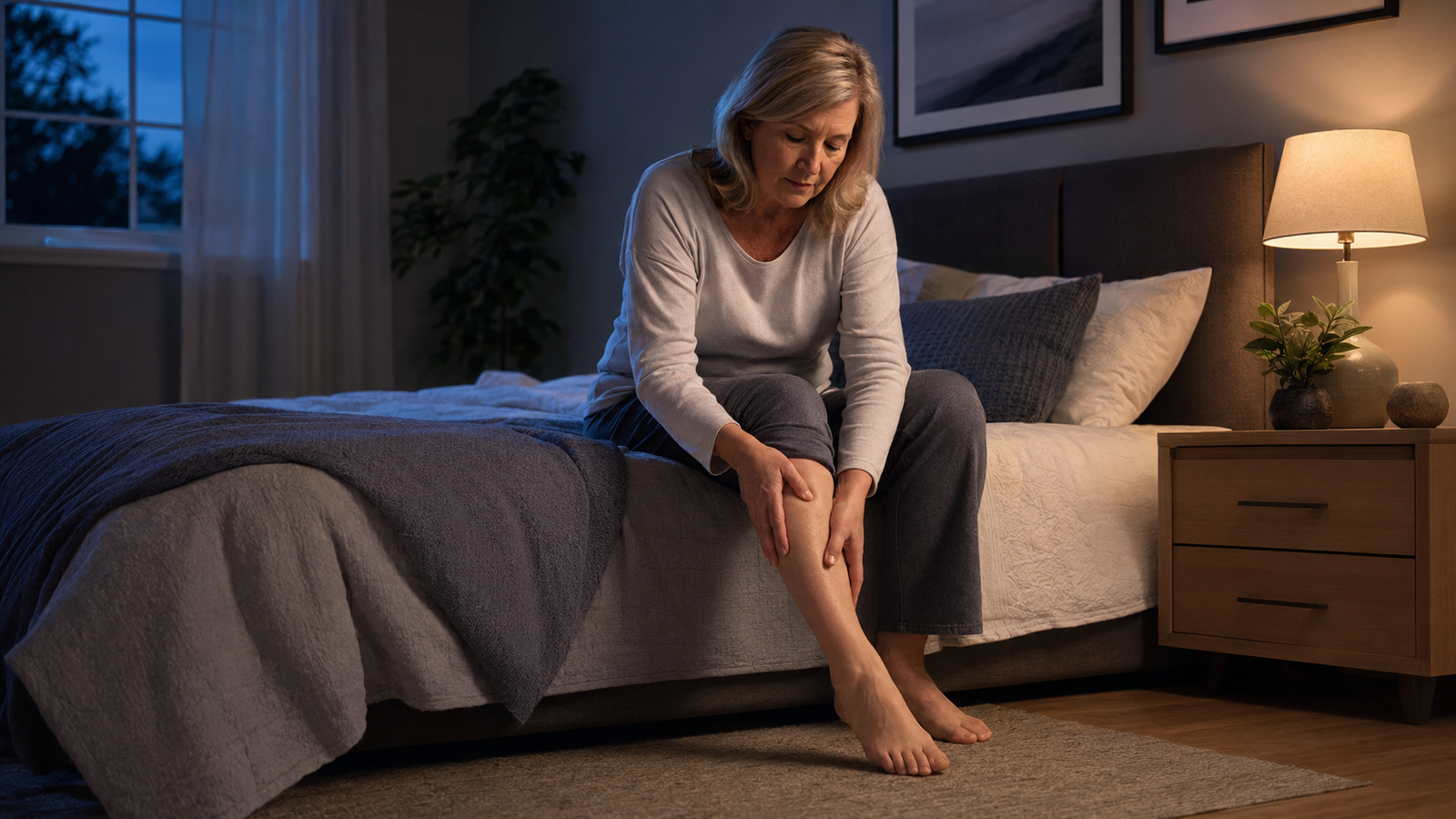
Can Menopause Cause Restless Legs Syndrome? 7 Surprising Links
Can menopause cause restless legs syndrome? Menopause is not considered a proven direct cause of restless legs syndrome, but symptoms may first appear or become more noticeable during perimenopause and after menopause.
Restless legs syndrome, or RLS, is a neurological condition that produces an uncomfortable urge to move the legs. Symptoms typically:
- Begin or worsen during rest
- Become stronger in the evening or at night
- Temporarily improve with movement
- Interfere with falling asleep or returning to sleep
Women experience RLS more frequently than men, and the condition may become more common or noticeable after menopause. Hormonal changes, disrupted sleep, iron deficiency, medication use, mood symptoms, and other medical conditions may all contribute.
This article explains seven possible links:
- Hormonal changes and nervous-system effects
- Iron deficiency or low iron stores
- Menopause-related sleep disruption
- Anxiety, depression, and chronic stress
- Medicines that aggravate symptoms
- Health conditions that become more common with age
- Another condition that resembles restless legs syndrome
It also covers warning signs, diagnosis, treatment options, practical nighttime relief, and when to consult a healthcare professional.
Quick Answer
Menopause may be associated with an increased likelihood of restless legs symptoms, but current evidence does not prove that declining estrogen directly causes RLS.
A more careful explanation is that the menopausal transition may expose or aggravate an existing susceptibility through:
- Changing hormone levels
- Poor or fragmented sleep
- Hot flashes and night sweats
- Low iron stores
- Anxiety or depression
- New medications
- Reduced physical activity
- Chronic medical conditions
- Increasing age
Mayo Clinic notes that restless legs syndrome and obstructive sleep apnea become more common after menopause and can further interfere with sleep. However, an association does not establish a simple cause-and-effect relationship. Mayo Clinic – Menopause and Sleep Problems
What Is Restless Legs Syndrome?
Restless legs syndrome—also called Willis-Ekbom disease—is a neurological sensorimotor disorder. It creates an irresistible or difficult-to-resist urge to move the legs, usually accompanied by unpleasant sensations.
People describe those sensations as:
- Crawling
- Tingling
- Pulling
- Throbbing
- Itching
- Buzzing
- Aching
- Electrical
- Creeping beneath the skin
- Difficult to describe but impossible to ignore
The sensations usually occur deep inside the legs rather than on the skin. They may affect both legs, alternate between them, or occasionally involve the arms.
Walking, stretching, shaking the legs, or changing position may provide temporary relief. Unfortunately, symptoms frequently return when the person lies down again—as though the legs have filed a formal objection to bedtime.
The Four Key Features of RLS
Healthcare professionals generally look for four defining characteristics:
- An urge to move the legs, often accompanied by uncomfortable sensations.
- Symptoms begin or worsen during rest, such as sitting or lying down.
- Movement provides temporary relief, including walking or stretching.
- Symptoms are worse in the evening or at night than during the daytime.
Another condition must not better explain the symptoms.
These features help distinguish RLS from ordinary leg fatigue, muscle cramps, arthritis, neuropathy, or discomfort caused by remaining in one position.
Can Menopause Cause Restless Legs Syndrome Suddenly?
RLS can seemingly begin during perimenopause or menopause, but sudden symptoms still require a broader evaluation.
Possible explanations include:
- Previously mild RLS becoming more noticeable
- Increasing nighttime wakefulness
- Iron deficiency
- A new medicine
- Antidepressant use
- Sedating antihistamines
- Kidney disease
- Peripheral neuropathy
- Diabetes
- Sleep deprivation
- Increased caffeine or alcohol use
- Reduced physical activity
- Another condition mimicking RLS
The timing of menopause may be relevant without being the entire explanation.
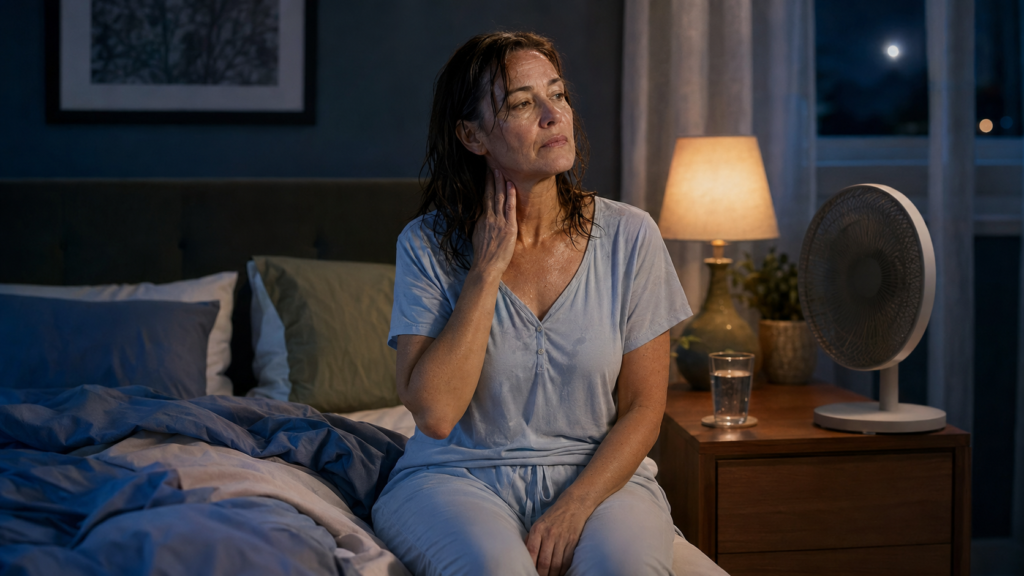
For example, hot flashes may repeatedly wake someone who then becomes aware of leg discomfort that previously occurred during sleep. Anxiety may also increase physical alertness at night, while insufficient sleep can make symptoms harder to tolerate.
If hot flashes and insomnia are occurring alongside leg symptoms, Why Can’t I Sleep During Menopause? explains how several menopause-related sleep disruptions can overlap.
RLS vs. Ordinary Restlessness
Occasionally feeling unable to get comfortable does not necessarily mean someone has restless legs syndrome.
| Feature | Restless legs syndrome | Ordinary restlessness |
|---|---|---|
| Urge to move | Strong and difficult to resist | Mild or inconsistent |
| Unpleasant leg sensations | Usually present | May be absent |
| Timing | Worse in the evening or at night | Can occur at any time |
| Trigger | Sitting or lying still | Stress, boredom, or discomfort |
| Effect of movement | Temporary relief is typical | Relief varies |
| Recurrence | Often returns after resting | May resolve completely |
| Sleep effect | Frequently delays or interrupts sleep | Usually limited |
RLS should also be distinguished from nighttime leg cramps.
RLS vs. Nighttime Leg Cramps
A nighttime leg cramp usually causes sudden, painful tightening of a specific muscle, commonly in the calf or foot. The muscle may feel hard or visibly contracted.
RLS more often causes:
- An urge to move
- Internal crawling or pulling sensations
- Diffuse discomfort rather than a tight muscle
- Symptoms that develop while resting
- Relief through continued movement
| Restless legs syndrome | Nighttime leg cramp |
|---|---|
| Urge to move the legs | Sudden painful muscle contraction |
| Crawling, tingling, or pulling | Sharp, localized pain |
| Movement usually helps | Stretching the contracted muscle may help |
| May continue for hours | Often lasts seconds to minutes |
| Usually affects rest and sleep onset | Commonly awakens a person suddenly |
A person can experience both conditions, so persistent symptoms should be described carefully during a medical appointment.
RLS vs. Peripheral Neuropathy
Peripheral neuropathy may cause burning, numbness, tingling, or pain in the feet and legs. Unlike RLS, neuropathy symptoms:
- May continue throughout the day
- Are not always worse at rest
- May not improve with walking
- Can involve reduced sensation
- May cause balance problems
- May be associated with diabetes, vitamin deficiency, or nerve damage
Symptoms that include persistent numbness, weakness, foot wounds, or balance changes require medical assessment.
RLS vs. Anxiety-Related Leg Movement
Anxiety may cause fidgeting, foot tapping, muscle tension, or a general inability to relax. These symptoms can resemble RLS, especially at bedtime.
However, classic RLS follows a recognizable pattern: the urge begins or worsens while resting, improves with movement, and becomes more intense during the evening or night.
When racing thoughts and physical tension are the primary problem, How to Calm Anxiety at Night provides strategies for lowering nighttime arousal.
Anxiety and RLS can also occur together. The presence of stress does not mean the physical sensations are imaginary.
Why Does RLS Interfere With Sleep?
Restless legs symptoms often emerge precisely when someone is trying to remain still.
They may:
- Delay sleep onset
- Cause repeated trips out of bed
- Make reading or watching television uncomfortable
- Return after each attempt to lie down
- Produce frustration and bedtime anxiety
- Reduce total sleep time
- Cause daytime fatigue
- Make travel or prolonged sitting difficult
Some people also experience periodic limb movements during sleep—repetitive bending or jerking of the legs. These movements are not identical to RLS, although the two frequently overlap.
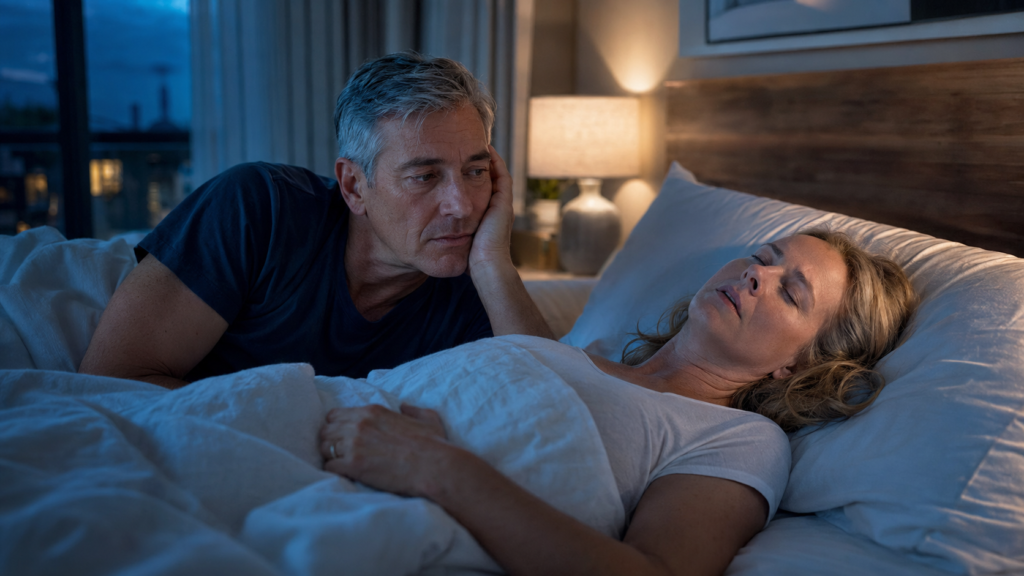
A sleep partner may notice kicking or twitching that the person does not remember. Unlike RLS, periodic limb movements happen while the individual is asleep and therefore cannot be diagnosed solely from the awake sensations.
Why Might Symptoms Become Noticeable During Menopause?
The relationship between menopause and RLS is complex.
Research has found that RLS is more common in women than men, but the reasons probably involve more than estrogen alone. Pregnancy history, iron status, genetic susceptibility, sleep changes, mood symptoms, and other biological factors may contribute. PubMed – Why Are Women Prone to Restless Legs Syndrome?
Menopause may create several overlapping changes:
- Hot flashes fragment sleep
- Night sweats increase awakenings
- Insomnia makes physical sensations more noticeable
- Mood symptoms increase nighttime distress
- Medication use may change
- Health conditions affecting nerves or iron may emerge
- Aging alters sleep quality and movement patterns
The important question is therefore not only can menopause cause restless legs syndrome, but also what else changed when the symptoms began.
1. Hormonal Changes May Influence Susceptibility
Estrogen and progesterone interact with systems involved in sleep, temperature regulation, mood, and neurological function. Researchers have therefore investigated whether reproductive hormone changes influence RLS.
However, evidence does not support a universal pattern in which falling estrogen automatically causes the disorder.
Some women report:
- Symptoms beginning during perimenopause
- Worsening after menopause
- Changes during pregnancy
- Fluctuation across the menstrual cycle
- Improvement or worsening with hormone therapy
- No relationship to hormonal stages at all
These varied experiences suggest that hormones may modify susceptibility in certain individuals rather than serving as the only cause.
Does Low Estrogen Cause Restless Legs?
Low estrogen alone cannot currently be used to diagnose or explain RLS.
If symptoms begin during menopause, a clinician may still need to evaluate:
- Iron stores
- Kidney function
- Diabetes
- Thyroid symptoms
- Nerve problems
- Medication use
- Pregnancy history
- Family history of RLS
- Caffeine and alcohol intake
- Sleep apnea
- Chronic insomnia
Hormone testing is not normally sufficient to determine why restless legs symptoms are occurring.
Can Hormone Therapy Help RLS?
Menopausal hormone therapy is not a standard treatment specifically for restless legs syndrome.
It may improve sleep indirectly when it reduces hot flashes or night sweats. However, research has not established that hormone therapy reliably relieves RLS, and individual responses may differ.
Do not begin, stop, or change hormone therapy solely because of leg symptoms without consulting the prescribing healthcare professional.
2. Iron Deficiency May Be an Important Contributor
Iron plays an important role in brain pathways involved in movement and dopamine function. Low iron stores are among the best-recognized factors associated with RLS.
A person may have insufficient iron stores even without obvious anemia. For this reason, a clinician may order tests such as:
- Serum ferritin
- Transferrin saturation
- Complete blood count
- Additional iron studies when indicated
The National Heart, Lung, and Blood Institute notes that iron deficiency is associated with a higher incidence of RLS, although the disorder can also occur when routine blood measures appear normal. NHLBI – Restless Legs Syndrome and Iron
Why Iron Still Matters After Menopause
Menstrual blood loss usually decreases after natural menopause, but iron deficiency can still occur because of:
- Low dietary iron intake
- Gastrointestinal bleeding
- Frequent blood donation
- Problems absorbing nutrients
- Bariatric surgery
- Celiac disease
- Inflammatory conditions
- Acid-suppressing medication
- Other medical conditions
New iron deficiency after menopause should not automatically be blamed on diet. Its cause may require medical investigation.
Do not take high-dose iron without testing and professional guidance. Excess iron can be harmful, and the appropriate treatment depends on laboratory results and the reason for the deficiency.
Part 2 will continue with menopause-related insomnia, anxiety, medications, medical conditions, symptom triggers, and warning signs.
3. Menopause-Related Sleep Disruption May Worsen Symptoms
Poor sleep does not necessarily cause RLS, but sleep deprivation can make symptoms more noticeable and difficult to tolerate.
During menopause, sleep may be disrupted by:
- Hot flashes
- Night sweats
- Anxiety
- Mood changes
- Joint or muscle discomfort
- Frequent urination
- Sleep apnea
- Changes in the body clock
- Early-morning awakening
RLS then creates a frustrating cycle:
- Leg sensations delay sleep.
- Lost sleep increases fatigue and sensitivity to discomfort.
- Bedtime becomes associated with frustration.
- Symptoms feel stronger during the next period of rest.
- More sleep is lost.
Someone who wakes because of a hot flash may also notice leg sensations after lying still again. This does not mean the hot flash caused RLS, but both problems may repeatedly interrupt the same night.
How to Fall Back Asleep After Waking Up offers practical steps for managing nighttime awakenings without increasing alertness.
Can Insomnia Feel Like Restless Legs Syndrome?
Insomnia and RLS frequently overlap, but they are not identical.
Insomnia involves difficulty falling asleep, staying asleep, or obtaining restorative sleep despite having an adequate opportunity to rest. RLS has the more specific pattern of an urge to move that:
- Begins or worsens during rest
- Improves temporarily with movement
- Is strongest in the evening or at night
Someone with insomnia may toss and turn because of racing thoughts, overheating, pain, noise, or frustration. A person with RLS usually moves because remaining still creates an uncomfortable internal sensation.
Does Perimenopause Cause Insomnia? explains how hormonal fluctuations, temperature symptoms, anxiety, and changing sleep patterns may contribute to persistent insomnia.
Does Being Overtired Make RLS Worse?
Many people report stronger symptoms after insufficient sleep. An irregular schedule may also increase the time spent awake in bed, creating more opportunities for RLS symptoms to appear.
Helpful sleep goals include:
- Keeping a consistent wake time
- Allowing sufficient sleep opportunity
- Avoiding long, late naps
- Using the bed primarily for sleep
- Managing night sweats
- Treating suspected sleep apnea
- Seeking help for persistent insomnia
Going to bed much earlier than usual may backfire if you are not sleepy. It can mean spending additional time lying still while your legs conduct their nightly protest meeting.
4. Anxiety, Depression, and Chronic Stress May Intensify the Problem
Anxiety and depression do not mean that RLS symptoms are imaginary. RLS is a neurological condition, but emotional distress may amplify physical discomfort, disturb sleep, and reduce the ability to cope with recurring symptoms.
Menopause may coincide with:
- Increased anxiety
- Depressive symptoms
- Caregiving pressure
- Work stress
- Changes in health
- Relationship strain
- Fear about aging
- Persistent sleep loss
Stress may also lead to habits that aggravate symptoms, including increased caffeine consumption, alcohol use, inactivity, irregular sleep, or spending more time awake in bed.
How Can You Tell Anxiety and RLS Apart?
Anxiety-related restlessness may involve the entire body and can occur at any time. It may appear as:
- Foot tapping
- Pacing
- Muscle tension
- Shallow breathing
- Racing thoughts
- Feeling unable to settle
- General physical agitation
RLS is more likely when the discomfort consistently:
- Appears in the legs
- Begins during sitting or lying down
- Becomes worse in the evening
- Creates a powerful urge to move
- Improves while walking or stretching
- Returns after movement stops
Both conditions can occur together. A symptom diary can help identify whether the primary trigger is rest, time of day, emotional stress, or a combination.
When Should Mood Symptoms Be Addressed?
Arrange professional support when anxiety or depression:
- Persists for several weeks
- Interferes with work or relationships
- Causes fear of bedtime
- Produces panic attacks
- Leads to social withdrawal
- Makes daily responsibilities difficult
- Contributes to alcohol or medication misuse
- Includes hopelessness or thoughts of self-harm
Urgent assistance is necessary when someone may harm themselves or another person.
5. Certain Medicines May Aggravate Restless Legs Symptoms
The question can menopause cause restless legs syndrome becomes more complicated when symptoms begin after a new medicine or dose adjustment.
Medicines reported to aggravate RLS in some people include certain:
- Antidepressants
- Antipsychotics
- Sedating antihistamines
- Anti-nausea medicines that block dopamine
- Lithium products
- Other medicines affecting dopamine pathways
This does not mean everyone taking these medicines will develop RLS. It also does not mean that an essential treatment should be stopped.
The National Institute of Neurological Disorders and Stroke identifies certain medications, along with alcohol, nicotine, and caffeine, as possible aggravating factors. NINDS – Restless Legs Syndrome
Antidepressants and RLS
Antidepressants may be prescribed during menopause for depression, anxiety, hot flashes, chronic pain, or sleep-related symptoms. Some individuals notice new or worsening leg restlessness after starting treatment.
Record:
- Medication name
- Dose
- Time taken
- Date treatment began
- Date leg symptoms began
- Recent dose changes
- Missed doses
- Effects on hot flashes and mood
- Other medicines and supplements
Do not stop an antidepressant abruptly. Sudden discontinuation may cause withdrawal symptoms and a return or worsening of the condition being treated.
A healthcare professional can assess whether:
- The timing is coincidental
- The dose may be relevant
- Another medicine is contributing
- Iron testing is needed
- An alternative treatment is appropriate
Sedating Antihistamines
Some nonprescription cold, allergy, and nighttime sleep products contain sedating antihistamines. These may worsen RLS in susceptible individuals even though they cause drowsiness.
Check the active ingredients rather than relying only on packaging phrases such as “nighttime” or “PM.” A product can make the brain sleepy while persuading the legs to begin a small aerobics class.
Ask a pharmacist before combining antihistamines with:
- Prescription sleep medicines
- Antidepressants
- Anxiety medicines
- Alcohol
- Opioids
- Other sedating products
Anti-Nausea Medicines
Some medicines used for nausea or digestive symptoms block dopamine and may aggravate RLS-like symptoms. Severe whole-body restlessness after a medicine may represent akathisia rather than RLS.
Akathisia may cause:
- Intense inner restlessness
- Constant pacing
- Inability to sit still
- Rocking or shifting weight
- Symptoms throughout the day
- Distress affecting the entire body
New severe restlessness following a medication change requires prompt medical review.
6. Other Health Conditions May Contribute
RLS may occur on its own, run in families, or develop in association with another condition.
Potential contributors include:
- Chronic kidney disease
- Iron deficiency
- Peripheral neuropathy
- Diabetes
- Parkinson’s disease
- Spinal cord or nerve disorders
- Pregnancy
- Certain inflammatory conditions
The NHS lists iron-deficiency anemia, kidney disease, pregnancy, and some medicines among recognized associations with RLS. NHS – Restless Legs Syndrome
Chronic Kidney Disease
RLS is more common among people with chronic kidney disease, particularly advanced disease. Possible accompanying signs include:
- Swelling in the feet or ankles
- Changes in urination
- Persistent fatigue
- Nausea
- Itching
- Muscle cramps
- High blood pressure
These symptoms are not specific to kidney disease, and early disease may cause few obvious symptoms. Blood and urine tests may be required.
Diabetes and Peripheral Neuropathy
Diabetes may damage peripheral nerves and cause burning, tingling, numbness, or pain in the feet and legs.
Neuropathy should be considered when symptoms:
- Persist during the daytime
- Do not improve with movement
- Include loss of sensation
- Begin mainly in the feet
- Affect balance
- Occur with foot wounds
- Accompany weakness
A person may have both neuropathy and RLS, so the pattern and timing of symptoms remain important.
Sleep Apnea
Sleep apnea does not explain the characteristic urge to move the legs, but it can coexist with RLS and worsen overall sleep quality.
Possible warning signs include:
- Loud habitual snoring
- Witnessed breathing pauses
- Gasping or choking
- Morning headaches
- Dry mouth
- Frequent nighttime urination
- Unrefreshing sleep
- Severe daytime sleepiness
Can Menopause Cause Sleep Apnea? explains why sleep-apnea risk may increase after menopause and when testing should be considered.
7. Another Condition May Be Mimicking RLS
Before concluding that menopause causes restless legs syndrome, consider whether the symptoms match the defining RLS pattern.
Common mimics include:
- Nighttime leg cramps
- Peripheral neuropathy
- Arthritis
- Varicose veins
- Poor circulation
- Muscle strain
- Positional discomfort
- Leg swelling
- Medication-induced akathisia
- Habitual foot movement
- Anxiety-related restlessness
Clues That Symptoms May Not Be RLS
Another explanation may be more likely when:
- Movement provides no relief
- Symptoms occur equally throughout the day
- A muscle becomes visibly tight
- Pain affects a specific joint
- One leg is swollen or warm
- Numbness is constant
- Weakness or balance problems occur
- Discomfort is limited to one precise injury site
- Severe restlessness began immediately after a medicine change
Symptoms Requiring Urgent Evaluation
Seek urgent medical attention for:
- Sudden swelling in one leg
- Redness, warmth, and tenderness in one calf
- Chest pain
- Shortness of breath
- New loss of strength
- Loss of bladder or bowel control
- Severe back pain with leg weakness
- A cold, pale, or blue foot
- Sudden inability to walk
- New confusion or neurological symptoms
These are not typical features of uncomplicated RLS.
What Commonly Triggers or Worsens RLS?
Symptoms may become more noticeable with:
- Sleep deprivation
- Long periods of sitting
- Evening inactivity
- Caffeine
- Alcohol
- Nicotine
- Stress
- Strenuous exercise close to bedtime
- Certain medicines
- An irregular sleep schedule
- Long flights or car journeys
Triggers differ between individuals. A two-week diary is more useful than banning every possible trigger at once.
Record:
| Information | What to note |
|---|---|
| Symptom timing | Time symptoms begin and end |
| Situation | Sitting, lying down, traveling, or working |
| Sensation | Crawling, pulling, tingling, aching, or burning |
| Movement response | Whether walking or stretching provides relief |
| Sleep | Bedtime, sleep latency, awakenings, and wake time |
| Menopause symptoms | Hot flashes, sweating, chills, or palpitations |
| Substances | Caffeine, alcohol, and nicotine timing |
| Medicines | Name, dose, timing, and recent changes |
| Exercise | Type, intensity, and time of day |
| Daytime effects | Fatigue, mood changes, and impaired concentration |
When Should You Contact a Healthcare Professional?
Arrange a medical assessment when symptoms:
- Regularly delay or interrupt sleep
- Occur several nights per week
- Are becoming progressively worse
- Affect work, driving, or concentration
- Begin after a medication change
- Include persistent numbness or weakness
- Occur with symptoms of iron deficiency
- Accompany kidney disease or diabetes
- Do not match the typical RLS pattern
- Continue despite reasonable lifestyle changes
A proper evaluation is especially important before using iron supplements or products marketed for restless legs.
The practical answer to can menopause cause restless legs syndrome remains cautious: menopause may coincide with or aggravate symptoms, but iron deficiency, medicines, chronic illness, sleep loss, and RLS mimics must also be considered.
Part 3 will cover diagnosis, iron testing, immediate nighttime relief, lifestyle strategies, treatment options, and a practical two-week action plan.
How Is Restless Legs Syndrome Diagnosed?
There is no single test that confirms RLS. Diagnosis is mainly based on symptoms, medical history, medication use, and whether another condition better explains the discomfort.
A healthcare professional may ask:
- What do the sensations feel like?
- Do symptoms begin while sitting or lying down?
- Are they worse in the evening or at night?
- Does walking provide temporary relief?
- How often do symptoms occur?
- When did they begin?
- Is there a family history of RLS?
- Did symptoms change during pregnancy or menopause?
- Are they affecting sleep or daytime functioning?
- Were any medicines recently started or changed?
A physical and neurological examination may help identify neuropathy, circulation problems, muscle disorders, swelling, or another RLS mimic.
What Blood Tests May Be Needed?
Because iron deficiency is closely associated with RLS, clinicians commonly assess iron status.
Tests may include:
- Serum ferritin
- Transferrin saturation
- Serum iron
- Total iron-binding capacity
- Complete blood count
- Kidney-function tests
- Blood glucose or HbA1c
- Thyroid testing when appropriate
- Vitamin B12 or folate in selected cases
A normal hemoglobin result does not necessarily mean iron stores are sufficient. Ferritin and transferrin saturation provide additional information.
Inflammation can also elevate ferritin and make results harder to interpret. This is one reason iron treatment should be based on a professional assessment rather than a supplement selected during a late-night shopping expedition.
Is a Sleep Study Necessary?
Most people with classic RLS symptoms do not need an overnight sleep study for diagnosis.
Testing may be considered when:
- Sleep apnea is suspected
- Leg movements continue during sleep
- Symptoms do not match typical RLS
- Severe daytime sleepiness occurs
- Treatment is not working
- Another sleep disorder may be present
A sleep study can record breathing, oxygen levels, brain activity, heart rhythm, and limb movements. It may detect periodic limb movements during sleep, but these movements alone do not automatically establish an RLS diagnosis.
What Can Relieve RLS Immediately at Night?
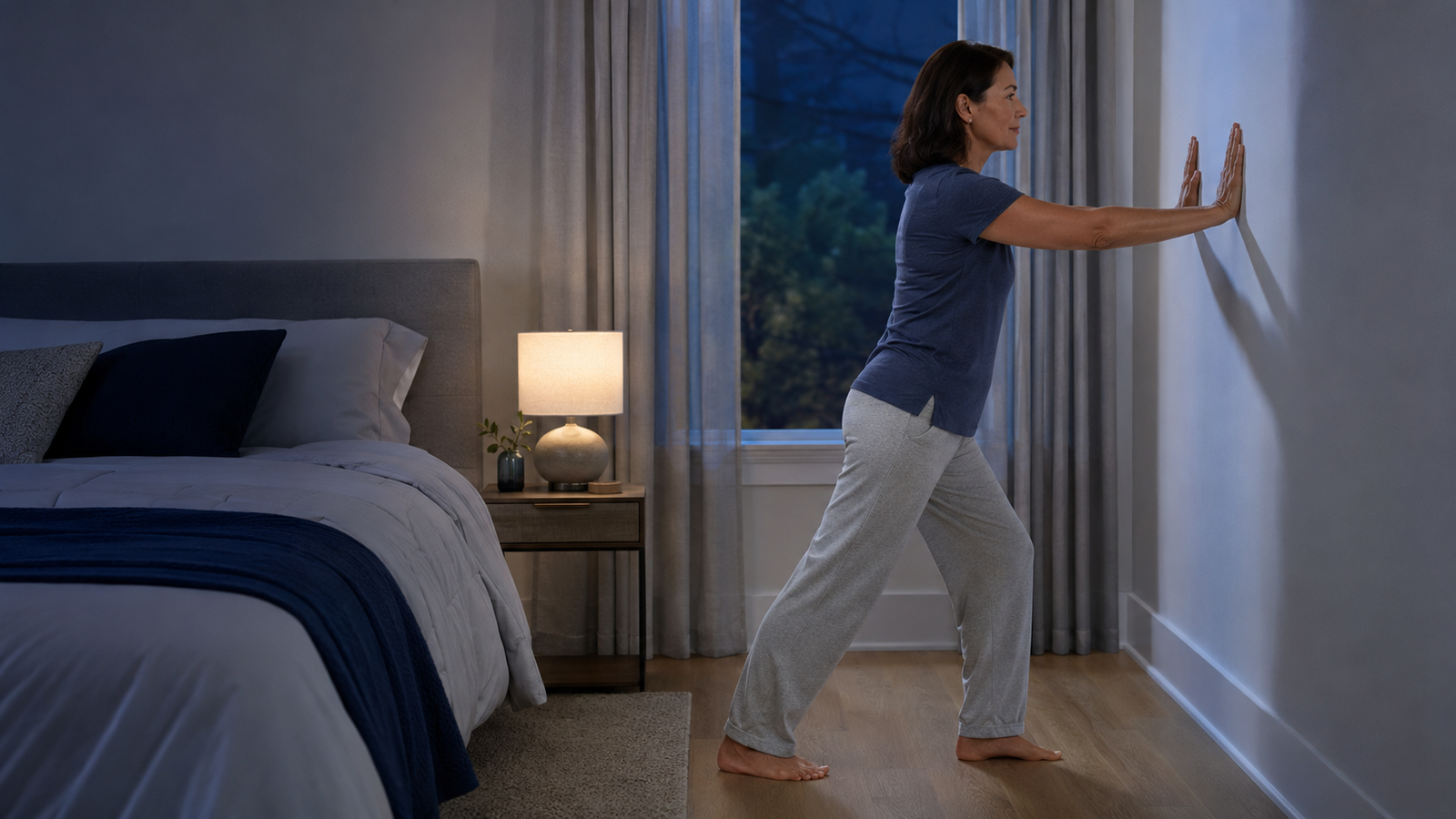
Temporary relief often comes from movement. When symptoms begin, try:
- Get out of bed briefly.
- Walk at a comfortable pace.
- Stretch the calves and thighs gently.
- Massage the affected muscles.
- Apply a warm or cool pack.
- Take a warm shower or bath.
- Perform slow ankle circles.
- Return to bed when the sensations settle.
Avoid vigorous late-night exercise if it increases alertness or worsens symptoms. The goal is gentle relief, not beginning an enthusiastic midnight fitness program.
Simple Bedside Stretch
Try the following:
- Stand facing a wall.
- Place both hands against it.
- Step one foot backward.
- Keep the back heel on the floor.
- Bend the front knee gently.
- Hold for 20–30 seconds.
- Repeat on the opposite side.
Stop if stretching causes sharp pain, numbness, weakness, or worsening symptoms.
Daily Strategies That May Reduce Symptoms
1. Maintain a Consistent Sleep Schedule
Keep wake time reasonably stable, including after a difficult night. A predictable schedule may reduce sleep deprivation and excessive time awake in bed.
Aim to:
- Wake at approximately the same time daily
- Avoid very long weekend sleep-ins
- Keep naps brief and earlier
- Go to bed when sleepy
- Obtain morning daylight
- Adjust schedule changes gradually
If RLS regularly prevents sleep, treating the condition is more useful than merely adding extra hours in bed.
2. Review Caffeine Intake
Caffeine may aggravate symptoms in some people.
Sources include:
- Coffee
- Tea
- Energy drinks
- Cola
- Chocolate
- Pre-workout products
- Some headache medicines
Try moving caffeine earlier or reducing it gradually. Compare symptoms for one to two weeks rather than judging the effect after a single evening.
3. Limit Alcohol and Nicotine
Alcohol may fragment sleep and worsen RLS symptoms in susceptible individuals. Nicotine stimulates the nervous system and may also interfere with sleep.
Record the amount and timing of:
- Beer, wine, or spirits
- Cigarettes
- Vaping products
- Nicotine gum or lozenges
- Nicotine patches
- Cannabis or CBD products
People who drink heavily should not stop suddenly without medical guidance because withdrawal can be dangerous.
4. Exercise Regularly but Moderately
Regular daytime activity may support sleep and reduce symptoms for some people.
Suitable options include:
- Walking
- Swimming
- Cycling
- Yoga
- Light resistance training
- Gentle mobility exercises
Both prolonged inactivity and unusually intense exercise may trigger symptoms. Increase activity gradually and observe how the timing affects that night’s sleep.
5. Break Up Long Periods of Sitting
Symptoms often appear during inactivity, making long journeys, meetings, and evening television difficult.
Helpful strategies include:
- Standing periodically
- Walking during breaks
- Choosing an aisle seat when traveling
- Stretching before a long drive
- Scheduling demanding travel earlier in the day
- Moving the ankles while seated
- Avoiding restrictive clothing
Never stretch or walk around while driving. Stop somewhere safe first.
6. Improve Menopause-Related Sleep Disruption
Managing hot flashes, night sweats, and insomnia may not directly treat RLS, but it can reduce overlapping sleep disruption.
Consider:
- Keeping the bedroom comfortably cool
- Using breathable sleepwear
- Choosing layered bedding
- Maintaining a regular wake time
- Limiting evening alcohol
- Using a brief wind-down routine
- Seeking treatment for persistent hot flashes
- Discussing chronic insomnia with a clinician
What Is the Best Temperature for Sleep? explains how temperature, humidity, bedding, and personal comfort influence nighttime sleep.
Should You Take Iron for RLS?
Do not begin high-dose iron solely because the symptoms resemble RLS.
Iron may be recommended when laboratory testing shows low iron stores, but treatment depends on:
- Ferritin level
- Transferrin saturation
- Presence of anemia
- Symptoms and severity
- Absorption problems
- Gastrointestinal health
- Kidney disease
- Other medicines
- Possible blood loss
Oral iron may cause constipation, nausea, abdominal discomfort, and dark stools. It can also interact with certain medicines. Intravenous iron is sometimes considered under specialist supervision when oral treatment is unsuitable or ineffective.
After menopause, unexplained iron deficiency may require evaluation for gastrointestinal bleeding or poor nutrient absorption. Replacing iron without investigating the cause could hide a more important problem.
What Medical Treatments Are Available?
Treatment depends on symptom frequency, severity, iron status, other health conditions, and current medicines.
A clinician may consider:
- Correcting iron deficiency
- Removing or replacing an aggravating medicine
- Treating kidney disease or neuropathy
- Managing coexisting sleep apnea
- Using medication specifically for moderate or severe RLS
- Referring the patient to a neurologist or sleep specialist
Medicines used for RLS may include certain drugs that affect calcium channels, dopamine pathways, or other neurological systems. Each option has potential risks and benefits.
Why Dopamine Medicines Require Careful Monitoring
Dopamine-related medicines may relieve symptoms but can sometimes cause augmentation.
Augmentation means RLS gradually:
- Begins earlier in the day
- Becomes more intense
- Develops after shorter periods of rest
- Spreads to the arms or other areas
- Requires increasingly frequent medication
Do not increase the dose independently when this pattern occurs. Contact the prescribing clinician because the treatment plan may need to change.
Can Sleeping Pills Treat RLS?
Sleeping medicines may reduce awareness of nighttime wakefulness, but they do not necessarily treat the underlying urge to move.
They can also cause:
- Morning grogginess
- Falls
- Memory problems
- Dependence
- Dangerous interactions
- Impaired driving
Using alcohol or multiple sedating products to overpower RLS is unsafe.
Can Menopause Treatment Improve RLS?
Menopause treatment is not considered a standard RLS therapy. However, treating disruptive hot flashes or night sweats may indirectly improve overall sleep.
A healthcare professional may discuss:
- Lifestyle changes
- Menopausal hormone therapy
- Nonhormonal hot-flash treatment
- Cognitive behavioral therapy for insomnia
- Mental-health support
- Medication adjustments
The decision to use hormone therapy should depend on the person’s menopausal symptoms, medical history, age, risk factors, and treatment goals—not solely on restless legs symptoms.
A Practical Two-Week Action Plan
Days 1–3
- Record when symptoms begin.
- Describe the exact sensations.
- Note whether movement provides relief.
- List all medicines and supplements.
- Record caffeine, alcohol, and nicotine.
- Establish a consistent wake time.
- Note hot flashes and night sweats.
Days 4–7
- Move caffeine earlier.
- Avoid evening alcohol.
- Take regular movement breaks.
- Add gentle daytime exercise.
- Try stretching or massage before bed.
- Avoid long, late naps.
- Check nighttime products for sedating antihistamines.
Days 8–14
- Continue the symptom diary.
- Compare active and inactive days.
- Review sleep duration and symptom severity.
- Note whether symptoms are spreading or beginning earlier.
- Arrange medical assessment if sleep remains disrupted.
- Ask whether iron testing is appropriate.
- Discuss any suspected medication trigger.
Change only a few habits at a time. Otherwise, improvement may occur without revealing what actually helped.
Questions to Take to Your Appointment
Consider asking:
- Do my symptoms meet the diagnostic criteria for RLS?
- Could this be neuropathy, cramps, or medication-induced restlessness?
- Should my ferritin and transferrin saturation be tested?
- Could one of my medicines be aggravating symptoms?
- Do I have signs of sleep apnea?
- Is iron treatment appropriate?
- What treatment has the lowest risk of augmentation?
- Should I see a sleep specialist or neurologist?
- Could menopause symptoms be worsening my overall sleep?
- What symptoms would require urgent evaluation?
The answer to can menopause cause restless legs syndrome is therefore not a simple yes. Menopause may coincide with worsening symptoms, but diagnosis should also account for iron status, medicines, neurological conditions, sleep loss, and disorders that resemble RLS.
Frequently Asked Questions
Can menopause cause restless legs syndrome?
Menopause is not proven to directly cause RLS. However, hormonal changes, disrupted sleep, low iron stores, medication changes, anxiety, and age-related health conditions may make symptoms appear or worsen during menopause.
Why do my legs feel restless only at night?
RLS follows a circadian pattern and is usually worse during the evening or night. Symptoms also emerge during inactivity, so they may become especially noticeable when sitting or lying in bed.
What does restless legs syndrome feel like?
People commonly describe:
- Crawling or creeping sensations
- Tingling or buzzing
- Pulling or throbbing
- An uncomfortable urge to move
- Temporary relief while walking or stretching
The sensation is often difficult to describe and feels deeper than ordinary skin itching.
Can low iron cause restless legs after menopause?
Low iron stores are strongly associated with RLS and may occur even when hemoglobin is normal. A healthcare professional may check ferritin, transferrin saturation, and a complete blood count.
Do not start high-dose iron without testing. Unexplained iron deficiency after menopause may require investigation for blood loss or an absorption problem.
Does magnesium help restless legs syndrome?
Magnesium is frequently marketed for restless legs, but evidence does not show that it reliably treats RLS unless a relevant deficiency or another specific indication exists.
Magnesium supplements may cause diarrhea and interact with certain medicines. Ask a healthcare professional before using them regularly.
Can menopause hormone therapy stop restless legs?
Hormone therapy is not a standard treatment for RLS. It may improve overall sleep when it reduces hot flashes and night sweats, but it has not been shown to consistently relieve restless legs symptoms.
Hormone therapy should be selected according to menopausal symptoms, medical history, risks, and personal treatment goals.
What provides immediate relief?
Walking, gentle stretching, massage, a warm bath, or warm or cool packs may temporarily reduce symptoms. Relief that occurs during movement and returns after resting is a characteristic RLS pattern.
Can antihistamines make restless legs worse?
Some sedating antihistamines found in allergy, cold, and nighttime sleep products may aggravate symptoms in susceptible people. Check the active ingredients and consult a pharmacist before combining these products with other medicines.
When should I see a doctor?
Arrange an assessment when symptoms:
- Occur several nights each week
- Regularly prevent sleep
- Become progressively worse
- Begin after starting a medicine
- Affect concentration, work, or driving
- Include persistent numbness or weakness
- Do not improve with reasonable lifestyle changes
Seek urgent care for sudden one-sided swelling, redness, warmth, chest pain, shortness of breath, significant weakness, or loss of bladder or bowel control. These are not typical symptoms of uncomplicated RLS.
Final Thoughts
Can menopause cause restless legs syndrome? Current evidence does not establish menopause as a direct cause. Nevertheless, restless legs symptoms may begin or become more disruptive during perimenopause or after menopause.
Possible contributors include low iron stores, fragmented sleep, hot flashes, anxiety, medication changes, kidney disease, diabetes, neuropathy, and an underlying susceptibility to RLS. The timing of menopause may therefore matter without explaining the entire problem.
Start by recording when symptoms occur, what they feel like, whether movement helps, and whether any medicine or supplement recently changed. Maintain a consistent sleep schedule, move caffeine earlier, limit evening alcohol, exercise moderately, and avoid remaining seated for long periods.
Persistent symptoms deserve a proper assessment rather than random supplements. Iron testing, medication review, and evaluation for conditions that imitate RLS can lead to safer and more effective treatment. The legs may be holding a nightly protest, but identifying their actual complaint is more useful than merely telling them to settle down.
Medical disclaimer: This article provides general educational information and does not replace diagnosis or individualized medical care. Consult a qualified healthcare professional before changing medicines, hormone therapy, iron supplements, or treatment for a sleep disorder.
Internal Links
- Why Can’t I Sleep During Menopause?
- Does Perimenopause Cause Insomnia?
- How to Fall Back Asleep After Waking Up
- How to Calm Anxiety at Night
- Can Menopause Cause Sleep Apnea?
- What Is the Best Temperature for Sleep?
External Resources
- NHS – Restless Legs Syndrome
- NINDS – Restless Legs Syndrome
- Mayo Clinic – RLS Diagnosis and Treatment