Can Menopause Cause Vivid Dreams? 9 Possible Reasons
Can menopause cause vivid dreams? Menopause is not proven to directly create vivid dreams, but hormonal fluctuations, night sweats, insomnia, anxiety, medication changes, and repeated awakenings may make dreams more intense or easier to remember.
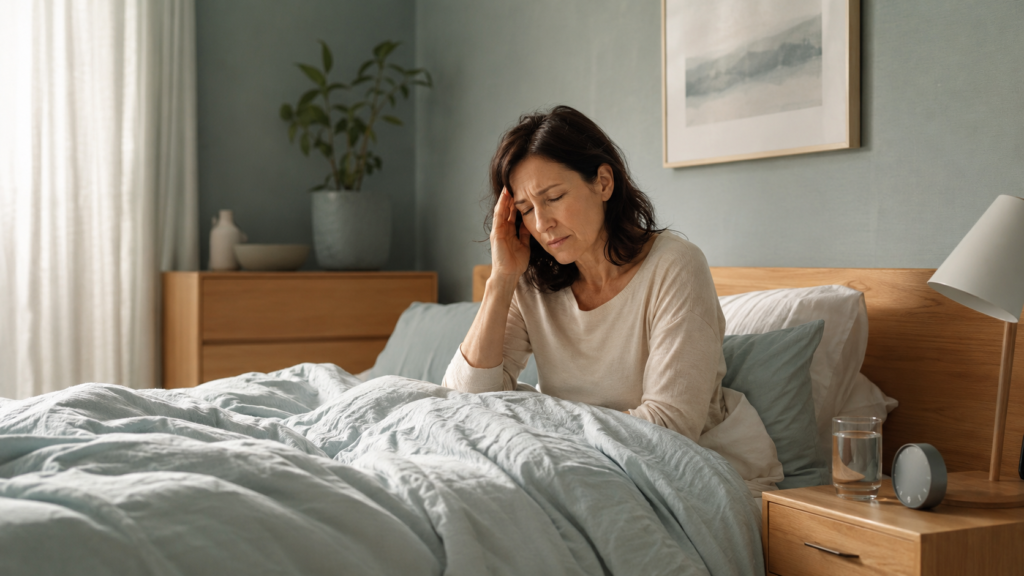
Some women notice that their dreams become unusually detailed during perimenopause. A dream may feel emotionally powerful, continue like a complicated story, or remain clear long after waking. Others experience disturbing nightmares or begin remembering several dreams every night.
The important distinction is that more frequent dream recall does not necessarily mean the brain is producing more dreams. Repeated awakenings—especially during or shortly after REM sleep—can simply make existing dreams easier to remember.
Quick answer: Menopause may indirectly contribute to vivid dreams by changing sleep continuity, emotional well-being, body-temperature regulation, and medication use. Vivid dreams alone are usually harmless, but recurring nightmares, dream enactment, severe daytime sleepiness, or hallucinations while fully awake deserve professional assessment.
What Are Vivid Dreams?
Vivid dreams are dreams that feel unusually:
- Realistic
- Detailed
- Colorful
- Emotional
- Memorable
- Strange or complex
- Difficult to distinguish from reality immediately after waking
They may involve familiar people, realistic conversations, frightening situations, old memories, or completely imaginary events.
A vivid dream is not automatically a nightmare. Pleasant, exciting, confusing, and emotionally neutral dreams can all feel vivid.
Why Do Some Dreams Feel So Real?
The most vivid dreaming commonly occurs during rapid eye movement, or REM, sleep. During this stage:
- Brain activity increases
- Emotional and memory-related brain regions remain active
- Most voluntary muscles become temporarily inactive
- Breathing becomes less regular
- Dreams may become detailed and story-like
- Logical evaluation may be reduced
Because visual, emotional, and memory systems are active, a dream can feel convincing even when its events are impossible.
Is Vivid Dreaming a Menopause Symptom?
Vivid dreams are not generally listed among the defining symptoms of menopause. More commonly recognized menopause-related sleep concerns include:
- Difficulty falling asleep
- Frequent nighttime awakenings
- Early-morning waking
- Hot flashes
- Night sweats
- Anxiety or low mood
- Unrefreshing sleep
- Increased risk of sleep apnea
The NHS overview of menopause symptoms confirms that sleep problems may become worse when night sweats are also present.
These recognized symptoms can nevertheless change when a person awakens and how well dreams are remembered. Therefore, vivid dreams beginning during perimenopause may be connected to the broader disruption of sleep rather than being a direct hormonal symptom.
Why Might Menopause Affect Dreams?
A possible sequence looks like this:
- Hormonal fluctuations affect temperature regulation or mood.
- Hot flashes, anxiety, or insomnia interrupt sleep.
- The person awakens during or shortly after REM sleep.
- The dream remains available in short-term memory.
- The dream feels unusually vivid because it is recalled immediately.
- Worry about the dream makes the experience more memorable.
- Increased attention leads to noticing more dreams on later nights.
Menopause-related sleep changes can therefore increase both dream intensity and dream recall.
According to the Sleep Foundation’s menopause and sleep guide, hormonal changes, night sweats, mood symptoms, insomnia, and sleep disorders may all interfere with sleep during the menopausal transition.
Nine Possible Reasons for Vivid Dreams During Menopause
This guide will examine:
- Repeated nighttime awakenings
- Hot flashes and night sweats
- Insomnia and REM rebound
- Anxiety and emotional stress
- Hormone therapy and other medications
- Melatonin and sleep supplements
- Alcohol, caffeine, and nicotine
- Obstructive sleep apnea
- A parasomnia or another sleep disorder
Several factors may operate at once. For example, a night sweat may cause an abrupt awakening from a frightening dream, while anxiety makes it difficult to return to sleep and increases attention to the dream the following morning.
Vivid Dreams vs. Nightmares
Vivid dreams and nightmares overlap, but they are not identical.
| Feature | Vivid dream | Nightmare |
|---|---|---|
| Emotional tone | Pleasant, neutral, strange, or upsetting | Primarily frightening or distressing |
| Detail | Often highly detailed | May also be highly detailed |
| Awakening | May or may not wake the sleeper | Commonly causes awakening |
| Physical response | May be minimal | Fear, sweating, or rapid heartbeat may occur |
| Return to sleep | Often easy | May be difficult because of distress |
| Daytime effect | Usually limited | Anxiety or fear of sleeping may continue |
A vivid dream becomes more concerning when it repeatedly causes awakening, emotional distress, avoidance of sleep, or impaired daytime functioning.
Vivid Dreams vs. Night Terrors
Night terrors are different from vivid dreams and nightmares.
| Vivid dreams | Night terrors |
|---|---|
| Most strongly associated with REM sleep | Usually arise from deep non-REM sleep |
| Dream details may be clearly remembered | Little or no memory is typical |
| Person generally wakes oriented | Person may remain confused |
| Usually remains in bed | Screaming, sitting up, or thrashing may occur |
| Can occur throughout the night | More common during the first part of the night |
If the main symptom involves screaming, appearing terrified, or becoming difficult to awaken, Can Menopause Cause Night Terrors? explains the differences between adult sleep terrors, nightmares, and nighttime panic.
Vivid Dreams vs. Sleep Paralysis
Vivid dream imagery may briefly continue as someone awakens, but sleep paralysis also includes temporary inability to move or speak.
| Vivid dream | Sleep paralysis |
|---|---|
| Occurs while asleep | Occurs while falling asleep or waking |
| Normal movement returns upon waking | Movement remains temporarily unavailable |
| Dream scene may not match the bedroom | Dream imagery may overlap with the room |
| No paralysis after waking | Awareness returns before REM muscle inactivity ends |
| Usually not frightening | Often produces intense fear |
For episodes involving awareness but temporary immobility, Can Menopause Cause Sleep Paralysis? covers likely triggers, immediate coping steps, and warning signs.
Vivid Dreams vs. REM Sleep Behavior Disorder
During normal REM sleep, most voluntary muscles become temporarily inactive. REM sleep behavior disorder occurs when this protective muscle inactivity is reduced or absent, allowing a person to physically act out dreams.
Possible behaviors include:
- Shouting
- Punching
- Kicking
- Grabbing
- Jumping from bed
- Falling out of bed
- Injuring a sleep partner
Remembering an intense dream is not the same as physically acting it out. New dream-enactment behavior in an adult should be medically assessed, especially when it is forceful, frequent, or causes injury.
1. Repeated Awakenings May Increase Dream Recall
One of the simplest explanations for vivid dreams during menopause is more frequent waking.
Most people dream several times each night but forget much of the content. A dream is easier to remember when a person awakens:
- During REM sleep
- Immediately after REM sleep
- Because of a hot flash
- After hearing a noise
- To use the bathroom
- Because of pain
- After a breathing interruption
- During an anxiety surge
- Near the end of the night
A person who previously slept continuously may have experienced equally complex dreams without remembering them.
Signs That Increased Dream Recall Is the Main Issue
This explanation may fit when:
- Dreams are remembered after brief awakenings
- Dream recall increased alongside fragmented sleep
- Several separate dreams are remembered each night
- Dreams occur mainly toward morning
- The dreams are detailed but not consistently frightening
- Dream recall decreases after an uninterrupted night
- Daytime functioning remains normal
If repeated waking has become the main problem, How to Fall Back Asleep After Waking Up provides practical methods for returning to sleep without increasing frustration.
Why Are Morning Dreams So Vivid?
REM periods generally become longer as morning approaches. This means a person may awaken directly from a longer, more detailed dream after:
- An early-morning hot flash
- Pressing the snooze button
- Returning to sleep after waking
- Sleeping later than usual
- A bathroom visit
- A partner’s alarm
- A breathing-related arousal
The timing can make the dream feel more intense and memorable. It does not necessarily indicate a psychological or neurological disorder.
Repeated snoozing may produce several short transitions between REM sleep and wakefulness. Each transition creates another opportunity to remember a dream—which is impressive productivity for someone technically avoiding getting out of bed.
2. Hot Flashes and Night Sweats May Interrupt REM Sleep
Hot flashes and night sweats are common during perimenopause and menopause. They may cause:
- Sudden heat
- Heavy sweating
- Flushing
- Chills afterward
- A racing heartbeat
- Damp clothing or bedding
- Abrupt awakening
- Difficulty returning to sleep
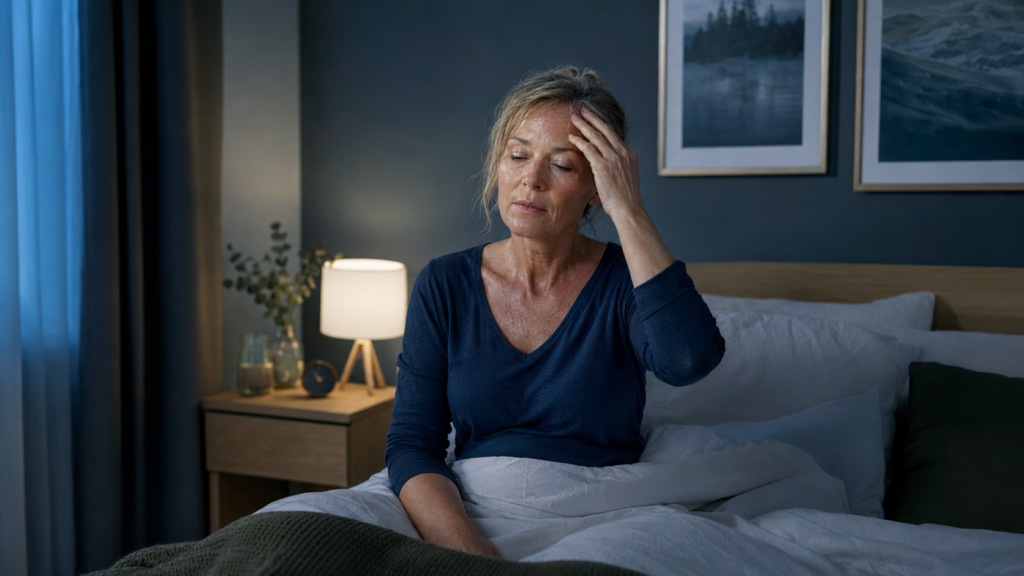
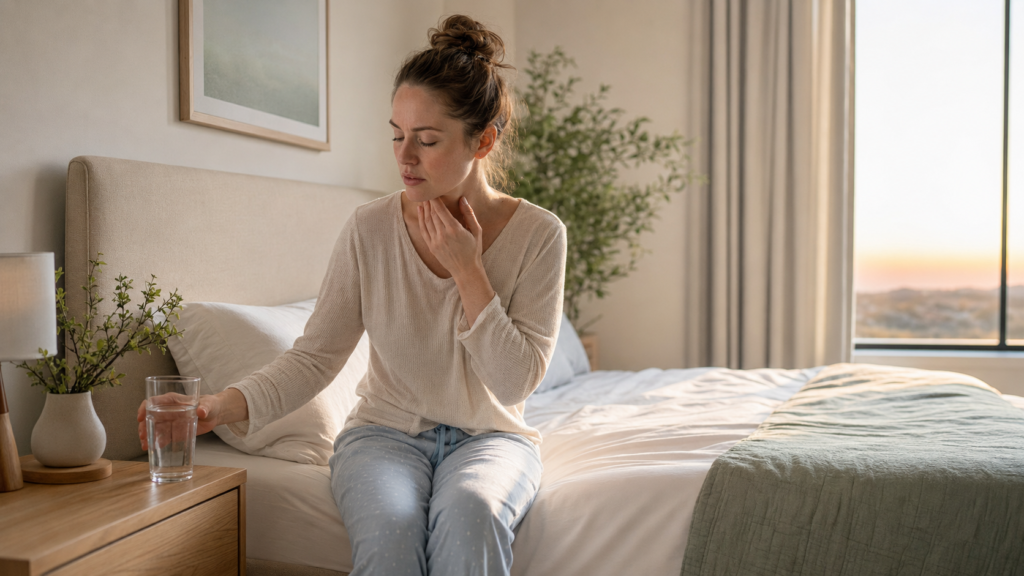
Night sweats do not necessarily change dream content directly. Their more obvious effect is waking the sleeper while a dream is still fresh.
The Cleveland Clinic’s night-sweats guidance identifies menopause as a common contributor and notes that medication, stress, alcohol, and certain medical conditions may also be involved.
How a Night Sweat Can Affect a Dream
A nighttime temperature surge may:
- Begin while the person is dreaming.
- Influence the emotional or physical sensations within the dream.
- Cause an abrupt awakening.
- Produce sweating and a racing heartbeat.
- Make the dream feel frightening or unusually real.
- Make returning to sleep difficult.
- Strengthen recall the following morning.
Physical sensations can sometimes become incorporated into dream content. For example, overheating may be represented as being trapped in a hot room, standing near a fire, or running through an exhausting situation.
Clues That Night Sweats Are Involved
Consider whether vivid dreams:
- Became noticeable when hot flashes began
- Occur on the most uncomfortable nights
- End with waking overheated or drenched
- Improve when the bedroom is cooler
- Follow alcohol, spicy food, or another personal trigger
- Occur alongside repeated bedding changes
- Are followed by difficulty returning to sleep
If temperature symptoms regularly interrupt rest, Why Can’t I Sleep During Menopause? explains how hot flashes, mood changes, hormonal fluctuations, and other factors may combine to disturb sleep.
Do Hormonal Changes Directly Alter Dreams?
Estrogen and progesterone influence multiple systems involved in sleep, mood, and temperature regulation. However, current evidence does not establish a simple rule in which falling hormone levels directly produce vivid dreams.
A more cautious interpretation is that hormonal fluctuations may contribute indirectly by affecting:
- Sleep continuity
- Body-temperature regulation
- Anxiety and mood
- Insomnia symptoms
- REM timing
- Medication use
- Susceptibility to sleep apnea
This distinction matters because not every new dream change during midlife should automatically be attributed to menopause.
A Quick Symptom Check
Ask yourself:
- Did vivid dreams begin during perimenopause?
- Do I awaken during or immediately after the dream?
- Are night sweats waking me?
- Have I recently developed insomnia?
- Are the dreams frightening or merely detailed?
- Did they begin after a medication or supplement change?
- Am I using melatonin?
- Has my alcohol or caffeine intake changed?
- Do I snore, gasp, or stop breathing during sleep?
- Do I physically act out dreams?
- Do I experience severe daytime sleepiness?
- Do hallucinations continue after I am fully awake?
- Are the dreams making me afraid to sleep?
Occasional vivid dreams usually do not require treatment. Seek professional advice when they occur with violent dream enactment, injury, severe daytime sleepiness, breathing pauses, hallucinations during full wakefulness, medication concerns, or significant distress.
3. Insomnia and REM Rebound May Intensify Dreams
Insomnia is one of the most common sleep concerns during perimenopause and menopause. It may involve:
- Difficulty falling asleep
- Frequent nighttime awakenings
- Waking earlier than intended
- Remaining awake after a night sweat
- Light or unrefreshing sleep
- Worrying about whether sleep will come
- Spending excessive time awake in bed
Insomnia does not necessarily create vivid dreams directly. However, insufficient or fragmented sleep can alter the timing of REM sleep and increase opportunities to awaken during a dream.
Does Perimenopause Cause Insomnia? explains how hormonal changes, hot flashes, mood symptoms, and other health factors may contribute to persistent sleep difficulty.
What Is REM Rebound?
REM rebound refers to an increase in REM sleep after REM sleep has been reduced or disrupted. It may occur after:
- Several nights of insufficient sleep
- An unusually short night
- Repeated awakenings
- A major schedule change
- Alcohol-related sleep disruption
- Stopping certain medications
- Recovering from sleep deprivation
During recovery sleep, REM periods may occur sooner, last longer, or feel more intense. If someone awakens during one of these periods, the dream may be unusually detailed and memorable.
Signs That Sleep Loss May Be Involved
Sleep deprivation or REM rebound may contribute when vivid dreams:
- Follow several poor nights
- Become stronger after sleeping late
- Occur during a recovery nap
- Appear after returning to sleep in the morning
- Improve when sleep becomes more regular
- Coincide with increased daytime fatigue
- Begin after stopping alcohol or medication
Do not intentionally reduce sleep to prevent dreaming. Less sleep may worsen emotional regulation, concentration, hot flashes, anxiety, and REM instability.
4. Anxiety and Emotional Stress May Influence Dream Content
Anxiety commonly affects sleep during the menopausal transition. Concerns about health, work, relationships, aging, caregiving, or the symptoms themselves may remain active at bedtime.
Stress may contribute to vivid dreams by:
- Delaying sleep onset
- Increasing nighttime awakenings
- Making dreams more emotionally charged
- Increasing attention to threatening content
- Making it harder to return to sleep
- Strengthening memory of the dream
- Producing anticipatory fear before bedtime
A frightening dream can then create another cycle:
- Stress increases emotional dream content.
- The dream causes an abrupt awakening.
- The person replays the dream mentally.
- Returning to sleep becomes difficult.
- Sleep loss increases the likelihood of further vivid dreaming.
- Bedtime anxiety develops.
If anxious thoughts are repeatedly delaying sleep, How to Calm Anxiety at Night offers practical techniques for reducing mental and physical arousal.
Are Vivid Dreams a Sign of Depression?
Vivid dreams alone do not diagnose depression. However, depression may affect sleep continuity, REM patterns, early-morning waking, and dream content.
Arrange professional support when dream changes occur with:
- Persistent sadness
- Loss of interest or pleasure
- Feelings of hopelessness
- Severe anxiety
- Social withdrawal
- Major appetite changes
- Difficulty functioning
- Thoughts of self-harm
Urgent assistance is necessary when someone may harm themselves or another person.
Can Trauma Cause Vivid Dreams?
Traumatic stress may cause repetitive nightmares, intrusive memories, heightened alertness, and avoidance of sleep. These experiences should not automatically be labeled as a menopause symptom merely because they begin during midlife.
Professional care may be helpful when dreams:
- Recreate a traumatic event
- Cause panic upon waking
- Lead to fear of sleeping
- Occur several times per week
- Produce significant daytime distress
- Accompany flashbacks or hypervigilance
Trauma-related nightmares may require a different treatment approach from ordinary vivid dreams caused by fragmented sleep.
5. Hormone Therapy and Other Medicines May Affect Dreams
The question can menopause cause vivid dreams becomes more complicated when treatment begins at the same time as the dreams.
Medicines may alter sleep architecture, emotional processing, REM sleep, or the likelihood of awakening. Possible contributors include certain:
- Antidepressants
- Sleep medicines
- Beta-blockers
- Blood-pressure medicines
- Dopaminergic medicines
- Nicotine-replacement products
- Antihistamines
- Pain medicines
- Corticosteroids
- Hormonal treatments
This does not mean that these medicines commonly cause vivid dreams or should be avoided. Effects vary according to the medicine, dose, timing, combination, and individual response.
Could Hormone Therapy Cause Vivid Dreams?
Menopausal hormone therapy is not universally associated with vivid dreams. It may improve sleep when it reduces disruptive hot flashes and night sweats. However, an individual may notice dream changes after starting treatment, changing the dose, or switching products.
Record:
- The treatment name
- Estrogen and progesterone components
- Dose and delivery method
- Time of use
- Date treatment began
- Date vivid dreams began
- Changes in night sweats
- Changes in mood
- Other medicines and supplements
Do not stop hormone therapy abruptly because of vivid dreams without discussing the symptoms with the prescribing clinician.
Antidepressants and Dreams
Some antidepressants affect REM sleep and may change dream intensity or recall. Dream changes may also occur after:
- Starting treatment
- Increasing or decreasing the dose
- Missing doses
- Changing the time of administration
- Switching medicines
- Stopping medication abruptly
Because antidepressant discontinuation can cause withdrawal symptoms, medication changes should be supervised.
Beta-Blockers
Some people taking beta-blockers report unusual dreams or nightmares. These medicines may be prescribed for high blood pressure, heart conditions, migraine prevention, tremor, or anxiety symptoms.
If vivid dreams begin after starting a beta-blocker, record the timeline and discuss it with a doctor or pharmacist. Never stop a cardiovascular medicine suddenly without medical advice.
6. Melatonin and Sleep Supplements May Change Dream Recall
Melatonin helps regulate sleep timing. Some people report vivid dreams after taking it, although responses differ considerably.
Possible explanations include:
- Sleeping during a different biological window
- Awakening during REM sleep
- Taking more than needed
- Using the product at an unsuitable time
- Combining it with other sedating products
- Greater attention to sleep after beginning the supplement
If dreams began after starting melatonin, record:
- Brand and formulation
- Dose
- Time taken
- Additional ingredients
- Bedtime and wake time
- Dream intensity
- Nighttime awakenings
- Morning grogginess
A higher dose is not automatically more effective. Melatonin is a timing signal, not a contest to see how many milligrams can fit into one gummy.
What About Herbal Sleep Remedies?
Products containing valerian, passionflower, hops, chamomile, lavender, or multiple blended ingredients may affect people differently. “Natural” does not guarantee that a product is free from side effects or interactions.
Check with a doctor or pharmacist when supplements are combined with:
- Prescription sleep medicine
- Antidepressants
- Sedatives
- Blood thinners
- Alcohol
- Hormone therapy
- Medicines for seizures
- Other products causing drowsiness
7. Alcohol, Caffeine, and Nicotine May Disrupt Sleep
These substances are not established as direct menopause-specific causes of vivid dreams, but they may alter sleep timing and continuity.
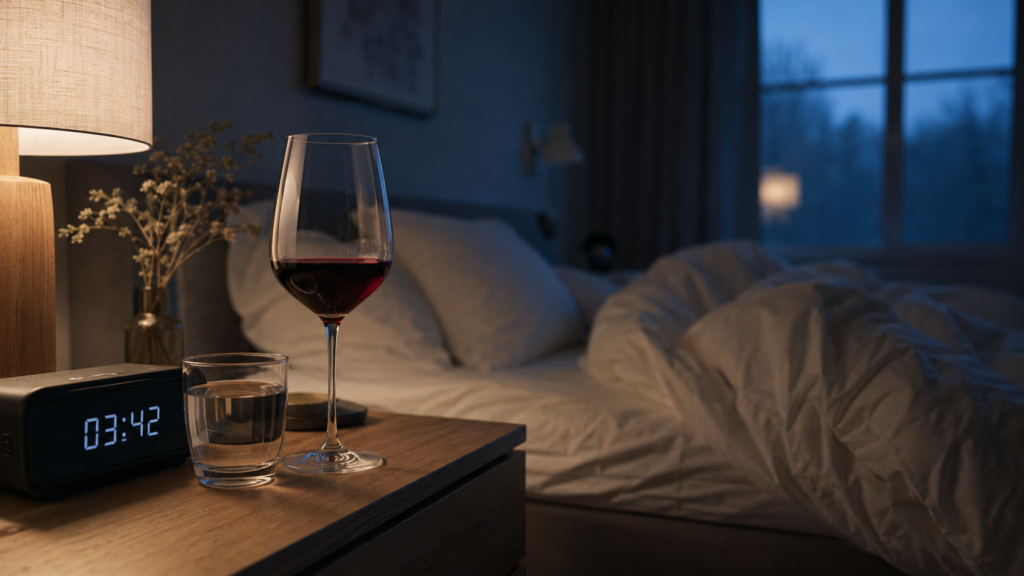
Alcohol
Alcohol may shorten the time needed to fall asleep but often fragments sleep later in the night. It may also worsen:
- Night sweats
- Snoring
- Sleep apnea
- Early awakening
- Dehydration
- Medication interactions
- Morning fatigue
As alcohol wears off, sleep may become lighter and REM sleep may rebound. This can increase dream recall toward morning.
Compare dreams on nights with and without alcohol while also recording quantity and timing. Anyone who drinks heavily or regularly should seek medical advice before stopping abruptly because withdrawal can be dangerous.
Caffeine
Late caffeine can delay sleep, reduce total sleep time, and increase awakenings. Sources include:
- Coffee
- Tea
- Cola
- Energy drinks
- Chocolate
- Pre-workout supplements
- Some headache medicines
Moving caffeine earlier may help if it contributes to insomnia. The appropriate cutoff varies because caffeine sensitivity and metabolism differ.
Nicotine
Nicotine is stimulating and may make sleep lighter. Withdrawal during the night can also cause awakenings in regular users. Nicotine patches worn overnight have been associated with vivid dreams in some people.
Discuss dosing and timing with a healthcare professional rather than abandoning a smoking-cessation plan.
8. Obstructive Sleep Apnea May Cause Repeated Awakenings
Obstructive sleep apnea causes repeated narrowing or closure of the airway during sleep. The resulting arousals may occur during REM sleep and make dreams easier to recall.
Possible signs include:
- Loud habitual snoring
- Witnessed breathing pauses
- Gasping or choking
- Dry mouth
- Morning headaches
- Frequent nighttime urination
- Restless or sweaty sleep
- Unrefreshing sleep
- Difficulty concentrating
- Severe daytime sleepiness
Sleep-apnea risk increases after menopause. Hormonal changes, aging, airway anatomy, and changes in body composition may all contribute.
Can Menopause Cause Sleep Apnea? explains symptoms, risk factors, testing, and treatment in greater detail.
Are Choking Dreams a Sign of Sleep Apnea?
A dream about drowning, suffocating, or being unable to breathe does not diagnose sleep apnea. However, breathing difficulty may sometimes become incorporated into dream content before an awakening.
Medical assessment is appropriate when these dreams occur with:
- Loud snoring
- Witnessed breathing pauses
- Waking while choking
- Morning headaches
- High blood pressure
- Severe daytime sleepiness
- Drowsiness while driving
Dream content alone cannot confirm the cause. A home sleep-apnea test or overnight sleep study may be needed.
9. A Parasomnia or Another Sleep Disorder May Be Involved
Most vivid dreams are harmless, but some nighttime experiences require a closer look.
Nightmare Disorder
Nightmare disorder involves repeated, distressing, well-remembered dreams that cause significant sleep disruption or daytime impairment.
Possible signs include:
- Frequent frightening dreams
- Rapid alertness after waking
- Clear memory of dream content
- Fear of returning to sleep
- Difficulty concentrating the next day
- Mood disturbance
- Persistent distress
Occasional nightmares after stress are common. Recurrent nightmares that affect daily life may benefit from professional treatment.
REM Sleep Behavior Disorder
REM sleep behavior disorder involves physically acting out dreams. A person may shout, kick, punch, grab, or fall from bed.
Seek medical evaluation for new adult dream enactment, particularly when:
- Movements are forceful
- Injuries occur
- A partner is struck
- Episodes recur
- The behavior begins after a medication change
- Other neurological symptoms are present
A vivid dream with no physical enactment is not the same condition.
Narcolepsy
Narcolepsy affects the regulation of sleep and wakefulness. Possible symptoms include:
- Severe daytime sleepiness
- Unintentional sleep episodes
- Sleep paralysis
- Vivid dreamlike experiences while falling asleep or waking
- Disrupted nighttime sleep
- Sudden muscle weakness triggered by emotion
Recurrent vivid dreams accompanied by sleep attacks, temporary paralysis, or emotion-triggered muscle weakness require evaluation by a sleep specialist.
Hallucinations During Full Wakefulness
Dream imagery may briefly continue while falling asleep or waking. However, seeing or hearing things while fully awake during the daytime is not simply a vivid dream.
Seek medical advice when hallucinations:
- Continue after complete awakening
- Occur away from sleep transitions
- Cause unsafe behavior
- Begin after a medication or substance change
- Occur with confusion, fever, or neurological symptoms
What Should You Track?
Keep a dream and sleep diary for at least two weeks.
| Information | What to record |
|---|---|
| Sleep schedule | Bedtime, estimated sleep time, wake time |
| Dream timing | Beginning, middle, or end of the night |
| Dream type | Pleasant, strange, frightening, or repetitive |
| Awakening | Whether the dream caused you to wake |
| Menopause symptoms | Hot flashes, sweating, chills, or palpitations |
| Sleep quality | Awakenings and estimated total sleep |
| Medication | Name, dose, timing, and recent changes |
| Supplements | Melatonin, herbal blends, CBD, or sleep aids |
| Substances | Alcohol, caffeine, and nicotine timing |
| Breathing signs | Snoring, choking, or witnessed pauses |
| Movement | Talking, shouting, kicking, or falling from bed |
| Daytime symptoms | Sleepiness, mood changes, or impaired concentration |
Tracking may reveal that dreams follow night sweats, insufficient sleep, alcohol, melatonin, medication changes, or repeated morning awakenings.
When Should You Seek Medical Advice?
Arrange an assessment when vivid dreams:
- Occur frequently and cause significant distress
- Make you afraid to sleep
- Begin after a medication change
- Involve violent dream enactment
- Cause injury to you or a partner
- Occur with severe daytime sleepiness
- Accompany sleep attacks or sudden muscle weakness
- Occur with loud snoring or breathing pauses
- Continue as hallucinations during full wakefulness
- Are associated with trauma symptoms or severe mood changes
Seek urgent help for:
- Thoughts of self-harm
- Serious injury during sleep
- Persistent difficulty breathing
- New confusion
- A seizure
- New neurological weakness
- Hallucinations causing immediate danger
The practical answer to can menopause cause vivid dreams is still indirect. Menopause-related insomnia, night sweats, stress, medication changes, and sleep apnea may increase dream intensity or recall, but persistent warning signs deserve proper evaluation.
What to Do Immediately After a Disturbing Vivid Dream
A vivid dream can leave fear, sadness, anger, or confusion lingering after waking. The first goal is not to interpret the dream but to reorient yourself and reduce physical arousal.
Try these steps:
- Remind yourself that you are awake and safe.
- Look at familiar objects in the room.
- Take several slow breaths without forcing them.
- Notice the mattress, pillow, and bedding beneath you.
- Turn on a low, warm light if needed.
- Check whether you are overheated, sweating, or short of breath.
- Write down only a few key details.
- Avoid searching for frightening dream meanings at 3 a.m.
- Return to bed when you feel calmer and sleepy.
If the dream involved choking or breathlessness, note whether you also awoke gasping, had a dry mouth, or were told that you snore. Repeated breathing symptoms should be medically assessed.
Should You Analyze the Dream Immediately?
Usually, no. Trying to decode every detail while emotionally activated may increase anxiety and make returning to sleep harder.
Instead, record:
- Approximate time
- Main emotion
- Whether the dream caused awakening
- Presence of a hot flash or night sweat
- Sleep position
- Alcohol, caffeine, or melatonin use
- Recent medication changes
- Any shouting, kicking, or falling
- How long it took to return to sleep
Review patterns during the daytime rather than treating each dream as an urgent message from the subconscious. The brain occasionally produces midnight cinema without submitting a sensible script.
How to Reduce Vivid Dreams During Menopause
The answer to can menopause cause vivid dreams is generally indirect, so prevention should focus on the factors disrupting sleep and increasing dream recall.
1. Keep a Consistent Wake Time
A regular wake time helps stabilize the body clock, even after a difficult night.
Aim to:
- Wake at approximately the same time daily
- Avoid repeatedly pressing the snooze button
- Get morning daylight
- Eat and exercise at reasonably consistent times
- Avoid sleeping excessively late after poor sleep
- Adjust schedules gradually when possible
Repeatedly waking and returning to sleep in the morning can create several transitions between REM sleep and wakefulness, increasing opportunities to remember dreams.
2. Allow Enough Time for Sleep
Chronic sleep restriction may worsen insomnia, emotional reactivity, and REM rebound.
Most adults need roughly seven to nine hours of sleep, although individual needs vary. Choose a realistic sleep window based on your required wake time rather than going to bed extremely early and remaining awake for hours.
Helpful practices include:
- Protecting sufficient sleep opportunity
- Avoiding unnecessary late-night work
- Keeping naps brief and earlier when needed
- Limiting long weekend sleep-ins
- Returning gradually to a regular schedule after travel
- Seeking help for persistent insomnia
Do not deliberately shorten sleep to avoid dreaming. Sleep deprivation may make subsequent dreams more intense.
3. Manage Hot Flashes and Night Sweats
If temperature symptoms repeatedly wake you from dreams, improving thermal comfort may reduce dream recall and make it easier to return to sleep.
Consider:
- Keeping the bedroom comfortably cool
- Using a quiet fan
- Wearing lightweight, breathable sleepwear
- Choosing layered bedding
- Keeping dry clothes nearby
- Using moisture-wicking sheets when helpful
- Avoiding excessively heavy duvets
- Tracking personal food or alcohol triggers
- Discussing severe symptoms with a clinician
What Is the Best Temperature for Sleep? explains how room temperature, humidity, airflow, bedding, and individual comfort interact.
Cooling the room may reduce awakenings, but it will not treat sleep apnea, medication effects, nightmare disorder, or another underlying condition.
4. Create a Brief Wind-Down Routine
A predictable routine may reduce emotional arousal and make sleep timing more stable.
During the final 30–60 minutes before bed, try:
- Dimming bright lights
- Ending demanding work
- Avoiding upsetting news
- Writing down unfinished tasks
- Taking a lukewarm shower
- Practicing slow breathing
- Reading something calming
- Listening to quiet music
- Performing gentle stretches
- Preparing cooling items for the night
Keep the routine simple enough to repeat. A bedtime routine should calm the nervous system, not become a second job with scented candles.
5. Reduce Bedtime Anxiety
Fear of another disturbing dream can itself delay sleep and increase nighttime alertness.
Helpful strategies include:
- Labeling a dream as a temporary sleep experience
- Avoiding catastrophic interpretations
- Scheduling worry time earlier in the evening
- Writing tomorrow’s tasks before bed
- Using grounding techniques after waking
- Avoiding repeated clock-checking
- Leaving bed briefly if fully awake and frustrated
- Returning when sleepiness returns
When anxiety remains intense or persistent, cognitive behavioral therapy or counseling may help address both nighttime worry and fear of sleep.
6. Review Melatonin and Other Supplements
If vivid dreams began soon after starting a sleep product, compare the timing carefully.
Record:
- Product name
- Dose
- Time taken
- Additional ingredients
- Dream intensity
- Number of awakenings
- Morning grogginess
- Other medicines or alcohol used that evening
Do not assume a larger melatonin dose will improve sleep. Ask a doctor or pharmacist whether the product, dose, timing, or combination may be contributing.
Supplements should not be combined casually with prescription sedatives, antidepressants, alcohol, or other products that cause drowsiness.
7. Review Prescription and Nonprescription Medicines
Prepare a complete list of:
- Hormone therapy
- Antidepressants
- Blood-pressure medicines
- Beta-blockers
- Sleep medicines
- Antihistamines
- Corticosteroids
- Pain medicines
- Nicotine-replacement products
- Herbal products
- CBD or cannabis products
- Alcohol use
Include doses, timing, recent changes, missed doses, and the date vivid dreams began.
Do not abruptly stop prescribed medication. A clinician or pharmacist can review whether starting, stopping, changing the dose, or altering the timing may be relevant.
8. Adjust Alcohol, Caffeine, and Nicotine Timing
Alcohol can initially cause drowsiness but fragment sleep later and contribute to REM rebound toward morning.
Consider:
- Comparing alcohol-free nights with drinking nights
- Avoiding alcohol close to bedtime
- Never mixing alcohol with sedating medication without approval
- Moving caffeine earlier
- Checking energy drinks and medicines for caffeine
- Discussing overnight nicotine-patch use if dreams become disruptive
- Recording the timing of each substance
People who drink heavily should not stop suddenly without medical guidance because withdrawal may be dangerous.
9. Address Persistent Insomnia
Basic sleep habits may not be enough when insomnia has become chronic.
Cognitive behavioral therapy for insomnia, or CBT-I, may help by:
- Stabilizing sleep timing
- Reducing excessive time awake in bed
- Strengthening the connection between bed and sleep
- Addressing anxiety about poor sleep
- Developing a plan for nighttime awakenings
- Using relaxation methods more effectively
CBT-I can be adapted around hot flashes, pain, mood symptoms, caregiving responsibilities, and other menopause-related challenges.
10. Arrange Assessment for Sleep Apnea
Ask a healthcare professional about sleep-apnea testing when vivid dreams occur with:
- Loud habitual snoring
- Witnessed breathing pauses
- Gasping or choking
- Morning headaches
- Dry mouth
- Frequent nighttime urination
- High blood pressure
- Unrefreshing sleep
- Severe daytime sleepiness
- Drowsiness while driving
Testing may involve a home sleep-apnea test or overnight sleep study. Treating breathing-related awakenings may reduce fragmented sleep and repeated dream recall.
11. Make the Bedroom Safer if Dreams Are Acted Out
Simply remembering a vivid dream does not require special safety measures. However, shouting, punching, kicking, jumping from bed, or falling may indicate dream enactment.
Until professional evaluation:
- Move sharp objects away from the bed
- Clear clutter from the floor
- Cushion nearby hard surfaces
- Secure windows
- Consider temporarily separating sleeping spaces if a partner is being struck
- Avoid restraining the sleeper
- Record episodes when safe
- Note any medication changes
New or forceful dream enactment should not be dismissed as an ordinary menopause symptom.
Can Menopause Treatment Reduce Vivid Dreams?
Menopause treatment is not a specific treatment for vivid dreams. It may help indirectly if hot flashes, night sweats, anxiety, or insomnia are repeatedly interrupting sleep.
Depending on symptoms and medical history, a healthcare professional may discuss:
- Lifestyle adjustments
- Menopausal hormone therapy
- Nonhormonal treatment for hot flashes
- CBT-I
- Mental-health support
- Medication changes
- Sleep-apnea testing
- Referral to a sleep specialist
Hormone therapy may improve sleep for some people by reducing vasomotor symptoms, but its suitability depends on individual benefits, risks, age, medical history, and treatment timing.
If dreams are related to medication, trauma, sleep apnea, narcolepsy, nightmare disorder, or REM sleep behavior disorder, treating menopause symptoms alone may not resolve them.
Is Medication Needed for Vivid Dreams?
Occasional vivid dreams generally do not require medication.
Treatment is more likely to focus on the contributing problem, such as:
- Hot flashes
- Chronic insomnia
- Anxiety or depression
- Trauma-related nightmares
- Sleep apnea
- Medication side effects
- Substance use
- Nightmare disorder
- Narcolepsy
- REM sleep behavior disorder
Clinicians may use specific therapies for recurring nightmares or other diagnosed sleep disorders, but treatment depends on the underlying cause. Do not self-treat recurring dreams with sedatives or unverified supplements.
A Two-Week Action Plan
Days 1–3
- Begin a sleep-and-dream diary.
- Establish a consistent wake time.
- Record dream timing and emotional tone.
- Note hot flashes and night sweats.
- List all medicines and supplements.
- Ask a partner about snoring or dream enactment.
- Identify recent changes in stress or sleep.
Days 4–7
- Allow sufficient time for sleep.
- Move caffeine earlier.
- Avoid evening alcohol.
- Keep the bedroom comfortably cool.
- Begin a brief wind-down routine.
- Limit repeated snoozing.
- Review melatonin dose and timing with a professional if relevant.
Days 8–14
- Continue the regular wake time.
- Compare dreams with sleep duration.
- Compare dreams with hot flashes and alcohol use.
- Note whether dreams occur mainly toward morning.
- Review medication and supplement patterns.
- Record snoring, gasping, or physical movements.
- Arrange an assessment if warning signs remain.
Change only a few factors at a time when possible. Otherwise, the diary may confirm that something changed without revealing which heroic intervention deserves the credit.
When Should You See a Sleep Specialist?
Arrange professional evaluation when vivid dreams:
- Occur frequently and cause significant distress
- Make you avoid or fear sleep
- Continue despite regular, sufficient sleep
- Begin after a medication change
- Occur with severe daytime sleepiness
- Accompany sleep attacks
- Occur with sleep paralysis or sudden muscle weakness
- Include violent dream enactment
- Cause injury to you or a partner
- Occur with loud snoring or breathing pauses
- Are difficult to distinguish from seizures
- Continue as hallucinations after full awakening
An evaluation may include:
- A detailed sleep history
- A two-week sleep diary
- Medication and substance review
- Menopause-symptom assessment
- Mental-health screening
- Sleep-apnea testing
- Overnight polysomnography
- Additional testing when narcolepsy is suspected
What Not to Do
Avoid:
- Assuming every vivid dream is directly caused by menopause
- Intentionally reducing sleep to suppress dreams
- Using alcohol as a sleep aid
- Abruptly stopping prescribed medication
- Increasing melatonin without professional guidance
- Treating dream symbolism as a medical diagnosis
- Ignoring snoring or breathing pauses
- Dismissing violent dream enactment
- Driving while severely sleepy
- Relying only on supplements for recurring symptoms
The practical answer to can menopause cause vivid dreams remains nuanced. Menopause-related sleep disruption may increase dream intensity or recall, but consistent sleep, trigger tracking, symptom management, and evaluation of warning signs provide the most useful path forward.
What to Do Immediately After a Disturbing Vivid Dream
A vivid dream can leave fear, sadness, anger, or confusion lingering after waking. The first goal is not to interpret the dream but to reorient yourself and reduce physical arousal.
Try these steps:
- Remind yourself that you are awake and safe.
- Look at familiar objects in the room.
- Take several slow breaths without forcing them.
- Notice the mattress, pillow, and bedding beneath you.
- Turn on a low, warm light if needed.
- Check whether you are overheated, sweating, or short of breath.
- Write down only a few key details.
- Avoid searching for frightening dream meanings at 3 a.m.
- Return to bed when you feel calmer and sleepy.
If the dream involved choking or breathlessness, note whether you also awoke gasping, had a dry mouth, or were told that you snore. Repeated breathing symptoms should be medically assessed.
Should You Analyze the Dream Immediately?
Usually, no. Trying to decode every detail while emotionally activated may increase anxiety and make returning to sleep harder.
Instead, record:
- Approximate time
- Main emotion
- Whether the dream caused awakening
- Presence of a hot flash or night sweat
- Sleep position
- Alcohol, caffeine, or melatonin use
- Recent medication changes
- Any shouting, kicking, or falling
- How long it took to return to sleep
Review patterns during the daytime rather than treating each dream as an urgent message from the subconscious. The brain occasionally produces midnight cinema without submitting a sensible script.
How to Reduce Vivid Dreams During Menopause
The answer to can menopause cause vivid dreams is generally indirect, so prevention should focus on the factors disrupting sleep and increasing dream recall.
1. Keep a Consistent Wake Time
A regular wake time helps stabilize the body clock, even after a difficult night.
Aim to:
- Wake at approximately the same time daily
- Avoid repeatedly pressing the snooze button
- Get morning daylight
- Eat and exercise at reasonably consistent times
- Avoid sleeping excessively late after poor sleep
- Adjust schedules gradually when possible
Repeatedly waking and returning to sleep in the morning can create several transitions between REM sleep and wakefulness, increasing opportunities to remember dreams.
2. Allow Enough Time for Sleep
Chronic sleep restriction may worsen insomnia, emotional reactivity, and REM rebound.
Most adults need roughly seven to nine hours of sleep, although individual needs vary. Choose a realistic sleep window based on your required wake time rather than going to bed extremely early and remaining awake for hours.
Helpful practices include:
- Protecting sufficient sleep opportunity
- Avoiding unnecessary late-night work
- Keeping naps brief and earlier when needed
- Limiting long weekend sleep-ins
- Returning gradually to a regular schedule after travel
- Seeking help for persistent insomnia
Do not deliberately shorten sleep to avoid dreaming. Sleep deprivation may make subsequent dreams more intense.
3. Manage Hot Flashes and Night Sweats
If temperature symptoms repeatedly wake you from dreams, improving thermal comfort may reduce dream recall and make it easier to return to sleep.
Consider:
- Keeping the bedroom comfortably cool
- Using a quiet fan
- Wearing lightweight, breathable sleepwear
- Choosing layered bedding
- Keeping dry clothes nearby
- Using moisture-wicking sheets when helpful
- Avoiding excessively heavy duvets
- Tracking personal food or alcohol triggers
- Discussing severe symptoms with a clinician
What Is the Best Temperature for Sleep? explains how room temperature, humidity, airflow, bedding, and individual comfort interact.
Cooling the room may reduce awakenings, but it will not treat sleep apnea, medication effects, nightmare disorder, or another underlying condition.
4. Create a Brief Wind-Down Routine
A predictable routine may reduce emotional arousal and make sleep timing more stable.
During the final 30–60 minutes before bed, try:
- Dimming bright lights
- Ending demanding work
- Avoiding upsetting news
- Writing down unfinished tasks
- Taking a lukewarm shower
- Practicing slow breathing
- Reading something calming
- Listening to quiet music
- Performing gentle stretches
- Preparing cooling items for the night
Keep the routine simple enough to repeat. A bedtime routine should calm the nervous system, not become a second job with scented candles.
5. Reduce Bedtime Anxiety
Fear of another disturbing dream can itself delay sleep and increase nighttime alertness.
Helpful strategies include:
- Labeling a dream as a temporary sleep experience
- Avoiding catastrophic interpretations
- Scheduling worry time earlier in the evening
- Writing tomorrow’s tasks before bed
- Using grounding techniques after waking
- Avoiding repeated clock-checking
- Leaving bed briefly if fully awake and frustrated
- Returning when sleepiness returns
When anxiety remains intense or persistent, cognitive behavioral therapy or counseling may help address both nighttime worry and fear of sleep.
6. Review Melatonin and Other Supplements
If vivid dreams began soon after starting a sleep product, compare the timing carefully.
Record:
- Product name
- Dose
- Time taken
- Additional ingredients
- Dream intensity
- Number of awakenings
- Morning grogginess
- Other medicines or alcohol used that evening
Do not assume a larger melatonin dose will improve sleep. Ask a doctor or pharmacist whether the product, dose, timing, or combination may be contributing.
Supplements should not be combined casually with prescription sedatives, antidepressants, alcohol, or other products that cause drowsiness.
7. Review Prescription and Nonprescription Medicines
Prepare a complete list of:
- Hormone therapy
- Antidepressants
- Blood-pressure medicines
- Beta-blockers
- Sleep medicines
- Antihistamines
- Corticosteroids
- Pain medicines
- Nicotine-replacement products
- Herbal products
- CBD or cannabis products
- Alcohol use
Include doses, timing, recent changes, missed doses, and the date vivid dreams began.
Do not abruptly stop prescribed medication. A clinician or pharmacist can review whether starting, stopping, changing the dose, or altering the timing may be relevant.
8. Adjust Alcohol, Caffeine, and Nicotine Timing
Alcohol can initially cause drowsiness but fragment sleep later and contribute to REM rebound toward morning.
Consider:
- Comparing alcohol-free nights with drinking nights
- Avoiding alcohol close to bedtime
- Never mixing alcohol with sedating medication without approval
- Moving caffeine earlier
- Checking energy drinks and medicines for caffeine
- Discussing overnight nicotine-patch use if dreams become disruptive
- Recording the timing of each substance
People who drink heavily should not stop suddenly without medical guidance because withdrawal may be dangerous.
9. Address Persistent Insomnia
Basic sleep habits may not be enough when insomnia has become chronic.
Cognitive behavioral therapy for insomnia, or CBT-I, may help by:
- Stabilizing sleep timing
- Reducing excessive time awake in bed
- Strengthening the connection between bed and sleep
- Addressing anxiety about poor sleep
- Developing a plan for nighttime awakenings
- Using relaxation methods more effectively
CBT-I can be adapted around hot flashes, pain, mood symptoms, caregiving responsibilities, and other menopause-related challenges.
10. Arrange Assessment for Sleep Apnea
Ask a healthcare professional about sleep-apnea testing when vivid dreams occur with:
- Loud habitual snoring
- Witnessed breathing pauses
- Gasping or choking
- Morning headaches
- Dry mouth
- Frequent nighttime urination
- High blood pressure
- Unrefreshing sleep
- Severe daytime sleepiness
- Drowsiness while driving
Testing may involve a home sleep-apnea test or overnight sleep study. Treating breathing-related awakenings may reduce fragmented sleep and repeated dream recall.
11. Make the Bedroom Safer if Dreams Are Acted Out
Simply remembering a vivid dream does not require special safety measures. However, shouting, punching, kicking, jumping from bed, or falling may indicate dream enactment.
Until professional evaluation:
- Move sharp objects away from the bed
- Clear clutter from the floor
- Cushion nearby hard surfaces
- Secure windows
- Consider temporarily separating sleeping spaces if a partner is being struck
- Avoid restraining the sleeper
- Record episodes when safe
- Note any medication changes
New or forceful dream enactment should not be dismissed as an ordinary menopause symptom.
Can Menopause Treatment Reduce Vivid Dreams?
Menopause treatment is not a specific treatment for vivid dreams. It may help indirectly if hot flashes, night sweats, anxiety, or insomnia are repeatedly interrupting sleep.
Depending on symptoms and medical history, a healthcare professional may discuss:
- Lifestyle adjustments
- Menopausal hormone therapy
- Nonhormonal treatment for hot flashes
- CBT-I
- Mental-health support
- Medication changes
- Sleep-apnea testing
- Referral to a sleep specialist
Hormone therapy may improve sleep for some people by reducing vasomotor symptoms, but its suitability depends on individual benefits, risks, age, medical history, and treatment timing.
If dreams are related to medication, trauma, sleep apnea, narcolepsy, nightmare disorder, or REM sleep behavior disorder, treating menopause symptoms alone may not resolve them.
Is Medication Needed for Vivid Dreams?
Occasional vivid dreams generally do not require medication.
Treatment is more likely to focus on the contributing problem, such as:
- Hot flashes
- Chronic insomnia
- Anxiety or depression
- Trauma-related nightmares
- Sleep apnea
- Medication side effects
- Substance use
- Nightmare disorder
- Narcolepsy
- REM sleep behavior disorder
Clinicians may use specific therapies for recurring nightmares or other diagnosed sleep disorders, but treatment depends on the underlying cause. Do not self-treat recurring dreams with sedatives or unverified supplements.
A Two-Week Action Plan
Days 1–3
- Begin a sleep-and-dream diary.
- Establish a consistent wake time.
- Record dream timing and emotional tone.
- Note hot flashes and night sweats.
- List all medicines and supplements.
- Ask a partner about snoring or dream enactment.
- Identify recent changes in stress or sleep.
Days 4–7
- Allow sufficient time for sleep.
- Move caffeine earlier.
- Avoid evening alcohol.
- Keep the bedroom comfortably cool.
- Begin a brief wind-down routine.
- Limit repeated snoozing.
- Review melatonin dose and timing with a professional if relevant.
Days 8–14
- Continue the regular wake time.
- Compare dreams with sleep duration.
- Compare dreams with hot flashes and alcohol use.
- Note whether dreams occur mainly toward morning.
- Review medication and supplement patterns.
- Record snoring, gasping, or physical movements.
- Arrange an assessment if warning signs remain.
Change only a few factors at a time when possible. Otherwise, the diary may confirm that something changed without revealing which heroic intervention deserves the credit.
When Should You See a Sleep Specialist?
Arrange professional evaluation when vivid dreams:
- Occur frequently and cause significant distress
- Make you avoid or fear sleep
- Continue despite regular, sufficient sleep
- Begin after a medication change
- Occur with severe daytime sleepiness
- Accompany sleep attacks
- Occur with sleep paralysis or sudden muscle weakness
- Include violent dream enactment
- Cause injury to you or a partner
- Occur with loud snoring or breathing pauses
- Are difficult to distinguish from seizures
- Continue as hallucinations after full awakening
An evaluation may include:
- A detailed sleep history
- A two-week sleep diary
- Medication and substance review
- Menopause-symptom assessment
- Mental-health screening
- Sleep-apnea testing
- Overnight polysomnography
- Additional testing when narcolepsy is suspected
What Not to Do
Avoid:
- Assuming every vivid dream is directly caused by menopause
- Intentionally reducing sleep to suppress dreams
- Using alcohol as a sleep aid
- Abruptly stopping prescribed medication
- Increasing melatonin without professional guidance
- Treating dream symbolism as a medical diagnosis
- Ignoring snoring or breathing pauses
- Dismissing violent dream enactment
- Driving while severely sleepy
- Relying only on supplements for recurring symptoms
The practical answer to can menopause cause vivid dreams remains nuanced. Menopause-related sleep disruption may increase dream intensity or recall, but consistent sleep, trigger tracking, symptom management, and evaluation of warning signs provide the most useful path forward.
Frequently Asked Questions
Can menopause cause vivid dreams every night?
Menopause is not proven to cause vivid dreams directly. However, night sweats, insomnia, anxiety, repeated awakenings, medication changes, and sleep apnea may make dreams more intense or easier to remember every night.
If vivid dreams occur nightly and cause distress, fear of sleep, daytime fatigue, or impaired concentration, discuss them with a healthcare professional.
Why have my dreams become more vivid during perimenopause?
Hormonal fluctuations during perimenopause may disrupt temperature regulation, mood, and sleep continuity. Waking during or immediately after REM sleep makes dream content easier to remember, so dreams may seem more frequent or unusually realistic.
Can low estrogen cause vivid dreams?
There is not enough evidence to conclude that low estrogen directly causes vivid dreams. Changes in estrogen may indirectly contribute through hot flashes, insomnia, anxiety, mood changes, and fragmented sleep.
Can night sweats cause strange dreams?
Night sweats may wake you during a dream and make it easier to remember. Physical sensations such as heat, sweating, or a racing heartbeat may also become incorporated into dream content.
For example, overheating might appear in a dream as fire, running, being trapped, or standing in an extremely hot place.
Does menopause hormone therapy cause vivid dreams?
Menopausal hormone therapy does not cause vivid dreams in everyone. It may improve sleep when it reduces hot flashes and night sweats, but some people notice dream changes after beginning treatment, changing the dose, or switching products.
Do not stop hormone therapy abruptly. Record the timing of symptoms and discuss possible treatment effects with the prescribing clinician.
Can melatonin make dreams more vivid?
Some people report unusually vivid dreams after taking melatonin. The response may depend on the dose, timing, formulation, additional ingredients, sleep schedule, and other medicines or supplements.
If vivid dreams began after starting melatonin, record the product and dosage and ask a doctor or pharmacist whether an adjustment is appropriate.
Why are my dreams most vivid in the morning?
REM sleep periods usually become longer toward morning. Waking from a longer REM period—especially after pressing snooze, sleeping late, experiencing a hot flash, or returning to sleep—can make a dream feel exceptionally detailed and memorable.
Are vivid dreams dangerous?
Occasional vivid dreams are generally harmless. They become more concerning when they:
- Cause significant emotional distress
- Make you afraid to sleep
- Lead to chronic sleep loss
- Occur with violent movements
- Cause injury
- Accompany severe daytime sleepiness
- Occur with breathing pauses
- Continue as hallucinations during full wakefulness
What is the difference between vivid dreams and nightmares?
A vivid dream may be pleasant, neutral, strange, or frightening. A nightmare is specifically distressing and usually causes awakening.
Both can be detailed and memorable, but nightmares are more likely to produce fear, a racing heartbeat, difficulty returning to sleep, and anxiety about sleeping again.
Is acting out vivid dreams normal during menopause?
No. Shouting, punching, kicking, grabbing, jumping from bed, or falling while dreaming should not automatically be attributed to menopause.
New or forceful dream enactment may require assessment for REM sleep behavior disorder, medication effects, sleep apnea, seizures, or another condition.
Can sleep apnea cause vivid dreams?
Sleep apnea may repeatedly interrupt REM sleep, making dreams easier to remember. Breathing difficulty may occasionally become part of dream content, but dreams about choking or suffocation cannot diagnose sleep apnea.
Seek medical assessment when vivid dreams accompany loud snoring, witnessed breathing pauses, gasping, morning headaches, or severe daytime sleepiness.
How can I stop vivid dreams during menopause?
You may not need to eliminate ordinary vivid dreams. Instead, address factors that disturb sleep:
- Maintain a consistent wake time
- Allow enough time for sleep
- Manage hot flashes and night sweats
- Keep the bedroom comfortably cool
- Move caffeine earlier
- Reduce evening alcohol
- Review medicines and supplements
- Treat persistent insomnia
- Seek testing for suspected sleep apnea
- Use a two-week sleep-and-dream diary
Final Thoughts
Can menopause cause vivid dreams? Menopause is not established as a direct cause, but the menopausal transition may create ideal conditions for more intense dreams and stronger dream recall.
Hot flashes, night sweats, insomnia, anxiety, medication changes, melatonin, alcohol, sleep apnea, and repeated morning awakenings may all interrupt REM sleep. When awakening occurs while a dream is still fresh, it can feel unusually detailed, emotional, and real.
Begin with a consistent wake time, sufficient sleep, a cooler bedroom, earlier caffeine, limited evening alcohol, and a two-week diary. Review any recent changes in hormone therapy, antidepressants, sleep medicines, supplements, or nicotine-replacement products with a qualified professional.
Do not dismiss violent dream enactment, injury, breathing pauses, severe daytime sleepiness, sleep attacks, sudden muscle weakness, or hallucinations during full wakefulness. These symptoms require proper evaluation rather than another search for what dreaming about a purple staircase supposedly means.
Medical disclaimer: This article provides general educational information and does not replace professional diagnosis or individualized medical care. Consult a qualified healthcare professional before changing medication, supplements, hormone therapy, or treatment for a sleep disorder.
Internal Links
- Can Menopause Cause Night Terrors?
- Can Menopause Cause Sleep Paralysis?
- How to Fall Back Asleep After Waking Up
- Why Can’t I Sleep During Menopause?
- Does Perimenopause Cause Insomnia?
- How to Calm Anxiety at Night
- What Is the Best Temperature for Sleep?
- Can Menopause Cause Sleep Apnea?