
Does Menopause Cause Restless Legs Syndrome? 8 Warning Signs
Does menopause cause restless legs syndrome? Menopause is not considered a single direct cause of restless legs syndrome, but hormonal changes, disrupted sleep, iron deficiency, medication use, and other age-related health factors may trigger or worsen symptoms during and after the menopause transition.
Restless legs syndrome can be particularly confusing at this stage of life. An uncomfortable urge to move the legs may be mistaken for anxiety, muscle tension, poor circulation, arthritis, or ordinary sleeplessness.
The symptoms also tend to become strongest while resting in the evening—the exact time you are trying to fall asleep.
If hormonal changes are already making sleep difficult, Does Perimenopause Cause Insomnia? explains why nighttime waking and persistent insomnia often increase during this transition.
What Is Restless Legs Syndrome?
Restless legs syndrome, or RLS, is a neurological condition that creates an overwhelming urge to move the legs. It is also known as Willis-Ekbom disease.
The urge is usually accompanied by uncomfortable sensations described as:
- Crawling
- Tingling
- Pulling
- Throbbing
- Itching deep inside the legs
- Buzzing or vibrating
- Aching
- Electric sensations
- A feeling that the legs cannot remain still
Symptoms typically begin or worsen when sitting or lying down. Walking, stretching, shaking the legs, or changing position often provides temporary relief.
According to the National Institute of Neurological Disorders and Stroke, RLS affects both sexes but is more common in women. The condition has also been associated with low iron levels in the brain.
The Four Defining Features of RLS
Healthcare professionals generally look for a characteristic pattern rather than one isolated sensation.
The four central features are:
- An urge to move the legs, usually accompanied by uncomfortable sensations
- Symptoms that begin or worsen during rest, such as sitting or lying down
- Temporary relief through movement, including walking or stretching
- Symptoms that are worse in the evening or at night than during the day
A fifth consideration is equally important: the symptoms should not be better explained by another condition, such as leg cramps, arthritis, swelling, positional discomfort, or habitual foot tapping.
Does Menopause Directly Cause Restless Legs Syndrome?
Current evidence does not establish menopause as a universal or direct cause of RLS.
However, restless legs symptoms appear to be more common in women, and some women first notice them—or experience worsening symptoms—during perimenopause or after menopause.
Several factors may explain the association.
Hormonal Fluctuations
Estrogen and progesterone influence many systems involved in sleep and neurological function. Changing hormone levels may interact with:
- Dopamine activity
- Sleep regulation
- Body-temperature control
- Pain perception
- Mood and anxiety
- Iron use and storage
- Sensitivity to physical sensations
Researchers have not identified one simple hormonal mechanism that proves menopause causes RLS. The relationship is likely influenced by several overlapping biological and health factors.
Therefore, the most accurate answer to does menopause cause restless legs syndrome is that menopause may increase susceptibility or make existing symptoms more noticeable, but it is not the only possible explanation.
Iron Deficiency
Iron is involved in dopamine function, which plays an important role in movement regulation. Low iron stores can trigger or worsen RLS even when a person does not have obvious anemia.
Possible reasons for low iron include:
- Heavy or irregular bleeding during perimenopause
- Insufficient dietary iron
- Gastrointestinal blood loss
- Reduced iron absorption
- Frequent blood donation
- Previous surgery
- Certain digestive conditions
- Medication-related bleeding
The NHS guidance on restless legs syndrome identifies iron-deficiency anemia as one condition associated with RLS.
Iron deficiency discovered after menopause should not automatically be blamed on past menstrual bleeding. A healthcare professional may need to investigate the cause, particularly when digestive symptoms, unexplained weight loss, black stools, or other warning signs are present.
Sleep Disruption Makes Symptoms More Noticeable
Hot flashes, night sweats, anxiety, and frequent awakenings may not directly create RLS, but they provide more opportunities to notice leg discomfort.
For example:
- A hot flash wakes you.
- You remain still while trying to return to sleep.
- Uncomfortable leg sensations begin.
- Moving provides brief relief.
- You become fully alert and frustrated.
- Falling asleep becomes increasingly difficult.
This cycle can make menopause-related insomnia and RLS reinforce each other.
For more information about temperature-related waking, see Why Can’t I Sleep During Menopause?.
Medication Changes
Some medications can trigger or aggravate restless legs symptoms in susceptible people.
Potential examples include certain:
- Antidepressants
- Antipsychotic medicines
- Anti-nausea medications
- Sedating antihistamines
- Cold and allergy products
- Other medicines that affect dopamine or sleep
Women may begin using new medication during menopause for mood changes, insomnia, allergies, pain, or another health condition. The timing can make the symptoms appear hormonally caused even when medication is contributing.
Never stop a prescribed medicine abruptly. Ask the prescriber or pharmacist to review the type, dose, timing, and possible alternatives.
RLS vs. Periodic Limb Movements During Sleep
Restless legs syndrome and periodic limb movements during sleep are related but different.
| Feature | Restless legs syndrome | Periodic limb movements |
|---|---|---|
| When it occurs | Usually while awake and resting | During sleep |
| Main experience | Urge to move with unpleasant sensations | Repeated involuntary leg movements |
| Awareness | Usually noticed by the person | Often noticed by a partner or sleep study |
| Relief with movement | Usually temporary relief | Person may remain asleep |
| Diagnosis | Mainly based on symptoms | May be identified during sleep testing |
A person can have both conditions, but one does not automatically confirm the other.
Periodic movements may involve repeated bending of the toes, ankles, knees, or hips. They can fragment sleep without producing a clear memory of waking.
8 Warning Signs of Restless Legs Syndrome During Menopause
The eight warning signs covered in this guide are:
- An irresistible urge to move the legs
- Crawling, tingling, pulling, or buzzing sensations
- Symptoms that begin during rest
- Temporary relief from walking or stretching
- Symptoms that worsen in the evening or at night
- Difficulty falling asleep because the legs will not settle
- Repeated nighttime waking and daytime fatigue
- Symptoms associated with low iron, medication, or another health condition
One symptom alone does not prove RLS. The timing, relationship to rest, improvement with movement, and nighttime pattern are particularly important.
1. An Irresistible Urge to Move the Legs
The defining symptom of RLS is not simply leg pain. It is a difficult-to-resist need to move.
You may feel compelled to:
- Walk around the bedroom
- Stretch repeatedly
- Shake or rub the legs
- Flex the ankles
- Change position every few minutes
- Get out of bed after lying down
- Move the legs while watching television
- Stand during a long journey
- Pace while talking on the phone
Trying to keep the legs still may make the discomfort feel increasingly intense.
The urge can affect both legs, although one side may feel worse. Some people also experience sensations in the arms, particularly when symptoms are severe.
Is Voluntary Foot Tapping the Same as RLS?
Not necessarily.
People may move their legs because of:
- Habit
- Stress
- Boredom
- Anxiety
- Excess caffeine
- Attention difficulties
- Medication side effects
- Another movement disorder
RLS follows a distinctive pattern: it begins or worsens during rest, improves with movement, and is usually strongest at night.
2. Crawling, Tingling, Pulling, or Buzzing Sensations
RLS sensations can be difficult to describe because they often feel as though they originate deep inside the legs rather than on the skin.
People may describe them as:
- Insects crawling beneath the skin
- An internal itch that cannot be scratched
- Electricity moving through the calves
- Tightness or pulling inside the muscles
- Bubbling or fizzing
- A deep ache
- Restless energy trapped in the legs
- A need to “reset” the limbs
The discomfort commonly affects the calves but may involve the thighs, feet, or entire legs.
RLS Is Not Always Painful
Some people experience pain, but others describe intense discomfort without actual pain.
The symptom that matters most is whether the sensation creates an urge to move and temporarily improves when movement begins.
Sharp localized pain, significant swelling, skin discoloration, warmth, weakness, or numbness may suggest another condition and should not automatically be labelled RLS.
3. Symptoms That Begin During Rest
Restless legs symptoms usually appear after the body becomes still.
Common situations include:
- Lying in bed
- Sitting on the sofa
- Watching a film
- Reading
- Working at a desk
- Travelling by car
- Sitting on an aeroplane
- Attending a long meeting
- Resting after exercise
The longer you remain inactive, the more noticeable the sensations may become.
This can create a frustrating contradiction: physical rest makes the legs feel less restful. The legs apparently missed the meeting where bedtime was agreed upon.
Keep a Symptom Diary
For one to two weeks, record:
| What to track | Details to note |
|---|---|
| Symptom onset | Time and activity when sensations began |
| Location | Calves, thighs, feet, arms, or one side |
| Sensation | Crawling, pulling, buzzing, pain, or itching |
| Trigger | Sitting, lying down, medication, caffeine, or stress |
| Relief | Walking, stretching, massage, or no improvement |
| Duration | Minutes or hours |
| Sleep effect | Delayed sleep or nighttime waking |
| Menopause symptoms | Hot flashes, sweating, or mood changes |
| Other symptoms | Swelling, weakness, numbness, or cramps |
A diary cannot diagnose whether menopause causes restless legs syndrome, but it can help a clinician identify the characteristic rest–movement–evening pattern and distinguish RLS from other causes.
If repeated awakenings are also occurring, Why Do I Wake Up at Night? reviews additional medical, behavioral, and environmental triggers.
Conditions That Can Resemble RLS
Several problems may cause uncomfortable or restless legs without meeting the criteria for RLS.
These include:
- Nighttime leg cramps
- Peripheral neuropathy
- Arthritis
- Varicose veins
- Leg swelling
- Sciatica
- Muscle strain
- Akathisia caused by medication
- Poor circulation
- Positional discomfort
- Anxiety-related movement
- Peripheral artery disease
RLS vs. Leg Cramps
| Feature | RLS | Nighttime leg cramp |
|---|---|---|
| Sensation | Urge to move with deep discomfort | Sudden painful muscle tightening |
| Muscle feel | Usually not visibly contracted | Often hard or knotted |
| Movement | Walking often relieves symptoms | Stretching the cramped muscle may help |
| Duration | May recur over hours | Often seconds to several minutes |
| Timing | Rest-related and worse at night | Common at night but may occur anytime |
Sudden one-sided swelling, redness, warmth, chest pain, or shortness of breath requires urgent medical attention because it may indicate a blood clot rather than RLS.
In Part 2, we’ll continue with warning signs 4 through 8, explain the relationship between RLS, insomnia, and daytime fatigue, and identify when iron testing or medical assessment may be necessary.
4. Temporary Relief From Walking or Stretching
A key feature of restless legs syndrome is that movement temporarily reduces the urge and uncomfortable sensations.
Relief may occur when you:
- Walk around the house
- Stretch the calves and thighs
- Flex or rotate the ankles
- Gently massage the legs
- Perform light yoga movements
- Use a stationary bicycle
- Shake the legs
- Change position repeatedly
The relief usually continues only while you are moving or for a short period afterward. Symptoms may return as soon as you sit or lie down again.
Why Relief From Movement Matters
Improvement with movement helps distinguish RLS from several other conditions.
For example:
- Arthritis pain may worsen with movement.
- Peripheral neuropathy may remain present regardless of activity.
- A muscle cramp causes a visibly tight or knotted muscle.
- Leg swelling may not improve immediately with walking.
- A blood clot does not follow the typical rest-and-relief pattern.
Movement-related relief alone does not confirm the condition, but it is an important part of the diagnostic pattern.
5. Symptoms That Worsen in the Evening or at Night
RLS symptoms usually follow a circadian pattern. They tend to become more intense in the evening or at night and may be mild or absent earlier in the day.
You may notice that:
- Sitting is comfortable in the morning but difficult after dinner.
- A daytime nap causes fewer symptoms than lying down at bedtime.
- Evening television triggers the urge to move.
- Symptoms begin at approximately the same time each night.
- Long evening journeys are harder than morning journeys.
- The legs settle briefly after walking but become restless again in bed.
This nighttime pattern helps separate RLS from conditions that cause constant discomfort throughout the day.
Severe RLS Can Begin Earlier
As symptoms become more frequent or severe, they may start earlier in the afternoon. Some people eventually experience symptoms during any prolonged period of rest.
Earlier symptom onset can also occur when treatment causes a complication known as augmentation.
Possible signs of augmentation include:
- Symptoms beginning earlier than before
- Increasing intensity
- Shorter periods of relief
- Symptoms spreading to the arms
- A growing need for medication
- Restlessness appearing after shorter periods of inactivity
Report these changes to the prescribing clinician. Do not increase medication on your own.
6. Difficulty Falling Asleep Because the Legs Will Not Settle
RLS may make bedtime physically exhausting. You feel tired, but remaining still becomes unbearable.
A typical cycle may look like this:
- You lie down intending to sleep.
- Tingling or pulling begins in the legs.
- You try to ignore it.
- The urge to move becomes stronger.
- You stretch or walk around.
- The sensations temporarily improve.
- You return to bed.
- The symptoms begin again.
This cycle may continue for minutes or hours.
RLS and Insomnia Can Reinforce Each Other
Repeated sleep difficulty can gradually create anxiety around bedtime. You may begin monitoring the legs, anticipating another difficult night, or delaying bedtime because you expect symptoms to return.
Stress and sleep loss can then make physical sensations feel more intrusive.
This does not mean RLS is imaginary or purely psychological. It means a neurological symptom and learned insomnia can exist together.
If bedtime worry continues even on nights when the legs are relatively calm, How to Calm Anxiety at Night offers practical strategies for reducing nighttime mental arousal.
What to Record
Note:
- How long it takes to fall asleep
- How often you leave the bed
- Whether movement consistently helps
- When symptoms begin
- Whether they occur during daytime rest
- Caffeine and alcohol intake
- Medication and supplement timing
- Hot flashes or night sweats
- Total sleep time
- Next-day fatigue or sleepiness
A detailed record can help distinguish RLS from insomnia caused mainly by temperature changes, worry, pain, or an unsuitable sleep schedule.
7. Repeated Nighttime Waking and Daytime Fatigue
RLS does not affect only the beginning of the night. Symptoms may return whenever you wake and remain still.
Some people also have periodic limb movements during sleep. These involuntary movements can cause brief arousals that the sleeper does not remember.
Possible nighttime signs include:
- Repeated leg jerking
- Bedding becoming unusually disturbed
- A partner noticing kicking movements
- Frequent unexplained awakenings
- Difficulty returning to sleep
- Restless or shallow sleep
- Waking earlier than planned
- Feeling as though you were active all night
The resulting daytime effects may include:
- Fatigue
- Irritability
- Poor concentration
- Reduced motivation
- Headaches
- Slower thinking
- Lower stress tolerance
- Sleepiness
- Reduced work performance
- Increased reliance on caffeine
Fatigue Is Not Always Sleepiness
Fatigue means lacking physical or mental energy. Sleepiness means struggling to remain awake.
RLS commonly causes fatigue because sleep is delayed or fragmented. However, severe daytime sleepiness can also suggest insufficient sleep, medication effects, sleep apnea, narcolepsy, or another medical problem.
Because menopause may also increase sleep apnea risk, symptoms such as loud snoring, breathing pauses, choking, morning headaches, or dry mouth deserve separate assessment. Can Menopause Cause Sleep Apnea? explains the overlapping warning signs.
Do not drive if you are unable to stay awake safely.
8. Symptoms Associated With Low Iron, Medication, or Another Health Condition
RLS may occur without an identifiable cause, particularly when it runs in families. It can also be secondary to another condition or trigger.
Possible contributors include:
- Iron deficiency
- Pregnancy
- Chronic kidney disease
- Peripheral neuropathy
- Diabetes
- Parkinson’s disease
- Spinal cord disorders
- Certain medications
- Sleep deprivation
- Heavy alcohol use
- Excessive caffeine
- Untreated sleep disorders
Identifying an underlying contributor is important because treating it may reduce symptoms.
Why Iron Testing Matters
Iron deficiency can affect dopamine-related pathways involved in RLS. A person may have low iron stores even when a routine blood count does not show anemia.
A clinician may consider blood tests such as:
- Complete blood count
- Ferritin
- Serum iron
- Transferrin saturation
- Total iron-binding capacity
- Kidney-function testing
- Other tests based on symptoms and medical history
Ferritin reflects stored iron, but results must be interpreted in context. Inflammation, infection, liver conditions, and other factors can affect the value.
Do Not Start High-Dose Iron Without Testing
Iron supplements are not harmless general sleep aids. Unnecessary or excessive iron can cause:
- Constipation
- Nausea
- Abdominal pain
- Medication interactions
- Iron overload
- Accidental poisoning in children
A clinician should determine whether supplementation is appropriate, which form and dose to use, and when bloodwork should be repeated.
Keep all iron products securely away from children.
Iron Deficiency After Menopause Requires Attention
During perimenopause, heavy or irregular menstrual bleeding can reduce iron stores. After periods have permanently stopped, newly detected iron deficiency may need investigation for other causes.
Possible causes include:
- Gastrointestinal bleeding
- Stomach ulcers
- Reduced iron absorption
- Celiac disease
- Inflammatory bowel disease
- Previous bariatric surgery
- Frequent blood donation
- Low dietary intake
- Medication-related bleeding
Seek prompt medical advice for black or bloody stools, vomiting blood, unexplained weight loss, persistent abdominal pain, difficulty swallowing, or severe weakness.
Medications That May Worsen RLS
Some medications can aggravate symptoms by affecting dopamine, alertness, or sleep regulation.
Potential examples include certain:
- Antidepressants
- Antipsychotics
- Anti-nausea medicines
- Sedating antihistamines
- Cold and allergy remedies
- Dopamine-blocking medications
- Sleep medicines
Not everyone who uses these medications develops RLS. The effect depends on the individual, the medicine, the dose, and other risk factors.
Bring a complete list of prescriptions, over-the-counter products, and supplements to your appointment. Do not stop antidepressants, antipsychotics, or other prescribed medication abruptly.
Does Caffeine Make Restless Legs Worse?
Caffeine may aggravate RLS or delay sleep in some people, although sensitivity varies.
Sources include:
- Coffee
- Tea
- Energy drinks
- Cola
- Chocolate
- Pre-workout products
- Some pain relievers
- Certain cold medicines
If symptoms are strongest at night, try recording the amount and timing of caffeine rather than immediately eliminating everything.
You might:
- Measure your usual intake for several days.
- Move the final caffeinated drink earlier.
- Reduce the amount gradually.
- Track evening symptoms for two weeks.
- Avoid replacing caffeine with large quantities of alcohol or sedating products.
Suddenly stopping heavy caffeine use may cause headaches and fatigue, so gradual reduction is often more comfortable.
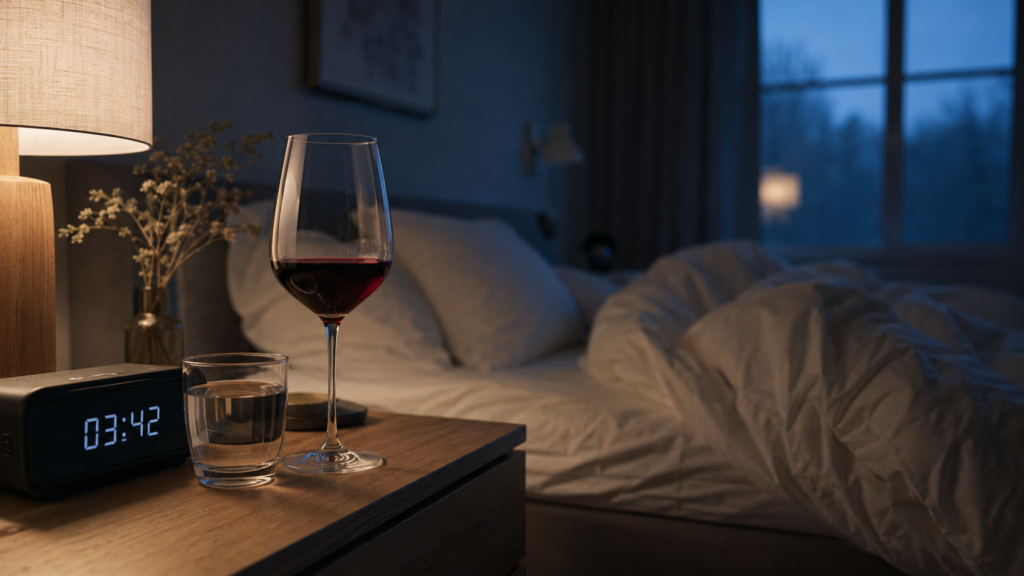
Can Alcohol Worsen RLS?
Alcohol may initially feel relaxing, but it can worsen sleep fragmentation and trigger symptoms in some people.
Pay attention to whether:
- Symptoms begin earlier after drinking
- The legs feel more restless at bedtime
- Nighttime waking increases
- Snoring or breathing problems worsen
- More caffeine is needed the following day
Avoid using alcohol as an RLS treatment or sleep aid. It can make sleep less restorative even when you fall asleep more quickly.
Does Menopause Hormone Therapy Treat RLS?
Menopause hormone therapy is not a standard or guaranteed treatment for restless legs syndrome.
It may improve hot flashes and night sweats in suitable patients, which can reduce awakenings and improve overall sleep. However, relieving vasomotor symptoms does not necessarily resolve the neurological urge to move the legs.
Research on hormone therapy and RLS is not sufficient to recommend starting hormone treatment solely for restless legs symptoms.
Hormone therapy requires individualized medical assessment based on factors such as:
- Menopause symptoms
- Age and time since menopause
- Personal and family medical history
- Previous hysterectomy
- Whether the ovaries were removed
- Blood-clot risk
- Cardiovascular health
- Breast-health history
- Personal treatment preferences
The answer to does menopause cause restless legs syndrome should therefore not be used as a reason to begin hormone therapy without professional evaluation.
How Is Restless Legs Syndrome Diagnosed?
There is no single sleep study or blood test that independently confirms RLS. Diagnosis is mainly based on the symptom pattern and exclusion of other conditions.
A healthcare professional may ask:
- Do you feel an urge to move the legs?
- Does it begin or worsen while resting?
- Does movement provide relief?
- Is it worse in the evening or at night?
- How often does it occur?
- Does it interfere with sleep or daytime function?
- Is there a family history?
- Which medications do you take?
- Do you have heavy bleeding or digestive symptoms?
- Are numbness, weakness, swelling, or cramps present?
- Do you snore or stop breathing during sleep?
A physical or neurological examination may be normal in primary RLS.
Is a Sleep Study Necessary?
A sleep study is not routinely required to diagnose classic RLS. It may be considered when:
- Sleep apnea is suspected
- Periodic limb movements need evaluation
- Symptoms are unusual
- Another sleep disorder may be present
- Treatment has not improved sleep
- Severe daytime sleepiness remains unexplained
Wearable sleep trackers cannot reliably diagnose RLS or determine its underlying cause.
How Severe Are the Symptoms?
Clinicians may consider:
- How many nights per week symptoms occur
- How long they last
- Whether they delay sleep
- How often they cause awakening
- Whether they interfere with travel or sitting
- How much daytime function is affected
- Whether symptoms are progressing
- Whether the arms are involved
Occasional mild symptoms may require a different approach from nightly symptoms that severely restrict sleep and daily life.
When Should You See a Healthcare Professional?
Arrange an assessment if:
- Symptoms occur repeatedly
- Sleep is regularly delayed or interrupted
- Daytime function is affected
- The sensations are becoming more severe
- Symptoms begin earlier in the day
- The arms become involved
- You suspect iron deficiency
- Symptoms began after starting medication
- Home strategies do not help
- You are uncertain whether the problem is RLS
Seek urgent medical care for:
- Sudden one-sided leg swelling
- Redness or unusual warmth
- Severe calf pain
- Chest pain
- Shortness of breath
- Fainting
- New leg weakness
- Loss of bladder or bowel control
- Sudden severe numbness
These are not typical signs of RLS and may indicate a blood clot, neurological emergency, or another serious condition.
Preparing for an Appointment
Bring:
- A one- to two-week symptom diary
- A medication and supplement list
- Recent blood-test results
- Information about menstrual or postmenopausal bleeding
- Family history of RLS
- Details of caffeine and alcohol use
- Notes from a sleep partner
- A record of snoring or breathing pauses
- Questions about iron testing
Useful questions include:
- Do my symptoms meet the diagnostic pattern for RLS?
- Could medication be contributing?
- Should my iron stores be checked?
- Could another neurological or circulation problem explain this?
- Do I need a sleep study?
- Which treatments are suitable for my symptom severity?
- Could menopause-related insomnia be occurring at the same time?
Understanding does menopause cause restless legs syndrome requires more than noticing restless sleep. The defining pattern—worsening during rest, nighttime predominance, an urge to move, and temporary relief through movement—provides the clearest reason to seek appropriate evaluation.
In Part 3, we’ll cover non-medication strategies, iron treatment when deficiency is confirmed, prescription options, augmentation risk, and practical ways to reduce nighttime symptoms.
How Is Restless Legs Syndrome Treated?
Treatment depends on symptom frequency, sleep disruption, iron status, medication use, and underlying medical conditions.
The goal is not merely to make the legs feel calmer for one night. An effective plan should improve sleep without causing worsening symptoms, excessive sedation, medication dependence, or avoidable side effects.
The usual approach includes:
- Identifying and treating contributing conditions
- Reviewing medications that may worsen symptoms
- Correcting confirmed iron deficiency
- Using practical non-medication strategies
- Considering prescription treatment when symptoms remain disruptive
- Monitoring for augmentation and other complications
According to updated NINDS information about restless legs syndrome, iron treatment and several medication classes may help, but no single treatment works equally well for everyone.
Start by Addressing Possible Triggers
Before prescribing long-term medication, a healthcare professional may look for factors that can be corrected or reduced.
These may include:
- Low iron stores
- Chronic sleep deprivation
- Untreated sleep apnea
- Kidney disease
- Peripheral neuropathy
- Heavy alcohol consumption
- Excessive or late caffeine
- Sedating antihistamines
- Certain antidepressants
- Dopamine-blocking medication
- Unmanaged pain
- Irregular sleep schedules
Do not discontinue prescribed medication independently. A clinician may decide that the medication’s benefits outweigh its effect on RLS or may recommend a safer alternative.
When sleep apnea symptoms occur alongside restless legs, both conditions may require treatment. Calming the legs will not correct repeated airway obstruction, and treating sleep apnea may not eliminate true RLS.
Non-Medication Strategies for RLS

Mild or occasional symptoms may improve with consistent self-care. These strategies may also support medical treatment for more persistent RLS.
1. Maintain a Consistent Sleep Schedule
Go to bed and wake up at approximately the same time each day. An irregular schedule can increase sleep deprivation, which may make RLS symptoms more difficult to tolerate.
Aim for:
- Sufficient time in bed
- A stable morning wake time
- A calm pre-sleep routine
- Reduced bright light late at night
- Morning daylight exposure
- Limited sleeping late after a difficult night
Do not go to bed unusually early simply because you feel exhausted. More time lying awake can provide extra opportunity for symptoms to appear.
If your sleep timing has gradually shifted, How to Fix Your Sleep Schedule provides a structured way to reset it.
2. Exercise Regularly—but Not Excessively
Moderate activity may reduce symptoms and support deeper sleep.
Suitable options may include:
- Walking
- Swimming
- Cycling
- Gentle strength training
- Yoga
- Mobility exercises
- Light stretching
- Water aerobics
Suddenly beginning intense exercise or training heavily near bedtime may worsen symptoms in some people. Increase activity gradually and record how your legs respond.
A useful rule is that exercise should leave you pleasantly tired, not feeling as though your calves have filed a formal complaint.
3. Try Gentle Movement Before Bed
A brief routine may help reduce discomfort before you lie down.
For example:
- Walk for five to ten minutes.
- Perform gentle calf stretches.
- Stretch the hamstrings without bouncing.
- Rotate each ankle slowly.
- Practice relaxed breathing.
- Stop if movement causes pain, dizziness, or numbness.
Stretching may provide temporary relief, but repeatedly exercising throughout the night can increase alertness. If symptoms occur nightly, seek medical guidance instead of turning bedtime into an accidental fitness class.
4. Use Heat, Cold, or Massage
Some people find temporary relief from:
- A warm bath
- A heating pad
- A cool pack
- Alternating warmth and coolness
- Gentle leg massage
- Foam rolling with light pressure
Protect the skin from burns or cold injury. Avoid sleeping with an unsafe heating device, and use additional caution if you have diabetes, neuropathy, poor circulation, or reduced skin sensation.
5. Reduce Long Periods of Evening Inactivity
If symptoms begin while watching television, reading, travelling, or working at a desk:
- Stand periodically
- Walk during breaks
- Stretch gently
- Choose an aisle seat during travel
- Schedule demanding seated tasks earlier
- Avoid remaining in one position for hours
Movement is a short-term symptom-control tool rather than a cure. Needing to pace for much of every evening suggests that a medical assessment is appropriate.
Review Caffeine, Alcohol, and Nicotine
These substances do not affect everyone in the same way, so use a symptom diary rather than relying on guesswork.
Caffeine
Try moving caffeine earlier in the day before eliminating it completely.
Track:
- The amount consumed
- The final consumption time
- Evening symptom onset
- Sleep latency
- Nighttime waking
Remember that caffeine can appear in coffee, tea, chocolate, energy drinks, supplements, and some pain or cold remedies.
Alcohol
Alcohol may worsen RLS symptoms, fragment sleep, and aggravate snoring or sleep apnea. Avoid using it as a sleep aid.
Nicotine
Nicotine is stimulating and can interfere with sleep. If you smoke or vape, discuss evidence-based cessation support with a healthcare professional.
Iron Treatment When Deficiency Is Confirmed
Iron evaluation is a central part of RLS care because neurological symptoms may occur even without obvious anemia.
Testing may include ferritin and transferrin saturation rather than relying only on hemoglobin.
Oral Iron
A clinician may recommend oral iron when test results and medical history indicate that it is appropriate.
Possible side effects include:
- Constipation
- Nausea
- Abdominal discomfort
- Dark stools
- Diarrhea
- Medication interactions
Iron absorption can be affected by food, antacids, calcium, and certain medications. Follow the clinician’s instructions rather than combining supplements independently.
Intravenous Iron
Intravenous iron may be considered in selected cases, such as when:
- Oral iron is poorly absorbed
- Side effects prevent oral treatment
- Iron stores remain inadequate
- Symptoms are clinically significant
- Faster replacement is medically appropriate
IV iron is not a casual wellness infusion. It requires professional selection and monitoring because reactions and other complications can occur.
Repeat blood testing may be needed to determine whether iron levels and symptoms have improved.
Iron-Rich Foods
Food can support healthy iron intake but may not correct clinically important deficiency by itself.
Dietary sources include:
- Lean red meat
- Poultry
- Seafood
- Lentils
- Beans
- Tofu
- Pumpkin seeds
- Iron-fortified cereals
- Dark-green vegetables
Plant-based iron is absorbed less efficiently than iron from animal sources. Eating vitamin C-rich foods with plant iron may improve absorption.
Do not assume every restless sensation means you need more iron. Excessive iron can be harmful.
Prescription Medication for RLS
Medication may be considered when symptoms:
- Occur frequently
- Regularly delay sleep
- Cause repeated awakening
- Affect work or daytime function
- Make travel or sitting difficult
- Continue despite treatment of contributing factors
- Significantly reduce quality of life
Treatment should be individualized according to age, kidney function, fall risk, breathing disorders, other medications, pregnancy status, and history of substance-use problems.
Alpha-2-Delta Calcium Channel Ligands
Current clinical guidance commonly favors medications such as:
- Gabapentin
- Gabapentin enacarbil
- Pregabalin
These medicines were originally developed for other neurological conditions but can reduce RLS symptoms in suitable patients.
Possible side effects include:
- Dizziness
- Sleepiness
- Balance problems
- Mental fog
- Leg swelling
- Weight gain
- Increased fall risk
Sedation may become stronger when these medicines are combined with alcohol, opioids, sleep medication, or other sedating drugs.
Tell the prescriber if you have sleep apnea, breathing disease, kidney problems, a history of falls, or significant daytime sleepiness. Dose adjustment may be necessary.
The updated Mayo Clinic RLS treatment overview identifies gabapentin-related medicines and pregabalin as common first-line prescription options for many patients.
Dopamine-Related Medication
Dopamine agonists include:
- Pramipexole
- Ropinirole
- Rotigotine
These medicines can reduce symptoms in the short term, but long-term treatment may cause augmentation.
They may also cause:
- Nausea
- Dizziness
- Sleepiness
- Low blood pressure
- Sudden sleep episodes
- Hallucinations
- Compulsive gambling
- Compulsive shopping
- Binge eating
- Increased sexual urges
- Other impulse-control problems
Patients and family members should report new compulsive or unusual behavior promptly. These changes may not be immediately recognized as medication side effects.
Because of augmentation and impulse-control risks, dopamine agonists are no longer an automatic first choice for every patient.
What Is Augmentation?
Augmentation is a treatment-related worsening of RLS, most strongly associated with long-term dopaminergic medication.
It does not simply mean that the original condition is naturally progressing.
Warning signs include:
- Symptoms beginning earlier in the day
- Increasing symptom intensity
- Symptoms appearing after shorter periods of rest
- Restlessness spreading from the legs to the arms
- Relief lasting for less time
- Medication seeming to wear off sooner
- Needing progressively higher doses
- Symptoms becoming more widespread
Do not take extra doses or move doses earlier without medical advice. Increasing dopaminergic medication can temporarily help while making augmentation more severe over time.
Treatment may involve carefully changing the medication under specialist supervision. Abrupt discontinuation can cause intense rebound symptoms and severe insomnia.
Opioid Treatment for Severe RLS
Low-dose opioid medication may sometimes be considered for severe, treatment-resistant RLS when other approaches have failed or caused unacceptable side effects.
This option requires careful assessment because opioids can cause:
- Sedation
- Constipation
- Nausea
- Falls
- Dependence
- Medication interactions
- Suppressed breathing
- Worsening sleep-related breathing disorders
Patients with untreated sleep apnea or significant respiratory disease require particular caution. Never combine opioids with alcohol or unapproved sedating medication.
Opioids are not a home remedy for an uncomfortable night and should be managed only by an experienced clinician.
Other Treatment Options
Selected patients may be offered additional approaches, including prescription nerve-stimulation devices. Availability, suitability, cost, and insurance coverage vary.
Do not rely on unregulated electrical devices or supplements advertised online as guaranteed RLS cures.
Evidence does not support treating confirmed RLS solely with:
- Magnesium for everyone
- Essential oils
- Herbal sleep products
- Tonic water
- Compression products alone
- Magnetic bracelets
- Detox treatments
- Over-the-counter sleep medication
- Hormone therapy without another indication
A deficiency or another medical reason may justify a particular supplement, but treatment should be based on evidence and individual assessment.
Can Magnesium Treat Menopause-Related RLS?
Magnesium deficiency can cause neuromuscular symptoms, but magnesium is not a universally effective treatment for RLS.
Unnecessary supplementation may cause diarrhea and can be risky for people with impaired kidney function. Magnesium also interacts with certain antibiotics, thyroid medication, and other medicines.
Ask a healthcare professional whether testing or supplementation is appropriate instead of assuming menopause-related leg discomfort reflects magnesium deficiency.
A Practical Evening Plan
While waiting for medical advice, a low-risk routine may include:
- Finish caffeine earlier in the day.
- Eat a regular evening meal without excessive alcohol.
- Take a short, comfortable walk.
- Use a warm bath or gentle massage.
- Stretch briefly without intense exercise.
- Keep the bedroom cool and comfortable.
- Follow a consistent bedtime.
- Get out of bed briefly if symptoms become overwhelming.
- Record symptom timing and what provides relief.
- Avoid taking unapproved iron or sedating medication.
For a calmer transition into sleep, How to Create a Relaxing Bedtime Routine provides additional steps that can be used alongside—not instead of—RLS treatment.
Monitoring Whether Treatment Works
Track progress for several weeks unless the clinician recommends a different period.
Useful measures include:
| Measure | What improvement may look like |
|---|---|
| Symptom frequency | Fewer affected evenings |
| Symptom onset | Beginning later or not occurring |
| Sleep latency | Falling asleep more quickly |
| Nighttime waking | Fewer awakenings caused by leg sensations |
| Movement | Less pacing or stretching required |
| Daytime function | Better energy and concentration |
| Medication effects | No troublesome sedation or dizziness |
| Augmentation signs | No earlier or spreading symptoms |
Contact the prescriber if treatment causes severe sleepiness, falls, mood changes, compulsive behavior, breathing problems, swelling, or worsening RLS.
Understanding does menopause cause restless legs syndrome can help identify a possible time of symptom onset, but successful treatment depends on finding the actual contributors. Menopause management, iron evaluation, medication review, and neurological sleep treatment may all play different roles.
In Part 4, we’ll complete the article with FAQs, final thoughts, internal and external resources, category, tags, and full Rank Math SEO information.
Frequently Asked Questions
Does menopause cause restless legs syndrome?
Menopause is not considered a single direct cause of RLS. However, hormonal changes, sleep disruption, low iron stores, new medications, and age-related health conditions may trigger or worsen symptoms in susceptible women.
Can low estrogen cause restless legs?
Researchers have not confirmed that low estrogen alone causes RLS. Hormonal changes may influence dopamine activity, sleep, temperature regulation, and symptom perception, but other causes must also be considered.
What does restless legs syndrome feel like?
RLS usually causes an irresistible urge to move the legs with crawling, tingling, pulling, buzzing, itching, or aching sensations. Symptoms begin or worsen during rest, improve temporarily with movement, and are strongest in the evening or at night.
How can I tell RLS from nighttime leg cramps?
RLS produces an urge to move and deep discomfort without necessarily causing a tight muscle. A leg cramp typically involves sudden pain and a visibly hard or contracted muscle. Stretching may relieve a cramp, while walking usually provides temporary relief from RLS.
Should iron levels be checked for RLS?
Yes, a healthcare professional may check ferritin, transferrin saturation, a complete blood count, and related measurements. Low iron stores can worsen RLS even when routine testing does not show anemia.
Do not begin high-dose iron without appropriate blood tests and professional guidance.
Does magnesium help menopause-related RLS?
Magnesium is not a proven universal treatment for RLS. It may be appropriate when a deficiency or another medical indication is present, but unnecessary supplementation can cause side effects and medication interactions.
Can hormone therapy cure RLS?
Menopause hormone therapy is not a standard cure for restless legs syndrome. It may improve hot flashes and night sweats in suitable patients, but true RLS may still require iron correction, medication review, lifestyle changes, or neurological treatment.
Can restless legs syndrome go away?
Symptoms may improve when an underlying contributor—such as iron deficiency or a problematic medication—is addressed. Primary RLS may persist or fluctuate over time, but appropriate treatment can substantially reduce its effect on sleep and daily life.
When should I seek medical help?
Arrange an assessment when symptoms repeatedly delay sleep, cause nighttime waking, affect daytime function, begin earlier in the day, spread to the arms, or worsen despite home strategies.
Sudden one-sided swelling, redness, warmth, severe calf pain, chest pain, or shortness of breath requires urgent medical attention because these are not typical RLS symptoms.
Final Thoughts
Does menopause cause restless legs syndrome? Menopause may coincide with the onset or worsening of RLS, but it should not automatically receive all the blame.
The most recognizable RLS pattern includes:
- An irresistible urge to move the legs
- Symptoms beginning or worsening during rest
- Temporary relief through movement
- Greater discomfort in the evening or at night
- Difficulty falling asleep or returning to sleep
- Daytime fatigue caused by disrupted sleep
A symptom diary, medication review, iron testing, and medical assessment can help distinguish RLS from cramps, neuropathy, arthritis, circulation problems, medication-related restlessness, and other sleep disorders.
Treatment may include correcting confirmed iron deficiency, reviewing contributing medications, maintaining regular sleep and exercise habits, and using carefully selected prescription treatments. Dopamine-related medicines require particular monitoring because they may eventually cause augmentation.
Menopause may be when the restless legs become noticeable, but identifying the actual contributors is far more useful than leaving the hormones to take the blame for every nighttime rebellion.
Medical disclaimer: This article provides general educational information and does not replace professional diagnosis or individualized medical care. Consult a qualified healthcare professional before taking iron, changing medication, beginning hormone therapy, or treating suspected restless legs syndrome.
Internal Links
- Does Perimenopause Cause Insomnia?
- Why Can’t I Sleep During Menopause?
- Why Do I Wake Up at Night?
- How to Calm Anxiety at Night
- Can Menopause Cause Sleep Apnea?
- How to Fix Your Sleep Schedule
- How to Create a Relaxing Bedtime Routine
External Resources
- NINDS – Restless Legs Syndrome
- NHS – Restless Legs Syndrome
- Mayo Clinic – RLS Diagnosis and Treatment