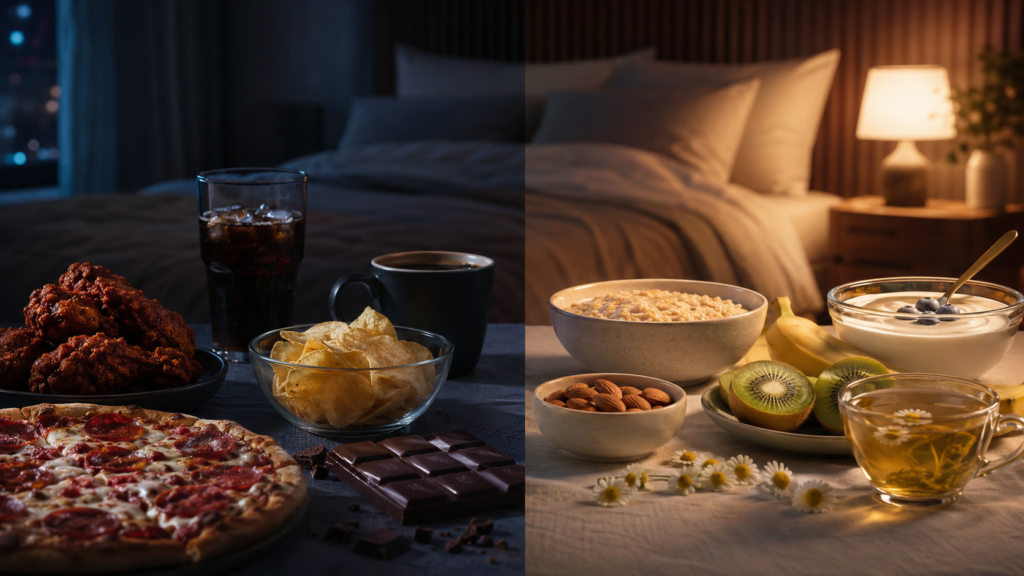
Why Do I Get Hungry at Night? 9 Causes and What to Do
Have you ever finished dinner, settled into bed, and suddenly felt hungry again? If you regularly wonder, “Why do I get hungry at night?”, the answer may involve more than simple appetite.
Nighttime hunger can be caused by eating too little during the day, skipping meals, poor sleep, stress, habits, or an unbalanced dinner. In some cases, thirst or boredom may also feel like hunger.
Occasional late-night hunger is usually normal. However, understanding what triggers it can help you make healthier choices and protect your sleep.
Is It Normal to Feel Hungry at Night?
Feeling slightly hungry before bed is not always a problem. Your body may simply need more energy, especially if you exercised, ate an early dinner, or did not consume enough food during the day.
Nighttime hunger becomes more concerning when it:
- Happens almost every night
- Causes you to eat large portions
- Interrupts your sleep
- Leads to frequent sugary or greasy snacks
- Continues even after eating enough during the day
- Causes guilt, stress, or loss of control
The timing of hunger matters, but the cause matters more. Identifying the pattern can help you decide whether you need a light snack, a better dinner, improved sleep, or a change in your daily routine.
1. You Are Not Eating Enough During the Day
One of the most common reasons for nighttime hunger is simply not consuming enough food earlier in the day.
Skipping breakfast, eating a very small lunch, or following an overly restrictive diet can leave your body searching for energy at night. You may feel fine while busy, but hunger often becomes more noticeable when you finally relax.
Signs that you may be undereating include:
- Strong evening cravings
- Low energy during the afternoon
- Irritability
- Difficulty concentrating
- Eating quickly at night
- Craving high-calorie foods
Try eating regular meals that include protein, complex carbohydrates, healthy fats, and vegetables. Providing enough energy during the day may reduce the urge to overeat before bed.
2. Your Dinner Is Not Balanced
A large dinner does not always provide lasting satisfaction. A meal high in refined carbohydrates but low in protein, fiber, or healthy fat may leave you hungry again within a few hours.
For example, white bread, sugary cereal, plain pasta, or sweet desserts may be digested quickly. A balanced dinner is more likely to keep you satisfied throughout the evening.
A sleep-friendly dinner might include:
- Lean protein such as chicken, fish, tofu, beans, or eggs
- Fiber-rich vegetables
- Complex carbohydrates such as brown rice, oats, or sweet potatoes
- A moderate amount of healthy fat
- Water or a caffeine-free drink
You do not need to make dinner extremely heavy. The goal is to include enough protein and fiber to support steady energy without causing uncomfortable fullness.
3. You Ate Dinner Too Early
An early dinner can be healthy, but a long gap between dinner and bedtime may naturally lead to hunger.
For example, if you finish dinner at 5:30 p.m. and go to bed after 11:00 p.m., your body may reasonably want more food. This is especially likely if you exercised or remained active during the evening.
In this situation, a planned snack may be better than trying to ignore hunger until it becomes intense.
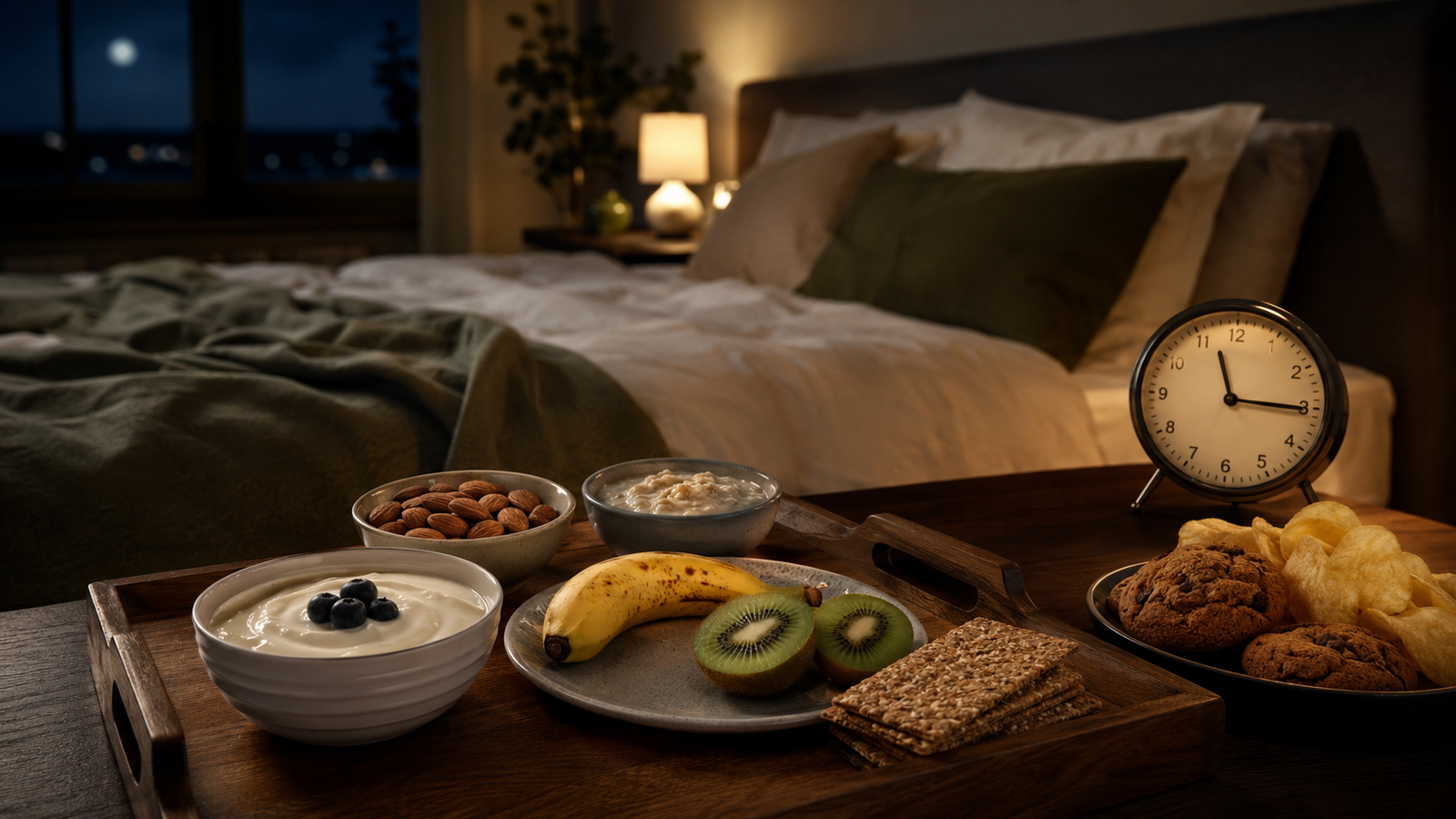
Choose a small option such as:
- Plain Greek yogurt
- A banana with a little peanut butter
- Kiwi
- A small bowl of oatmeal
- Whole-grain crackers
- A handful of almonds or walnuts
Keep the portion modest and finish eating approximately one hour before bed when possible.
If you need a light evening snack, explore these healthy bedtime snacks for better sleep
4. You Are Not Getting Enough Sleep
Poor sleep can affect the hormones involved in hunger and fullness. When you do not sleep enough, appetite may increase and high-calorie foods can become more appealing.
According to the National Heart, Lung, and Blood Institute, ongoing sleep deficiency can affect physical health, daily functioning, and overall well-being.
Sleep deprivation can also lower self-control and make convenient snacks harder to resist. This may create an unhealthy cycle:
- Poor sleep increases nighttime cravings.
- Heavy late-night eating disrupts digestion and sleep.
- Reduced sleep leads to stronger cravings the following day.
Aim for a consistent sleep schedule and enough sleep for your individual needs. Improving sleep quality may gradually make nighttime appetite easier to manage.