

Why Do I Wake Up With a Dry Mouth? 8 Causes and Simple Fixes (2026)
If you frequently wonder, “Why do I wake up with a dry mouth?”, the cause may be as simple as sleeping with your mouth open or not drinking enough water. However, persistent morning dryness can also be associated with nasal congestion, medication side effects, sleep apnea, diabetes, or a condition that affects saliva production.
An occasional dry mouth after a warm night or an evening of salty food is usually not serious. The symptom deserves more attention when it occurs every morning, disrupts your sleep, causes difficulty swallowing, or appears with loud snoring, breathing pauses, excessive thirst, dry eyes, mouth sores, or frequent dental problems.
This guide explains eight common reasons you may wake up with a dry mouth, practical ways to relieve the discomfort, and signs that it may be time to consult a doctor or dentist.
What Does Waking Up With a Dry Mouth Mean?
Dry mouth, medically known as xerostomia, occurs when there is not enough saliva to keep the mouth comfortably moist.
Saliva does much more than prevent your mouth from feeling dry. It helps:
- Moisten food
- Support chewing and swallowing
- Begin the digestive process
- Wash away food particles
- Control harmful bacteria
- Protect tooth enamel
- Reduce the risk of tooth decay
- Support normal speech and taste
Saliva production naturally decreases during sleep. This is one reason your mouth may feel slightly drier in the morning than it does during the day.
However, if saliva production becomes too low or air repeatedly passes through your mouth overnight, you may wake with noticeable dryness, sticky saliva, bad breath, cracked lips, a rough tongue, or a sore throat.
Is It Normal to Have a Dry Mouth in the Morning?
Mild and occasional morning dryness can be normal. It may occur after:
- Sleeping in a warm room
- Breathing through your mouth temporarily
- Eating a salty evening meal
- Drinking alcohol
- Exercising without replacing fluids
- Having a cold or seasonal allergies
- Taking a medication that causes dryness
The symptom is less likely to be normal when it happens nearly every morning or continues throughout the day.
Chronic dry mouth can make speaking, tasting, chewing, and swallowing more difficult. Because saliva protects the teeth and oral tissues, ongoing dryness may also increase the risk of cavities, gum problems, mouth infections, sores, and persistent bad breath.
Therefore, the question “Why do I wake up with a dry mouth?” should not always be answered with “just drink more water.” Hydration matters, but it is only one of several possible explanations.
Why Do I Wake Up With a Dry Mouth?
Morning dry mouth often develops because of reduced saliva production, nighttime mouth breathing, dehydration, or a combination of these factors.
Some causes are temporary and easy to correct. Others may require treatment of a nasal blockage, adjustment of a medication, evaluation for sleep apnea, or testing for an underlying health condition.
Here are eight common possibilities.
1. You Breathe Through Your Mouth While Sleeping
Sleeping with your mouth open is one of the most common explanations for morning dryness.
When you breathe through your nose, the nasal passages help warm, filter, and humidify the air before it reaches your lungs. When you breathe through your mouth, air moves directly across the tongue, gums, cheeks, and throat. This airflow can remove moisture and leave your mouth feeling dry when you wake up.
You may not realize that you breathe through your mouth unless someone notices it or you experience other signs, such as:
- Drooling on your pillow
- Waking with a sore throat
- Cracked or dry lips
- Morning bad breath
- A sticky feeling inside your mouth
- A dry or rough tongue
- Waking frequently to drink water
- Snoring during sleep
Your sleeping position may affect the symptom. Some people are more likely to sleep with their mouth open while lying on their back, particularly if the jaw relaxes or the nasal passages are partially blocked.
Occasional mouth breathing during a cold is usually temporary. Frequent mouth breathing, however, may point to ongoing nasal congestion, structural obstruction, or a nighttime breathing disorder.
Avoid taping your mouth closed without professional guidance. Mouth taping may be unsafe when nasal breathing is restricted or sleep apnea is present. The goal should be to identify why you are breathing through your mouth rather than simply forcing it closed.
If you repeatedly ask, “Why do I wake up with a dry mouth?”, check whether morning dryness appears with snoring, drooling, or a sore throat. These clues may suggest nighttime mouth breathing.
2. Nasal Congestion Is Forcing You to Mouth-Breathe
Even if you normally breathe through your nose, congestion can force you to use your mouth during sleep.
Common causes of nighttime nasal congestion include:
- A cold or respiratory infection
- Seasonal allergies
- Dust-mite or pet allergies
- Dry or irritated nasal passages
- Sinus inflammation
- Nasal polyps
- A deviated septum
- Enlarged nasal tissues
- Exposure to smoke or strong fragrances
Congestion may feel worse at night because lying down can increase blood flow to nasal tissues and make the passages feel more restricted. Bedroom allergens can also contribute. Dust mites in pillows, mattresses, carpets, and bedding may trigger symptoms after you spend several hours in bed.
Signs that congestion may be responsible include:
- A blocked or stuffy nose at bedtime
- Difficulty breathing through one or both nostrils
- Sneezing or itchy eyes
- Sinus pressure
- Postnasal drip
- Frequent throat clearing
- Waking with a sore throat
- Symptoms that become worse in a particular room or season
Managing the underlying congestion may reduce mouth breathing and morning dryness. The appropriate approach depends on the cause, so persistent or one-sided blockage should be discussed with a healthcare professional.
Be cautious with decongestant nasal sprays. Some are intended only for short-term use, and using them longer than recommended can cause rebound congestion. In addition, certain oral allergy and cold medicines may contribute to dry mouth even while relieving nasal symptoms.
3. You May Be Dehydrated
Dehydration can reduce the amount of fluid available for normal saliva production. Because you generally go several hours without drinking while asleep, inadequate hydration during the day may become especially noticeable when you wake up.
You may be more likely to become dehydrated if you:
- Drink very little water during the day
- Exercise or work in hot conditions
- Sweat heavily
- Have a fever
- Experience vomiting or diarrhea
- Drink alcohol in the evening
- Consume a very salty dinner
- Take certain diuretic medications
- Frequently forget to drink while working
- Are pregnant or breastfeeding
Other possible signs of dehydration include:
- Thirst
- Darker urine
- Urinating less frequently
- Headache
- Dizziness
- Fatigue
- Dry lips or skin
- Difficulty concentrating
Drinking a small amount of water before bed may help if your dryness is mild, but consuming a large volume immediately before sleeping can lead to repeated bathroom visits and fragmented sleep.
A better approach is to drink fluids regularly throughout the day. Individual needs vary depending on body size, activity, weather, diet, medical conditions, pregnancy, and other factors.
Water-rich foods such as fruit, vegetables, soups, and yogurt can also contribute to daily fluid intake.
People with heart failure, kidney disease, or another condition requiring fluid restriction should follow their healthcare professional’s recommendations rather than increasing fluid intake independently.
Dehydration may be part of the answer to “Why do I wake up with a dry mouth?”, but dryness that continues despite adequate hydration suggests that another cause should be considered.
4. Your Medication May Be Reducing Saliva Production
Medication side effects are among the most common causes of dry mouth. Hundreds of prescription and over-the-counter products can reduce saliva production or change how moisture feels inside the mouth.
Medicines that may cause dry mouth in some people include:
- Antihistamines
- Decongestants
- Certain antidepressants
- Anti-anxiety medications
- Some blood pressure medicines
- Diuretics
- Muscle relaxants
- Certain pain relievers
- Bladder-control medications
- Some asthma treatments
- Sleep aids
- Certain nausea medications
The timing of the symptom can offer a clue. If your dry mouth began after starting a medication, increasing its dose, or changing when you take it, the medicine may be contributing.
Dryness can feel particularly noticeable in the morning because saliva production already decreases naturally during sleep. Taking a drying medication in the evening may intensify this normal nighttime reduction.
Multiple medications can also have a combined effect. This is one reason chronic dry mouth is more common among older adults, who are often prescribed several medicines at the same time. Age itself does not necessarily stop the salivary glands from working, but medication use and health conditions become more common with age.
If you suspect a medicine is responsible:
- Read the label for dry-mouth warnings
- Ask a pharmacist to review all your medications and supplements
- Note when the dryness began
- Discuss possible alternatives with your healthcare professional
- Ask whether changing the dose or timing might help
Do not stop taking a prescribed medication or change its schedule without professional guidance. In some cases, the medication cannot be changed, but a doctor or dentist may recommend strategies to protect your teeth and relieve the discomfort.
When asking, “Why do I wake up with a dry mouth?”, remember to consider over-the-counter products as well as prescriptions. Allergy, cold, and sleep medicines can be surprisingly thirsty little troublemakers.
5. Snoring or Sleep Apnea May Be Involved
Morning dry mouth can occur with snoring because snoring frequently accompanies mouth breathing. As air repeatedly passes through the mouth and throat, moisture evaporates from the oral tissues.
Sleep apnea can also explain why you feel tired after sleeping 8 hours, especially when dry mouth occurs with loud snoring or breathing pauses.
Occasional snoring during a cold or after drinking alcohol does not necessarily indicate a serious problem. Frequent, loud snoring—especially when accompanied by breathing pauses—may be a sign of obstructive sleep apnea.
Obstructive sleep apnea occurs when the upper airway repeatedly narrows or closes during sleep. These interruptions can reduce oxygen levels and cause brief awakenings that the sleeper may not remember.
Possible signs of sleep apnea include:
- Loud, persistent snoring
- Pauses in breathing witnessed by another person
- Gasping, choking, or snorting during sleep
- Waking with a dry mouth or sore throat
- Morning headaches
- Frequent nighttime urination
- Restless or fragmented sleep
- Difficulty concentrating
- Irritability
- Excessive daytime sleepiness
- Feeling tired despite spending enough time in bed
Morning dryness alone does not prove that you have sleep apnea. However, dry mouth combined with loud snoring, gasping, breathing pauses, or significant daytime sleepiness deserves medical attention.
Sleep apnea should not be diagnosed using symptoms alone. A healthcare professional may recommend a home sleep apnea test or an overnight sleep study depending on your symptoms and medical history.
If you already use continuous positive airway pressure, or CPAP, dry mouth may occur when air leaks through your mouth or around the mask. Nasal congestion, an unsuitable mask, or insufficient humidification may also contribute.
Do not stop using prescribed CPAP therapy because of dryness. Instead, discuss the problem with your sleep specialist or equipment provider. Possible solutions may include:
- Checking the mask fit
- Adjusting heated humidification
- Treating nasal congestion
- Using a different mask style
- Reviewing pressure settings with the healthcare team
Avoid changing CPAP pressure settings independently unless your clinician has instructed you to do so.
For anyone wondering, “Why do I wake up with a dry mouth and a headache?”, the combination becomes more important when it also includes snoring or daytime sleepiness.
6. Alcohol, Tobacco, or Excessive Caffeine May Worsen Dryness
Certain evening habits can make morning dry mouth more noticeable even when they are not the only cause.
Alcohol
Alcohol can contribute to dehydration and may irritate oral tissues. It can also relax the muscles surrounding the upper airway, which may increase snoring and worsen sleep-related breathing problems in susceptible people.
The effect may be stronger if you:
- Drink several alcoholic beverages
- Drink close to bedtime
- Eat a salty meal while drinking
- Forget to drink water during the day
- Already experience nasal congestion
- Snore or have sleep apnea
Alcohol may make you feel sleepy initially, but it can disrupt sleep later in the night. Reducing evening alcohol may therefore improve both morning dryness and overall sleep quality.
Learn more about whether alcohol helps you sleep and how evening drinking can affect nighttime breathing and sleep quality.
Tobacco and Nicotine Products
Smoking can irritate and dry the mouth and throat. Tobacco use is also associated with gum disease, tooth problems, oral infections, and oral cancer.
Vaping is not a dryness-free alternative. Aerosol ingredients and nicotine may irritate oral tissues, and some users report dry mouth, coughing, or throat discomfort.
Smokeless tobacco and nicotine pouches may also irritate the area where they are placed. Persistent sores, unusual patches, bleeding, lumps, or changes in the mouth should be examined by a dentist or doctor.
Caffeine
Coffee and tea contribute fluid, so moderate caffeine intake does not automatically cause dehydration in regular users. However, large amounts of caffeine may make dry-mouth symptoms feel worse in some people.
Caffeine can also interfere with sleep when consumed late in the day. Poor sleep may not directly cause xerostomia, but it can increase fatigue and make nighttime awakenings more disruptive.
Energy drinks can be especially unhelpful because they may contain high levels of caffeine, sugar, and acids that can affect both sleep and dental health.
You do not necessarily need to eliminate coffee. Try reducing late-afternoon and evening caffeine and observe whether your morning symptoms improve.
Building consistent sleep hygiene habits can also help you manage caffeine timing and improve your overall nighttime routine.
If you frequently ask, “Why do I wake up with a dry mouth?”, keep a simple record of your evening alcohol, nicotine, and caffeine use. Comparing your symptoms across several mornings may reveal a useful pattern.
7. Diabetes or Another Medical Condition May Be Contributing
Persistent dry mouth can sometimes be associated with an underlying medical condition. Diabetes is one possibility, particularly when morning dryness occurs with excessive thirst or frequent urination.
When blood glucose remains high, the body may remove excess glucose through urine. Increased urination can contribute to fluid loss and make the mouth feel unusually dry.
Other possible symptoms of diabetes include:
- Increased thirst
- Frequent urination, including at night
- Increased hunger
- Unexplained weight loss
- Fatigue
- Blurred vision
- Slow-healing sores
- Frequent infections
- Tingling or numbness in the hands or feet
A dry mouth by itself does not mean that you have diabetes. Many people with morning dryness are simply breathing through their mouth, experiencing congestion, or taking a medication that reduces saliva.
However, speak with a healthcare professional if the symptom is persistent and accompanied by increased thirst, frequent urination, unexplained weight changes, or blurred vision. Blood tests are needed to determine whether diabetes or prediabetes is present.
Sjögren’s Disease
Sjögren’s disease is an autoimmune disorder in which the immune system affects glands that produce moisture, particularly the salivary and tear glands.
The two most characteristic symptoms are:
- Persistent dry mouth
- Dry, gritty, burning, or irritated eyes
Other possible symptoms include:
- Difficulty chewing or swallowing dry foods
- Needing water while speaking or eating
- Thick or stringy saliva
- Changes in taste
- Frequent cavities
- Mouth sores or infections
- Swelling near the jaw or cheeks
- Joint or muscle discomfort
- Persistent fatigue
- Dry skin, nose, or throat
Sjögren’s disease is not the most likely explanation for occasional morning dryness. It becomes more relevant when the dryness continues during the day, affects both the mouth and eyes, or causes repeated dental problems.
Do not attempt to diagnose an autoimmune condition from symptoms alone. A doctor or dentist can assess your symptoms and determine whether blood tests, eye tests, or an evaluation of salivary-gland function may be appropriate.
Other Health Conditions
Dry mouth may also be associated with:
- HIV/AIDS
- Certain autoimmune disorders
- Salivary-gland disease or infection
- Nerve damage affecting the head or neck
- Chronic kidney problems
- Conditions that cause repeated vomiting or diarrhea
These conditions are much less common than mouth breathing, medication effects, or dehydration. Their inclusion does not mean that persistent dry mouth is usually caused by a serious disease. It simply explains why ongoing symptoms deserve proper evaluation.
If you keep wondering, “Why do I wake up with a dry mouth?”, notice whether the dryness disappears after drinking water or remains present throughout the day. Continuous dryness is more likely to require professional assessment.
8. Cancer Treatment or Salivary-Gland Damage Can Reduce Saliva
Saliva is produced by several glands located around the mouth and jaw. Damage to these glands or to the nerves that control them can reduce saliva production.
Radiation therapy directed at the head or neck may affect the salivary glands. Depending on the treatment area and dose, dryness may be temporary or long-lasting.
Chemotherapy and immunotherapy may also cause:
- Reduced saliva production
- Thick or sticky saliva
- Mouth soreness
- Changes in taste
- Difficulty swallowing
- Oral infections
People receiving cancer treatment should report dry mouth to their oncology team rather than treating it only as a minor inconvenience. Early management can make eating and speaking more comfortable while helping protect the teeth and oral tissues.
Injury or surgery involving the head or neck may also damage nerves that signal the salivary glands. Salivary stones, infections, swelling, and other gland disorders can interfere with the normal flow of saliva.
Possible warning signs of a salivary-gland problem include:
- Pain or swelling near the jaw, cheek, or under the tongue
- Swelling that becomes worse during meals
- A bad taste or drainage in the mouth
- Fever
- Difficulty opening the mouth
- A persistent lump
- Dryness that begins after head or neck treatment
A dentist, doctor, or ear, nose, and throat specialist can evaluate these symptoms. Seek prompt medical care if swelling is severe, spreads rapidly, or interferes with breathing or swallowing.
When Should You See a Doctor or Dentist?
Schedule an appointment if your dry mouth:
- Occurs nearly every morning
- Continues throughout the day
- Has lasted for several weeks
- Makes chewing, swallowing, speaking, or sleeping difficult
- Causes frequent cavities or gum problems
- Occurs with persistent bad breath
- Produces mouth sores, burning, or cracked tissues
- Appears with dry or irritated eyes
- Begins after starting or changing a medication
- Occurs after cancer treatment or head and neck surgery
You should also seek an evaluation if morning dryness occurs with:
- Loud, frequent snoring
- Gasping or breathing pauses during sleep
- Severe daytime sleepiness
- Morning headaches
- Excessive thirst
- Frequent urination
- Unexplained weight loss
- Swelling or pain near a salivary gland
Seek urgent medical care if you experience difficulty breathing or swallowing, severe facial or neck swelling, confusion, fainting, or signs of serious dehydration.
A doctor or dentist may review:
- Your medications and supplements
- Hydration and lifestyle habits
- Nasal breathing and congestion
- Snoring and other sleep-apnea symptoms
- Oral health and saliva production
- Blood glucose or other laboratory results
- Previous head or neck treatments
Before your appointment, keep a short record of when the dryness occurs, whether it continues during the day, what medications you take, and whether you experience snoring, dry eyes, thirst, or frequent urination.
Persistent dry mouth is worth investigating because saliva protects the teeth and oral tissues. Your mouth is not merely being dramatic before breakfast—it may be providing a useful clue about your sleep, medications, or overall health.
How to Prevent Waking Up With a Dry Mouth
The best solution depends on the cause. These practical steps may help relieve mild morning dryness while protecting your teeth and gums.
1. Stay Hydrated Throughout the Day
Drink water regularly instead of consuming a large amount immediately before bed. Keep a small glass of water nearby if you occasionally wake feeling dry.
If a medical condition requires you to restrict fluids, follow your healthcare professional’s instructions.
2. Address Nasal Congestion
If a blocked nose causes you to breathe through your mouth, identifying the source of the congestion is important.
Helpful measures may include:
- Reducing bedroom dust and allergens
- Washing bedding regularly
- Avoiding smoke and strong fragrances
- Discussing persistent allergies with a healthcare professional
- Using saline nasal products as directed
Do not use medicated decongestant sprays longer than recommended. Avoid taping your mouth closed, especially if you cannot breathe comfortably through your nose or may have sleep apnea.
3. Use a Bedroom Humidifier Carefully
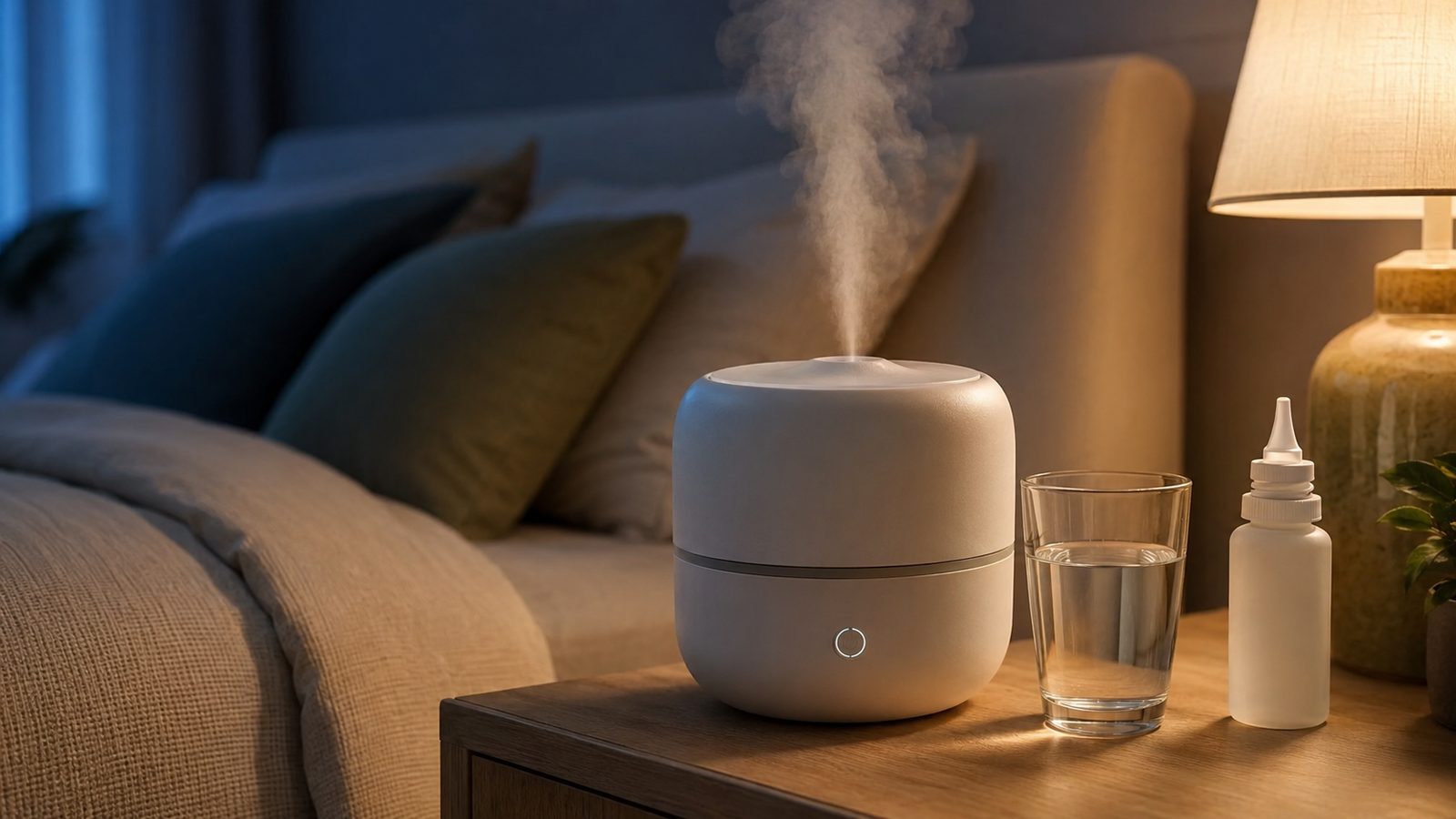
A humidifier may help if dry indoor air irritates your nose, mouth, or throat. Place it at a safe distance from the bed and clean it according to the manufacturer’s instructions.
Excess humidity can encourage mold and dust mites, so the bedroom should feel comfortable rather than damp.
4. Encourage Saliva Production
Sugar-free gum or sugar-free hard candy may stimulate saliva while you are awake. Products containing xylitol may be suitable for some people, but they should be kept away from dogs because xylitol is highly toxic to them.
Artificial saliva, moisturizing gels, and dry-mouth sprays may also provide temporary relief. Ask a dentist or pharmacist which product is appropriate for you.
Never sleep with gum or hard candy in your mouth because of the choking risk.
5. Protect Your Teeth and Gums
Dry mouth can increase the risk of cavities and oral infections. Good oral care is therefore especially important.
- Brush twice daily with fluoride toothpaste
- Floss or clean between your teeth every day
- Attend regular dental examinations
- Limit frequent sugary snacks and drinks
- Avoid alcohol-containing mouthwash if it worsens dryness
- Report mouth sores, white patches, pain, or repeated cavities
A dentist may recommend prescription-strength fluoride or another preventive treatment when dryness is persistent.
6. Review Medications and Evening Habits
Ask a doctor or pharmacist whether any prescription medicine, supplement, allergy product, or sleep aid could be contributing.
Do not stop a prescribed medicine independently. A professional may be able to change its timing, adjust the dose, recommend an alternative, or suggest a dry-mouth treatment.
Reducing tobacco, vaping, evening alcohol, and excessive late-day caffeine may also improve symptoms.
7. Seek Help for Snoring or Breathing Pauses
Morning dryness accompanied by loud snoring, gasping, witnessed breathing pauses, headaches, or excessive daytime sleepiness should not be treated only with water or a humidifier.
These symptoms may require evaluation for sleep apnea. If CPAP causes dry mouth, ask your sleep-care team about mask fit, leakage, nasal congestion, and humidification rather than discontinuing treatment.
Final Thoughts
If you frequently ask, “Why do I wake up with a dry mouth?”, nighttime mouth breathing, nasal congestion, dehydration, medication effects, or evening habits are common possibilities.
Occasional mild dryness may improve with hydration, nasal care, and better bedroom humidity. Persistent symptoms—particularly when accompanied by snoring, excessive thirst, dry eyes, swallowing difficulty, or dental problems—deserve professional evaluation.
Your mouth may be dry, but the list of possible causes certainly is not. Fortunately, identifying the underlying cause usually makes the next step much clearer.
Frequently Asked Questions
Why do I wake up with a dry mouth even after drinking water?
Water may temporarily relieve the symptom, but it will not correct mouth breathing, nasal congestion, medication-related saliva reduction, sleep apnea, or a salivary-gland disorder.
Can sleep apnea cause morning dry mouth?
Yes. Dry mouth can occur with sleep apnea, particularly when mouth breathing or snoring is present. Dry mouth alone does not confirm the condition, but breathing pauses, gasping, morning headaches, and daytime sleepiness require medical assessment.
Does a humidifier help with dry mouth at night?
It may help when indoor air is dry or nasal irritation encourages mouth breathing. It will not treat an underlying medical condition, medication side effect, or airway obstruction.
Is waking up with a dry mouth a sign of diabetes?
Not necessarily. However, persistent dryness accompanied by excessive thirst, frequent urination, blurred vision, fatigue, or unexplained weight loss should be discussed with a healthcare professional.