Does Alcohol Help You Sleep? What Science Says
A glass of wine or beer may make you feel relaxed and sleepy. But does alcohol help you sleep, or does it simply make you fall asleep faster while quietly reducing sleep quality?
Alcohol can shorten the time it takes to fall asleep, especially at higher doses. However, as the body processes it during the night, sleep often becomes lighter, more fragmented, and less restorative.
Alcohol may also suppress REM sleep, increase snoring, worsen nighttime breathing, and cause you to wake earlier than usual. In other words, alcohol can act like a shortcut to sleep—but the shortcut may lead to a rather bumpy road.
This guide explains how alcohol affects sleep stages, nighttime awakenings, breathing, and next-day energy.
The Short Answer
Alcohol may help you fall asleep faster, but it is not a healthy or reliable sleep aid.
Early in the night, alcohol can produce sedating effects that make you feel drowsy. Later, as blood alcohol levels decline, those effects wear off and normal sleep patterns become disrupted.
You may experience:
- Faster sleep onset
- Reduced REM sleep
- More frequent awakenings
- Lighter sleep later in the night
- Increased snoring
- More nighttime bathroom visits
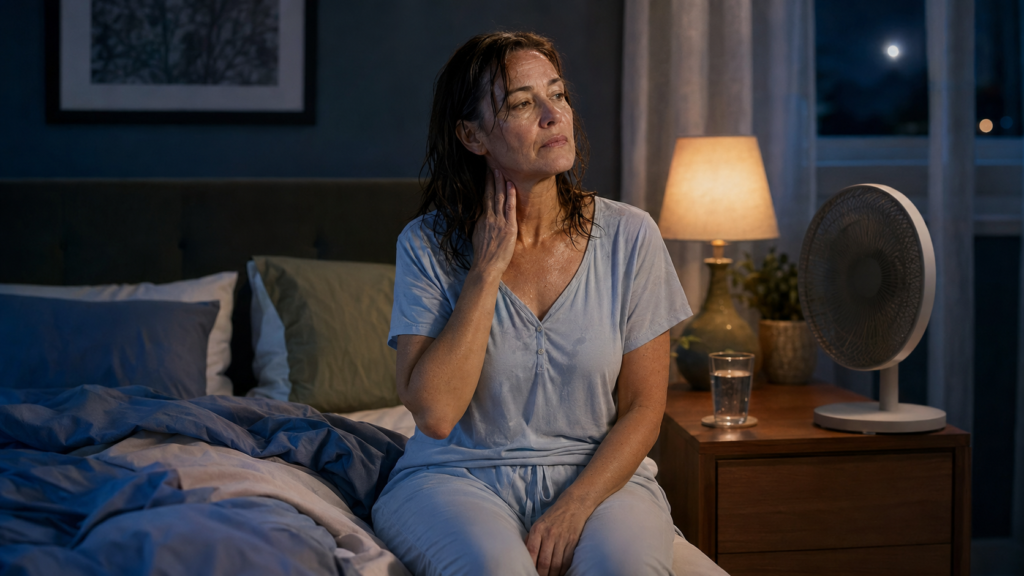
- Sweating or feeling overheated
- Dry mouth and dehydration
- Earlier-than-usual waking
- Daytime tiredness
The amount consumed, drinking time, individual tolerance, medications, age, and existing sleep conditions can all influence the effects.
Why Does Alcohol Make You Feel Sleepy?
Alcohol is a central nervous system depressant. It slows certain types of brain activity and can temporarily reduce tension, alertness, and anxiety.
This sedating effect may make falling asleep feel easier. However, sedation is not the same as natural, restorative sleep.
Healthy sleep follows an organized pattern of non-REM and REM stages. Alcohol changes that pattern rather than simply improving it.
The drowsiness may also become less noticeable with repeated use. A person may then drink more to achieve the same effect, increasing the risk of tolerance, dependence, and worsening sleep problems.
How Alcohol Changes Your Sleep Cycle
During a typical night, you move through several sleep cycles. Each cycle contains lighter sleep, deeper non-REM sleep, and REM sleep.
The balance of these stages changes throughout the night:
- Deep sleep is more concentrated during the first half
- REM sleep becomes longer during the second half
- Brief awakenings naturally occur between cycles
- Body temperature and hormone patterns change overnight
Alcohol can interfere with this carefully coordinated structure.
Depending on the amount consumed, it may increase deep sleep temporarily during the early part of the night while suppressing REM sleep. As the alcohol is metabolized, the second half of sleep may become more restless and fragmented.
This explains why someone can fall asleep quickly after drinking but still wake feeling unrefreshed.
Understanding the different stages of the sleep cycle can help explain why alcohol-induced sleep may feel less restorative.
What Happens During the First Half of the Night?
Shortly after drinking, the sedating effects of alcohol may:
- Reduce the time needed to fall asleep
- Make you feel heavily drowsy
- Increase slow-wave sleep temporarily
- Reduce REM sleep
- Make waking more difficult at first
These effects can create the impression that alcohol improves sleep.
However, falling asleep quickly is only one part of healthy sleep. Sleep continuity, normal sleep architecture, breathing, and next-day alertness also matter.
A person who becomes unconscious quickly after drinking has not necessarily received better-quality rest.
What Happens During the Second Half of the Night?
As the body breaks down alcohol, its sedating effect gradually fades. Sleep may then become lighter and more unstable.
During the second half of the night, you may experience:
- Repeated awakenings
- Restlessness
- Vivid or unpleasant dreams
- Sweating
- Increased heart rate
- Thirst or dry mouth
- Headaches
- A need to urinate
- Difficulty returning to sleep
- Waking earlier than planned
This pattern is sometimes called a rebound effect. The brain becomes more active as the initial sedation wears off, disrupting the later sleep cycles that contain more REM sleep.
How Alcohol Affects REM Sleep
REM sleep is associated with dreaming, emotional processing, learning, and memory. It normally occurs several times throughout the night, with longer periods toward morning.
Alcohol can delay the first REM period and reduce the total amount of REM sleep, particularly when larger amounts are consumed.
Disrupted REM sleep may contribute to:
- Poor concentration
- Irritability
- Emotional sensitivity
- Reduced memory performance
- Mental fog
- Feeling unrefreshed
- Unusual or vivid dreams later in the night
The exact effect varies according to dose, timing, sex, metabolism, and drinking habits. Even when total sleep time appears normal, the internal structure of sleep may be altered.
Learn more about the connection between REM sleep, dreams, and memory.
Does Alcohol Reduce Deep Sleep?
The relationship between alcohol and deep sleep is more complicated than a simple yes or no.
Alcohol may temporarily increase slow-wave sleep during the first part of the night, especially after a larger dose. This does not mean it improves overall deep sleep quality.
Later disruption, frequent awakenings, breathing problems, and changes in normal sleep cycles can reduce the restorative value of the entire night.
With regular or heavy drinking, sleep patterns may become increasingly unstable. Tolerance to alcohol’s initial sedating effect can also develop, while disrupted sleep continues.
Can One Drink Affect Sleep?
Even a small amount of alcohol may affect some people, particularly those who are sensitive to it.
The effect depends on factors including:
- Body size and composition
- Biological sex
- Age
- Drinking speed
- Whether alcohol is consumed with food
- Time between drinking and bedtime
- Medication use
- Liver health
- Existing insomnia
- Snoring or sleep apnea
One person may notice little difference after a single drink, while another may wake repeatedly or feel unusually tired the following morning.
The safest way to understand your response is to compare sleep on alcohol-free nights with sleep after drinking. Wearable devices may provide clues, but how rested and alert you feel the next day also matters.
Does Alcohol Make Snoring Worse?
Alcohol can make snoring louder or more frequent, even in people who do not usually snore.
It relaxes the muscles in the mouth and throat. When these tissues become more relaxed, the upper airway can narrow and vibrate more easily as air passes through.
Snoring may become worse when alcohol is:
- Consumed close to bedtime
- Consumed in larger amounts
- Combined with sleeping on your back
- Used with sedating medications
- Paired with nasal congestion
- Consumed by someone who already snores
Snoring is not always harmless. Loud, persistent snoring accompanied by gasping, choking, or breathing pauses may indicate obstructive sleep apnea.
Can Alcohol Worsen Sleep Apnea?
Alcohol may increase the risk or severity of obstructive sleep apnea by relaxing the muscles that help keep the airway open.
According to the National Heart, Lung, and Blood Institute, alcohol can relax the muscles of the mouth and throat enough to narrow or close the upper airway during sleep.
For someone with sleep apnea, drinking may contribute to:
- More frequent breathing pauses
- Longer breathing interruptions
- Lower blood oxygen levels
- Louder snoring
- More fragmented sleep
- Morning headaches
- Greater daytime sleepiness
- Difficulty concentrating
Alcohol should not be used as a sleep aid, particularly if you have diagnosed or suspected sleep apnea.
Do not assume that a quiet period after loud snoring means the person is sleeping peacefully. It may represent a pause in breathing.
Why Does Alcohol Make You Wake Up to Urinate?
Alcohol can increase urine production and may cause more nighttime bathroom visits.
It can reduce the effect of vasopressin, a hormone that normally helps the body conserve water. Alcoholic drinks also add fluid, and some people drink additional water before bed because they feel thirsty.
Nighttime urination can disrupt sleep in two ways:
- The need to urinate may wake you.
- Light, movement, and phone use during the bathroom trip may make returning to sleep harder.
The risk may be greater after several drinks, particularly when alcohol is consumed shortly before bedtime.
Older adults and people with bladder, prostate, kidney, heart, or blood-sugar conditions may experience nighttime urination for other reasons as well.
Does Alcohol Cause Dehydration During Sleep?
Alcohol can contribute to fluid imbalance, especially when consumed in larger amounts.
Possible nighttime and morning symptoms include:
- Dry mouth
- Thirst
- Headache
- Dizziness
- Darker urine
- Fatigue
- Muscle weakness
- Feeling overheated
Drinking water may help with hydration, but it cannot reverse alcohol’s effects on REM sleep, breathing, or sleep continuity.
Consuming a large amount of water immediately before bed may also increase bathroom visits. A better approach is to drink water gradually and avoid excessive alcohol in the first place.
Can Alcohol Cause Night Sweats?
Alcohol may cause some people to feel warm, flushed, or sweaty during the night.
Although alcohol can make the skin feel warm by widening surface blood vessels, it does not safely warm the body. It may also affect heart rate, temperature regulation, and the nervous system.
Night sweats may be more noticeable when:
- The bedroom is warm
- Heavy bedding is used
- Alcohol is consumed in a large amount
- Spicy food is eaten with alcohol
- Menopause symptoms are present
- Certain medications are being used
- Alcohol effects begin to wear off overnight
Persistent or severe night sweats should not automatically be blamed on alcohol. Infection, hormonal changes, medication effects, and other health conditions may also cause them.
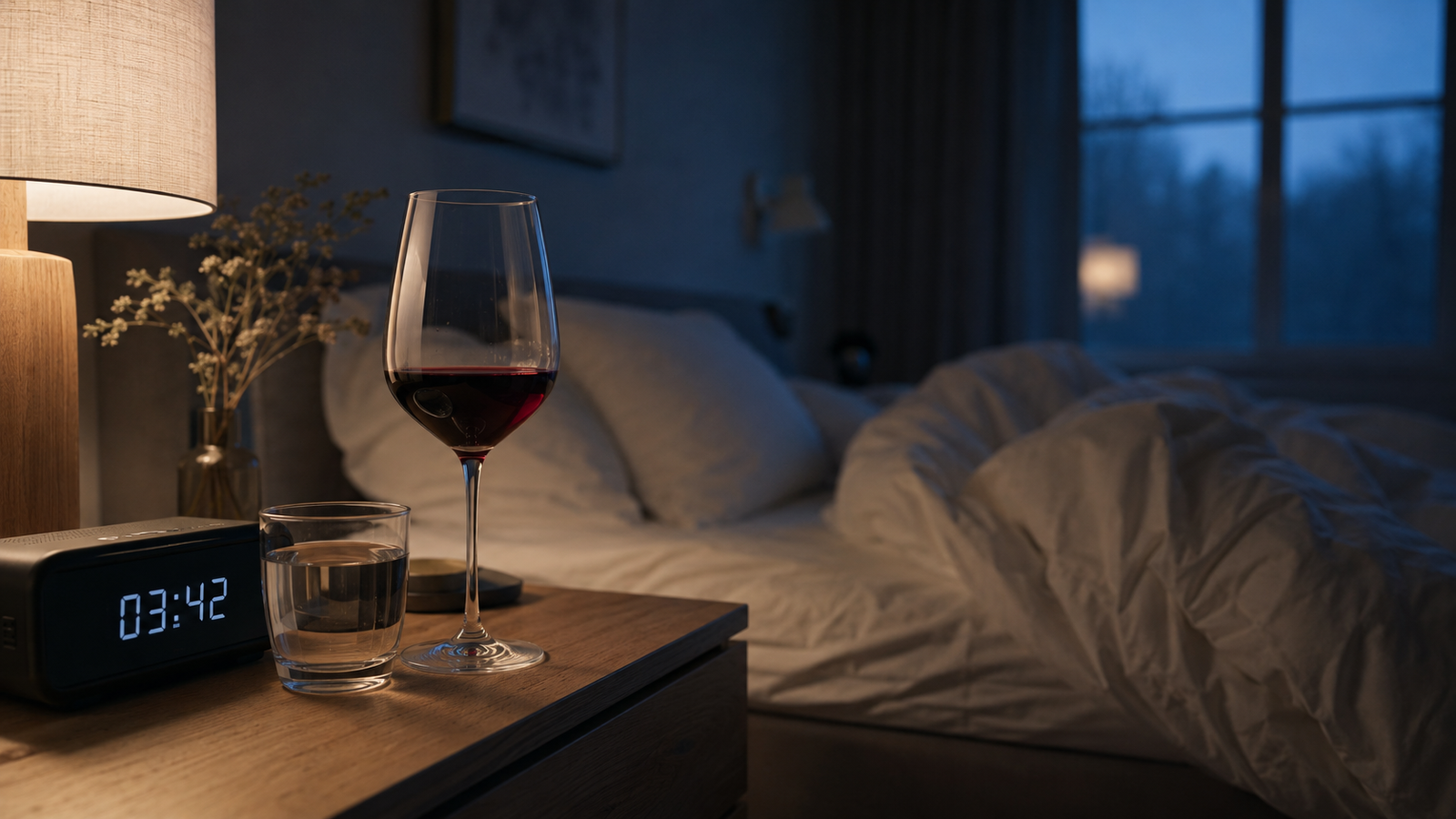
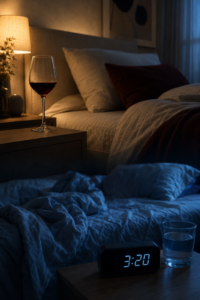
Why Do You Wake Up at 3 A.M. After Drinking?
Waking around 2 or 3 a.m. after drinking is common because alcohol’s initial sedating effect may be fading at that time.
As the body metabolizes alcohol:
- Sleep becomes lighter
- REM activity may rebound
- Heart rate may remain elevated
- Body temperature may feel uncomfortable
- Thirst may increase
- The bladder may become full
- Anxiety or restlessness may appear
- Blood sugar may fluctuate
You may then find yourself awake, tired, and unable to return to sleep.
The exact time depends on when and how much you drank, how quickly your body processes alcohol, whether you ate, and your usual bedtime.
Alcohol and Insomnia
Some people begin using alcohol because they already struggle to fall asleep. This may create a difficult cycle.
The pattern can look like this:
- Insomnia makes bedtime stressful.
- Alcohol is used to create drowsiness.
- Sleep becomes fragmented later in the night.
- Daytime fatigue and anxiety increase.
- More alcohol is used the following evening.
- Tolerance gradually develops.
Over time, the original sleep problem may remain while dependence on alcohol increases.
Alcohol can also worsen insomnia when a person reduces or stops drinking after frequent use. Withdrawal-related sleep problems may include vivid dreams, sweating, anxiety, tremors, and repeated awakenings.
Anyone who drinks heavily or regularly should seek medical guidance before suddenly stopping, because alcohol withdrawal can become dangerous.
Does Mixing Alcohol With Sleep Medication Help?
No. Combining alcohol with sleep medication can be dangerous.
Alcohol may intensify the sedating effects of:
- Prescription sleep medicines
- Anti-anxiety medications
- Opioid pain medicines
- Sedating antihistamines
- Muscle relaxants
- Some antidepressants
- Cannabis or other sedating substances
Possible consequences include:
- Extreme drowsiness
- Confusion
- Poor coordination
- Falls and injuries
- Memory loss
- Vomiting
- Slowed or impaired breathing
- Loss of consciousness
- Overdose
Read medication warnings carefully and ask a pharmacist or healthcare professional whether alcohol is safe with your medicines.
Never take extra sleep medication because alcohol-disrupted sleep has made it difficult to fall back asleep.
How Alcohol Affects Next-Day Energy
You may spend enough hours in bed after drinking and still feel exhausted the following day.
This can happen because of:
- Fragmented sleep
- Reduced REM sleep
- Breathing disruptions
- Dehydration
- Headache or nausea
- Earlier awakening
- Increased nighttime heart rate
- Blood-sugar changes
- Alcohol’s lingering effects
Next-day symptoms may include:
- Mental fog
- Slower reaction time
- Irritability
- Poor memory
- Reduced motivation
- Strong food cravings
- Difficulty exercising
- Sleepiness while driving
Coffee may temporarily improve alertness, but it does not restore lost sleep or make impaired driving safe.
Does Alcohol Affect Dreams?
Alcohol may suppress REM sleep during the first part of the night. As its sedating effect fades, REM sleep may return more intensely or become more fragmented.
This may contribute to:
- Vivid dreams
- Unpleasant dreams
- Nightmares
- Frequent dream recall
- Waking during a dream
- Feeling emotionally unsettled in the morning
The dreams themselves are not necessarily harmful, but they may indicate disrupted sleep architecture.
People who regularly drink heavily may also experience unusually vivid dreams when they reduce their intake because REM sleep can temporarily rebound.
Is Red Wine Better for Sleep Than Other Alcohol?
Red wine is not a reliable sleep aid.
Wine may feel relaxing because it contains alcohol and is often consumed in a calming evening setting. However, the alcohol in wine can still disrupt REM sleep, increase awakenings, worsen snoring, and affect breathing.
Some people may also react to components in wine, such as:
- Histamine
- Sulfites
- Tannins
- Sugar
- Congeners
These substances may contribute to headaches, congestion, flushing, reflux, or discomfort in sensitive individuals.
Beer, wine, and spirits can all interfere with sleep. The total amount of alcohol and the time it is consumed generally matter more than the type of drink.
Does Alcohol Interact With Melatonin?
Combining alcohol with melatonin is not recommended without professional guidance.
Both can cause drowsiness, dizziness, and impaired coordination. Alcohol may also undermine the reason for taking melatonin by disrupting normal sleep patterns later in the night.
Possible effects include:
- Excessive sleepiness
- Dizziness
- Confusion
- Poor balance
- Unusual dreams
- Waking during the night
- Reduced next-day alertness
Melatonin should not be used to cancel out the sleep-disrupting effects of alcohol. If you regularly need alcohol or supplements to sleep, speak with a healthcare professional about the underlying cause.
How Long Before Bed Should You Stop Drinking Alcohol?
There is no exact cutoff time that guarantees alcohol will not affect sleep. The body processes alcohol gradually, and the rate varies between individuals.
A practical approach is to finish drinking at least three to four hours before bedtime. However, larger amounts may continue affecting sleep well beyond that period.
The impact depends on:
- How much alcohol you consume
- How quickly you drink
- Your body size and metabolism
- Whether you drink with food
- Your age and biological sex
- Liver function
- Medication use
- Existing sleep or breathing problems
Stopping earlier may reduce disruption, but it does not make heavy drinking safe or eliminate alcohol’s effects on sleep.
How Much Alcohol Is Too Much for Sleep?
There is no amount of alcohol that reliably improves sleep quality. In general, the more alcohol you consume, the greater the likelihood of disrupted sleep.
Larger amounts are more likely to cause:
- Suppressed REM sleep
- Repeated awakenings
- Snoring and breathing problems
- Nighttime urination
- Dehydration
- Increased heart rate
- Early-morning waking
- Next-day fatigue
Even moderate drinking can disturb sleep in sensitive individuals. If your main goal is restorative sleep, an alcohol-free evening is the most dependable option.
How to Reduce Alcohol’s Effect on Sleep
If you choose to drink, these steps may reduce—but cannot completely prevent—sleep disruption:
- Drink earlier in the evening.
- Keep the amount low.
- Avoid drinking quickly.
- Eat a balanced meal rather than drinking on an empty stomach.
- Alternate alcoholic drinks with water.
- Stop drinking several hours before bedtime.
- Avoid caffeine and stimulant-containing mixers.
- Do not combine alcohol with sleep medication.
- Sleep on your side if alcohol worsens snoring.
- Keep the bedroom comfortably cool.
- Avoid a heavy late-night meal.
- Do not drive or operate machinery after drinking.
Water, food, and extra sleep cannot instantly remove alcohol from the bloodstream. Time is the only reliable way for the body to process it.
Better Alternatives to Alcohol Before Bed
If you use alcohol to relax in the evening, replace the ritual as well as the drink.
Herbal Tea
A warm, caffeine-free drink can provide a comforting bedtime ritual without alcohol.
Possible options include:
- Chamomile tea
- Lemon balm tea
- Peppermint tea
- Rooibos tea
- Ginger tea
- Warm milk
Choose a modest serving to avoid waking for a bathroom visit.
Gentle Stretching
Five to ten minutes of comfortable stretching may help release physical tension without increasing alertness.
Focus on slow movement rather than treating bedtime stretching as another workout.
A Warm Shower
A warm shower can create a relaxing transition between the day and bedtime. Keep the water comfortable rather than extremely hot.
Slow Breathing
Try breathing in gently for four seconds and breathing out for six seconds. Continue for several minutes without forcing or holding your breath.
A slightly longer exhale may help the body settle into a calmer state.
Quiet Reading
Reading a calm printed book under soft lighting may reduce mental stimulation. Avoid suspenseful material if it keeps you awake—bedtime does not need a plot twist.
A Consistent Bedtime Routine
Following the same general routine each night can help your brain associate certain activities with sleep.
A simple routine might include:
- Stop work and stressful conversations.
- Dim the lights.
- Prepare for the next morning.
- Take a warm shower.
- Stretch or breathe slowly.
- Read quietly.
- Go to bed at a consistent time.
A consistent healthy bedtime routine can make it easier to relax without relying on alcohol.
What to Do If You Wake Up After Drinking
If you wake during the night after drinking:
- Keep the lights dim
- Avoid checking social media or work messages
- Take small sips of water if thirsty
- Use the bathroom safely
- Keep the bedroom cool
- Try slow breathing
- Return to bed when you feel sleepy
- Do not take additional alcohol or sleep medication
If you feel nauseated, avoid lying completely flat on your back. Severe confusion, repeated vomiting, slow or irregular breathing, bluish skin, seizures, or difficulty waking someone can indicate alcohol poisoning and require emergency help.
How to Track Alcohol’s Effect on Your Sleep
A simple two-week sleep diary can help you identify patterns.
Record:
- Type and amount of alcohol
- Time of the final drink
- Bedtime
- Time needed to fall asleep
- Number of awakenings
- Snoring or breathing symptoms
- Morning headache or thirst
- Energy level the next day
- Mood and concentration
Compare drinking nights with alcohol-free nights. You may discover that alcohol helps you fall asleep slightly faster but causes more awakenings or worse morning energy.
Sleep trackers can provide additional information, but they cannot diagnose sleep apnea or measure sleep stages as accurately as a clinical sleep study.
When to Speak With a Healthcare Professional
Consider professional guidance if:
- You regularly need alcohol to fall asleep
- You have difficulty reducing your intake
- Your tolerance is increasing
- You experience shaking, sweating, anxiety, or nausea when you stop
- You frequently combine alcohol with medication
- You snore loudly or stop breathing during sleep
- You repeatedly wake with headaches
- Daytime sleepiness affects driving or work
- Insomnia continues for several weeks
- Alcohol is affecting your health, relationships, or responsibilities
Do not suddenly stop drinking without medical advice if you drink heavily or have experienced withdrawal symptoms. Alcohol withdrawal can be dangerous and may require supervised treatment.
Final Thoughts
So, does alcohol help you sleep? It may make you feel sleepy and shorten the time needed to fall asleep, but it does not provide healthier or more restorative sleep.
As alcohol is processed during the night, it can disrupt REM sleep, increase awakenings, worsen snoring and sleep apnea, and leave you tired the following day.
If better sleep is your goal, reduce the amount, finish drinking earlier, and include alcohol-free evenings. For the most consistent sleep quality, choose a calming bedtime routine that does not depend on alcohol.
Frequently Asked Questions
Does alcohol help you fall asleep faster?
Alcohol may shorten sleep onset because of its sedating effects. However, sleep often becomes lighter and more fragmented later in the night.
Why do I sleep badly after drinking?
As alcohol’s sedating effect wears off, the brain becomes more active. REM disruption, dehydration, increased urination, body-temperature changes, and breathing problems may also disturb sleep.
How many hours before bed should I stop drinking?
Finishing at least three to four hours before bedtime is a practical starting point. Larger amounts may affect sleep for much longer, so stopping early cannot fully prevent disruption.
Is one glass of wine before bed harmful?
One glass may have little noticeable effect for some people, while others experience awakenings, snoring, reflux, or morning fatigue. Wine should not be used as a regular sleep aid.
Does alcohol cause waking at 3 a.m.?
Yes, it can. Alcohol may initially cause sedation, but sleep can become lighter as it is metabolized, leading to early-morning awakenings.
Can alcohol make sleep apnea worse?
Yes. Alcohol relaxes throat muscles and may increase airway obstruction, breathing pauses, snoring, and oxygen drops during sleep.
Can I take melatonin after drinking alcohol?
Combining melatonin and alcohol is generally not recommended because it may increase drowsiness, dizziness, poor coordination, and disrupted sleep. Ask a healthcare professional about your specific situation.
Is alcohol-free beer better for sleep?
Alcohol-free beer generally avoids most alcohol-related sleep disruption, but check the label because some products contain a small amount of alcohol. Large servings may still cause nighttime bathroom visits.
Will drinking water prevent alcohol from affecting sleep?
Water may help reduce thirst and dehydration, but it cannot prevent alcohol from disrupting REM sleep, breathing, or normal sleep cycles.
What is the best drink before bed?
A small serving of caffeine-free tea, warm milk, or plain water is generally more sleep-friendly than alcohol. Avoid drinking a large amount immediately before bedtime.