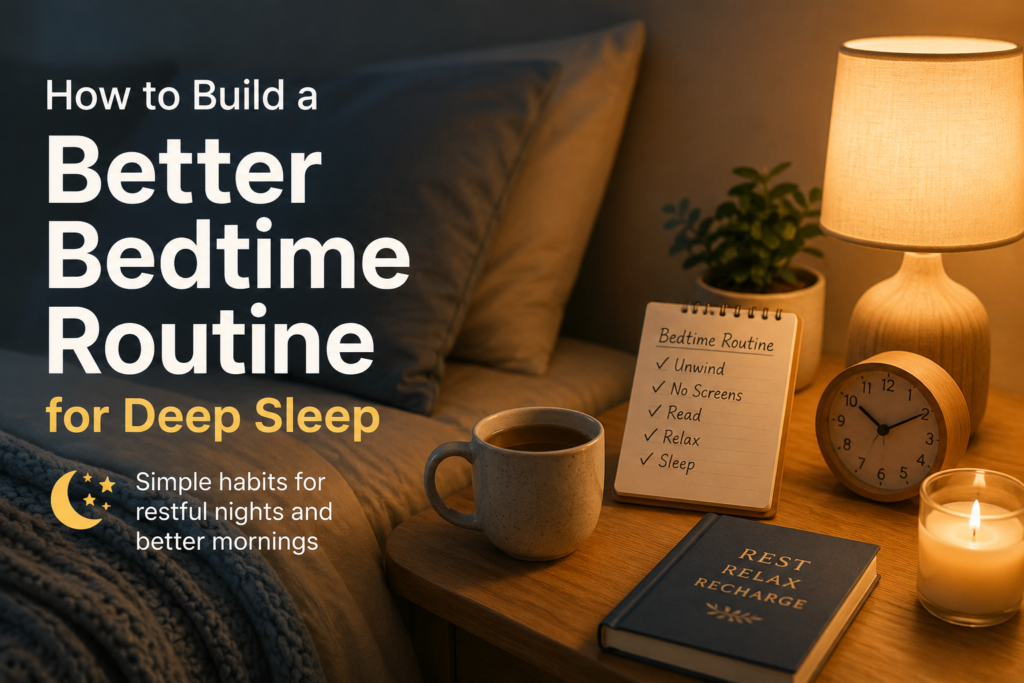

Why You Feel Tired After Sleeping 8 Hours: 10 Common Causes (2026)
Why You Feel Tired After Sleeping 8 Hours is a question millions of people ask every day. You go to bed on time, sleep for what seems like a full night, yet you still wake up feeling exhausted instead of refreshed.
The truth is that sleep duration is only one part of the equation. Your energy the next morning depends just as much on sleep quality, your sleep cycles, lifestyle habits, and even underlying health conditions.
In many cases, waking up tired despite getting eight hours of sleep is caused by problems such as fragmented sleep, stress, poor sleep hygiene, or an irregular circadian rhythm—not simply a lack of sleep.
In this guide, you’ll learn the 10 most common reasons why you still feel tired after a full night’s sleep and discover practical, science-backed strategies to wake up feeling more energized.
Why You Feel Tired After Sleeping 8 Hours
Many people believe that sleeping for eight hours automatically leads to better health and higher energy levels. While getting enough sleep is important, the quality of that sleep matters just as much.
Several factors can prevent your body from completing healthy sleep cycles, even if you spend eight hours in bed.
Common reasons include:
- Poor sleep quality
- Frequent nighttime awakenings
- Sleep apnea or loud snoring
- High stress or anxiety
- An inconsistent sleep schedule
- Alcohol before bedtime
- Too much caffeine late in the day
- An uncomfortable sleep environment
These issues interrupt your body’s natural recovery process, leaving you feeling tired even after what appears to be a full night’s sleep.
Understanding Why You Feel Tired After Sleeping 8 Hours is the first step toward identifying the real cause and making changes that improve both your sleep quality and your daytime energy.
10 Common Causes of Feeling Tired After Sleeping 8 Hours
1. Poor Sleep Quality
The most common reason behind Why You Feel Tired After Sleeping 8 Hours is poor sleep quality.
Even if you remain in bed for eight hours, your brain may never spend enough time in restorative deep sleep or REM sleep. Frequent awakenings—whether you remember them or not—can interrupt these essential sleep stages.
As a result, your body has less opportunity to recover, repair tissues, and consolidate memories, leaving you feeling drained the next morning.
2. Sleep Apnea
Sleep apnea is a common but often undiagnosed condition that repeatedly interrupts breathing during sleep.
Many people with sleep apnea don’t realize they’re waking up dozens—or even hundreds—of times each night because these awakenings are extremely brief.
Common signs include:
- Loud snoring
- Gasping for air during sleep
- Morning headaches
- Dry mouth after waking
- Excessive daytime sleepiness
If these symptoms sound familiar, discussing them with a healthcare professional is important, as effective treatments are available.
3. An Irregular Sleep Schedule
Your body thrives on consistency.
Going to bed at 10 PM one night and 2 AM the next confuses your circadian rhythm, even if you still manage to sleep for eight hours.
A consistent bedtime helps regulate hormone production, body temperature, and natural alertness throughout the day.
Maintaining the same sleep and wake times every day—including weekends—is one of the most effective ways to improve morning energy.
4. Stress and Anxiety
Mental stress doesn’t stop simply because you close your eyes.
High levels of stress hormones such as cortisol can make sleep lighter and more fragmented, reducing the restorative benefits of a full night’s rest.
People experiencing chronic stress often report:
- Racing thoughts before bed
- Frequent nighttime awakenings
- Feeling mentally exhausted in the morning
- Difficulty concentrating during the day
Relaxation techniques, mindfulness, and consistent bedtime routines can help reduce this effect over time.
5. Too Much Caffeine or Alcohol
Caffeine consumed late in the afternoon may still be active when you go to bed.
Although alcohol can initially make you feel sleepy, it often disrupts normal sleep cycles later in the night.
To support healthier sleep:
- Avoid caffeine within 6–8 hours of bedtime.
- Limit alcohol during the evening.
- Stay hydrated throughout the day.
These simple adjustments can improve both sleep quality and morning alertness.
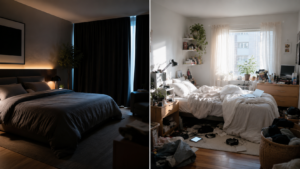
6. Your Bedroom Environment Isn’t Ideal
Even if you sleep for eight hours, your bedroom environment may prevent you from getting restorative sleep.
Small factors can have a surprisingly large impact, including:
- A room that’s too warm
- Light entering through windows
- Noise from traffic or electronics
- An uncomfortable mattress or pillow
Creating a cool, dark, and quiet bedroom gives your body the best opportunity to complete healthy sleep cycles.
7. You Wake Up During the Wrong Sleep Stage
Your brain moves through several sleep cycles every night, alternating between light sleep, deep sleep, and REM sleep.
If your alarm wakes you during deep sleep instead of light sleep, you may experience sleep inertia—the groggy, sluggish feeling that can last anywhere from a few minutes to over an hour.
This is one reason why Why You Feel Tired After Sleeping 8 Hours isn’t always about sleeping longer.
Sometimes, when you wake up matters just as much as how long you sleep.
The Centers for Disease Control and Prevention (CDC) recommends maintaining a consistent sleep schedule and getting adequate daylight exposure as part of healthy sleep habits that support overall well-being.
8. You’re Not Getting Enough Morning Sunlight
Natural sunlight is essential for regulating your circadian rhythm.
Without enough exposure to bright daylight in the morning, your brain may struggle to fully transition into daytime alertness.
Try to:
- Spend 15–30 minutes outdoors after waking.
- Open your curtains immediately.
- Eat breakfast near a window whenever possible.
These simple habits help your internal body clock stay synchronized.
9. An Underlying Health Condition
Persistent fatigue isn’t always caused by poor sleep.
Several medical conditions can contribute to waking up tired, including:
- Iron deficiency
- Thyroid disorders
- Vitamin D deficiency
- Depression
- Chronic fatigue syndrome
If you’ve improved your sleep habits but continue to feel exhausted for several weeks, it’s a good idea to speak with a healthcare professional for further evaluation.
10. You Focus on Sleep Quantity Instead of Sleep Quality
Many people chase the magic number of eight hours while overlooking the quality of those hours.
Healthy sleep depends on multiple factors working together:
- Consistent sleep schedules
- Healthy sleep hygiene
- Stress management
- Regular exercise
- Balanced nutrition
- A comfortable sleep environment
When these habits improve, your body can make better use of the sleep you’re already getting.
Frequently Asked Questions (FAQ)
Is it normal to feel tired after sleeping 8 hours?
Yes. Why You Feel Tired After Sleeping 8 Hours often has more to do with sleep quality than sleep duration. Interrupted sleep, stress, or an irregular sleep schedule can all leave you feeling tired despite getting enough hours of sleep.
Can sleeping too much make you feel tired?
Yes. Oversleeping may disrupt your circadian rhythm and leave you feeling groggy or sluggish. For most healthy adults, 7–9 hours of quality sleep is generally recommended.
Why do I wake up feeling exhausted every morning?
Common causes include:
- Poor sleep quality
- Sleep apnea
- Stress or anxiety
- Late caffeine intake
- Alcohol before bed
- An uncomfortable sleep environment
- Medical conditions such as thyroid disorders or iron deficiency
If morning fatigue continues for several weeks despite healthy sleep habits, consult a healthcare professional.
Should I be concerned if I always feel tired?
Persistent fatigue should not be ignored. If you consistently feel exhausted after getting enough sleep, it’s important to rule out underlying sleep disorders or medical conditions.
How can I wake up feeling more refreshed?
Simple habits that may help include:
- Going to bed at the same time every night
- Getting morning sunlight
- Limiting caffeine in the afternoon
- Exercising regularly
- Keeping your bedroom cool, dark, and quiet
- Reducing screen time before bed

Discover why you still feel tired after sleeping 8 hours and learn science-backed ways to improve sleep quality naturally.
Final Thoughts
Understanding Why You Feel Tired After Sleeping 8 Hours begins with recognizing that sleep quality is often more important than sleep quantity.
According to the American Academy of Sleep Medicine, improving sleep quality through healthy sleep habits is often more beneficial than simply increasing the number of hours spent in bed.
A full night in bed doesn’t always mean your brain and body received the restorative sleep they need. Interrupted sleep, stress, poor sleep hygiene, or an inconsistent schedule can all leave you feeling exhausted the next morning.
The encouraging news is that many of these causes are within your control. Improving your bedtime routine, optimizing your sleep environment, limiting caffeine late in the day, and maintaining a consistent sleep schedule can gradually improve both your sleep quality and your daytime energy.
Rather than asking, “Did I sleep long enough?”, consider asking, “Did I sleep well enough?” That simple shift in perspective can make a meaningful difference in your long-term health and overall well-being.
Related Articles
- Sleep Hygiene Explained: 10 Habits That Improve Sleep Naturally
- How to Fall Asleep Faster: 12 Science-Backed Tips
- Blue Light and Sleep: What Science Really Says
- Deep Sleep and Memory Consolidation
- Best Bedroom Temperature for Better Sleep